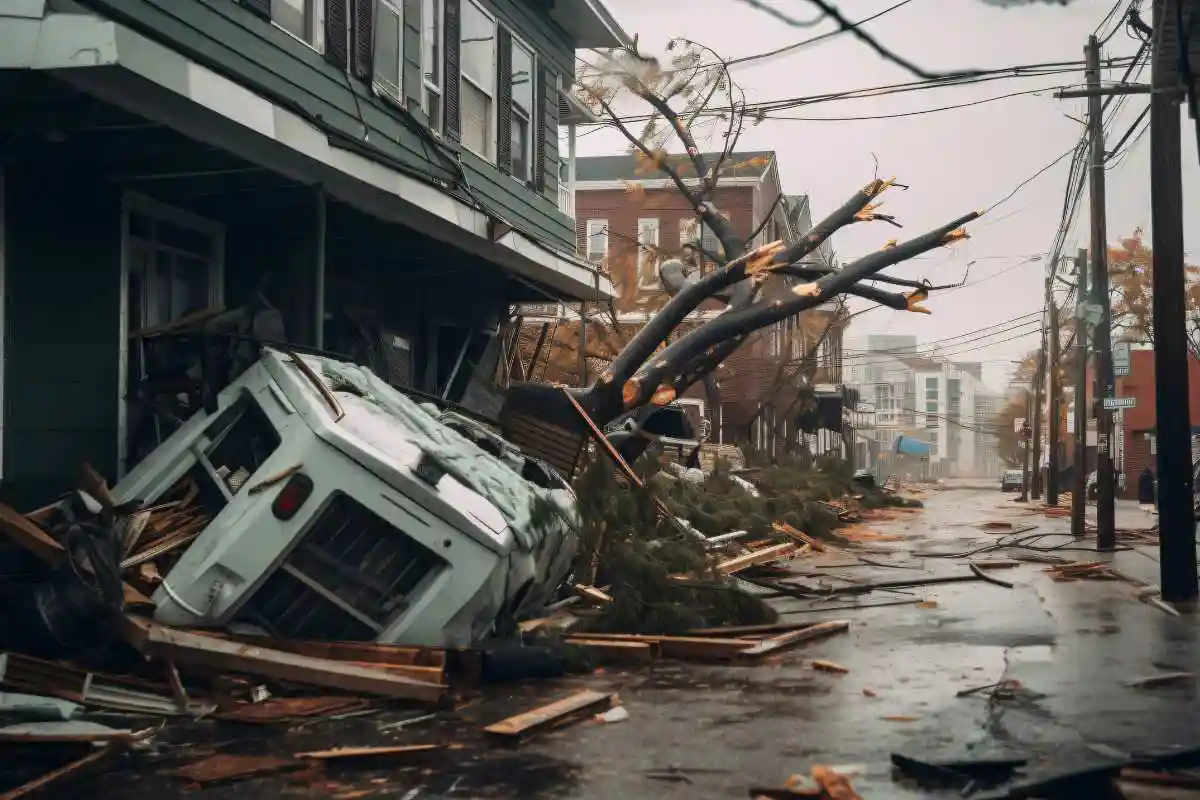
Fast fashion has transformed the way we shop, encouraging constant consumption and quick replacement of clothing. While the prices may seem affordable, the impact on the environment, workers, and communities tells a very different story. Understanding the hidden cost of fast fashion helps us make choices that support a healthier, fairer, and more sustainable future.

Fast fashion refers to the rapid production of inexpensive clothing designed to mimic current trends. Brands release new collections at a constant pace, sometimes weekly, encouraging people to buy frequently and replace items often. This system relies on cheap materials, quick manufacturing, and a global supply chain built for speed.
Although fast fashion offers convenience and variety, the environmental and social consequences are significant. The short life cycle of these garments creates a constant churn of production and disposal, placing pressure on ecosystems and communities worldwide.
Fast fashion leaves a large environmental footprint. From resource extraction to dyeing and shipping, every stage of production contributes to pollution, water waste, and climate pressures.
The fashion industry emits a noticeable share of global carbon pollution. Synthetic fabrics like polyester are made from fossil fuels and shed microplastics with every wash. Microplastics travel through wastewater systems and end up in rivers, lakes, and oceans.
Cotton production also adds to climate pressures. While cotton is a natural fiber, its farming requires enormous amounts of water and pesticides. These chemicals degrade soil, harm wildlife, and impact the health of nearby communities.
Fast fashion is one of the most water-intensive industries in the world. It can take thousands of liters of water to produce a single cotton garment. Dyeing and finishing clothing require even more water and often release toxic chemicals into local waterways.
In many manufacturing regions, untreated wastewater flows into rivers that families rely on for drinking, farming, and fishing. This contamination affects community health, destroys ecosystems, and reduces the availability of clean water.
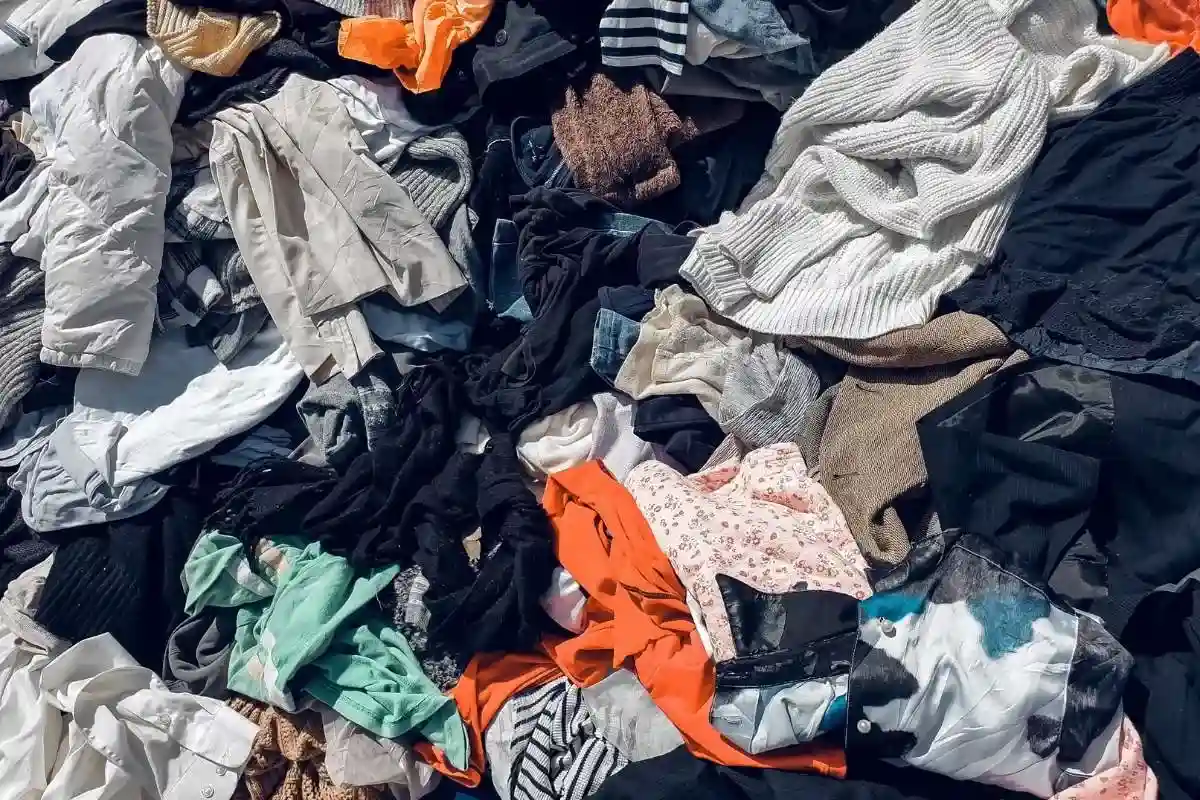
This is where fast fashion’s impact becomes highly visible. Low-cost, low-quality clothing often ends up in landfills after only a few wears. Many synthetic fabrics can take hundreds of years to break down. As they degrade, they release greenhouse gases and leach chemicals into the soil.
Large shipments of secondhand clothing are also exported to other countries. When these items cannot be resold, they pile up in open dumpsites, burdening communities that did not produce the waste. This global flow of discarded clothing creates a massive environmental challenge that continues to grow each year.
Synthetic garments shed microplastic fibers during washing. Wastewater treatment plants cannot fully filter these particles, which means they enter natural waterways. Microplastics have been discovered in marine animals, drinking water, soil, and even human bodies.
These plastics harm ecosystems, carry toxins, and accumulate in the food chain. The rise of fast fashion has significantly increased this type of pollution, making textile fibers one of the largest sources of microplastics in the environment.
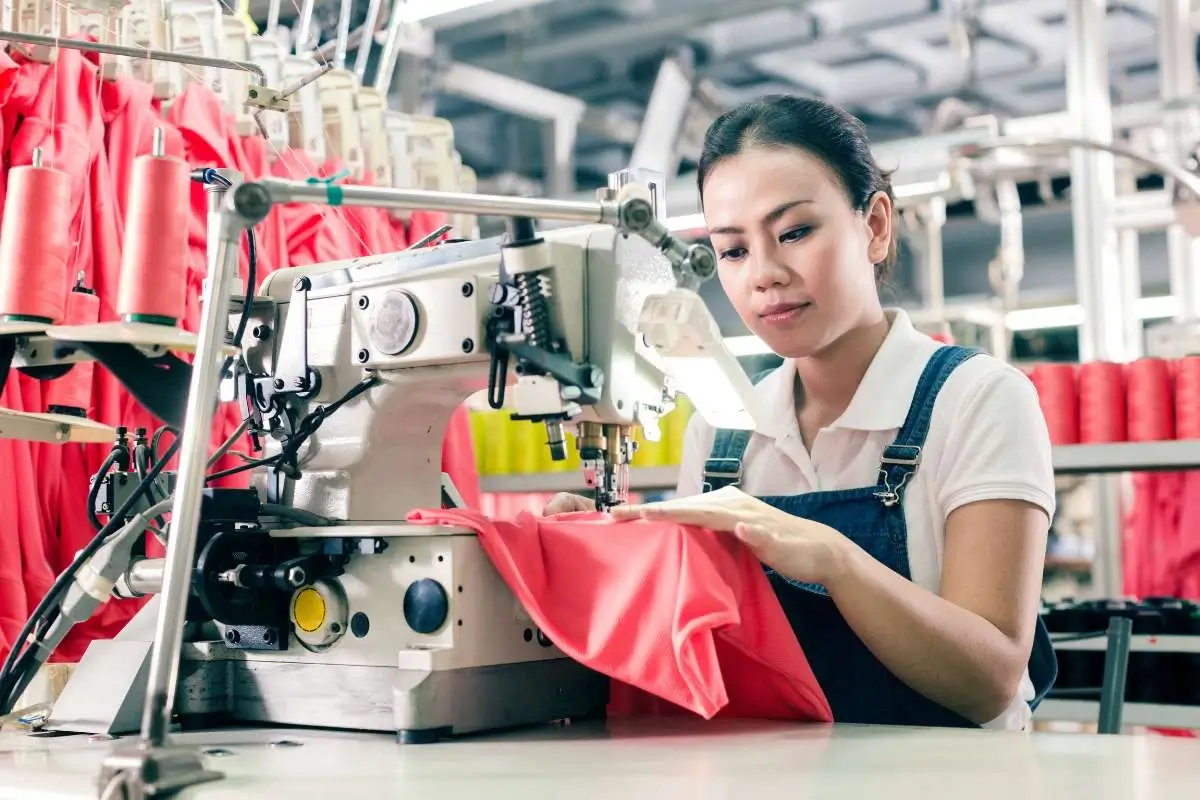
Fast fashion affects more than the environment. It has deep social consequences, especially for garment workers and the communities surrounding factories.
Fast fashion relies on extremely fast production at very low cost. To meet these demands, many brands outsource manufacturing to factories in countries where labor protections are limited. Workers often face long hours, crowded conditions, unsafe buildings, and intense pressure to meet production quotas.
These risks became widely known after the Rana Plaza collapse in Bangladesh, where more than a thousand garment workers lost their lives. While that event brought global attention to unsafe conditions, many factories around the world still operate without adequate safety standards.
Garment workers are among the lowest paid workers in the global economy. Many earn wages that do not cover basic needs such as food, housing, and healthcare. Some workers face harassment or retaliation if they speak up about unfair treatment.
Communities around textile factories are also impacted. Pollution from dyes and untreated wastewater affects families who live nearby, creating long term health concerns and environmental injustice. These communities absorb the true cost of clothing that is sold cheaply in wealthier countries.

Fast fashion thrives because it delivers constant novelty at a low price. Social media trends encourage frequent shopping, and online stores make it easy to buy new outfits with a single click. The pressure to keep up with trends can lead people to buy more clothing than they need, only to discard it shortly after.
Low prices can also create the illusion of value. But when clothing wears out quickly or goes out of style, the consumer ends up buying again and again, creating a cycle that benefits retailers while harming the planet.
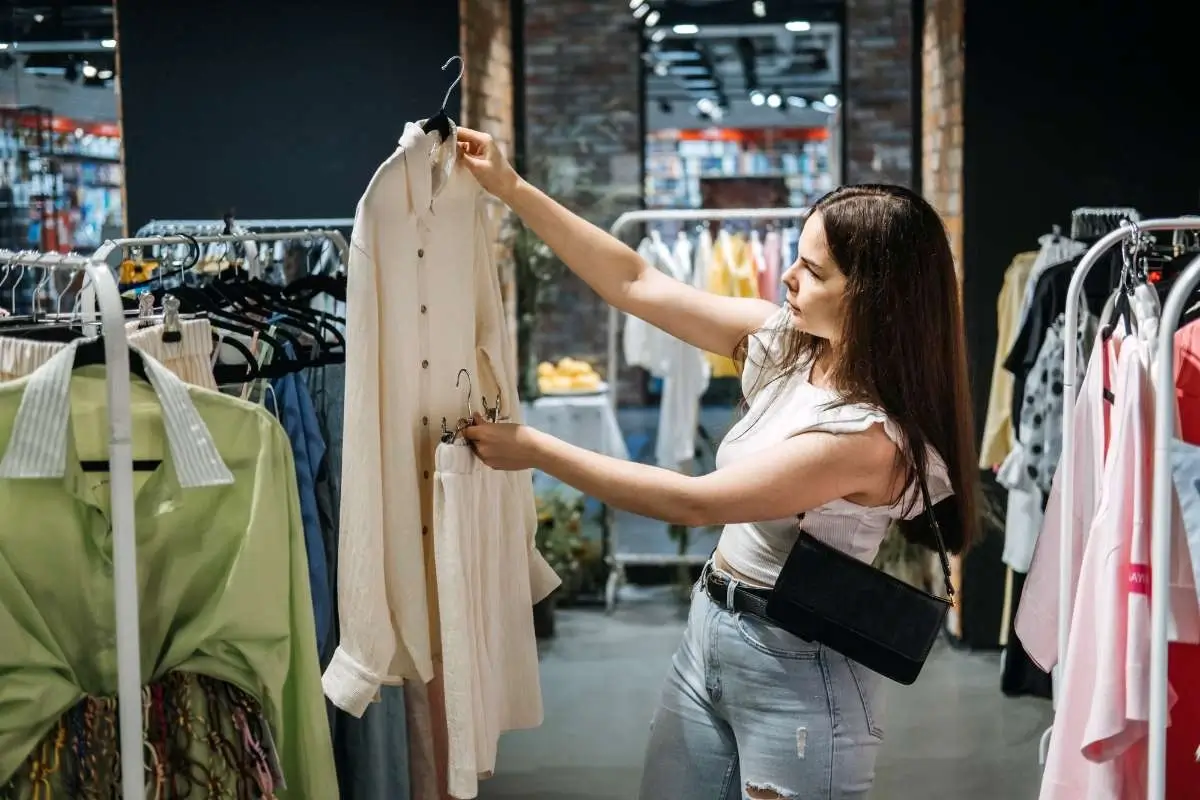
The good news is that sustainable fashion is within reach for everyone. Small shifts in habits can have a meaningful impact.
Buying fewer pieces and choosing higher quality reduces waste and saves money over time. Look for durable fabrics, well-constructed seams, and timeless styles. When clothing lasts longer, it does not need frequent replacement.
A smaller wardrobe built around versatile items can offer more flexibility than a large collection of fast fashion pieces.
Many brands now focus on ethical production and environmentally responsible materials. Look for companies that use organic cotton, recycled fibers, or natural dyes. Brands that are transparent about their supply chain tend to prioritize fair labor and environmental responsibility.
Supporting these businesses encourages better industry standards and helps shift demand away from harmful practices.
Thrift stores, consignment shops, and online resale platforms offer high quality clothing at affordable prices. Secondhand shopping keeps garments in circulation and reduces the demand for new production.
Vintage clothing also adds personality and often features craftsmanship that is rare in fast fashion items.
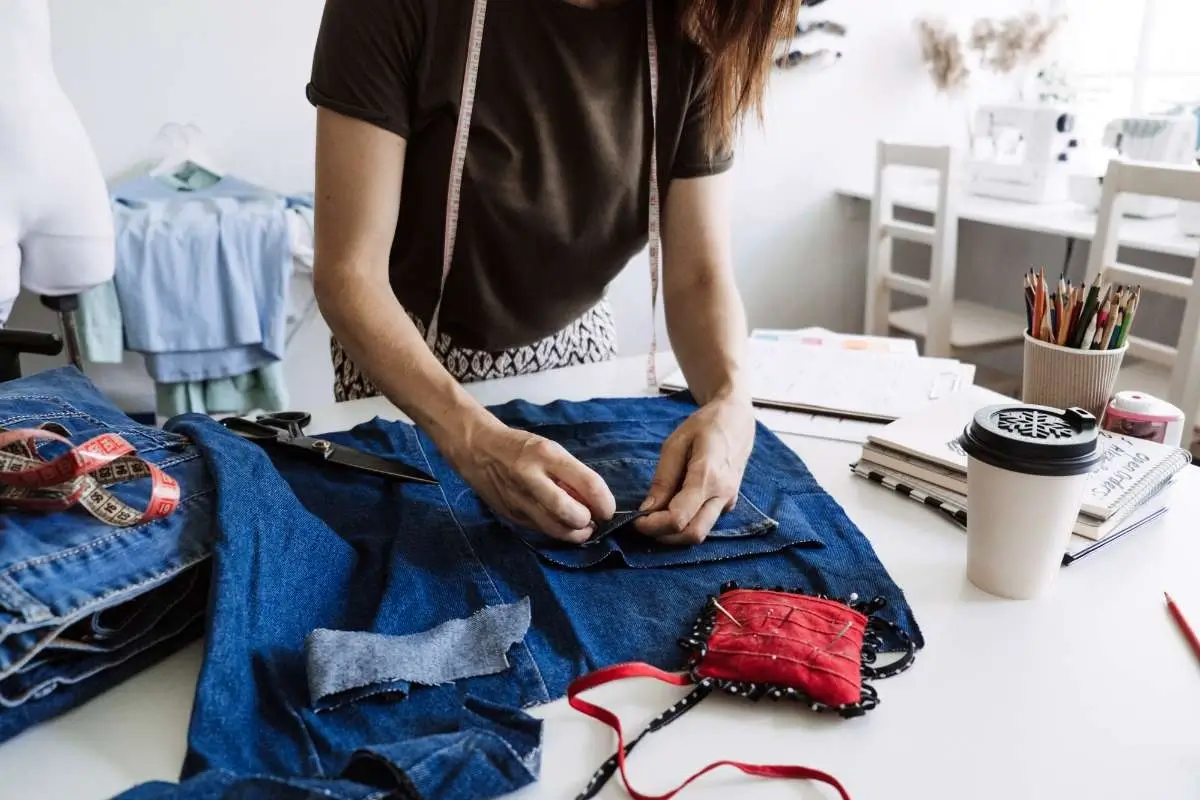
Learning simple repair skills can extend the life of your clothing. Fixing a loose seam, replacing a button, or patching a small tear keeps garments out of the trash. Upcycling transforms older items into something new, creative, and unique.
Tailors and seamstresses can also help refresh pieces or adjust fit so that clothing lasts longer.
Washing clothes less often and using cold water preserves fabric quality and reduces energy use. Air drying garments protects fibers from heat damage and saves electricity.
Laundry bags designed to catch microfibers can reduce microplastic pollution from synthetic fabrics, helping protect waterways.
If donating clothing, choose items that are clean and in good condition. Damaged or low quality items often end up in landfills even after donation.
Some organizations offer textile recycling programs for fabrics that are no longer wearable. Participating in these programs helps reduce waste and supports circular fashion efforts.
Circular fashion aims to keep clothing and materials in use for as long as possible. Clothing rental, repair services, recycling programs, and community swap events all help reduce waste. These practices extend the life of garments and keep materials circulating within the economy.
The shift toward sustainable fashion is growing, but the industry still has a long way to go. Real progress requires action from brands, policymakers, and consumers. Regulations that address waste, chemical pollution, and labor rights are essential for lasting change.
Consumers also play a powerful role. By choosing better materials, supporting ethical brands, and caring for clothing responsibly, we can reduce the environmental and social burdens created by fast fashion.
Every small step matters. Each thoughtful purchase, repair, or donation helps reshape the fashion industry into one that values people, communities, and the planet. A more sustainable wardrobe begins with awareness and grows with intentional choices. Together, we can support a future where fashion is creative, responsible, and aligned with the well-being of the world around us.
.jpg)


Membership Email:
Verification Status: