


Disasters are often framed as if nature is handing everyone the same test. Fire moves fast and does not pause to ask who lives behind each front door. Floodwater rises street by street without caring which families have savings and which do not. Wind does not check your bank balance before it tears shingles off a roof or drops a tree across a driveway. On the surface, that feels like fairness, but it is a misleading story, because the real divide shows up after the danger clears.
The damage may be widespread, but the path back is not. Recovery quietly favors people who already have time, money, stable housing, flexible work, transportation, organized records, and a strong support network. Those resources function like invisible armor. When they are present, problems get solved quickly and in the right order. When they are missing, the same problems become delays, missed paychecks, and cascading setbacks that stretch from weeks into months.
Imagine two households living in the same region, hit by the same storm. The first household owns their home, carries comprehensive insurance, and works in a job that can shift to remote work. They take photos that night, file a claim the next morning, and start coordinating repairs as soon as the adjuster signs off. They can cover the deductible, front temporary costs on a credit card, and wait for reimbursement without the household collapsing financially. If the house is unlivable for a few days, they have family nearby, a spare bedroom, and the flexibility to treat displacement as an inconvenience rather than an emergency.
The second household rents an older apartment, has little savings, and relies on hourly wages. Power goes out, cell service is unreliable, and the next work shift is suddenly uncertain. Public transit slows or stops, and the employer reopens with reduced staff and fewer available hours. The landlord boards up windows but delays repairs, and damp air starts triggering asthma and headaches. Food spoils, laundry piles up, and the family is forced to choose between an expensive motel or crowding into a friend’s living room. In the middle of all that, paperwork, deadlines, and phone calls begin stacking up, even though they have the least time and the least margin to manage them.
The storm ends for both families, but recovery does not arrive equally. This is not a moral story about who deserves help, and it is not a character test about who tried harder. It is a structural reality about what recovery requires, and how many households were already stretched thin before the first warning alert appeared on a phone.
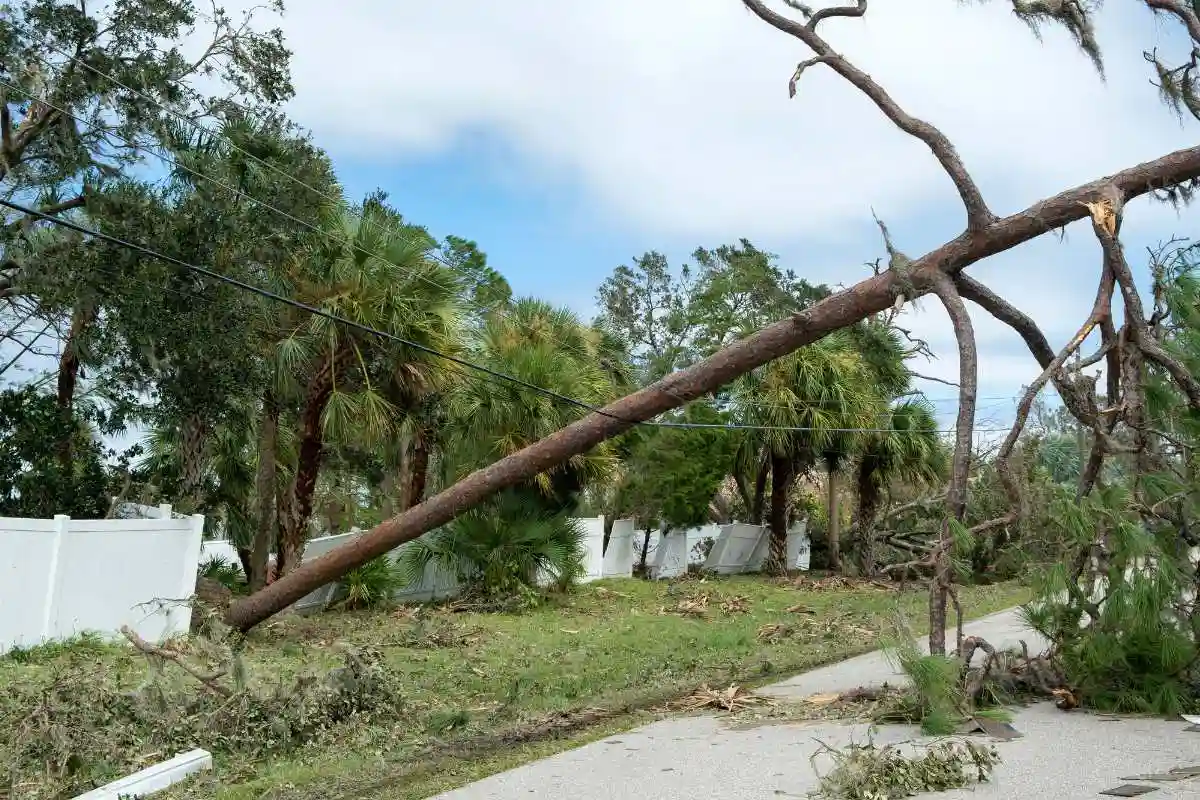
The emergency phase is loud and visible. Sirens cut through the night. Shelters open. Curfews are announced. News alerts scroll across screens. Volunteers pass out water, meals, blankets, and batteries. That is the part most people remember, because it is dramatic and shared. Recovery, by contrast, is quieter and longer, and it is where inequality tends to do its most lasting work.
Recovery is what happens when you cannot get through on the phone, but the deadline does not move. It is the form that asks for a document that is now soaked, lost, or sitting in a building you cannot enter. It is the contractor who is booked for months, the materials that are suddenly scarce, and the rent that is still due even when the apartment is partially damaged. It is the medication refill that becomes complicated because the pharmacy is closed, the doctor’s office is overwhelmed, and you cannot easily travel to a different location. It is also insurance and assistance timelines that rarely match real life, especially for families who are trying to rebuild while still working, caregiving, and keeping children stable.
Over time, recovery becomes a test of endurance and attention. Every day forces a new set of decisions about what gets handled and what must wait. If you have flexibility and resources, you can reduce the backlog and regain stability. If you do not, the backlog grows until it turns into a second crisis. A useful way to think about this is that recovery runs on a handful of “currencies.” People who have more of them can buy speed, options, and stability. People who have less of them pay in delay, stress, and long term loss, even when the initial physical damage looks similar.

Time is one of the most underestimated factors in disaster recovery, largely because it does not appear on official forms. Yet time is what you spend calling agencies, meeting inspectors, driving to aid sites, waiting for supplies, talking to employers, and handling the dozen small tasks that add up to real progress. If you can take time off work, rearrange your schedule, or work remotely, recovery becomes demanding but manageable. If you cannot, each step forward comes with a cost in missed wages, job risk, and added stress. Many systems quietly assume that people can show up during business hours, return calls immediately, and spend a day gathering documents. Hourly workers, caregivers, and people juggling multiple jobs pay a penalty for those assumptions.
Aid and insurance operate on proof, and proof becomes harder to produce after a disaster. Proof of identity, address, occupancy, income, damage, and loss is often required, and the process can feel less like assistance and more like a demand to justify your crisis. After storms and floods, documents get destroyed. Mail stops. Phones die. Internet access becomes unstable. If you already have digital copies, reliable online access, and the ability to scan and print, proving your case is frustrating but possible. If you do not, proof becomes a barrier that can halt recovery entirely, even when the need is obvious.
Most support arrives after you spend money, not before. Even when assistance exists, families often need upfront cash for a hotel deposit, fuel, food, replacement clothing, childcare, medication, or temporary repairs that prevent further damage. Cash is not only savings, it is also access to safe credit. People with strong credit can bridge short term gaps without being punished by extreme interest rates. People without that access face expensive borrowing or no borrowing at all. When disaster expenses get financed through high interest debt, the crisis keeps charging the household long after the winds stop and the news cameras leave.
In a disaster, good information is not convenience, it is protection. Knowing what is open, where to go, what programs exist, what documentation matters, which deadlines are real, and which contractors are trustworthy can change outcomes. Information spreads unevenly, especially when it is shared through informal networks, posted online without translation, or buried in long web pages. People with stable internet, strong community ties, and experience navigating systems tend to learn faster. People facing language barriers, limited connectivity, disability, or social isolation can miss opportunities entirely, not because they are uninterested, but because the information never reaches them in a clear, usable way.
Influence sounds abstract until you see it in action. It can be a neighbor who knows how to reach the right office. A friend who recommends a reliable contractor. A workplace that advocates for employees and offers flexibility. A landlord who responds quickly and makes repairs a priority. A local organization that helps residents fill out forms, gather documentation, and appeal denials. Influence is not only political. It is the practical power to get a call returned, to get placed on a schedule, and to make the system move. Families with less influence wait longer, and delay increases costs, stress, and risk.
These currencies tend to cluster. Households with higher incomes often have more time flexibility, better documentation, easier access to credit, and wider networks. Households under financial strain often have the opposite. That is why unequal recovery is not a surprise. It is a predictable pattern produced by uneven access to the resources recovery demands.
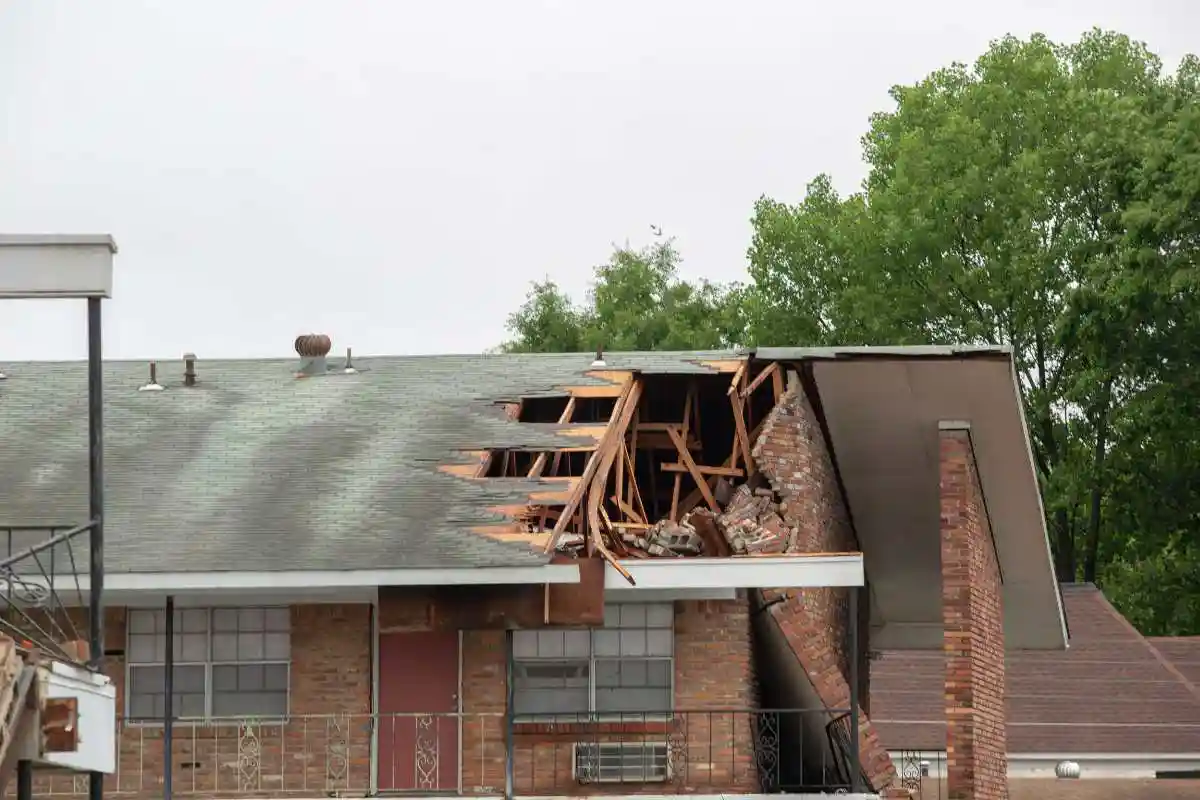
Housing is the pivot point of recovery because nearly every other part of life depends on it. Homeowners face major challenges, especially as insurance becomes more expensive, coverage becomes more limited, and claims become more contested. Still, most homeowners have a defined pathway, even if it is slow and stressful: file a claim, negotiate, repair, and rebuild.
Renters often have no comparable pathway, only uncertainty. Many renters do not have renters’ insurance, and even when they do, coverage often focuses on belongings rather than prolonged displacement. If a building is damaged, renters may be forced out quickly with few options in a tight housing market. After a disaster, rents can rise sharply, and families can get priced out of the neighborhoods they helped build, not because they want to leave, but because the market makes returning impossible.
Control is another key difference. A homeowner can choose to patch a roof, run dehumidifiers, and begin repairs immediately. A renter is dependent on a landlord’s timeline, priorities, and willingness to invest. If the landlord delays, the renter lives with the consequences. If the landlord renovates and raises rent, the renter may never return. In some cases, disaster damage becomes the pretext for permanent displacement.
Disasters also reveal how unevenly resilient housing is. Older buildings with deferred maintenance are more likely to leak, develop mold, and suffer electrical problems after storms. Neighborhoods with poor drainage flood more frequently. Areas with fewer trees and less shade become hotter during heat waves, making homes harder and more expensive to cool. These outcomes are not random. They reflect decades of investment decisions that have left some communities more exposed than others.
When disaster hits, it does not just damage property. It tests whether housing is stable enough to survive disruption, and too often the answer depends on income and neighborhood.
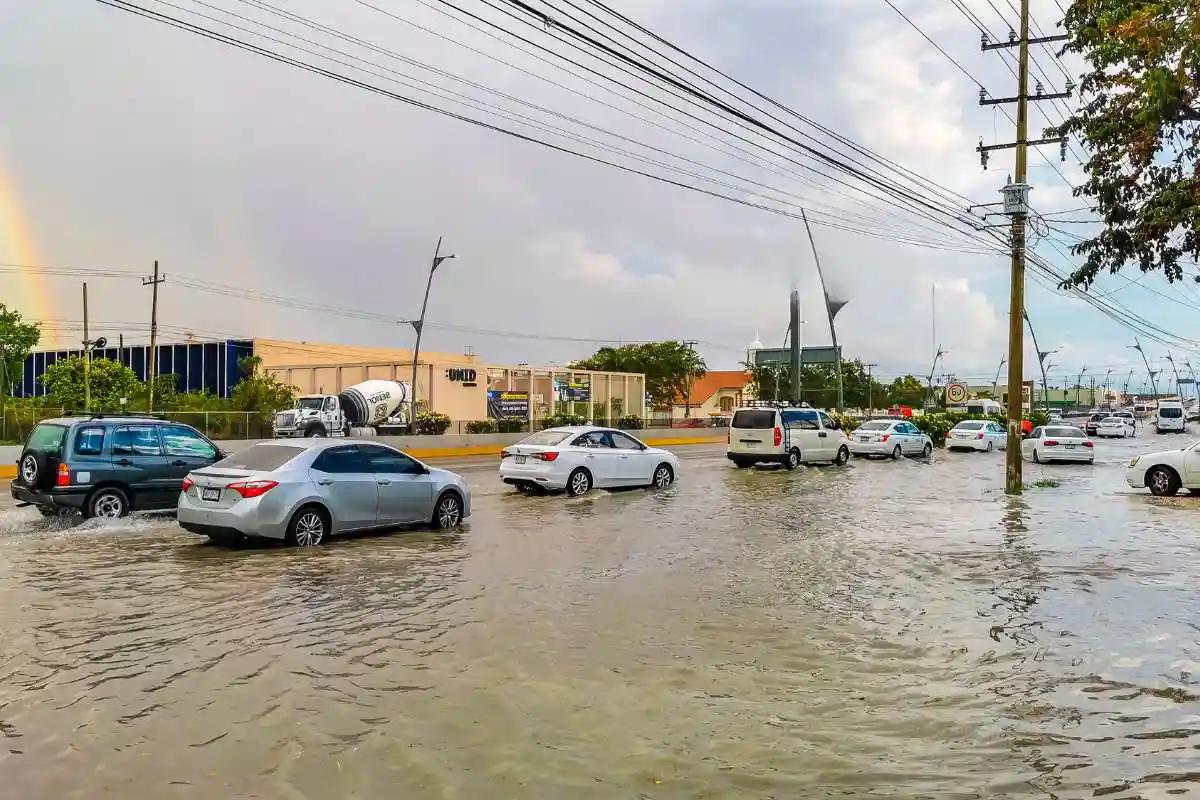
A broken window is one problem. Losing a week of wages is another, and for many families it is more destructive. Disasters disrupt work in obvious ways such as closures, power outages, and damaged buildings. They also disrupt work in quieter ways that are just as consequential: schools close, childcare collapses, commutes become unpredictable, cars get damaged, public transit slows or stops, and routines become impossible to maintain.
People with flexible jobs can adapt. Remote work can preserve income. Salaried jobs often provide a cushion, even when life is chaotic. Hourly work rarely does. When wages drop, families start making tradeoffs that slow recovery and increase risk. They may delay medical care, skip repairs, rely on expensive short term borrowing, or cut back on essentials. Each tradeoff adds friction. Friction creates delays. Delays create more cost. That is how disaster damage turns into a debt trap.
It is also how a disaster becomes a job loss. If you miss too many shifts, cannot arrive reliably, or need time to manage recovery tasks, employers may replace you. That risk is highest for workers with the least protections. The result is a loop that is hard to escape: the people who need the most help are the least able to take time to get it.
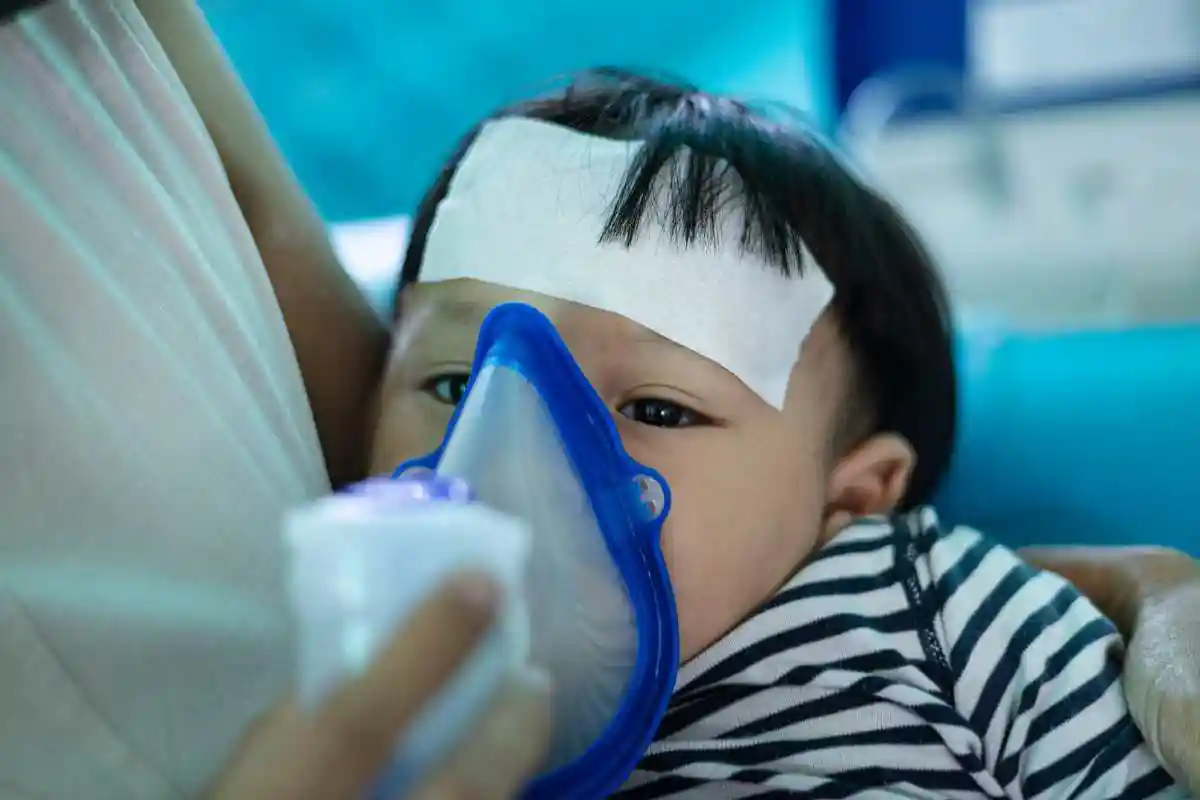
Recovery is often measured in rebuilt homes and restored power, but health tells a longer and more personal story. After floods, dampness and mold can trigger asthma and chronic respiratory problems. After wildfires, smoke exposure can worsen lung and heart conditions. After extreme heat, dehydration and heat stress can push vulnerable people into emergencies. After major storms, injuries rise and routine healthcare gets interrupted precisely when people need stability.
Mental health burdens are just as real, and they often last longer than the physical damage. Anxiety, grief, insomnia, and trauma do not disappear when the immediate danger passes. Parents carry everyone else’s stress while trying to appear calm. Children absorb instability in ways that show up later through sleep issues, fear, and behavioral changes. Elders lose routines and support. People managing disability or chronic illness face a stacked set of stressors that compound quickly.
Health impacts land harder when access to care is limited, housing is unstable, and resources to reduce exposure are scarce. A family that can relocate temporarily, run air filters, replace damaged furniture, and see a doctor will recover physically faster than a family that cannot. That is another way inequality stays. It settles into the body.

Public assistance can be lifesaving, but it can also be difficult to access, especially for people who are already overwhelmed. Application processes typically require stable internet, working phones, documentation, time, and persistence. Families may need to upload photos, respond to follow up requests, and meet deadlines while managing displacement, childcare, and work disruptions. Offices may be far away, transportation may be unreliable, and information may be unclear or inconsistent from one channel to the next.
Even when people qualify, support often falls short of real costs. Temporary housing assistance can end while repairs are still months away. Repair grants may not cover code upgrades required during rebuilding. Reimbursement based programs often require spending money upfront, which many households cannot do.
Some people avoid applying because they assume they will be denied. Some fear consequences. Some face language barriers. Some cannot keep up with repeated requests for documentation because they are working, caregiving, or simply exhausted. When aid is hardest to access for the people who need it most, inequality becomes the default outcome, not because anyone chose it, but because the system is built around an unrealistic picture of who has time and capacity.
Disasters create a sudden and intense market for repairs, and markets do what they always do: they reward speed and purchasing power. Contractors raise prices when demand spikes. Some disappear after collecting deposits. Reputable crews become booked for months. Materials become scarce. Permitting offices and inspection schedules get backed up. If you can pay more, you often get scheduled faster. If you can purchase materials upfront, you avoid delays. If you have experience vetting contractors and negotiating terms, you reduce risk.
Rebuilding rules can widen gaps, too. When a home is substantially damaged, it may need to meet updated codes. Updated codes can be important for safety and resilience, but they also increase cost. Households with resources can absorb upgrades. Households without resources may end up with partial repairs, unsafe living conditions, or permanent displacement.
At the same time, investors often move quickly after disasters. They buy damaged properties at reduced prices, renovate, then sell or rent at higher rates. That can accelerate neighborhood change and push out long term residents. In that environment, recovery becomes less about effort and more about whether you can afford to move fast.
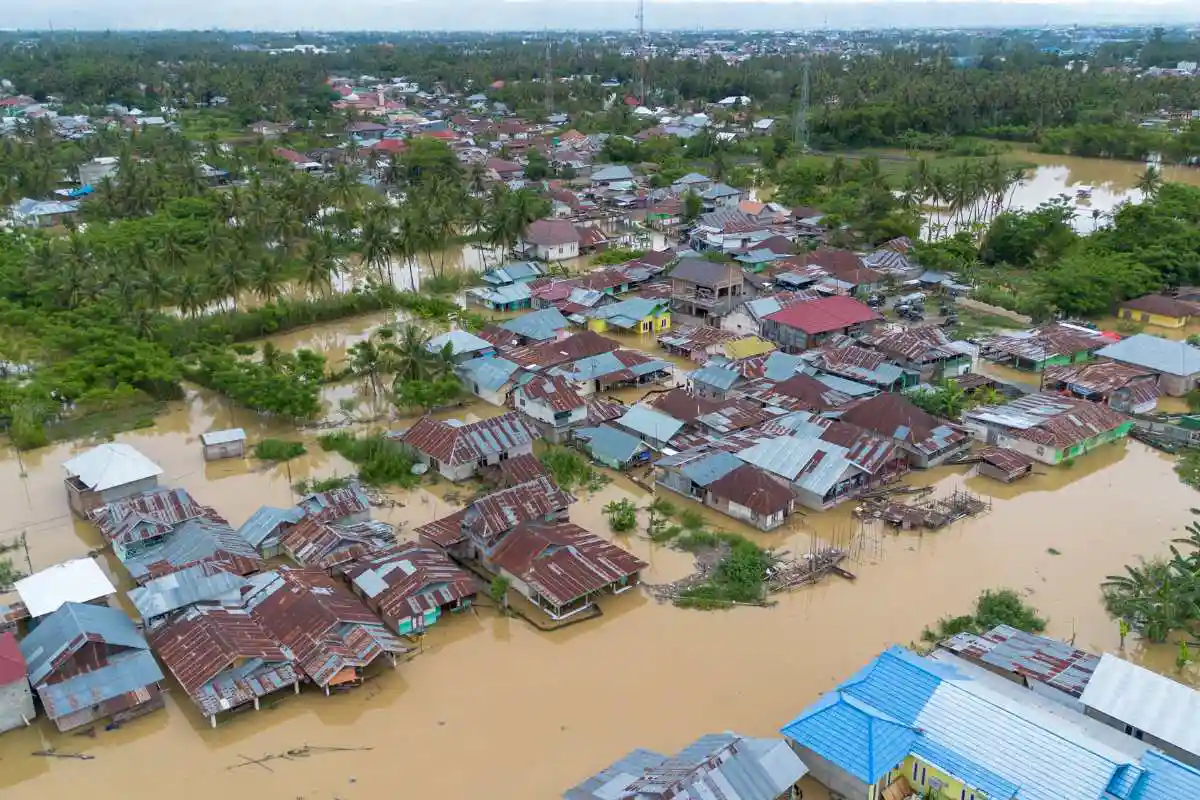
Unequal recovery does not stop with individual households. It reshapes neighborhoods. When families cannot return, schools lose students and funding. Local businesses lose customers. Community ties weaken. Neighborhoods can lose elders, organizers, and small business owners who create stability and trust.
If displaced residents are replaced by higher income newcomers after redevelopment, the disaster becomes a turning point that permanently changes the social fabric. The people who absorbed the worst impacts are the least likely to benefit from the rebuilding that follows. This is why climate disasters are not only environmental events. They are social events. They reveal the architecture of inequality, then reinforce it unless communities and policymakers intervene.
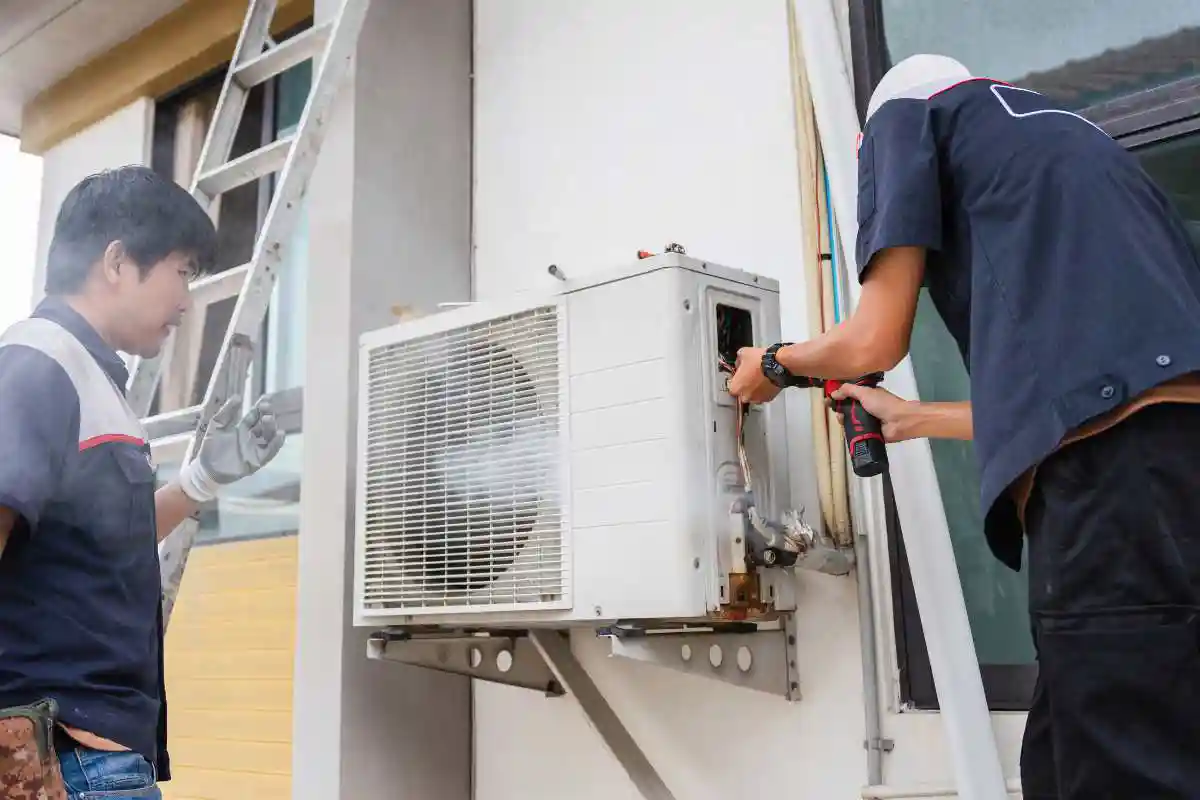
Fair recovery begins with communication that is clear, consistent, multilingual, and accessible. People should not need insider knowledge to find accurate information or understand what to do next, especially during the most stressful weeks of their lives.
It also requires assistance that meets people where they are. That means in person help for applications, realistic documentation rules when records are destroyed, and processes that do not punish people for missing a call because they were trying to find food, medication, childcare, or a place to sleep.
Tenant protections are central, not optional. If renters are displaced without a realistic path back, communities unravel. Policies that prevent sudden rent spikes after emergencies, protect the right to return, and hold property owners accountable for timely repairs are critical to keeping neighborhoods intact.
Fair recovery also requires timelines that reflect reality. Temporary housing support should not expire before repairs are possible. Repair funding should account for necessary safety upgrades. Mental health support should be treated as a standard part of disaster response, not an add on reserved for people who already know how to access it.
Finally, fair recovery requires investment before disaster hits. Cooling infrastructure in heat vulnerable neighborhoods. Better drainage where flooding repeats. Fire resilience measures in high risk areas. Clean air protections in schools and community centers. Backup power for critical facilities. These investments reduce harm and reduce recovery costs, especially for communities with the least margin.
Fair recovery is what happens when we stop treating vulnerability as a personal problem and start treating it as a systems problem.
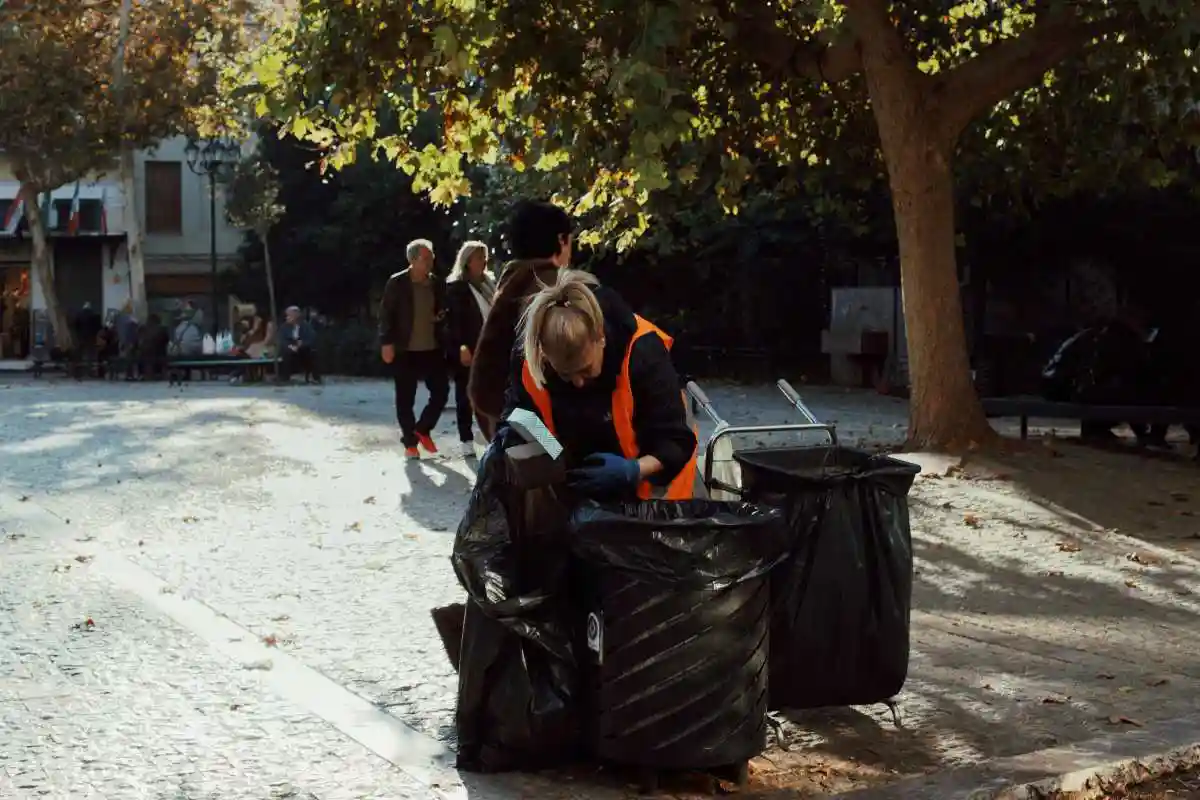
No single action fixes structural inequality, but there are practical steps that matter, especially when people take them together. On a personal level, simple preparedness can reduce the chance that a short disruption becomes a long crisis. Keeping digital photos of key documents, including identification, lease or mortgage information, prescriptions, and emergency contacts, can make applications and claims easier. Identifying a trusted contact outside your area can help with coordination if local communication fails. Building even a small emergency buffer over time can provide breathing room during the first week of disruption.
Community resilience may be even more powerful. Knowing neighbors, checking on elders, sharing accurate information, and joining mutual aid networks turns isolation into support. After disasters, practical help like rides, childcare, translation, and form assistance can determine whether families receive aid at all.
Advocacy matters when it focuses on the pressure points that drive long term harm: housing and worker protections. Policies that curb opportunistic rent increases after emergencies, expand disaster leave, and support safe, affordable repairs reduce displacement and shorten recovery timelines for the people most at risk.
It also helps to support organizations that do case navigation, not only supply distribution. Supplies are important, but guidance through complex systems often determines whether families get assistance in the first place. Groups that help document losses, complete applications, and appeal denials do high impact recovery work that is easy to overlook.
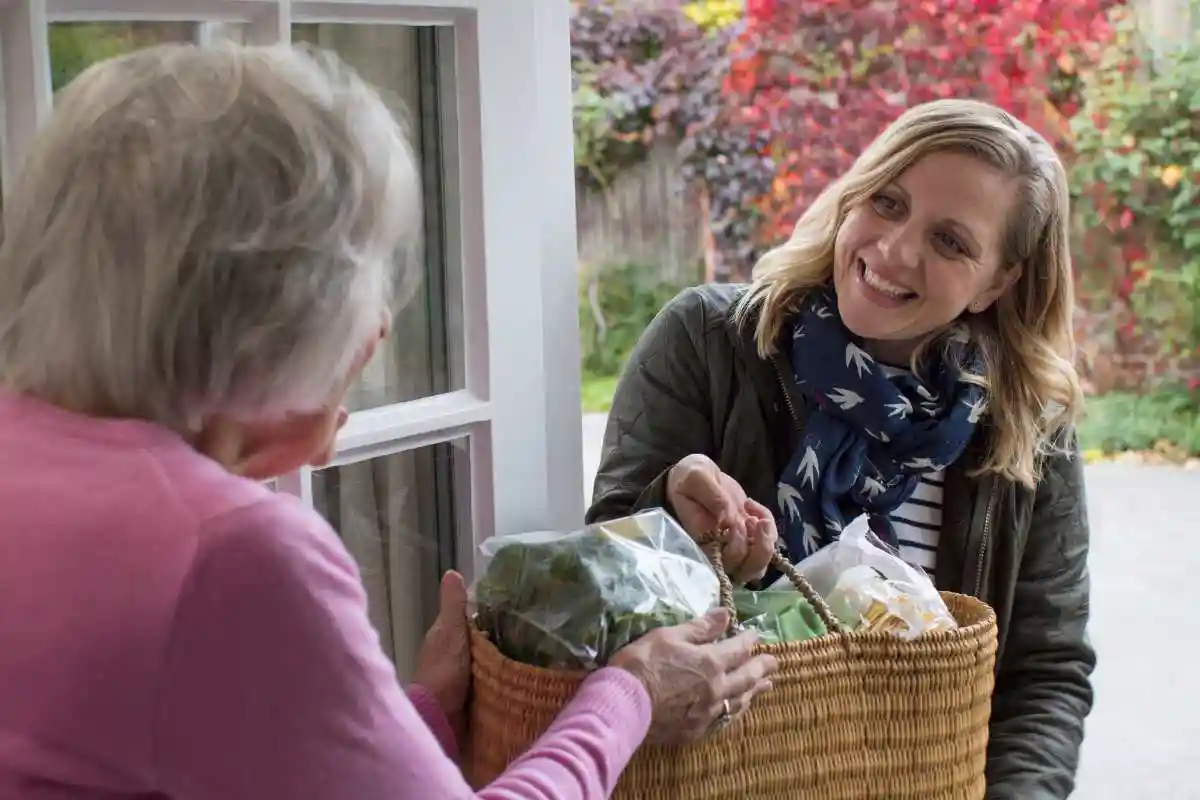
A disaster is not only the moment of impact. The true story is what happens after, and who is able to rebuild a stable life. When the storm passes, inequality stays because recovery is built on resources that some people have and others have been denied. If we want a future where climate disasters do not automatically widen the gap, we have to change what recovery requires and who the system is designed for.
Fair recovery is not charity. It is a deliberate choice to build systems that do not leave people behind when they are already down, and it is also the smartest form of resilience because communities recover together or they do not recover at all.
.jpg)


Membership Email:
Verification Status:


