Removing invasive plants is a hands-on way to protect native ecosystems and support biodiversity. Invasive species are non-native plants that spread aggressively, outcompeting native plants for resources like sunlight, water, and soil nutrients. They can disrupt ecosystems, harm wildlife, and even alter soil chemistry. By removing these plants, you help restore balance to the environment and create space for native species to thrive.
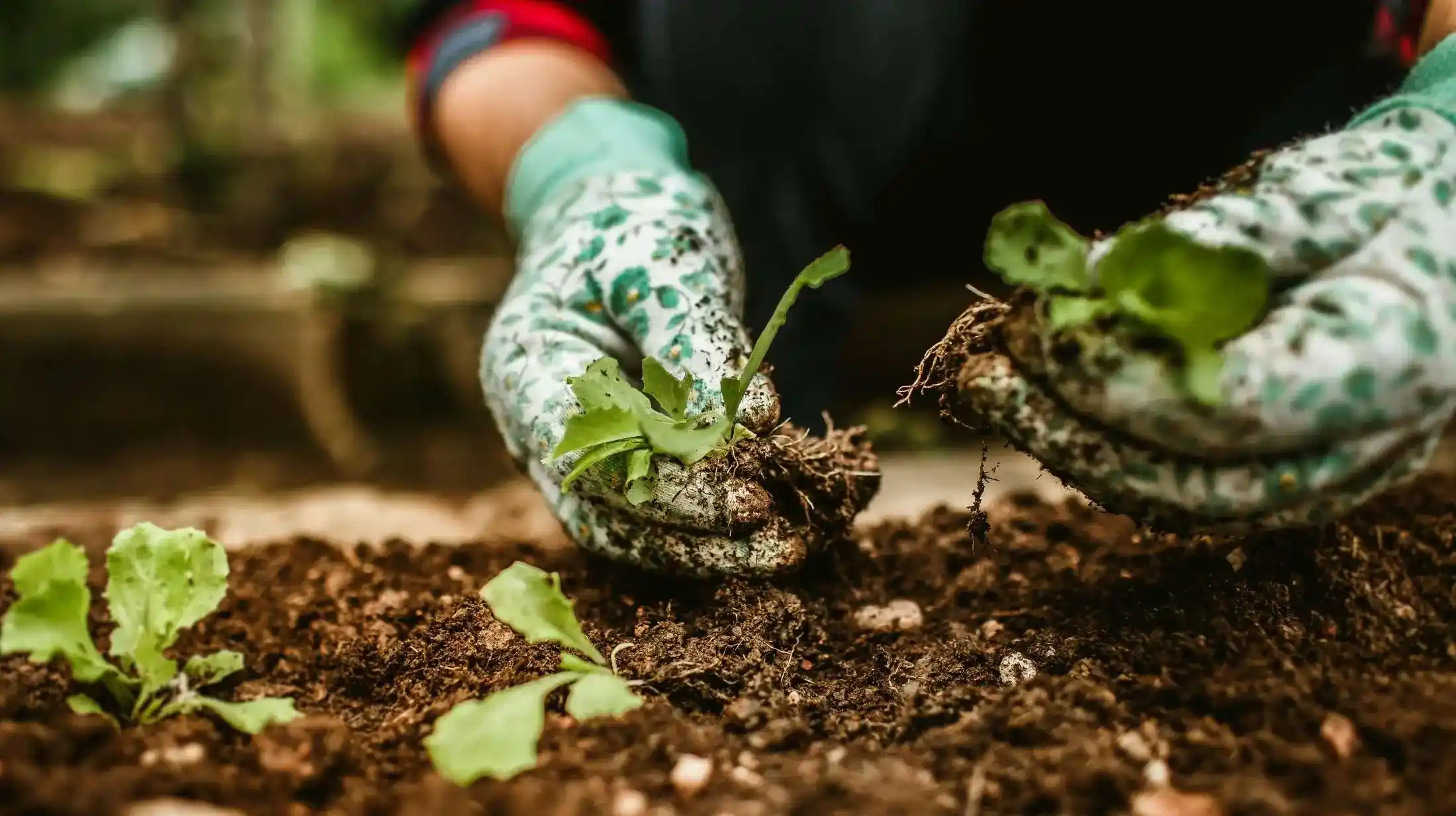
To get started, identify common invasive plants in your area. Some examples include kudzu, English ivy, Japanese knotweed, garlic mustard, and purple loosestrife. Research local guidelines to ensure you’re targeting the right species and using the proper removal techniques. For instance, some plants can be pulled out by hand, while others may require cutting or digging to remove their roots. Wear gloves and long sleeves to protect yourself from thorns, sap, or irritants, and bring tools like a trowel, pruners, or a trash bag to collect the removed plants.
Once you’ve removed the invasive plants, dispose of them responsibly. Many invasive species can regrow from cuttings or seeds, so avoid composting them unless you’re certain they won’t spread. Instead, bag them securely and dispose of them in the trash or follow local disposal guidelines. If possible, replace the invasive plants with native species
To provide proof of your completion, take a picture of the plants before you remove them, and then capture the moment when you dispose of them. After you are finished, you will upload your images and answer a few questions.
To receive credit, complete the submission form. Make sure to include images to show off your work and explain what you learned by completing this project.
Click the button below to submit your cleanup project and get your credit.


Membership Email:
Verification Status: