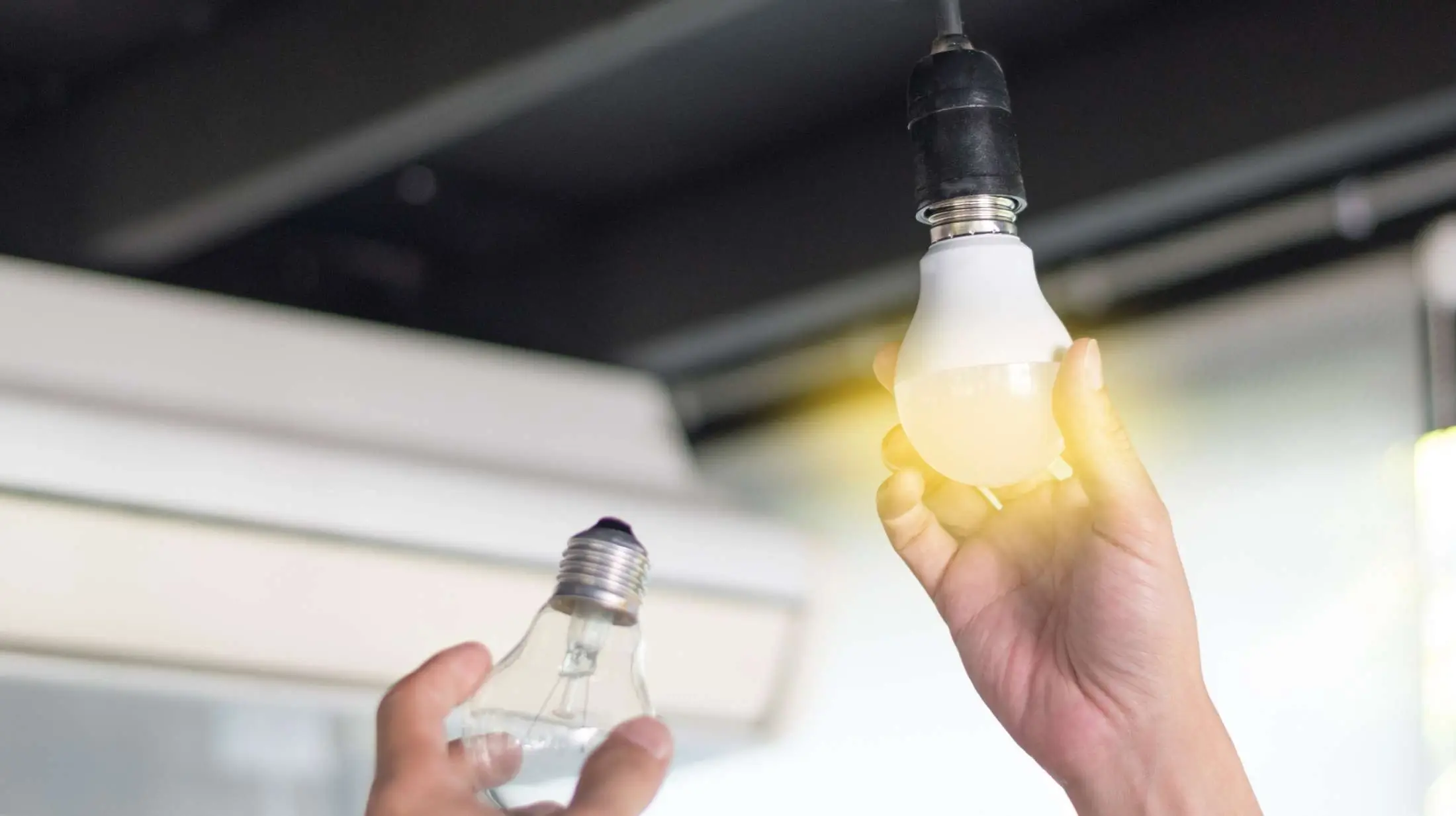
Replacing old bulbs with energy-efficient ones reduces electricity consumption, cuts carbon emissions, and saves money over time. Traditional incandescent bulbs consume significantly more energy and have a shorter lifespan compared to modern alternatives. By replacing them with LED (light-emitting diode) or CFL (compact fluorescent lamp) bulbs, you can cut energy use by up to 75% and reduce greenhouse gas emissions, all while enjoying longer-lasting lighting.
To get started, identify the light fixtures in your home that still use incandescent or older bulbs. Make a list of the wattages and types of bulbs you need to replace, such as standard bulbs, floodlights, or specialty bulbs for dimmers. When shopping for replacements, look for ENERGY STAR-certified LEDs or CFLs, as these meet strict energy efficiency standards. LEDs are particularly recommended because they are mercury-free, last up to 25 times longer than incandescent bulbs, and are available in a variety of brightness levels and color temperatures to suit your needs.
Before replacing any bulbs, make sure the fixtures are turned off and have cooled completely. Remove the old bulbs carefully and recycle them properly. Many hardware stores and recycling centers accept used bulbs, especially CFLs, which contain small amounts of mercury. After installing the new bulbs, you’ll notice immediate energy savings and improved lighting. This simple change reduces your environmental impact and supports a more sustainable future, one light bulb at a time.
To provide proof of your completion, take a picture of the light bulbs you’ve are changing, and then take a picture of your old light bulbs that you will recycle properly. After you are finished, you will upload your images and answer a few questions.
To receive credit, complete the submission form. Make sure to include images to show off your work and explain what you learned by completing this project.
Click the button below to submit your cleanup project and get your credit.


Membership Email:
Verification Status: