Collecting and recycling batteries is a simple yet impactful way to reduce toxic waste and protect the environment. Batteries, especially single-use and rechargeable ones, contain harmful chemicals like lead, mercury, and cadmium. When improperly disposed of, these chemicals can leach into the soil and water, causing significant environmental damage. By recycling batteries, you help prevent pollution, conserve valuable materials, and promote a more sustainable approach to waste management.
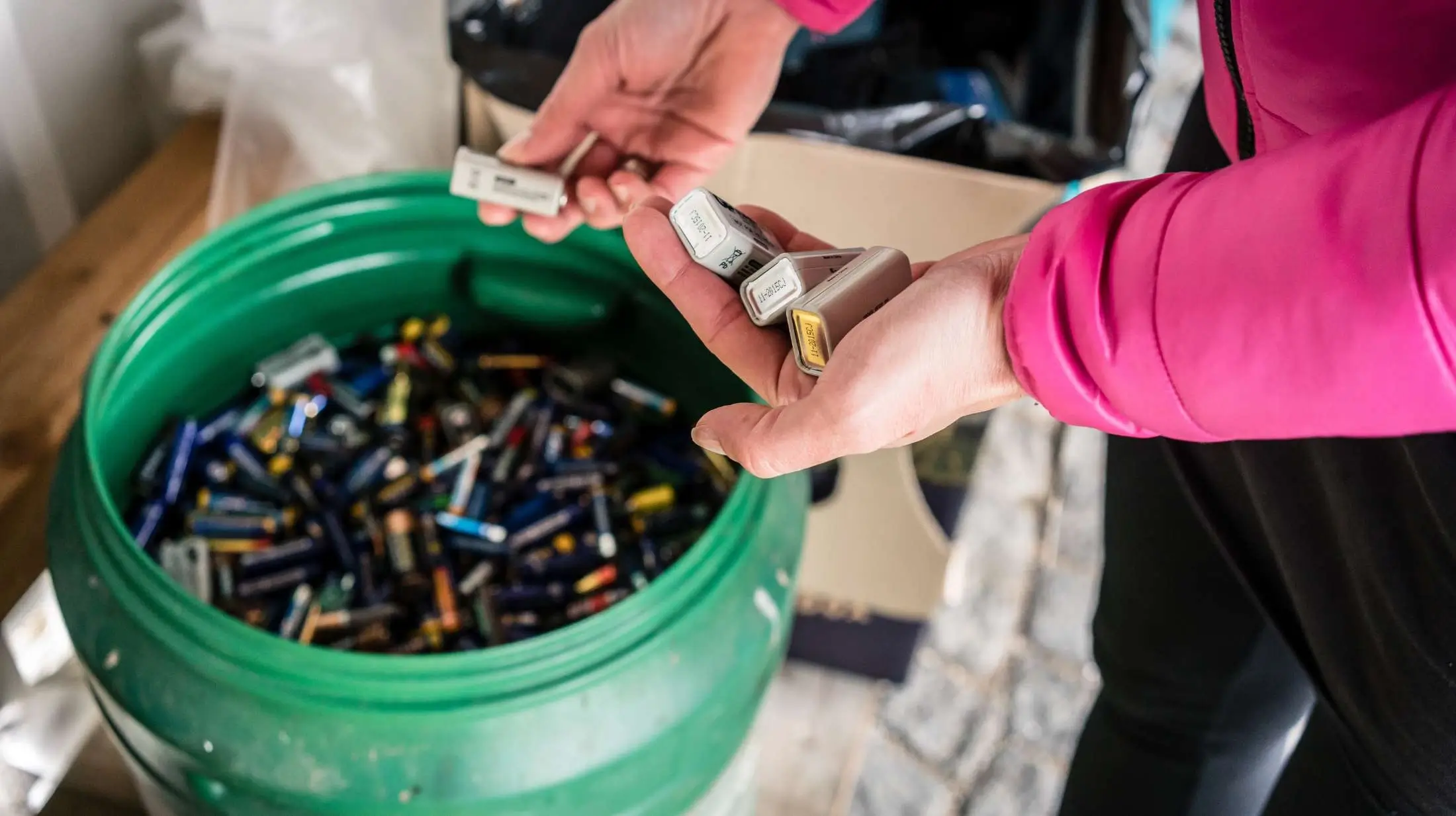
To get started, gather used batteries from your home, such as AA, AAA, or button cell batteries, as well as rechargeable ones from electronics. Check with local recycling centers, hardware stores, or community programs to find drop-off locations that accept batteries. Some retailers even have dedicated bins for battery recycling. If you want to expand your efforts, consider asking friends, family, or neighbors to contribute their used batteries, creating a small collection drive. Be sure to store the batteries in a safe container to prevent leaks or damage before recycling.
To provide proof of your completion, take a picture of the batteries you’ve collected before donating, and then capture the moment when you drop off the items at the recycling center or store. After you are finished, you will upload your images and answer a few questions.
To receive credit, complete the submission form. Make sure to include images to show off your work and explain what you learned by completing this project.
Click the button below to submit your cleanup project and get your credit.


Membership Email:
Verification Status: