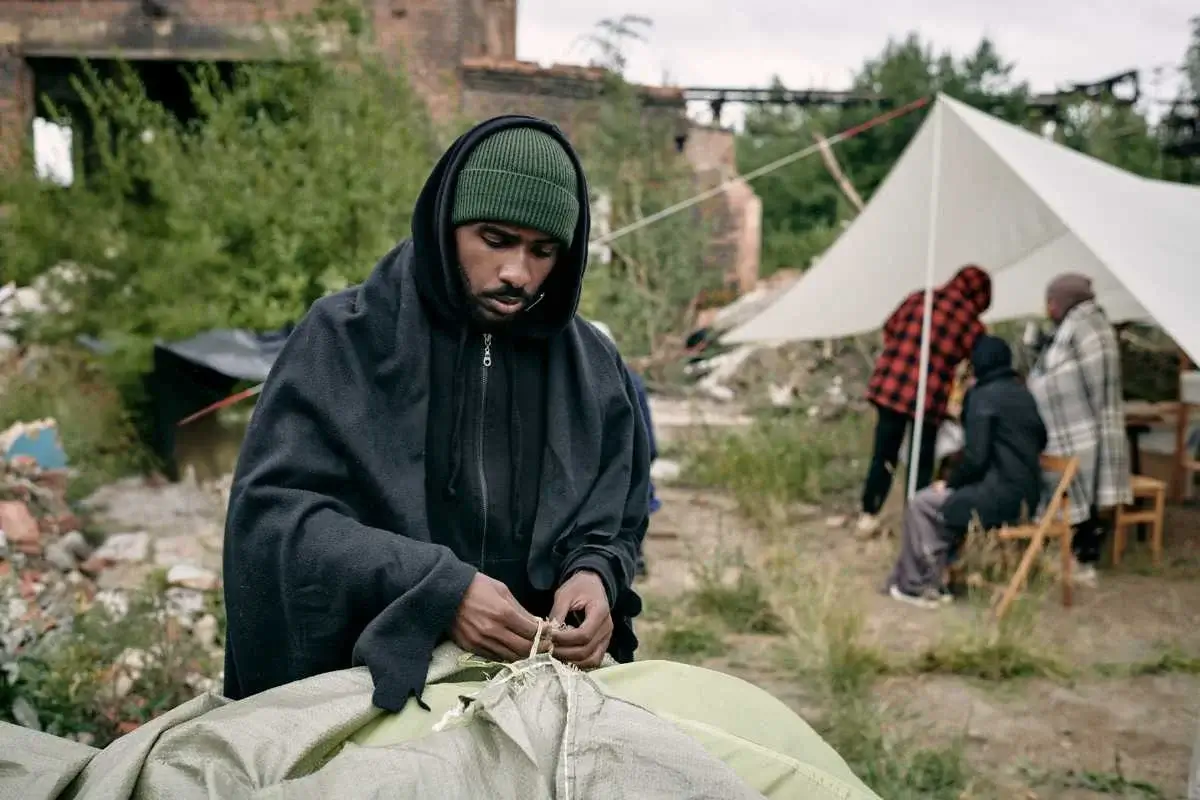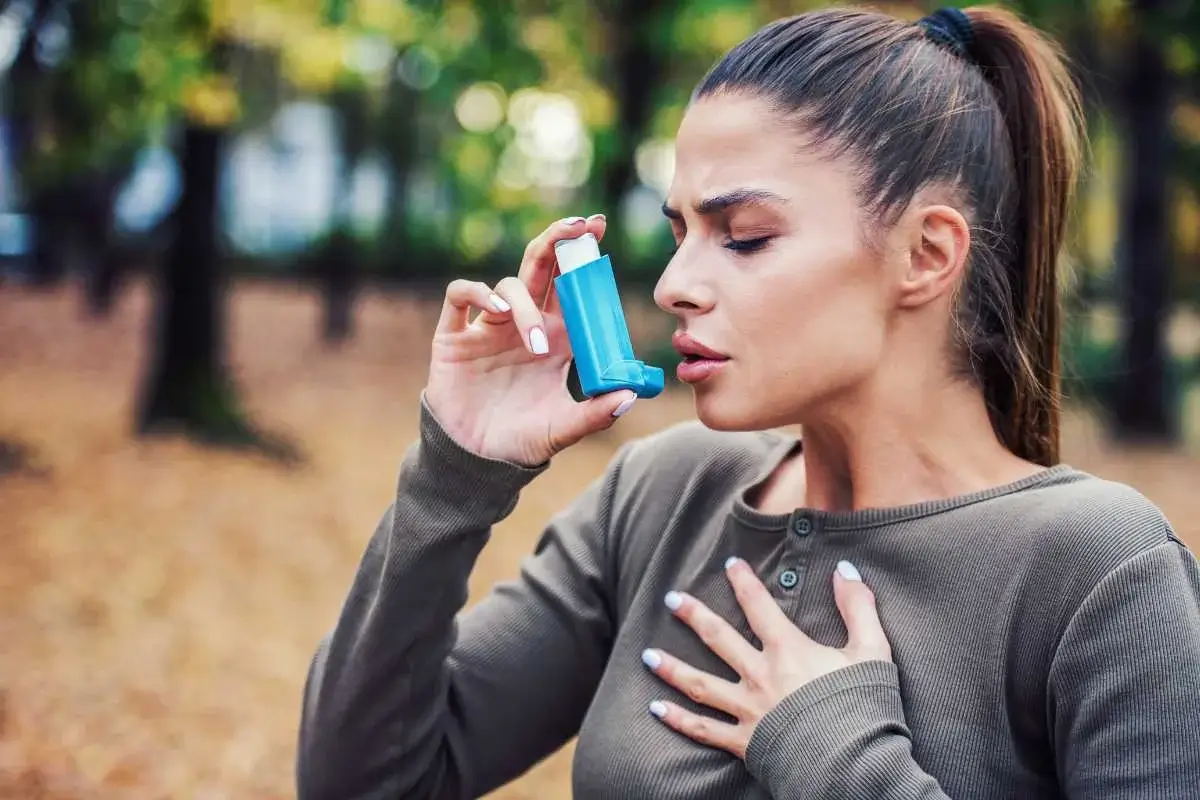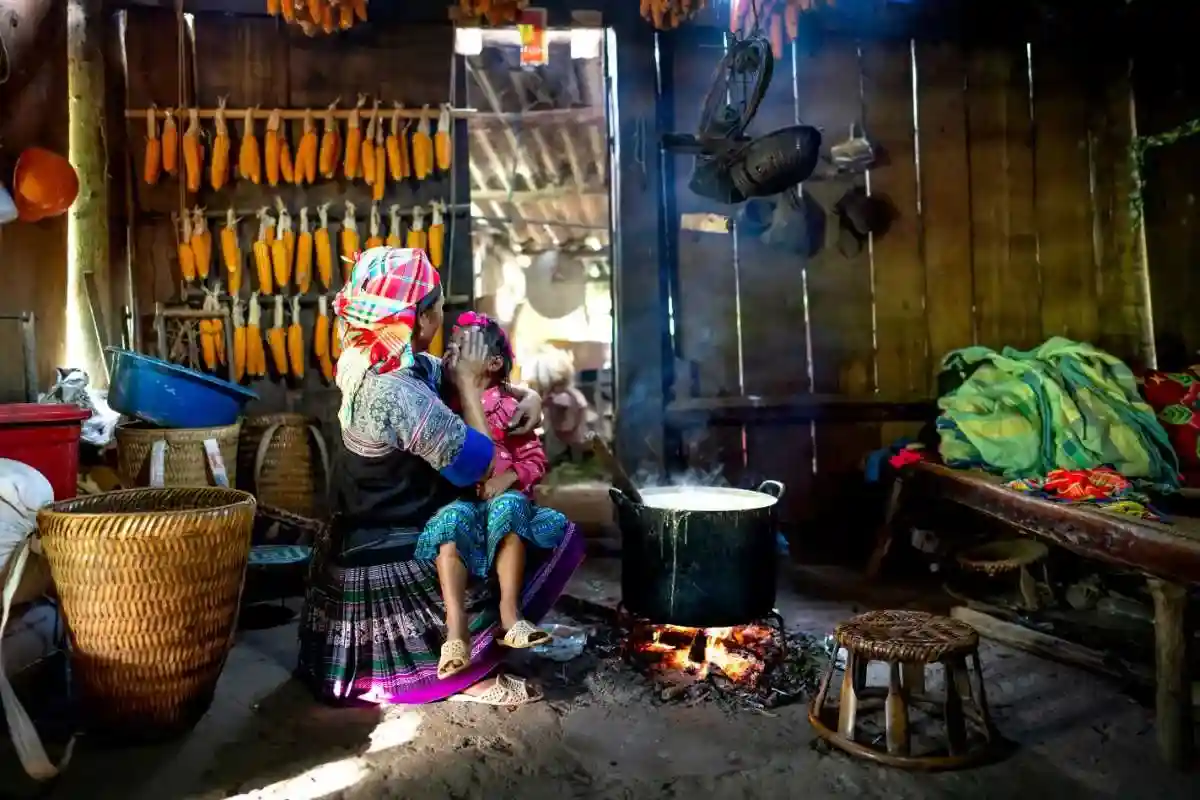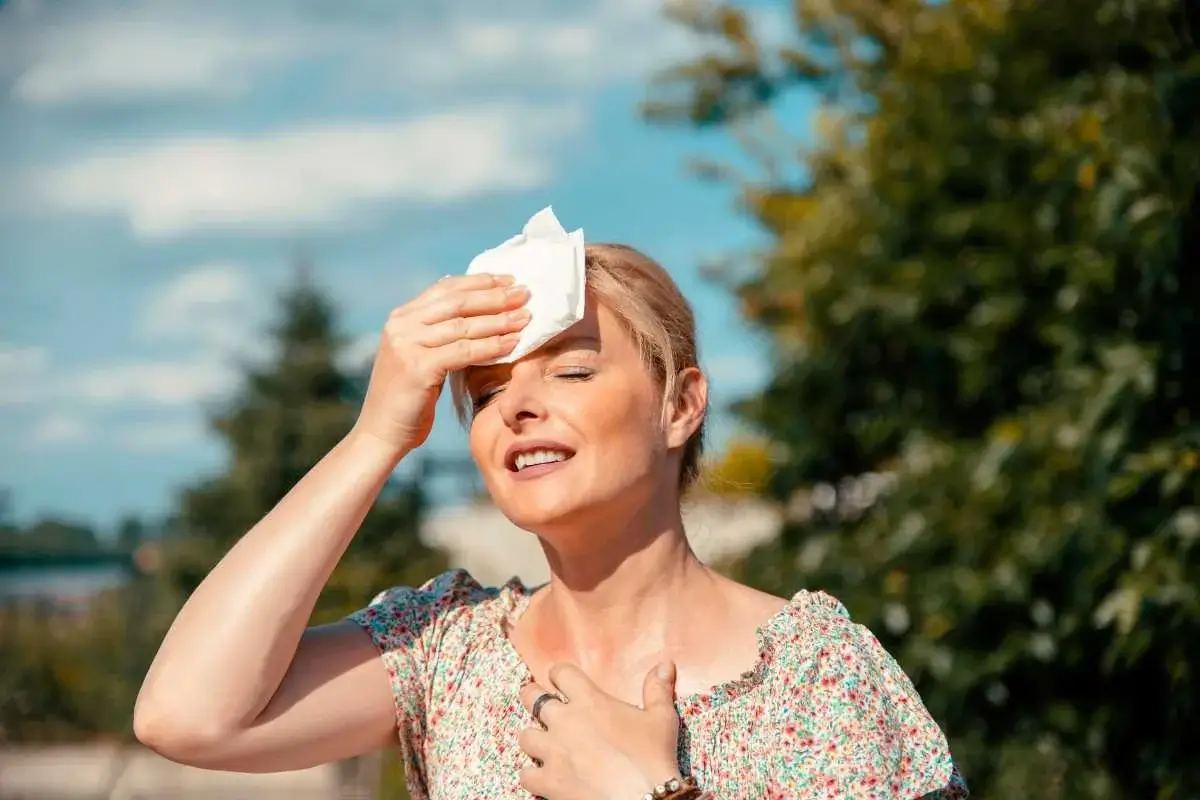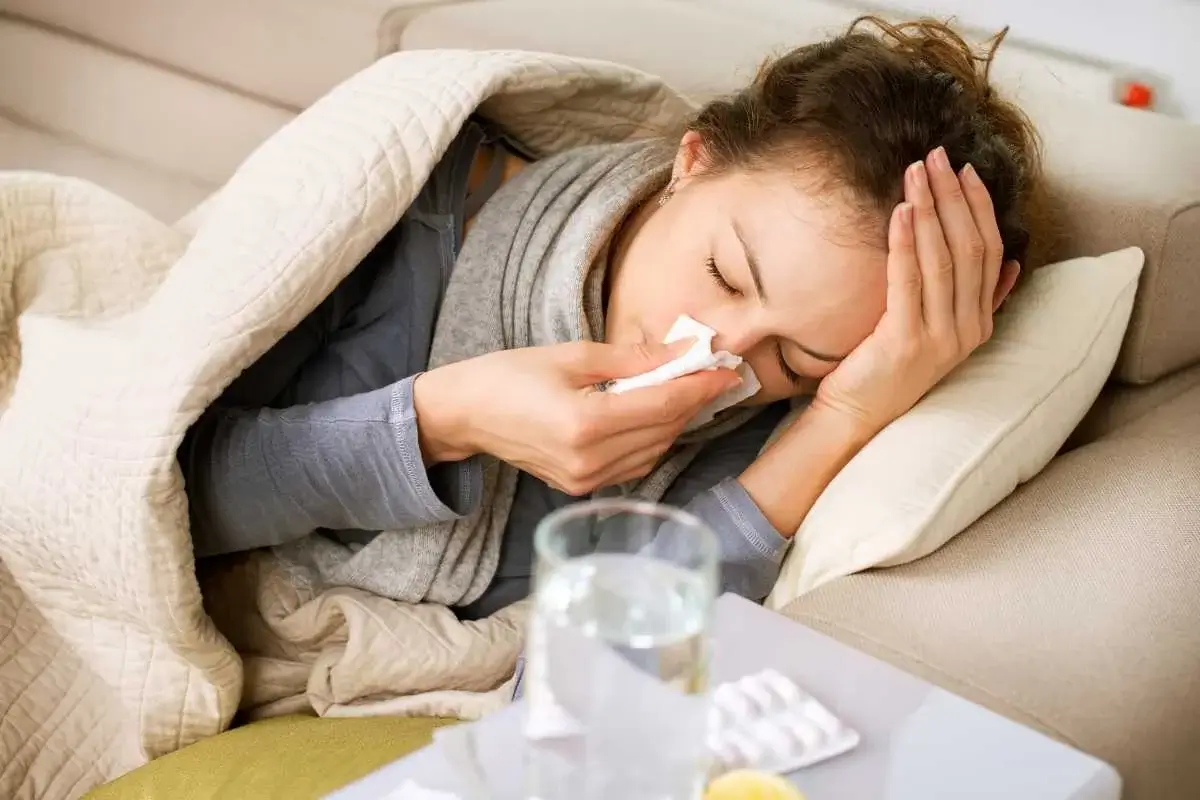
Climate change is one of the most significant challenges of our time, and its effects reach far beyond the environment. Rising temperatures, changing weather patterns, and more frequent extreme events are creating serious public health risks around the world. Prolonged heatwaves increase cases of heat exhaustion and dehydration, while poor air quality worsens respiratory and cardiovascular conditions. The spread of diseases carried by mosquitoes and other vectors, such as malaria and dengue fever, is expanding into new regions as climates shift. Water contamination, food insecurity, and mental health stress from disasters and displacement are also growing concerns. These issues highlight how closely human health is tied to the health of our planet.
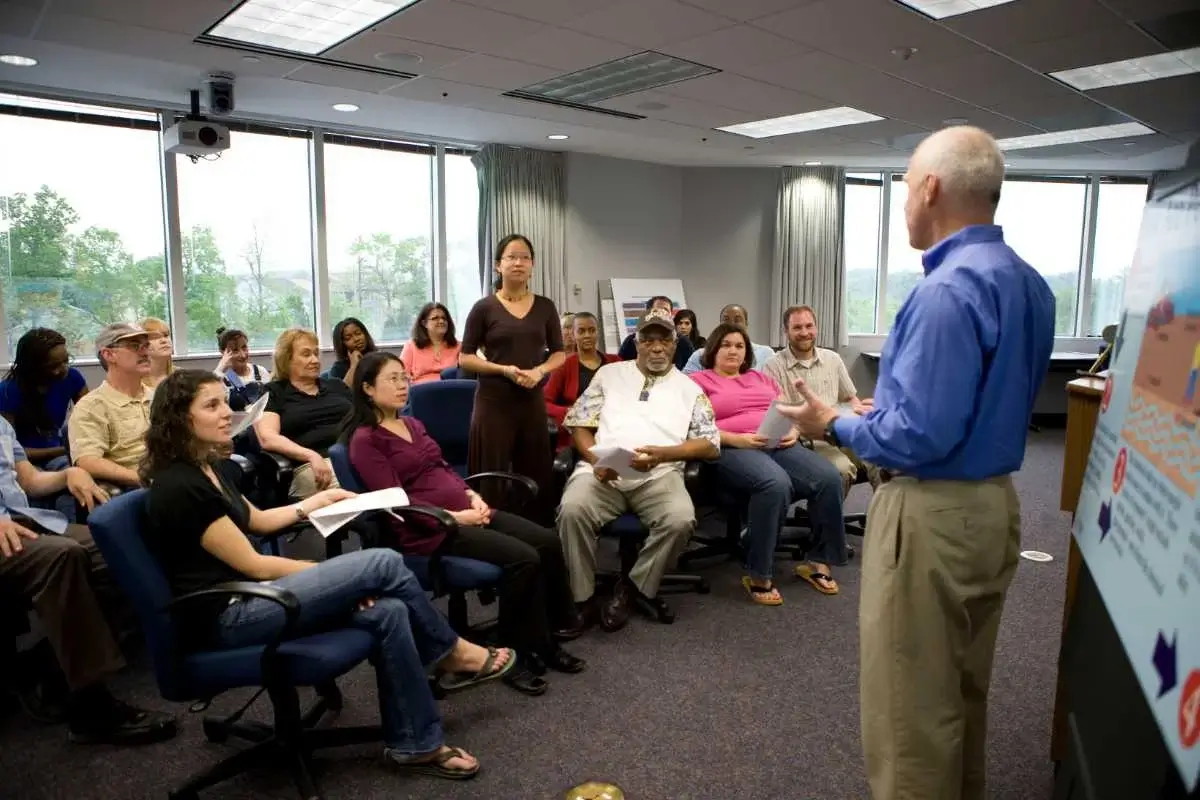
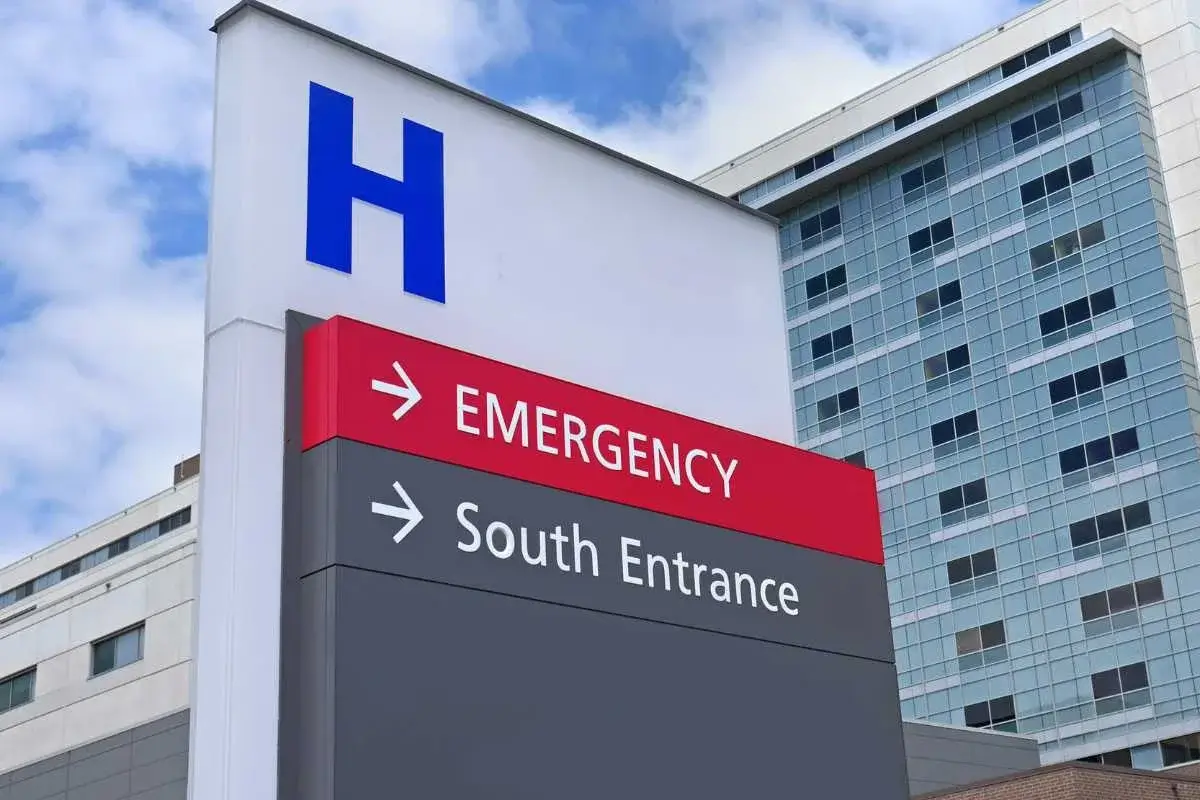
Adapting to these challenges requires strong public health systems and coordinated global action. Healthcare infrastructure must be equipped to handle the rising demand caused by climate-related illnesses. Governments can help by creating policies that reduce air pollution, improve sanitation, and protect vulnerable communities. Investing in early-warning systems for heatwaves, disease outbreaks, and natural disasters can save lives. Education is also key beacuse teaching people how to stay safe during extreme weather and how sustainable choices, like reducing emissions and conserving resources, can improve both environmental and public health.
The world can learn a great deal from regions already facing serious effects of climate change. Many communities are finding creative ways to protect public health and the environment. Some have opened cooling centers to help people stay safe during heatwaves, while others are planting trees and creating green spaces to improve air quality. Health programs that track environmental changes are helping doctors and policymakers respond more effectively to new challenges. To build a healthier and more sustainable future, countries must find ways to grow their economies while also protecting the planet.
How does climate change affect human health across different regions? What steps can healthcare systems take to prepare for and respond to climate-related illnesses? How can governments, scientists, and communities work together to protect vulnerable populations from pollution, heat, and disease? What lessons can be learned from places already facing severe health impacts due to climate change? How can individuals promote both personal well-being and environmental health through everyday actions?
Use the online submission form when sending your articles to help us track all of your submissions. Please try to write about the above topic. Your response should be at least 1,000 words.
To receive credit, your effort is what matters. You should find ways to contribute thoughtful ideas that will help others. Feel free to use personal stories or other information that you want to share, but do not use real names or other identifying information. You may write your response in the space provided or upload your response. Once we review your response, you will receive credit.
Click the button below to submit your article and get your credit.


Membership Email:
Verification Status: