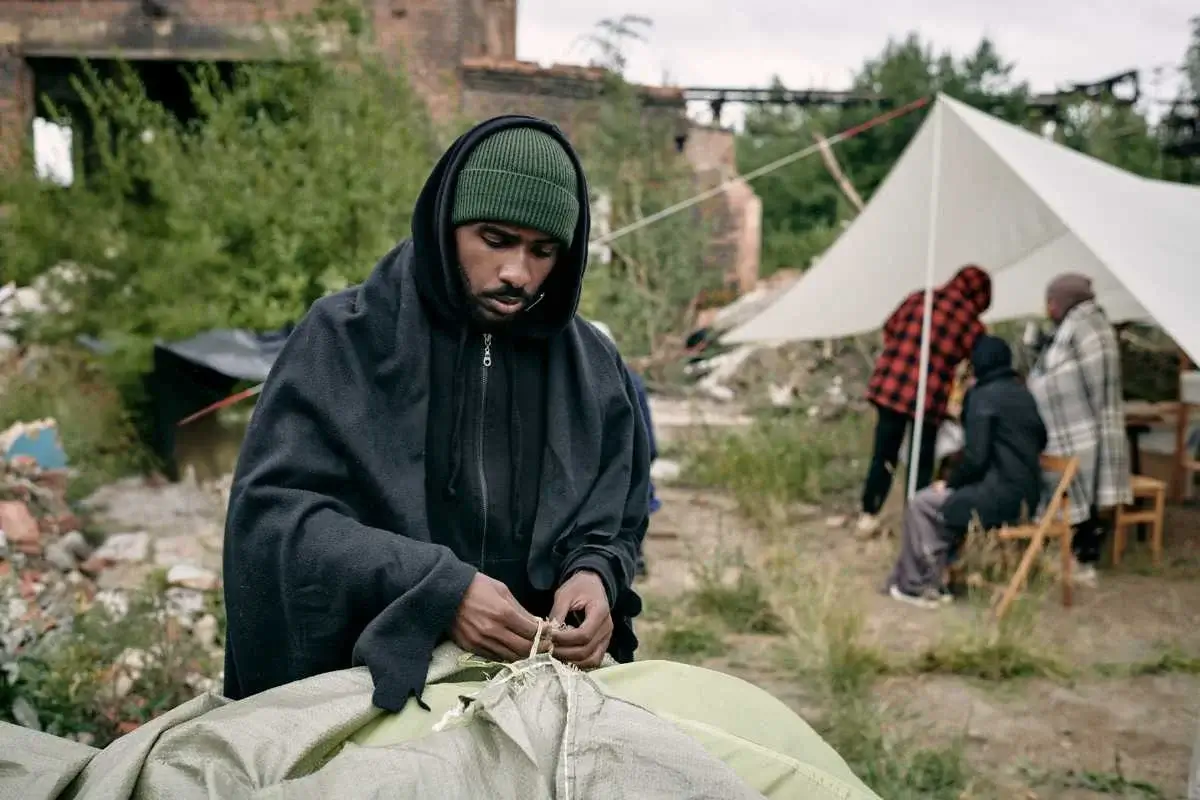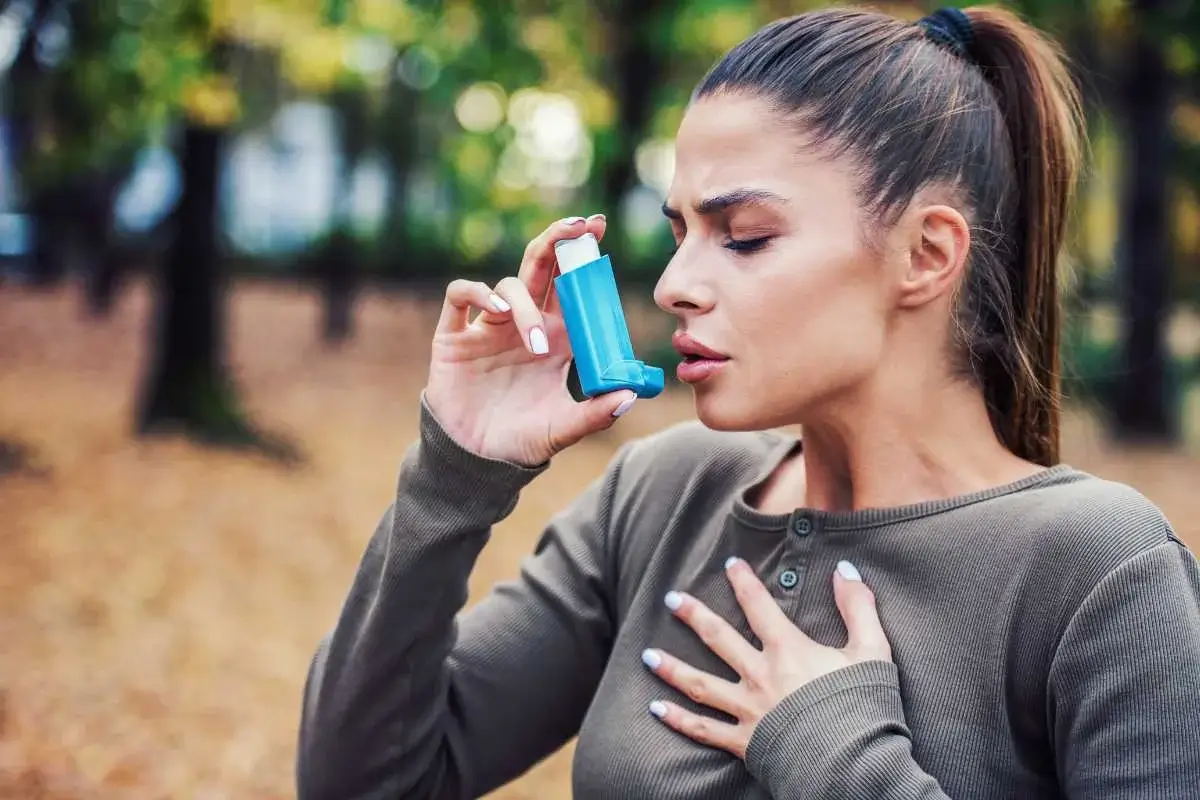
Climate change is not only an environmental issue but also a pressing public health concern. Rising temperatures, extreme weather events, and shifting ecosystems are affecting millions of people, but not all communities experience these impacts equally. Those already burdened by poverty, poor infrastructure, or limited access to healthcare often face the greatest risks. Heat-related illnesses, worsening air quality, water contamination, and food insecurity are just a few of the climate-driven threats that deepen existing health disparities around the world.
These inequities highlight the close connection between environmental sustainability and social justice. Climate-related health outcomes are shaped by systemic inequalities such as income, race, housing, and geography. In many regions, low-income and marginalized populations live in areas more prone to flooding, pollution, or extreme heat—conditions that can be life-threatening when public resources and healthcare systems are limited. Confronting these realities requires not only reducing emissions but also creating fair and inclusive solutions that protect the most vulnerable.
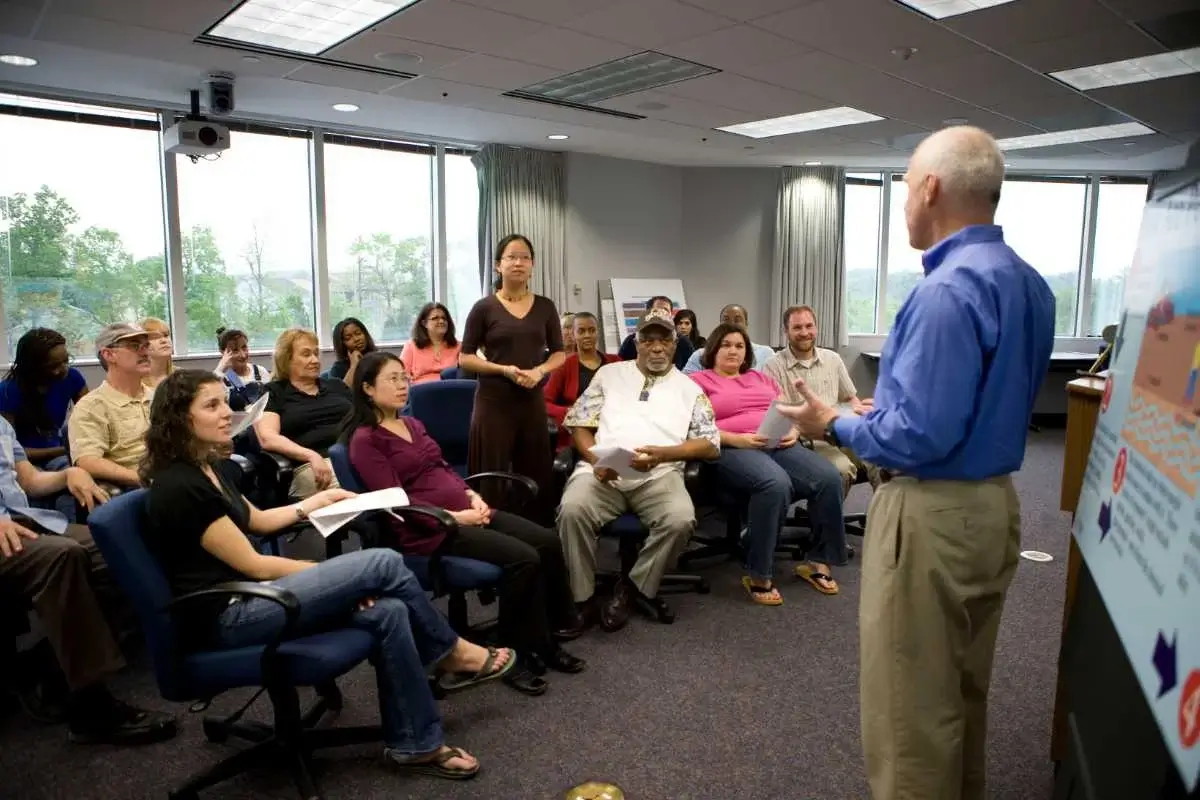
Governments, organizations, and communities play a vital role in bridging the gap between climate action and health equity. Policies that invest in resilient infrastructure, expand access to healthcare, and promote clean air and water are essential for building long-term protection. Local initiatives, such as community cooling centers, urban greening projects, and disaster-preparedness programs, demonstrate how targeted interventions can save lives and reduce inequality. Collaboration across sectors ensures that climate strategies prioritize health outcomes alongside environmental goals.
Education and public awareness are equally important in driving equitable climate action. By highlighting how health and climate are interconnected, schools, advocacy groups, and healthcare professionals can inspire community engagement and policy change. Amplifying the voices of those most affected through storytelling, research, and public dialogue can help shape more compassionate and effective responses to the crisis. Understanding personal and community experiences gives the issue human meaning, reminding us that climate justice begins with health justice.
How can efforts to combat climate change be designed to simultaneously reduce health disparities? What role can governments, organizations, and individuals play in creating equitable policies and practices? How do systemic inequalities, such as poverty or access to healthcare, shape communities’ vulnerability to climate-related health challenges? What solutions have shown promise for building resilience in underserved populations, and how can they be scaled up? Think of people or communities directly impacted by climate change and health inequities. How have such experiences shaped public awareness or policy responses? What lessons can be drawn from their stories?
Use the online submission form when sending your articles to help us track all of your submissions. Please try to write about the above topic. Your response should be at least 1,000 words.
To receive credit, your effort is what matters. You should find ways to contribute thoughtful ideas that will help others. Feel free to use personal stories or other information that you want to share, but do not use real names or other identifying information. You may write your response in the space provided or upload your response. Once we review your response, you will receive credit.
Click the button below to submit your article and get your credit.


Membership Email:
Verification Status: