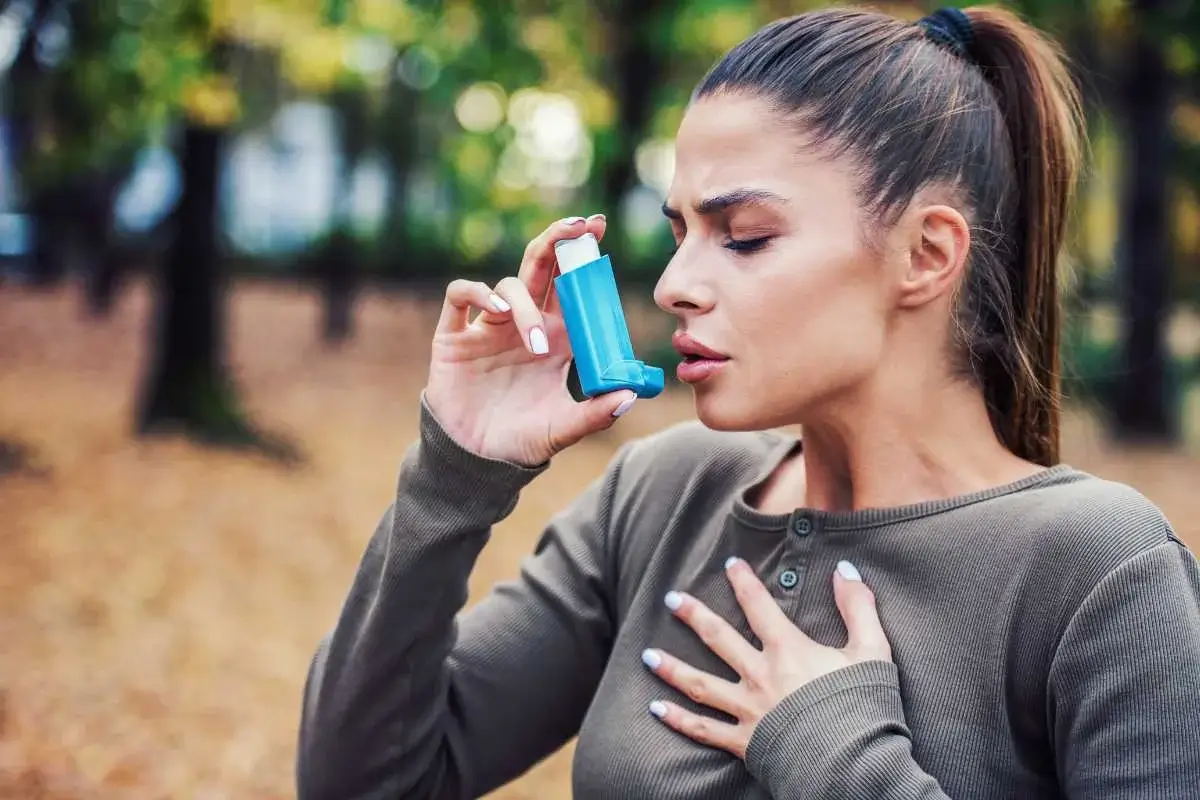
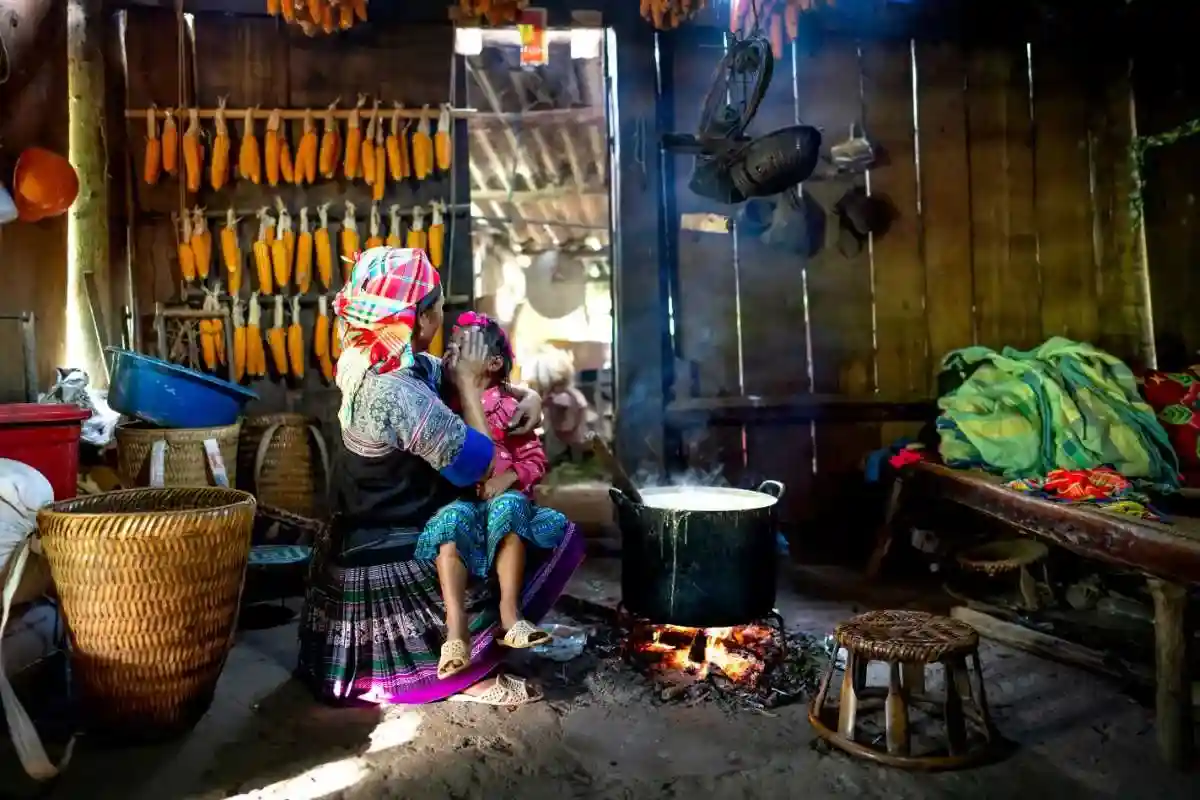
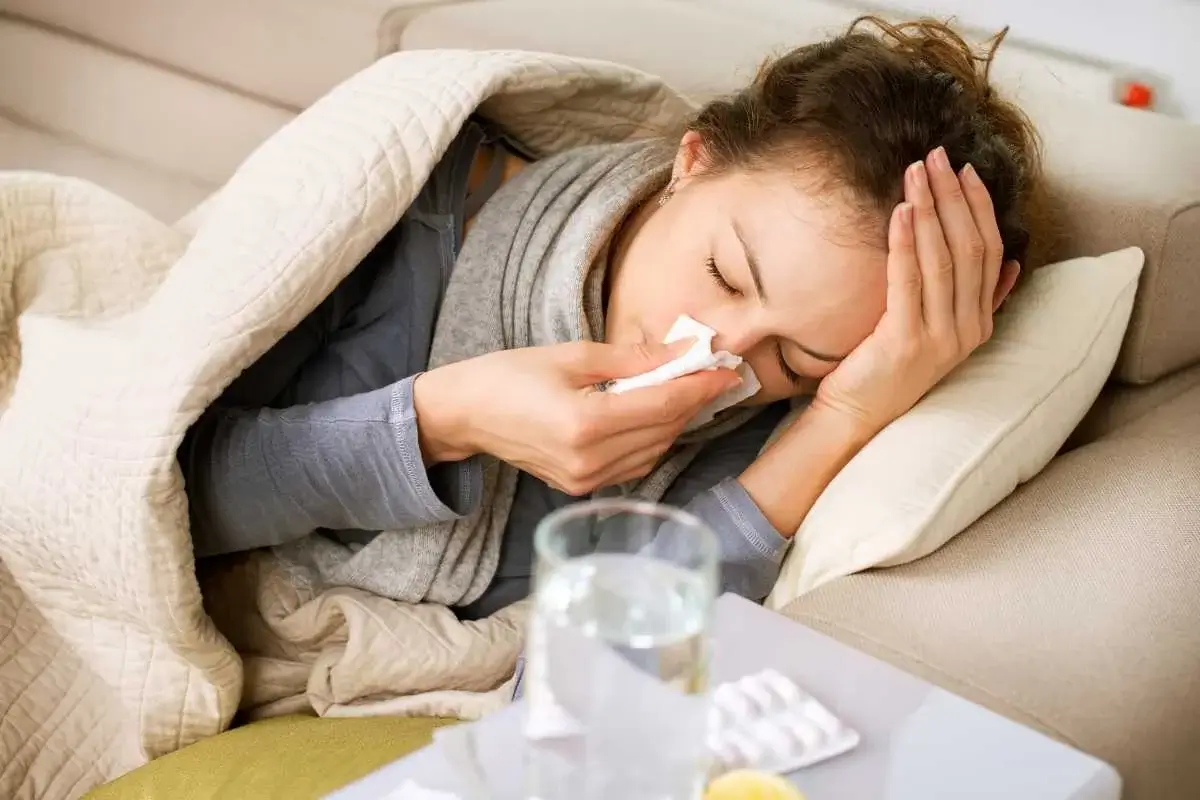
Climate change is reshaping the world in ways that directly affect human health, especially our ability to breathe clean air. As global temperatures rise, air pollution worsens, and allergens become more widespread. These changes contribute to an increase in respiratory illnesses such as asthma, bronchitis, and chronic obstructive pulmonary disease (COPD). Fine particulate matter from vehicle emissions, industrial activity, and the burning of fossil fuels lingers in the atmosphere, damaging lung tissue and reducing overall respiratory function. Meanwhile, longer pollen seasons and higher concentrations of airborne allergens trigger more frequent and severe allergic reactions.
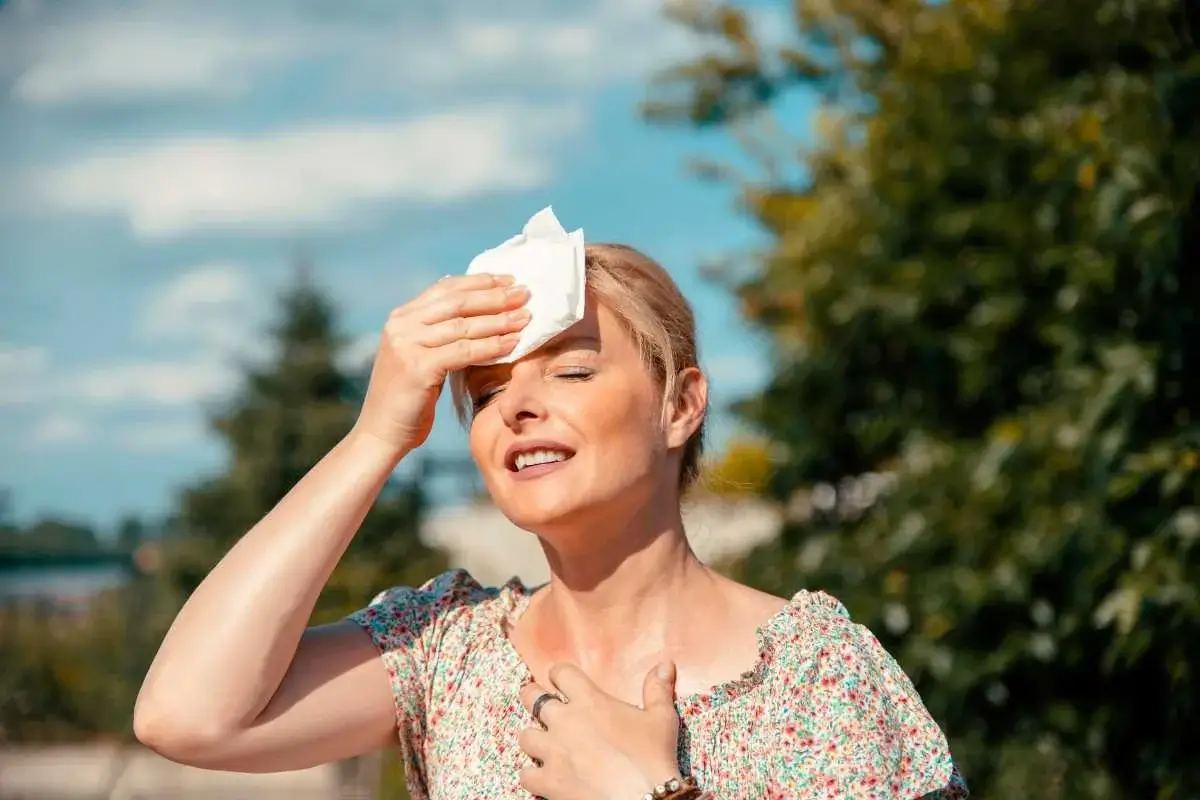
Extreme weather events compound these problems. Wildfires release massive amounts of smoke and particulate matter that can travel hundreds of miles, exposing millions of people to harmful pollutants. Heat waves intensify ground-level ozone formation, which aggravates respiratory conditions and places additional stress on vulnerable populations, including children, the elderly, and those with preexisting health conditions. For many communities, poor air quality has become a year-round concern, highlighting the urgent need for both immediate action and long-term adaptation.
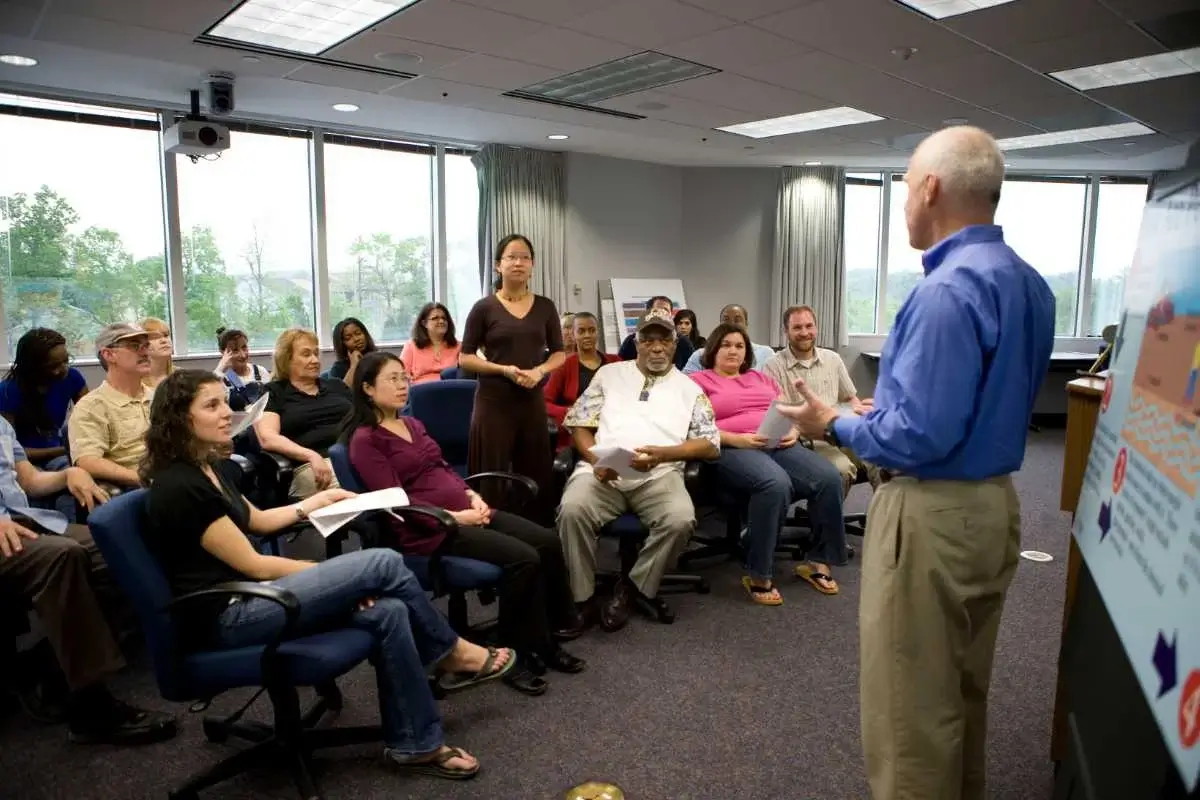
Healthcare systems must evolve to meet these growing challenges. This can include integrating air quality alerts into medical guidance, expanding access to respiratory care, and training healthcare professionals to recognize climate-related health risks. Policymakers can also make a significant difference by reducing greenhouse gas emissions, regulating air pollutants, and supporting green infrastructure that improves air quality. On a community level, creating cleaner transportation systems, planting urban trees, and promoting renewable energy all contribute to healthier air.
Individuals can take meaningful steps to protect themselves as well. Using air purifiers, monitoring daily air quality reports, and avoiding outdoor activity on high-pollution days can help reduce exposure. Advocating for cleaner energy policies, reducing personal carbon footprints, and supporting local sustainability initiatives are equally important for collective progress. Each action, no matter how small, contributes to a healthier atmosphere and a more resilient society.
How does climate change contribute to the rise in respiratory illnesses around the world? What steps can healthcare systems and policymakers take to protect public health from poor air quality and other climate-related risks? How can communities strengthen their ability to respond to these challenges? Finally, what can individuals do in their daily lives to reduce exposure and promote cleaner air for everyone?
Use the online submission form when sending your articles to help us track all of your submissions. Please try to write about the above topic. Your response should be at least 1,000 words.
To receive credit, your effort is what matters. You should find ways to contribute thoughtful ideas that will help others. Feel free to use personal stories or other information that you want to share, but do not use real names or other identifying information. You may write your response in the space provided or upload your response. Once we review your response, you will receive credit.
Click the button below to submit your article and get your credit.


Membership Email:
Verification Status: