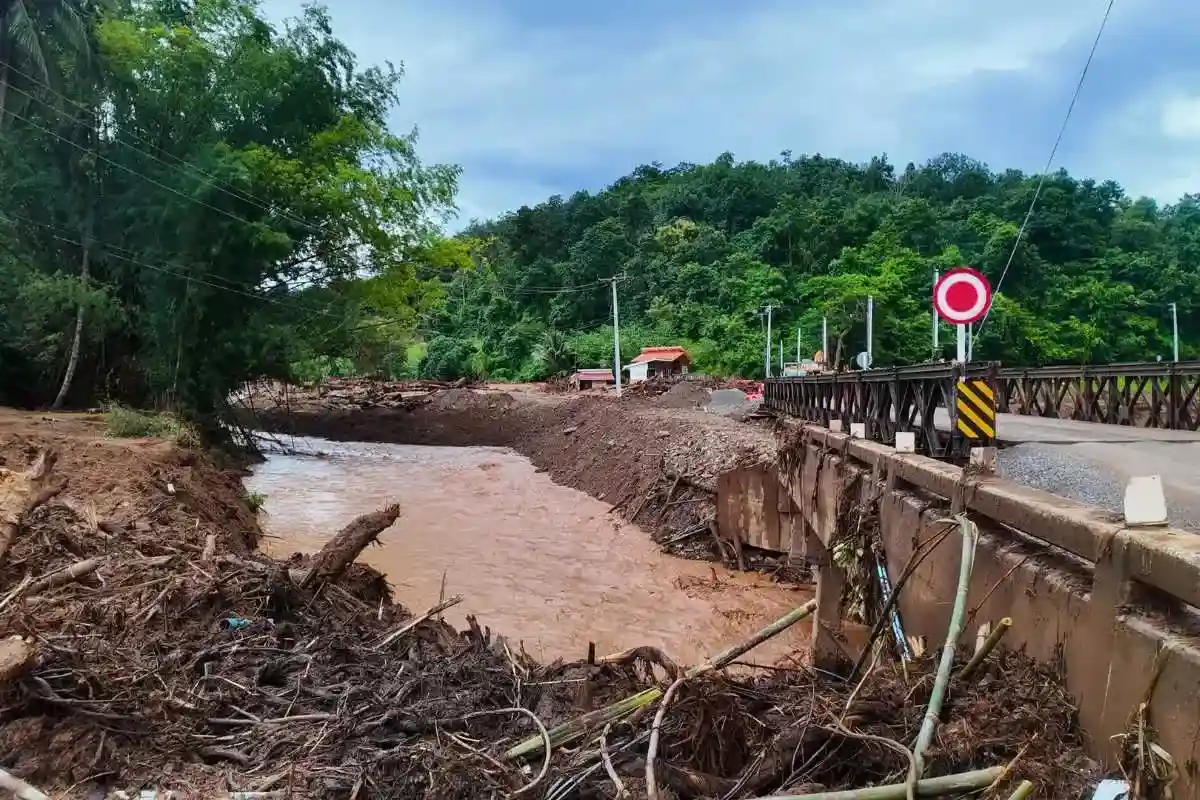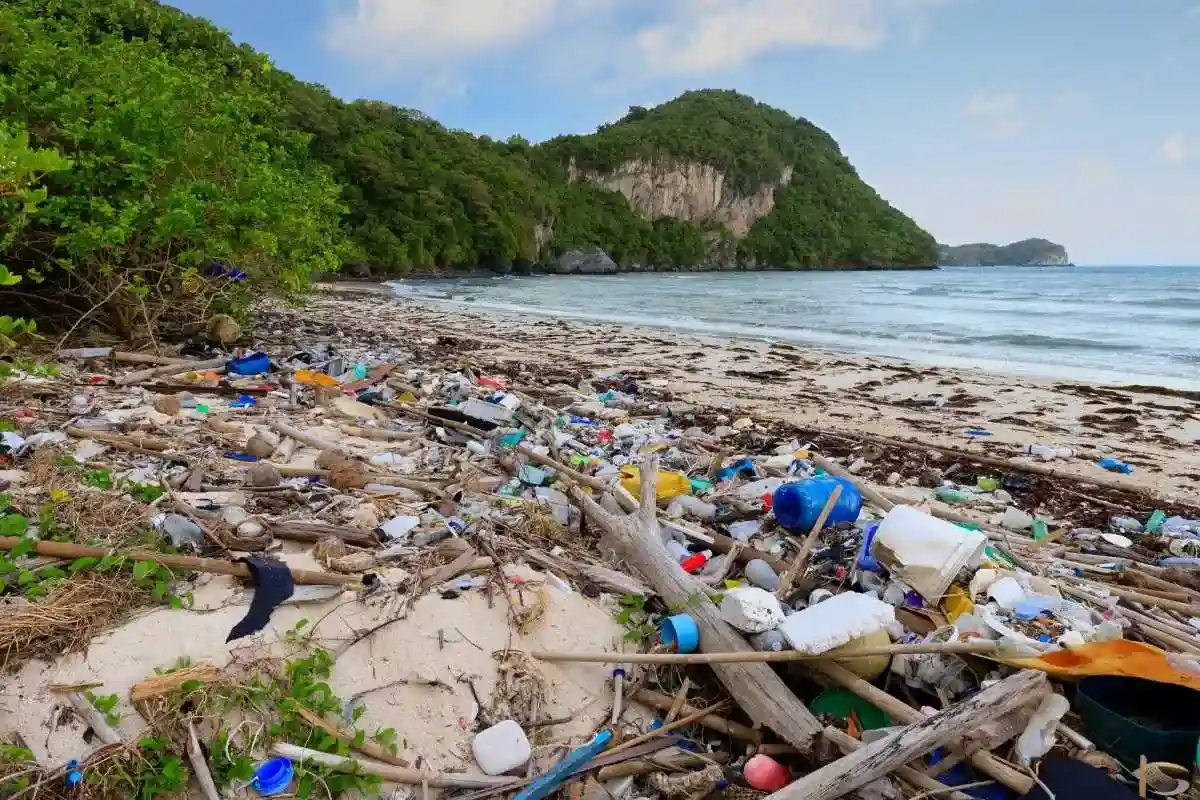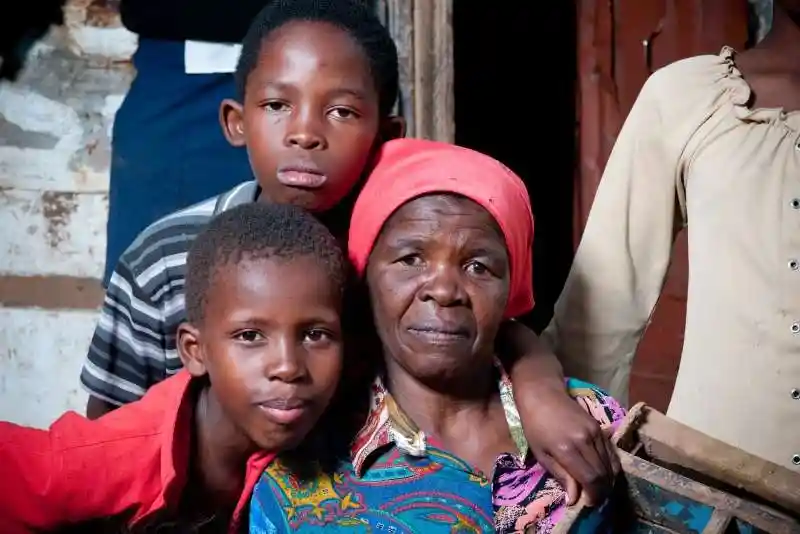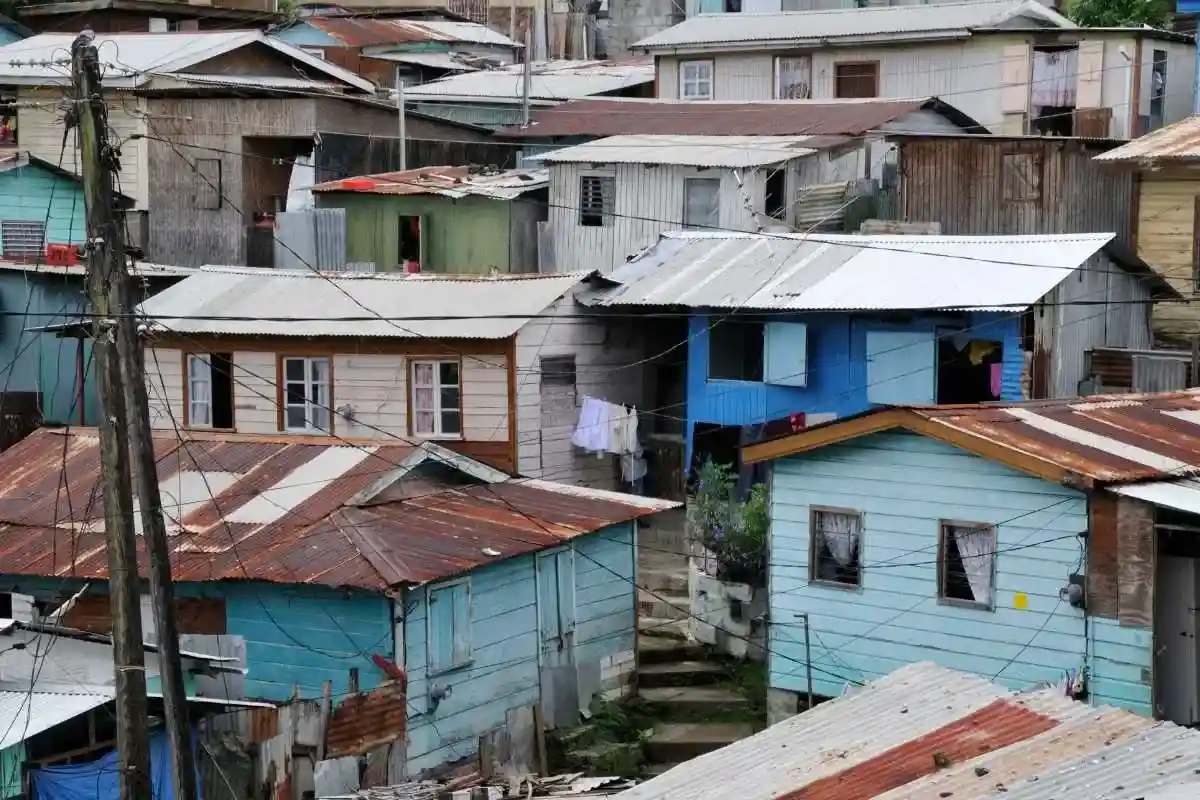
Climate change is placing an enormous financial burden on countries and communities around the world. Rising temperatures, stronger storms, and environmental degradation are damaging infrastructure, disrupting food supplies, and straining global economies. Yet, those who contribute the least to climate change are often the ones who suffer the most. Low-income and developing nations face devastating floods, droughts, and crop failures, while lacking the financial resources to recover. Addressing this inequality is not only an economic challenge but also a moral responsibility that requires fairness, cooperation, and shared global action.
International agreements and climate finance systems are essential for ensuring that the costs of climate change are distributed more equitably. Wealthier nations, which have contributed most to historical emissions, have a responsibility to support those most affected by the crisis. This support can take the form of funding for clean energy projects, disaster recovery, and adaptation strategies that strengthen local economies. Effective climate finance requires transparency, accountability, and innovation to make sure that aid reaches the communities that need it most.
Solving this challenge will depend on global partnerships and a commitment to justice. By working together, nations can create a sustainable system that protects vulnerable populations and builds resilience for future generations. Climate change is a global problem, and it demands a shared solution that is grounded in fairness, empathy, and collective responsibility.
Who should bear the financial responsibility for addressing climate change? How can wealthy nations and international organizations support developing countries in adapting to environmental challenges? What would a fair and transparent climate finance system look like? How can global cooperation ensure that no community is left to face the costs of climate change alone?
Use the online submission form when sending your articles to help us track all of your submissions. Please try to write about the above topic. Your response should be at least 1,000 words.
To receive credit, your effort is what matters. You should find ways to contribute thoughtful ideas that will help others. Feel free to use personal stories or other information that you want to share, but do not use real names or other identifying information. You may write your response in the space provided or upload your response. Once we review your response, you will receive credit.
Click the button below to submit your article and get your credit.


Membership Email:
Verification Status: