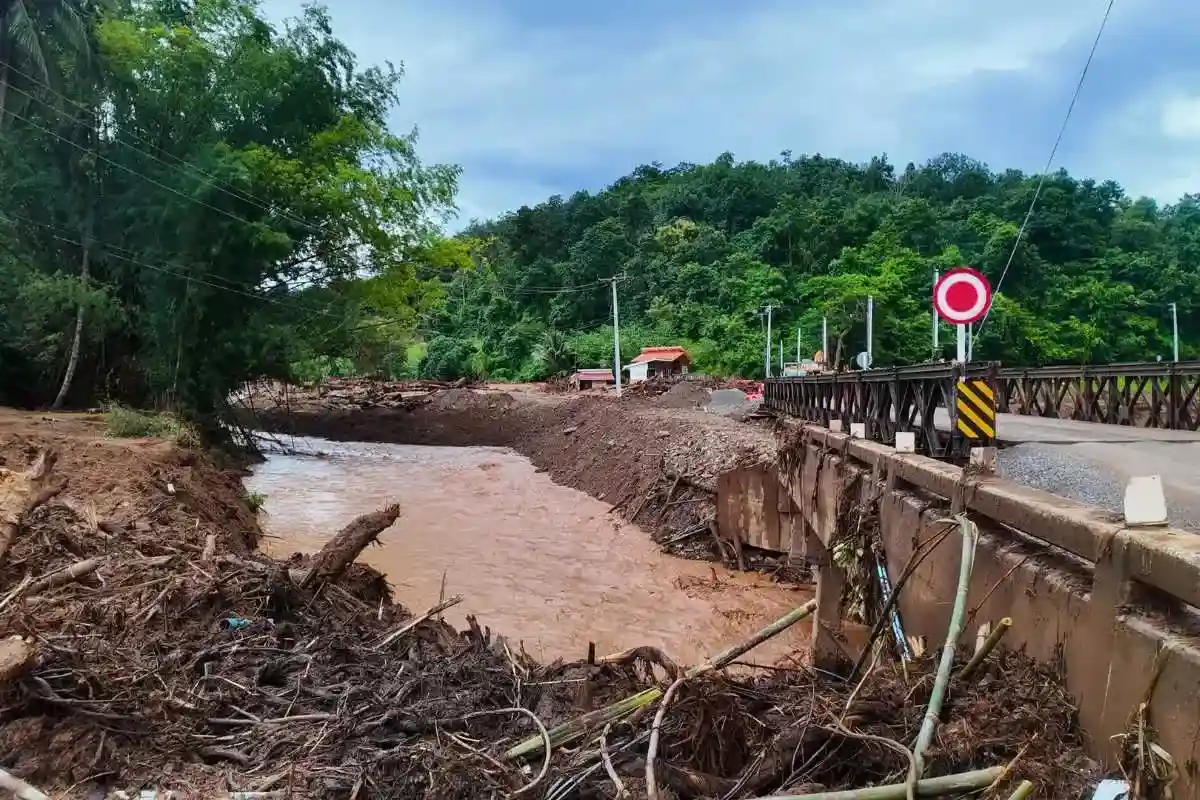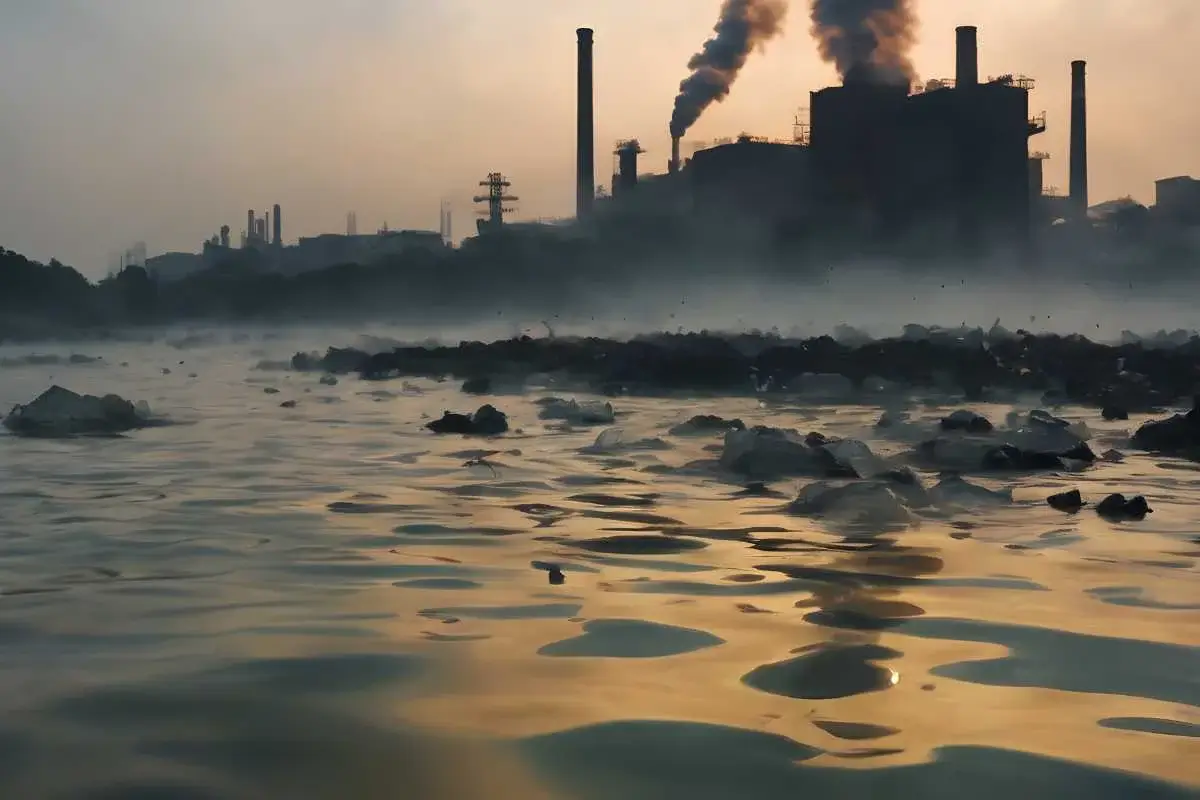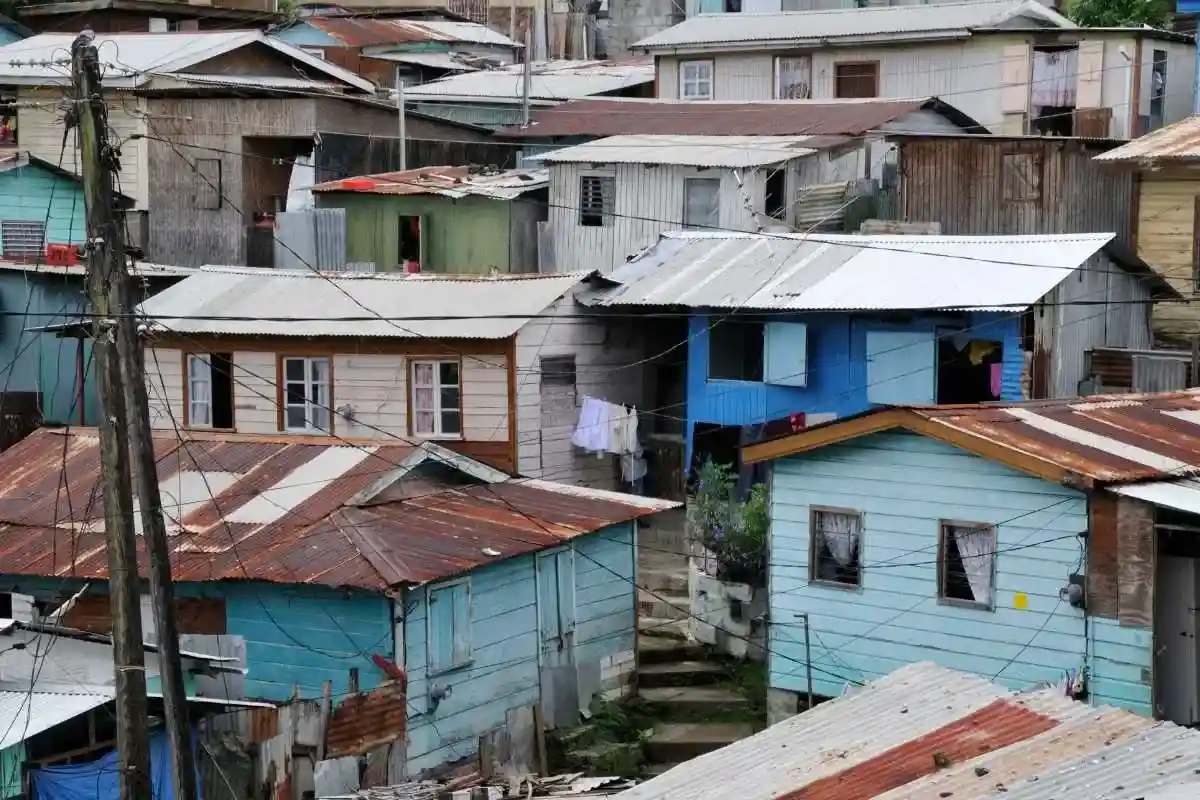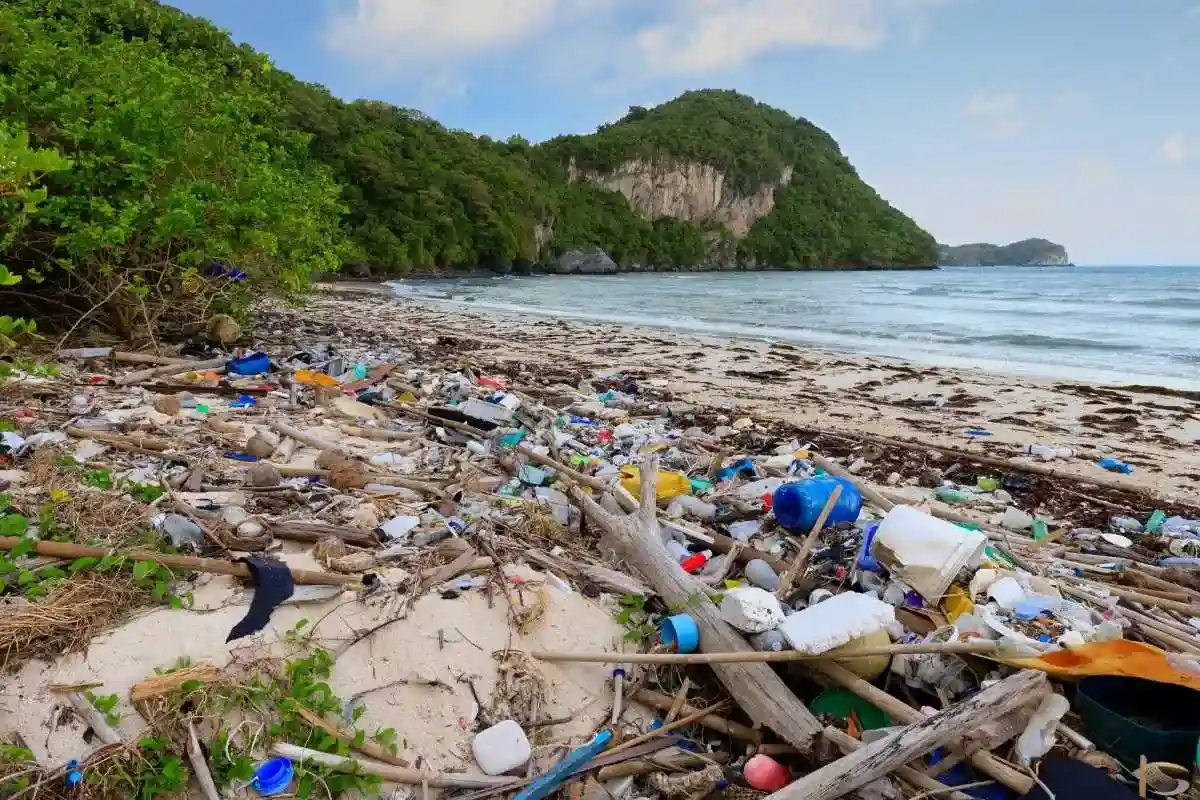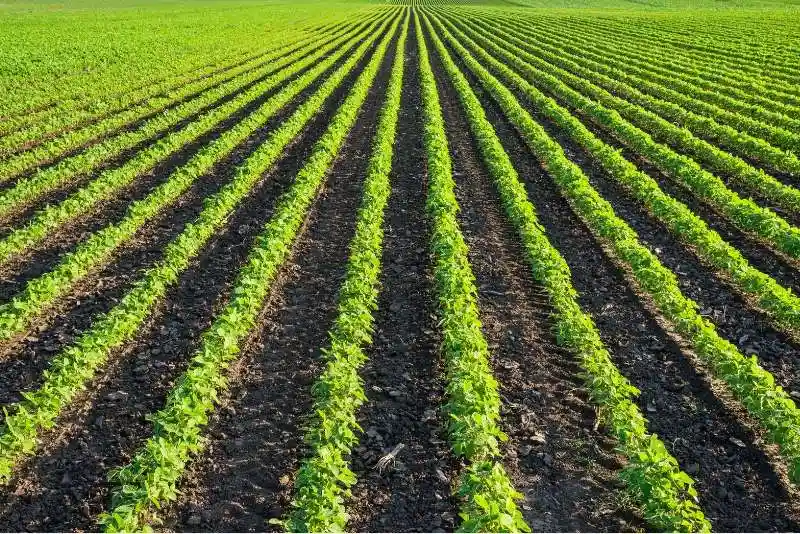
Extreme weather events are reshaping the global economy, revealing how deeply interconnected environmental stability and financial systems have become. From devastating floods and droughts to wildfires and hurricanes, the economic consequences of these events reach far beyond the regions directly affected. Agricultural production declines when crops fail due to drought or flooding, energy systems face disruptions from storms, and damaged infrastructure creates costly repair demands. These events not only strain local economies but also ripple through global supply chains, increasing prices and threatening economic stability worldwide.
Governments, industries, and financial institutions all play key roles in addressing these challenges. Governments can invest in climate-resilient infrastructure, improve early warning systems, and enforce policies that encourage sustainable practices. Businesses can prioritize renewable energy, adopt circular production models, and strengthen supply chain resilience to minimize losses from extreme weather. Financial institutions can support this transition by funding green technologies, offering climate risk insurance, and promoting sustainable investment portfolios. These collective actions are critical to reducing vulnerability and ensuring that economies remain strong in the face of escalating climate risks.
The long-term economic implications of climate change extend beyond immediate damages. Shifts in global temperatures affect trade patterns, labor productivity, and access to natural resources like water and fertile land. Countries that rely heavily on agriculture or coastal industries are especially at risk, facing rising costs of adaptation and recovery. The cost of inaction, however, far outweighs the investment needed for mitigation and adaptation. Without decisive measures, climate-related disasters could reduce global GDP by trillions of dollars in the coming decades.
To address these growing risks, international cooperation is essential. Wealthier nations can help finance adaptation projects in developing countries, supporting global stability while promoting shared prosperity. Sustainable investments, equitable funding mechanisms, and knowledge-sharing can strengthen resilience across borders. Building a climate-smart economy requires a unified global effort that values long-term sustainability over short-term gain.
How do extreme weather events disrupt industries such as agriculture, energy, and infrastructure? What strategies can governments and businesses adopt to reduce these risks and strengthen resilience? How can financial institutions encourage investments that promote sustainability and minimize climate-related economic losses? What are the long-term costs of inaction compared to proactive adaptation, and how can global cooperation ensure a stable and equitable response to the economic challenges of climate change?
Use the online submission form when sending your articles to help us track all of your submissions. Please try to write about the above topic. Your response should be at least 1,000 words.
To receive credit, your effort is what matters. You should find ways to contribute thoughtful ideas that will help others. Feel free to use personal stories or other information that you want to share, but do not use real names or other identifying information. You may write your response in the space provided or upload your response. Once we review your response, you will receive credit.
Click the button below to submit your article and get your credit.


Membership Email:
Verification Status: