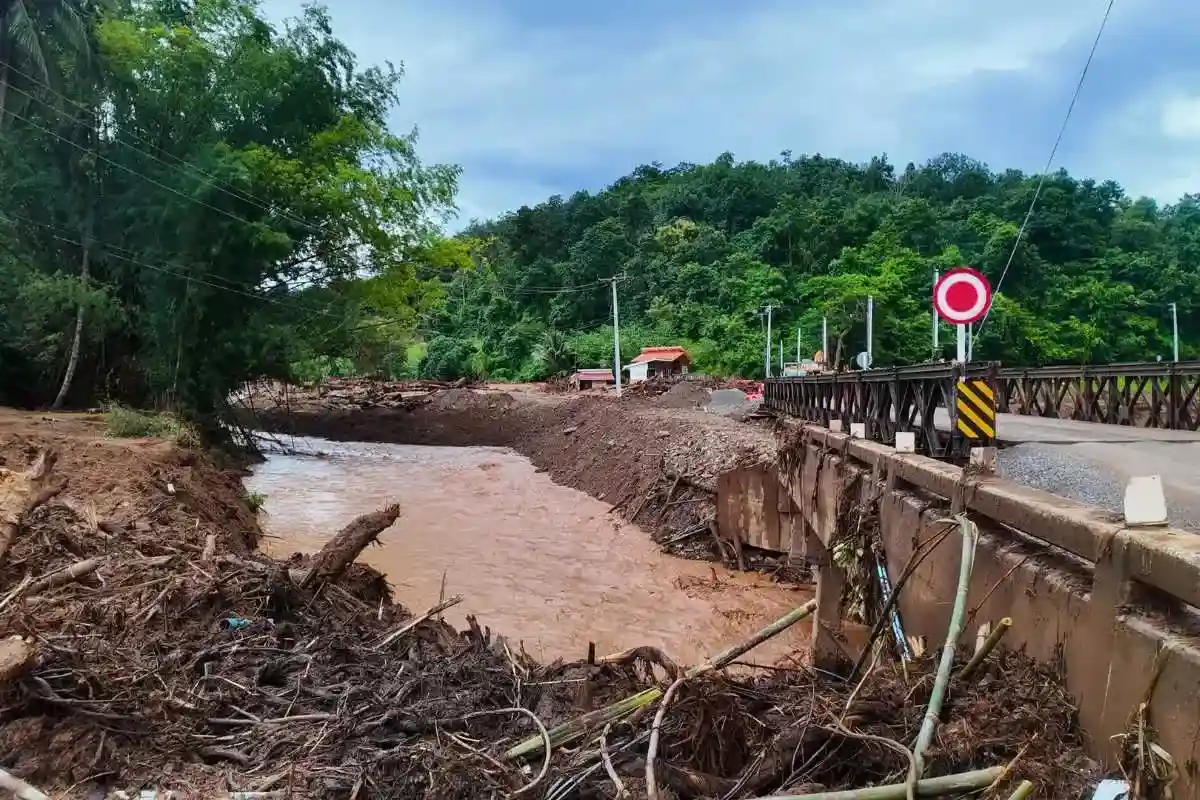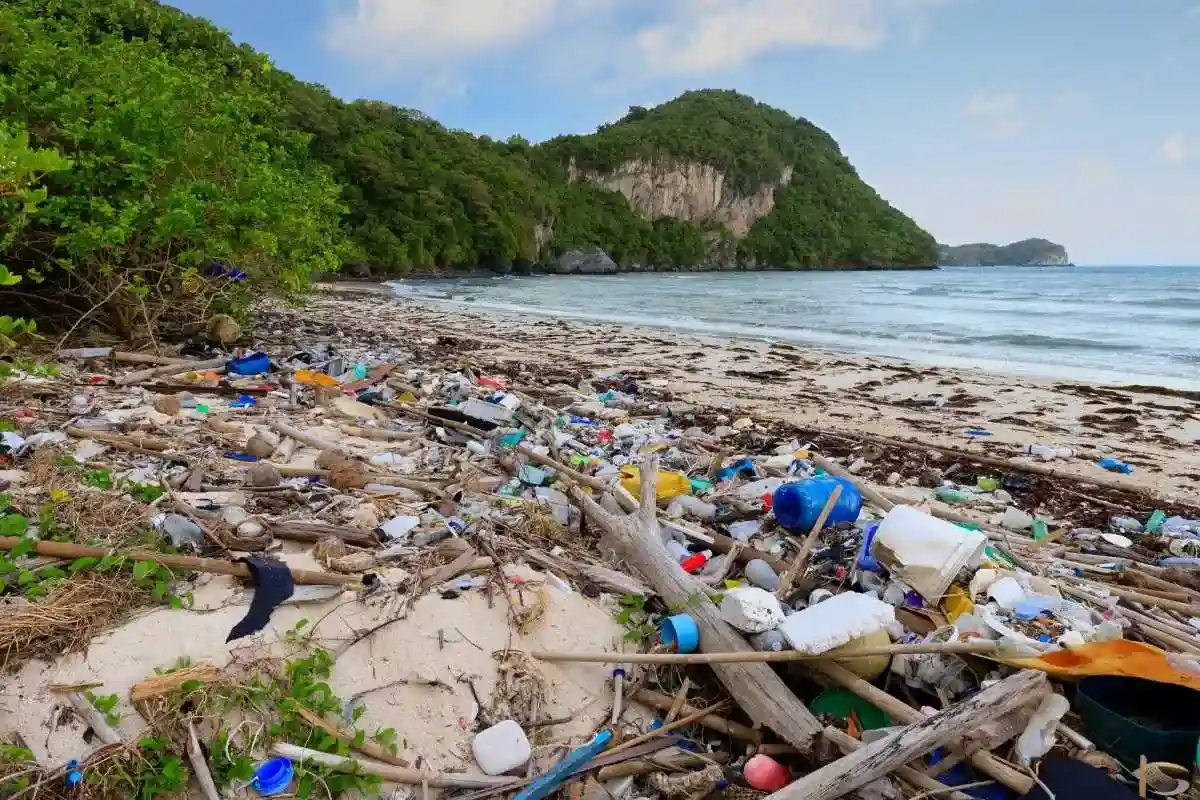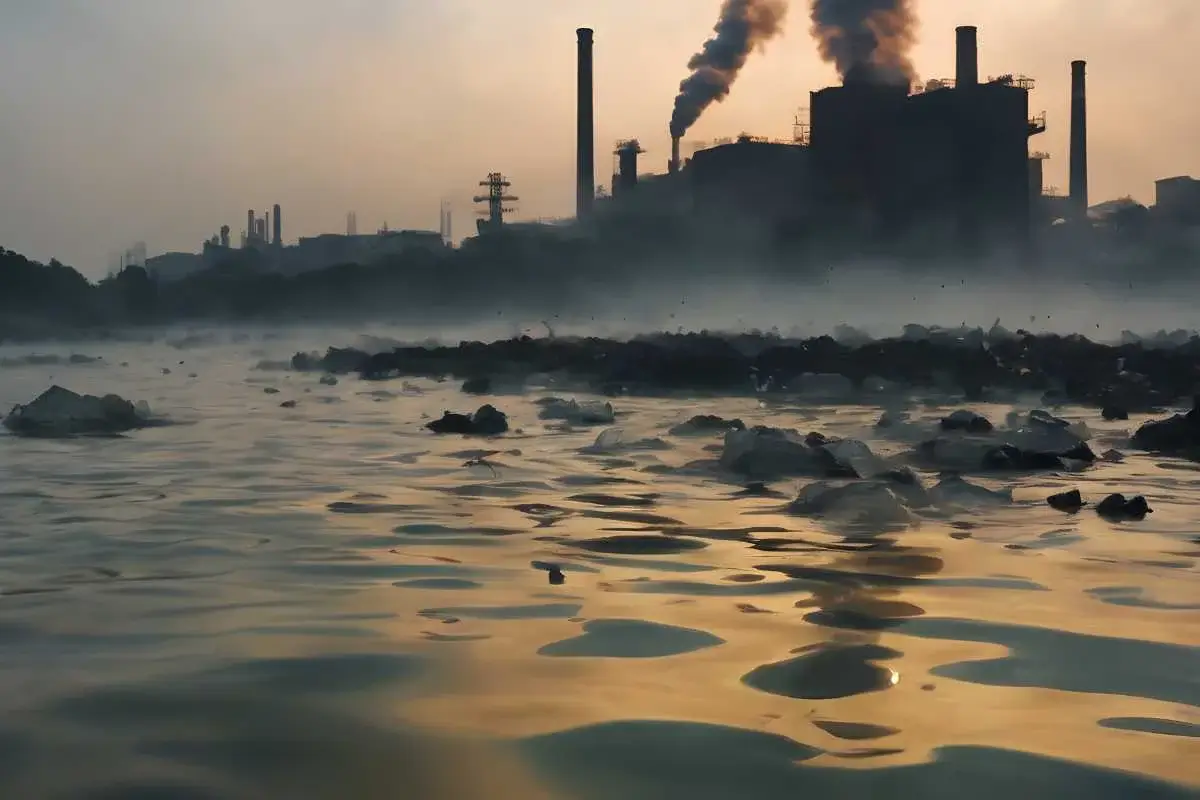
Air pollution is a major environmental and economic challenge that affects both human health and global prosperity. It contributes to climate change and causes millions of premature deaths each year, while also straining healthcare systems and reducing worker productivity. The damage extends beyond people to ecosystems, agriculture, and infrastructure, leading to billions of dollars in losses annually. Addressing air pollution is not just a matter of public health but also an essential step toward creating stronger, more resilient economies.
Reducing the economic burden of air pollution requires cooperation among governments, industries, and individuals. Governments can enforce stricter emission standards, invest in renewable energy, and support cleaner transportation systems. Businesses can adopt sustainable practices and technologies that reduce waste and emissions. Individuals can make a difference by using public transportation, conserving energy, and supporting eco-friendly policies and products. Together, these efforts can lead to cleaner air, improved health, and stronger economies.
The question remains: how can the world fund and sustain these initiatives fairly and effectively? Should wealthier nations and industries take on a larger share of responsibility, given their higher emissions and greater resources? How can developing nations implement pollution control measures without compromising economic growth? These issues require thoughtful discussion, innovative policies, and long-term commitment from all sectors of society.
What are the most effective strategies for reducing the economic costs of air pollution? How can countries at different stages of development address these challenges while promoting fairness and equity? Who should bear the financial responsibility for pollution reduction, and what mechanisms can ensure that the burden is shared justly?
Use the online submission form when sending your articles to help us track all of your submissions. Please try to write about the above topic. Your response should be at least 1,000 words.
To receive credit, your effort is what matters. You should find ways to contribute thoughtful ideas that will help others. Feel free to use personal stories or other information that you want to share, but do not use real names or other identifying information. You may write your response in the space provided or upload your response. Once we review your response, you will receive credit.
Click the button below to submit your article and get your credit.


Membership Email:
Verification Status: