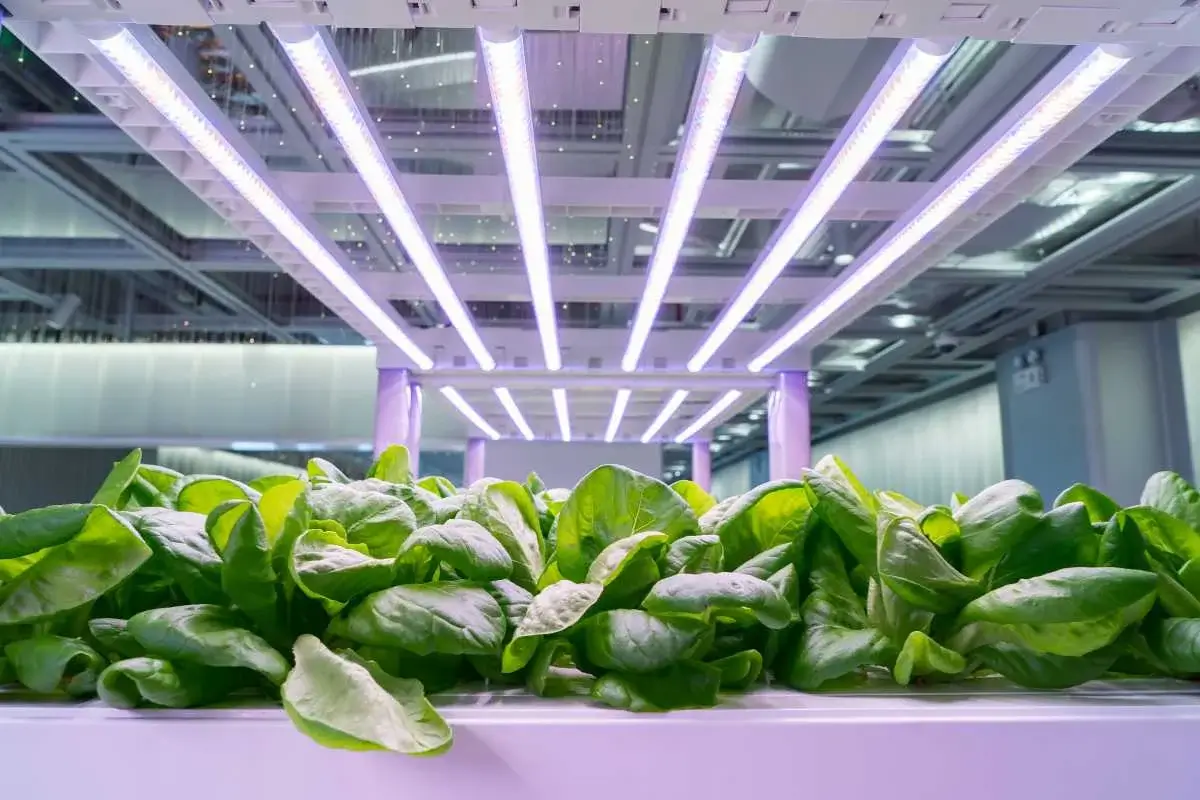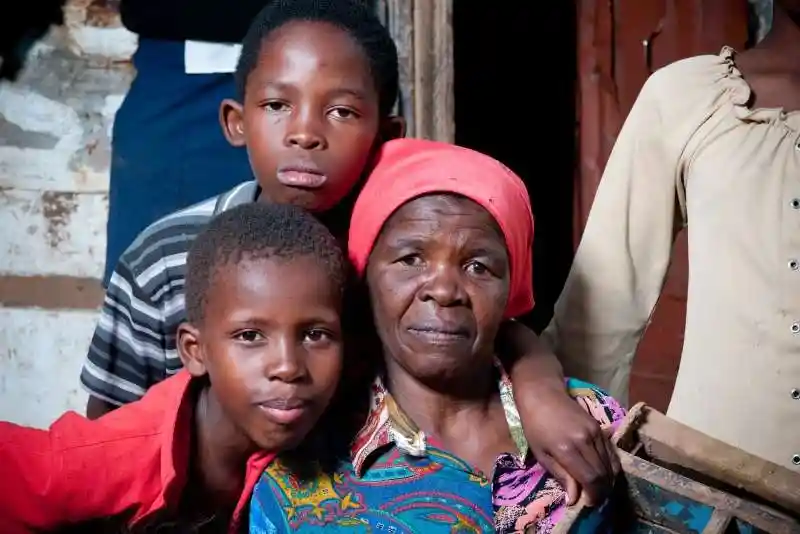
Building a green economy offers enormous potential for reducing emissions, creating sustainable jobs, and improving quality of life. Yet, true progress depends on making this transition equitable and accessible to all. Without intentional inclusion, the benefits of green industries risk being concentrated among a few, leaving behind communities that are already disproportionately affected by environmental and economic inequalities. Ensuring accessibility and equity in green jobs means more than just creating employment; it involves providing fair opportunities, removing systemic barriers, and empowering all people to participate in shaping a sustainable future.
Access to education and training is one of the most important foundations for an inclusive green economy. Many underrepresented groups face limited access to the technical education and vocational programs needed to enter green careers. Expanding scholarships, apprenticeships, and community-based training programs can help bridge this gap. Governments can support these efforts by investing in public workforce initiatives that prioritize regions with high unemployment or communities transitioning away from fossil fuel industries. Partnerships between schools, nonprofit organizations, and green companies can also ensure that training aligns with industry needs while remaining affordable and accessible.
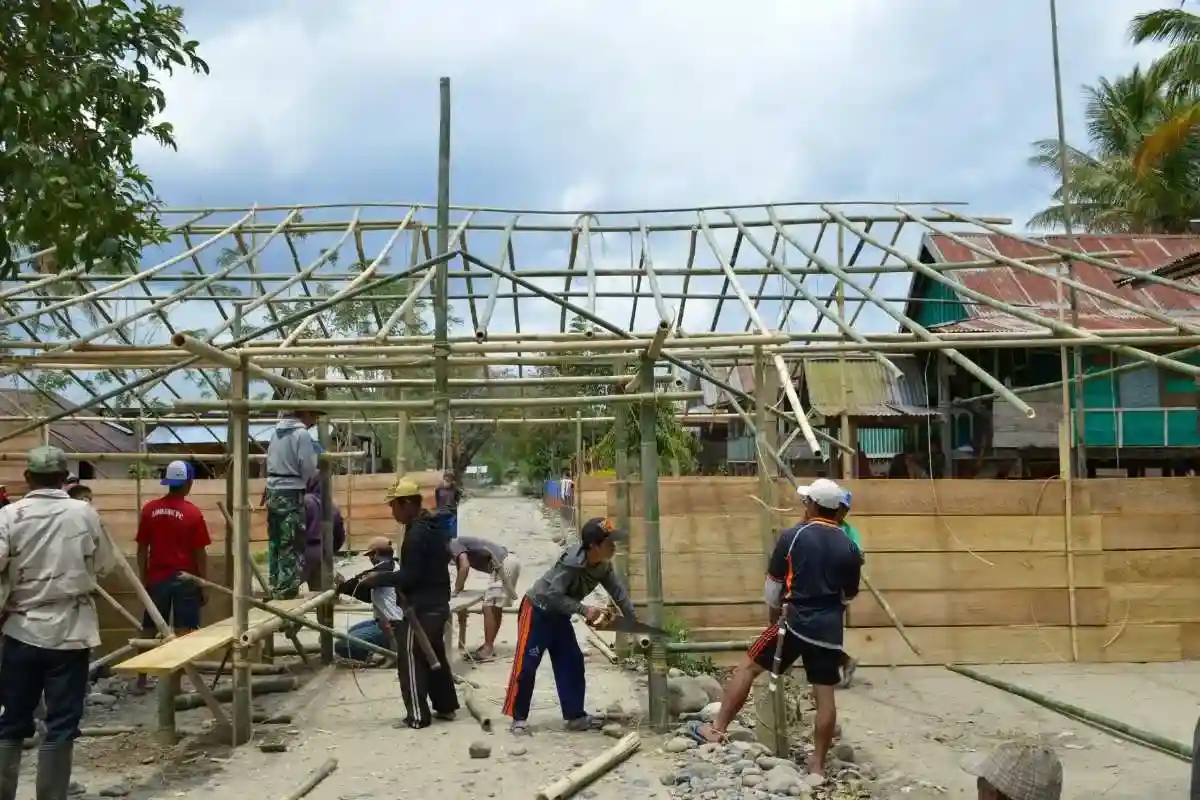
Equity also involves fair distribution of opportunities across geography and demographics. Rural and low-income communities often have less access to renewable energy projects and green infrastructure investments. Policymakers can address this imbalance by directing funding toward local projects, supporting small green businesses, and ensuring that rural and urban areas alike share in the benefits of sustainable development. A more regionally balanced green economy not only strengthens resilience but also fosters innovation at every level.
Diversity within the green workforce is equally essential. Teams that bring together people from varied backgrounds tend to produce more creative and effective solutions to environmental problems. Companies can encourage this by adopting inclusive hiring practices, providing mentorship opportunities, and developing workplace cultures that value representation and belonging. Governments can reinforce these efforts through incentives for organizations that demonstrate measurable progress in workforce diversity.
Creating a truly equitable green economy requires collaboration. Governments, industries, and educational institutions must work together to design and implement systems that support fair access to green job opportunities. This includes transparent hiring practices, equitable pay, and long-term investment in community-driven sustainability projects. Individuals also play a role by supporting equitable policies, advocating for inclusive workplaces, and promoting awareness of opportunities within their own communities.
How can societies ensure that the transition to a green economy benefits everyone, not just a select few? What policies and programs could make green jobs more accessible to underrepresented communities? How can education and workforce development initiatives help bridge the equity gap? What role do diversity and inclusion play in driving innovation in sustainable industries? Finally, how can collaboration between governments, businesses, and local organizations build a green economy that uplifts both people and the planet?
Use the online submission form when sending your articles to help us track all of your submissions. Please try to write about the above topic. Your response should be at least 1,000 words.
To receive credit, your effort is what matters. You should find ways to contribute thoughtful ideas that will help others. Feel free to use personal stories or other information that you want to share, but do not use real names or other identifying information. You may write your response in the space provided or upload your response. Once we review your response, you will receive credit.
Click the button below to submit your article and get your credit.


Membership Email:
Verification Status: