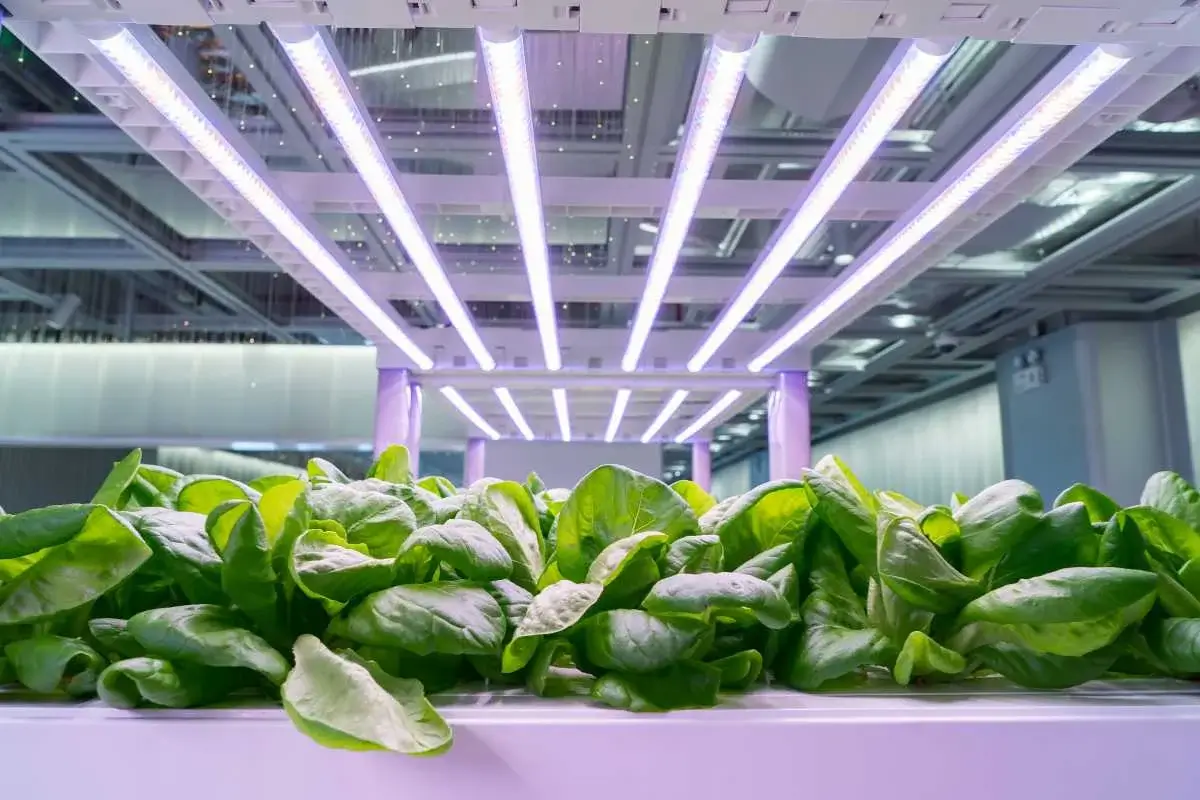
Governments play a central role in advancing the growth of green jobs and shaping the future of sustainable development. Through well-designed policies, public investments, and collaboration with the private sector, they can create the conditions necessary for a thriving green economy. Green jobs support efforts to combat climate change while providing meaningful employment opportunities in sectors such as renewable energy, sustainable agriculture, conservation, and clean transportation. By prioritizing inclusive growth and sustainability, governments can ensure that the transition to a green economy benefits both people and the planet.
A proactive approach begins with the right mix of policies and incentives. Governments can encourage businesses to invest in sustainable technologies by offering tax credits, subsidies, or grants for renewable energy and energy-efficient innovations. Public investments in green infrastructure, including clean energy grids, recycling systems, and public transportation, also create employment opportunities while reducing environmental impact. At the same time, education and workforce development programs must be expanded to train workers for jobs in emerging green industries, particularly for those transitioning from carbon-intensive sectors.
Partnerships between governments, educational institutions, and businesses are key to creating a skilled workforce. Collaborating with universities and technical schools can help ensure that training programs align with evolving industry demands. Governments can also invest in apprenticeship and mentorship programs to bridge the gap between learning and employment. These efforts help prepare workers for the jobs of tomorrow while reducing skill shortages that could slow the transition to a sustainable economy.
Equity and accessibility must remain at the forefront of green job strategies. Marginalized and underserved communities should have equal access to training programs, funding opportunities, and employment. Governments can achieve this by supporting regional initiatives, community-based organizations, and small businesses that promote sustainability. Including diverse voices in policy planning ensures that the green economy grows in a fair and inclusive way.
What policies are most effective for promoting the growth of green jobs? How can governments, educational institutions, and businesses collaborate to prepare workers for emerging opportunities in sustainability? What lessons can be learned from successful initiatives in other countries, and how can they be adapted to local needs? How can equity and inclusion be integrated into green job programs to ensure that everyone benefits from the transition to a sustainable economy? Finally, what challenges might governments face in scaling these initiatives, and how can they be addressed to build a resilient and inclusive green workforce?
Use the online submission form when sending your articles to help us track all of your submissions. Please try to write about the above topic. Your response should be at least 1,000 words.
To receive credit, your effort is what matters. You should find ways to contribute thoughtful ideas that will help others. Feel free to use personal stories or other information that you want to share, but do not use real names or other identifying information. You may write your response in the space provided or upload your response. Once we review your response, you will receive credit.
Click the button below to submit your article and get your credit.


Membership Email:
Verification Status: