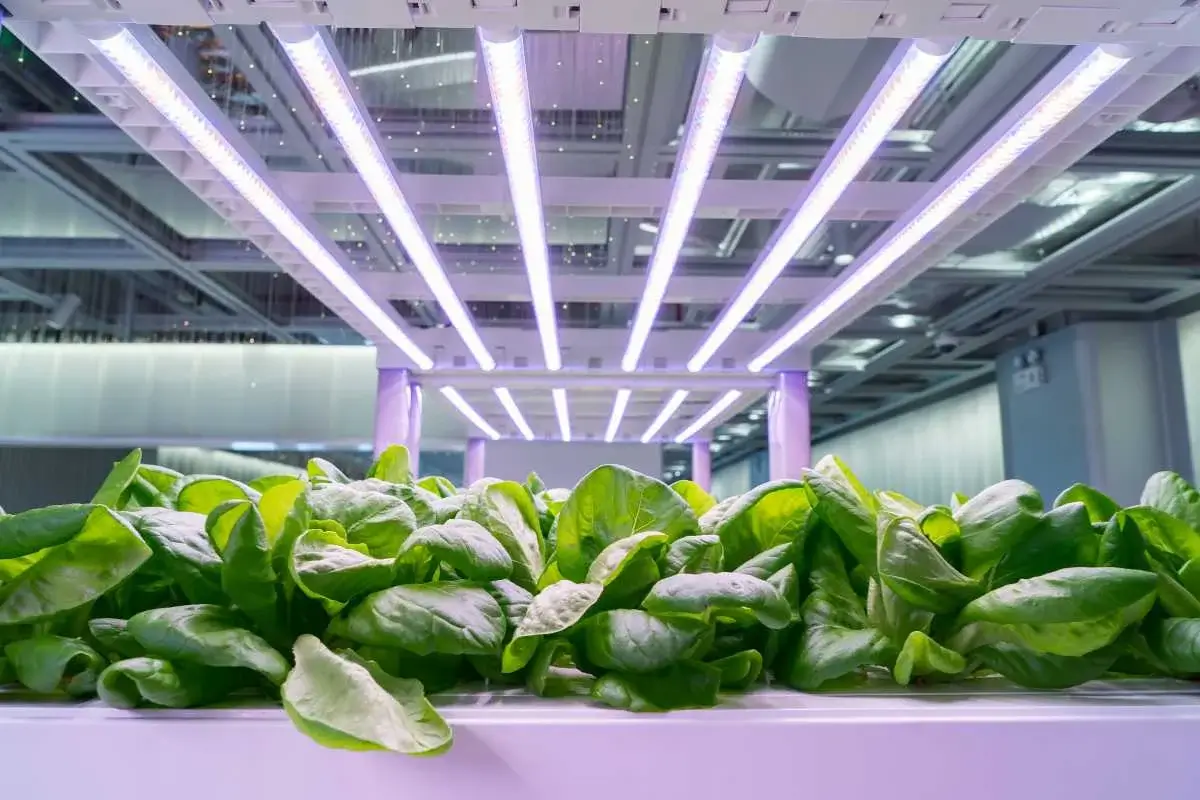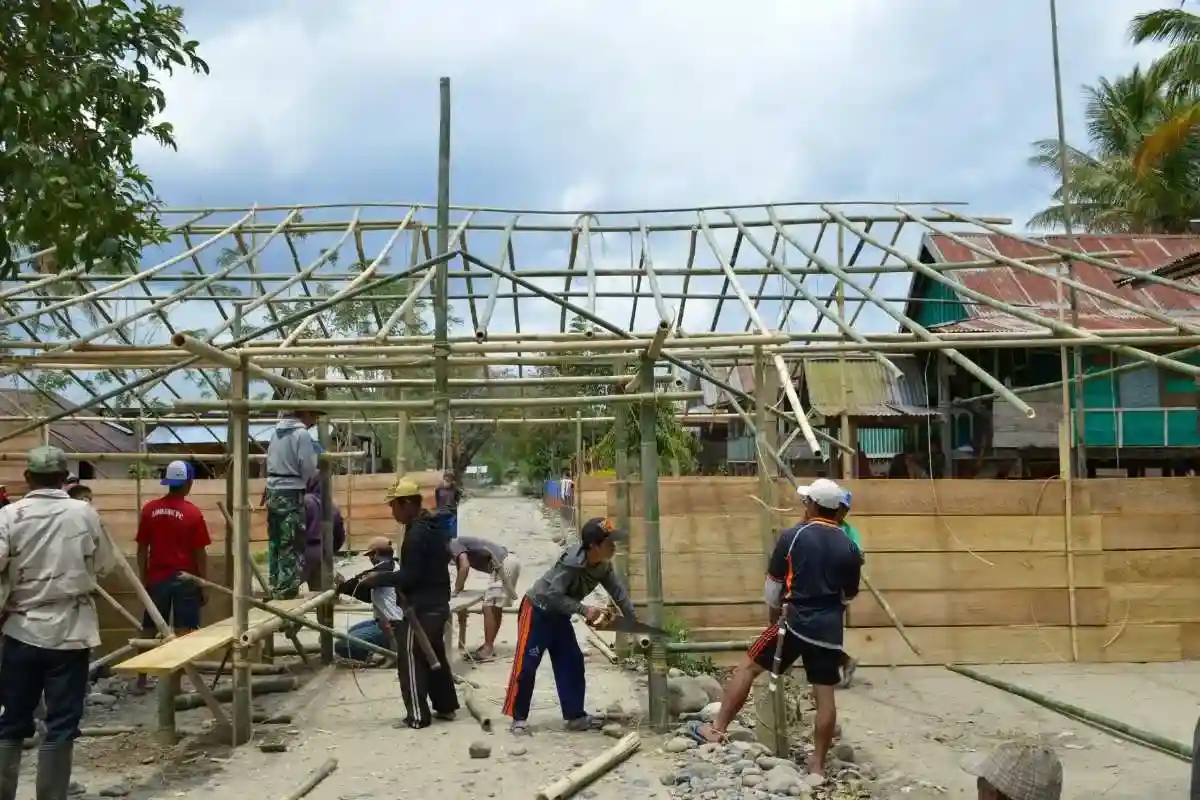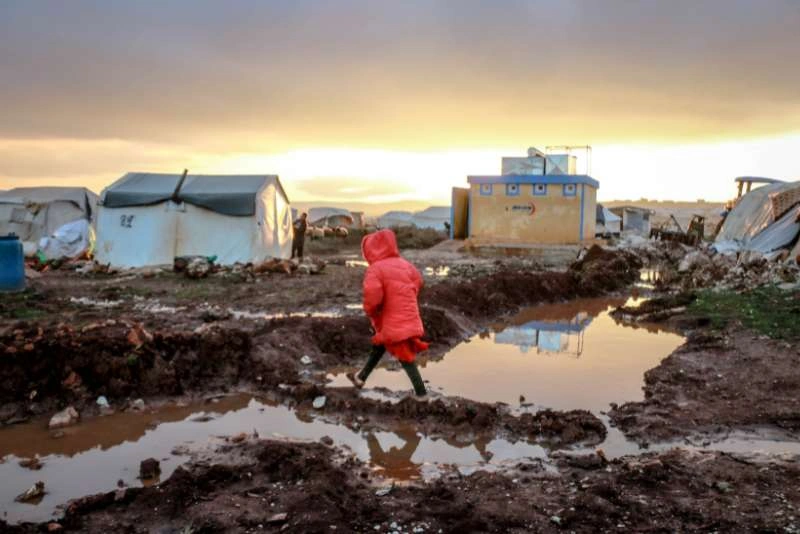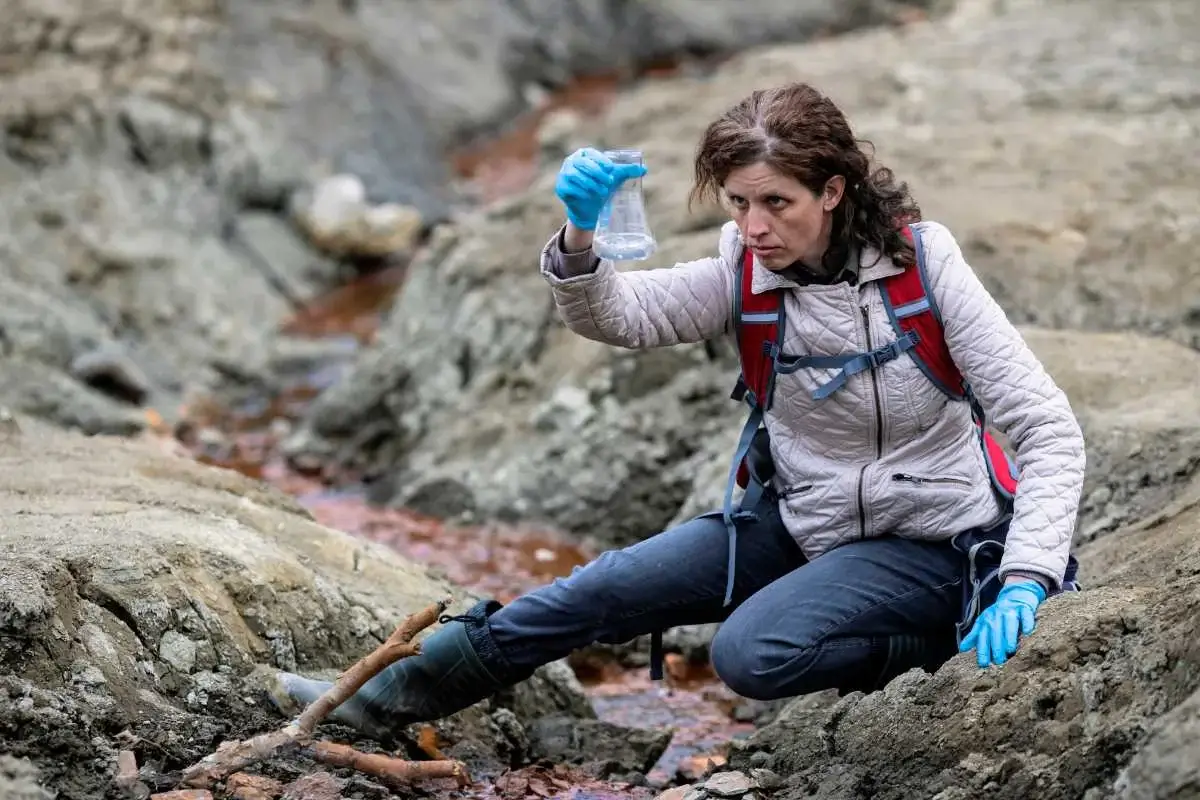
Green jobs are becoming one of the most effective ways to fight climate change while also supporting economic growth. These roles focus on protecting the environment, conserving resources, and promoting sustainability through innovative technologies and practices. Whether it’s renewable energy development, sustainable agriculture, environmental restoration, or waste reduction, green jobs provide opportunities for people to make a positive impact on both the planet and their communities. By aligning economic goals with environmental responsibility, they pave the way for a cleaner, more resilient future.
Expanding access to green jobs requires cooperation across many sectors. Governments can invest in renewable energy infrastructure, offer tax incentives for sustainable practices, and fund education programs that train people for emerging green careers. Businesses can adopt eco-friendly production methods and support job training that prepares workers for these new roles. Communities can promote local sustainability initiatives, create partnerships with schools and organizations, and raise awareness about the importance of green employment. Together, these actions can help build an inclusive and growing green economy.
Another important part of creating green jobs is making sure that everyone has the chance to benefit from them. Many workers, particularly from underrepresented or economically disadvantaged backgrounds, face barriers to entering these fields. Providing affordable training, career development programs, and mentorship can open doors to meaningful employment while supporting a just transition to a sustainable economy. Inclusive policies that focus on diversity and equitable access can help ensure that the benefits of green growth are shared widely across society.
What defines a green job, and how do these roles help reduce the effects of climate change? What strategies can make green job opportunities more inclusive and accessible to people of all backgrounds? How can governments, businesses, and communities collaborate to expand sustainable industries and ensure a fair transition for workers? What challenges might arise when shifting traditional industries toward green practices, and how can they be overcome? Finally, how does investing in green jobs benefit both the environment and long-term economic stability?
Use the online submission form when sending your articles to help us track all of your submissions. Please try to write about the above topic. Your response should be at least 1,000 words.
To receive credit, your effort is what matters. You should find ways to contribute thoughtful ideas that will help others. Feel free to use personal stories or other information that you want to share, but do not use real names or other identifying information. You may write your response in the space provided or upload your response. Once we review your response, you will receive credit.
Click the button below to submit your article and get your credit.


Membership Email:
Verification Status: