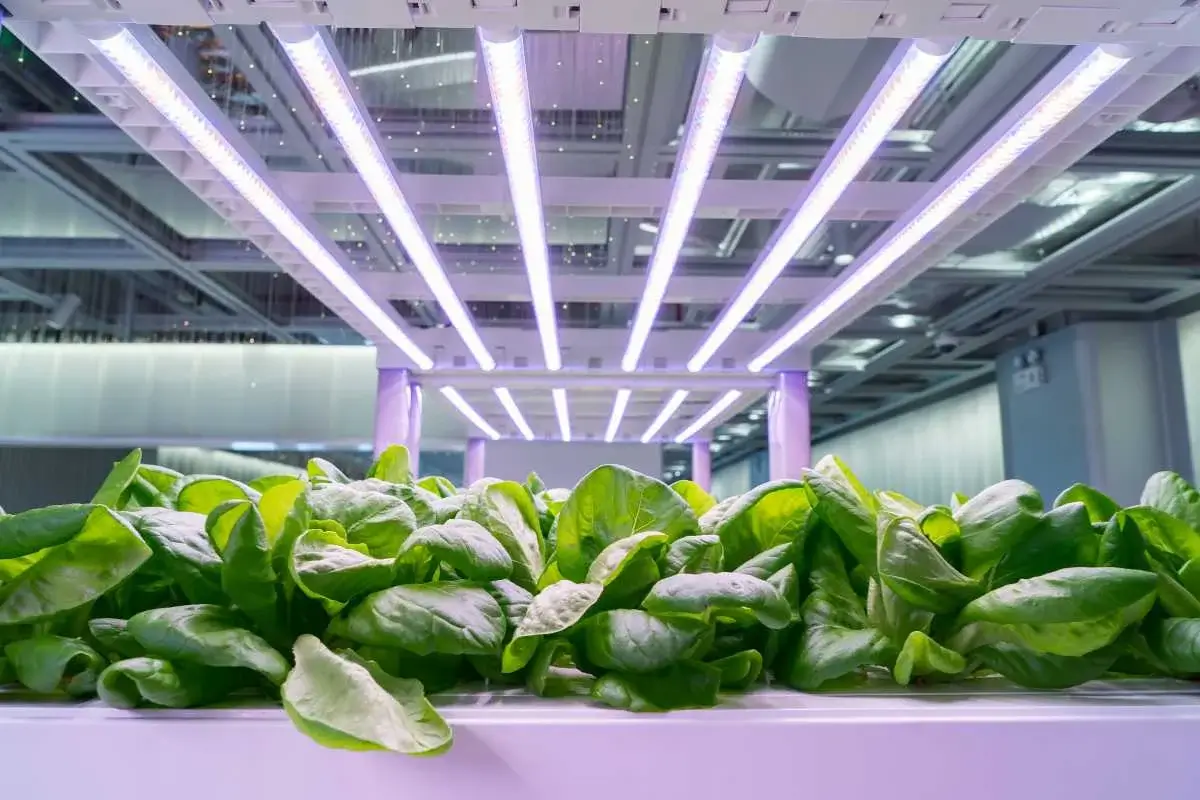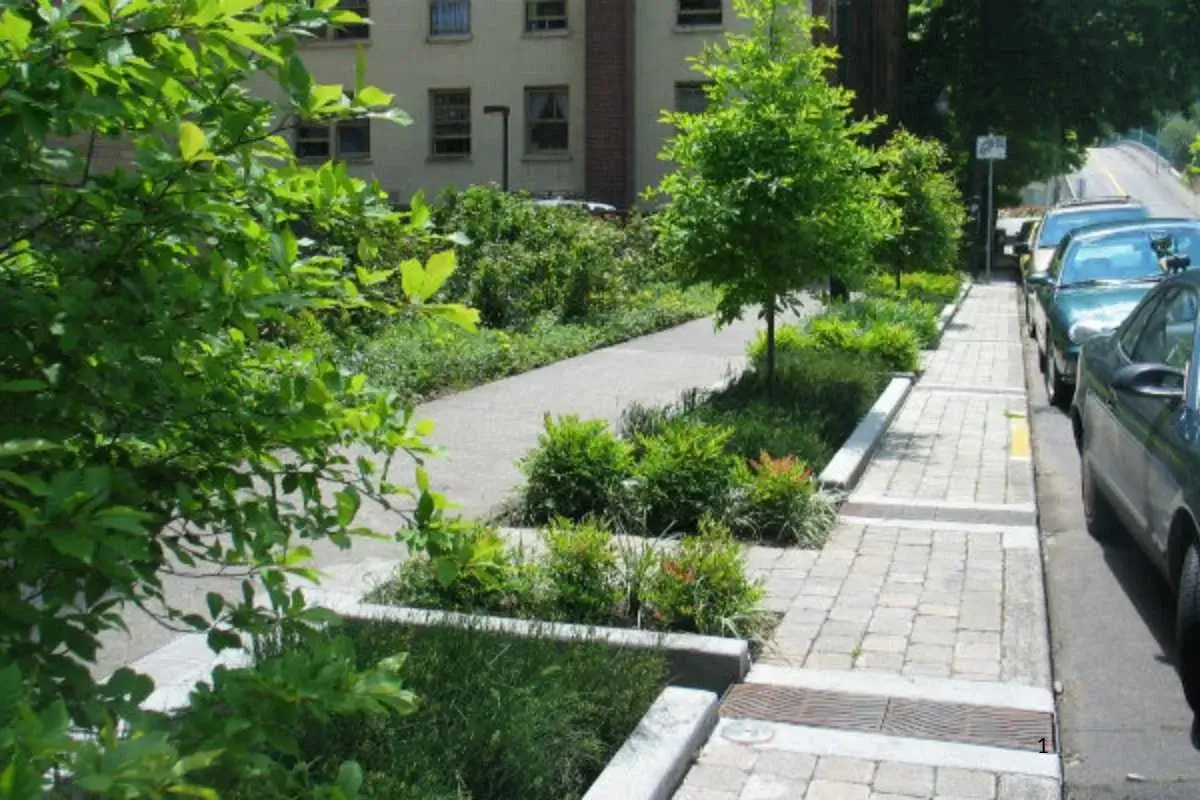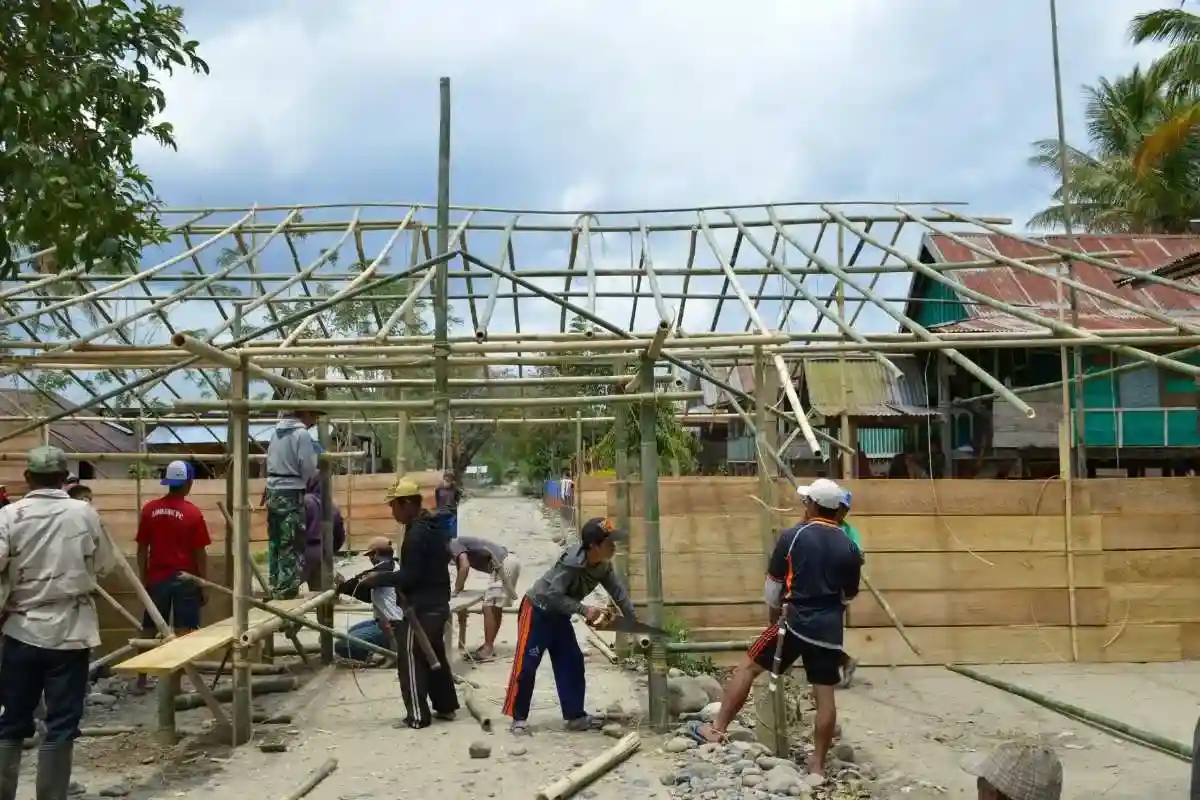
Education and training are essential to building the workforce needed for a sustainable future. As green industries expand, the demand for skilled workers in areas like renewable energy, sustainable agriculture, and environmental technology continues to grow. Effective education and training programs can help prepare individuals to meet this demand by providing the technical knowledge, problem-solving skills, and environmental awareness necessary for success in green careers. Beyond technical expertise, these programs can also foster a sense of purpose and responsibility, motivating individuals to play an active role in addressing climate change and protecting natural resources.
Collaboration between educational institutions, governments, and employers is key to creating strong and accessible training pathways. Schools and universities can partner with green companies to design programs that reflect the latest advancements in technology and sustainability. Apprenticeships, internships, and community-based training initiatives can help bridge the gap between academic learning and real-world application. Ensuring that these opportunities are affordable and available to people from diverse backgrounds is vital for creating an inclusive green workforce that reflects the needs of all communities.
Adapting education to keep pace with rapid technological change is another critical challenge. Green industries evolve quickly, introducing new systems in clean energy, circular economies, and sustainable manufacturing. Continuous curriculum updates and flexible learning options, such as online courses, micro-credentials, and modular certifications, can help students and professionals stay ahead. Educators must also integrate sustainability into core subjects, showing how green principles connect to fields like business, engineering, and the arts.
Hands-on learning remains one of the most effective ways to prepare students for the realities of green careers. Programs that combine classroom study with fieldwork or lab experience allow learners to apply their knowledge directly. Companies can play a key role by offering paid internships, mentoring programs, and opportunities for job placement. Governments can encourage participation by offering tax credits, grants, or recognition programs for employers who invest in workforce development.
Public policy and community initiatives can strengthen this effort even further. Local governments and nonprofits can host workshops, job fairs, and outreach programs that connect people to green training opportunities. By raising awareness and making education accessible, communities can inspire a new generation of workers dedicated to sustainability. When individuals are equipped with the skills and support they need, they not only secure meaningful careers but also become part of a global movement working toward a cleaner, healthier planet.
How can education systems and employers collaborate to create effective training pathways for green careers? What role can hands-on learning and real-world experience play in preparing students for the green workforce? How can training programs remain current as technology evolves? Finally, what policies or community initiatives could make green education more inclusive and accessible to people from all backgrounds?
Use the online submission form when sending your articles to help us track all of your submissions. Please try to write about the above topic. Your response should be at least 1,000 words.
To receive credit, your effort is what matters. You should find ways to contribute thoughtful ideas that will help others. Feel free to use personal stories or other information that you want to share, but do not use real names or other identifying information. You may write your response in the space provided or upload your response. Once we review your response, you will receive credit.
Click the button below to submit your article and get your credit.


Membership Email:
Verification Status: