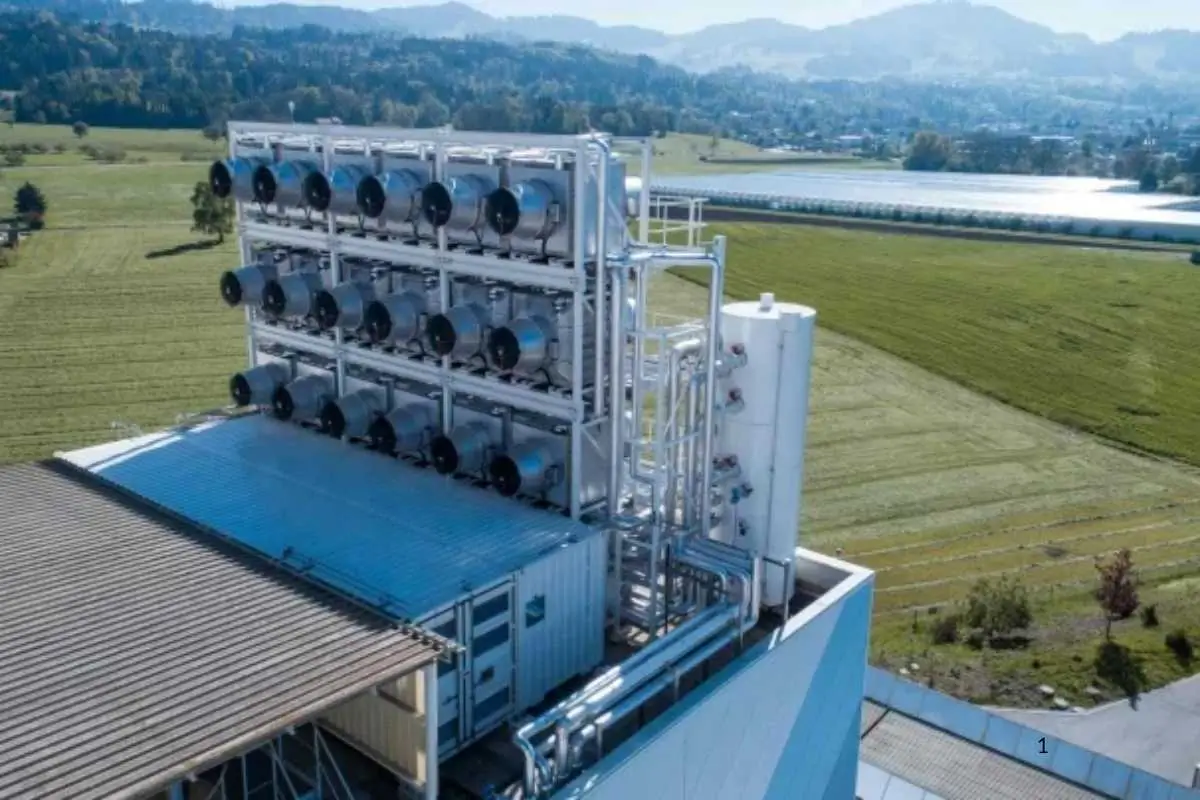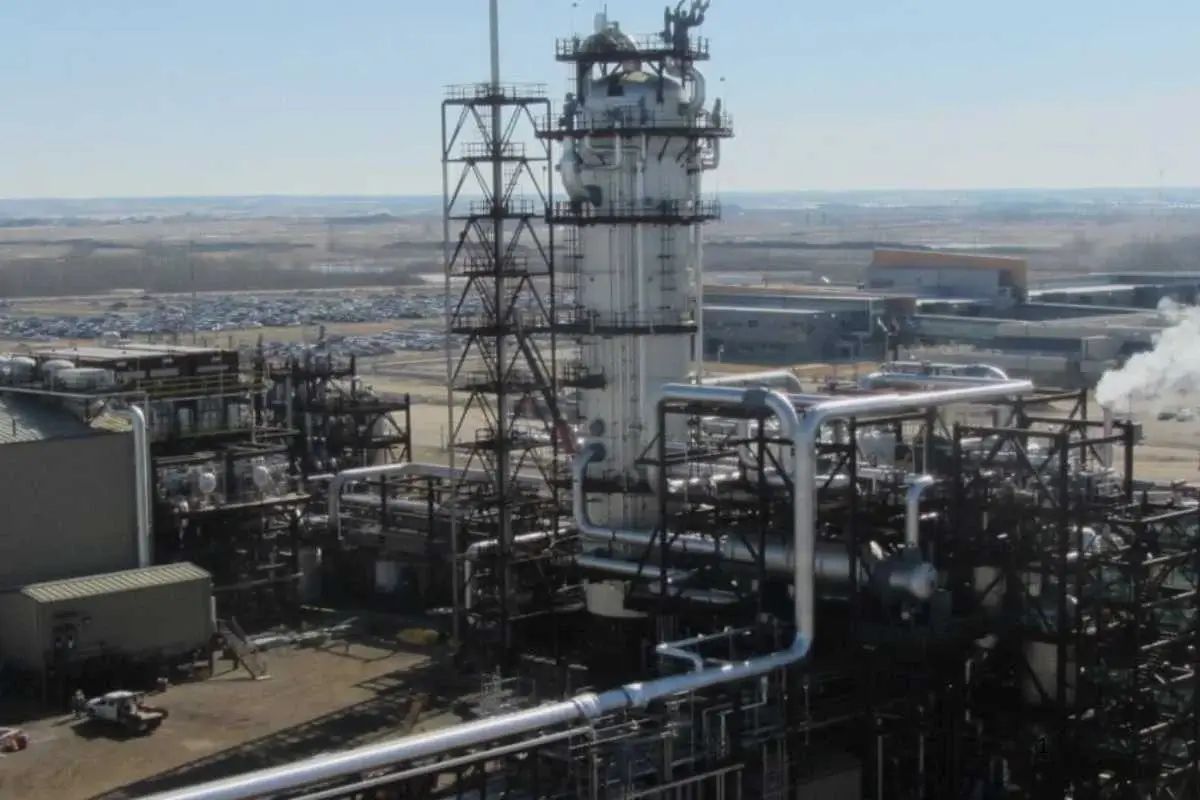
Carbon capture is an emerging technology designed to reduce greenhouse gas emissions by removing carbon dioxide (CO₂) from the atmosphere or capturing it directly from industrial processes before it can contribute to global warming. Once captured, the carbon can be stored safely underground or reused in industries such as manufacturing, construction, or energy production. These systems have the potential to significantly reduce emissions from major sources like power plants, factories, and refineries. By preventing CO₂ from entering the atmosphere, carbon capture can help slow the pace of climate change while supporting the transition to cleaner forms of energy.
Although carbon capture offers great promise, it also presents challenges. Implementing these technologies on a large scale requires substantial investment, advanced infrastructure, and long-term monitoring to ensure safety and effectiveness. Many scientists and policymakers are exploring how to make carbon capture more affordable and accessible, especially for countries with limited resources. There is also ongoing debate about how much focus should be placed on carbon capture compared to other strategies like renewable energy development, reforestation, and sustainable farming. Balancing these efforts is crucial to achieving meaningful global climate goals.
Fairness and equity are also key concerns. Wealthier nations, which have historically produced more emissions, may have a greater responsibility to fund and develop carbon capture systems. At the same time, it is important to ensure that developing countries are not left behind and can benefit from these technologies without worsening existing inequalities. Collaboration among governments, industries, and researchers will be essential to advance innovation, share knowledge, and ensure that carbon capture contributes to a fair and sustainable global response to climate change.
What role should carbon capture play in the global fight against climate change? How can these technologies be scaled up to make a real difference while remaining affordable and safe? What responsibilities do wealthier nations and major corporations have in supporting the development and funding of carbon capture systems? How can governments and industries work together to make these technologies available in developing regions? What are the main challenges to widespread adoption, and how can innovation help overcome them? Finally, how should carbon capture fit into a broader climate strategy that includes renewable energy, conservation, and sustainable development?
Use the online submission form when sending your articles to help us track all of your submissions. Please try to write about the above topic. Your response should be at least 1,000 words.
To receive credit, your effort is what matters. You should find ways to contribute thoughtful ideas that will help others. Feel free to use personal stories or other information that you want to share, but do not use real names or other identifying information. You may write your response in the space provided or upload your response. Once we review your response, you will receive credit.
Click the button below to submit your article and get your credit.


Membership Email:
Verification Status: