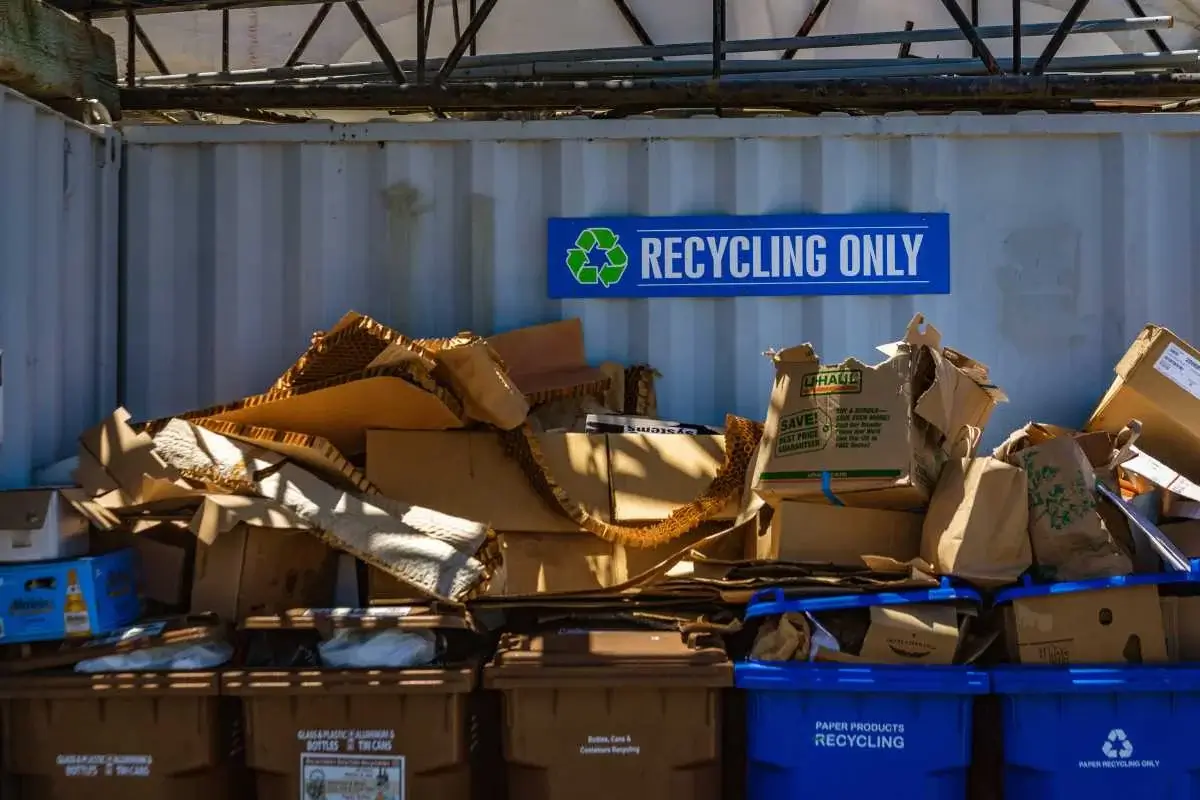
Achieving net zero emissions may seem like a global challenge that only governments and large corporations can solve, but every individual has a vital part to play. The daily choices you make, such as how you travel, what you eat, how much energy you use, and what you purchase, can collectively create real change. Every action, no matter how small, contributes to a broader movement toward a cleaner and more sustainable planet.
Consider your everyday habits. Could you walk or bike instead of driving short distances? Could you turn off lights when leaving a room, unplug unused electronics, or switch to energy-efficient appliances? Supporting local farmers, reducing food waste, or composting leftovers instead of discarding them are also simple yet powerful ways to help. These mindful actions not only cut carbon emissions but also promote healthier and more intentional living.
Sustainability can sometimes feel difficult when convenience and cost come into play. Eco-friendly products may seem more expensive, or renewable energy options may not always be available. Yet progress begins with awareness and creativity. Setting achievable goals, such as using reusable bags, eating more plant-based meals, or conserving water, can make a real difference. Encouraging friends and family to join you amplifies your impact and fosters a sense of shared responsibility.
Each person has the ability to create positive change. By taking personal responsibility, supporting community initiatives, and making sustainable choices, individuals become part of a global effort to achieve net zero. When millions of small actions align with a common purpose, the result can be transformative for the planet.
What personal steps can you take to help achieve net-zero emissions? How can you balance sustainability with everyday convenience and cost? What habits have you already changed, and what new ones could you try next? How can your individual efforts inspire others to take part in building a sustainable future?
Use the online submission form when sending your articles to help us track all of your submissions. Please try to write about the above topic. Your response should be at least 1,000 words.
To receive credit, your effort is what matters. You should find ways to contribute thoughtful ideas that will help others. Feel free to use personal stories or other information that you want to share, but do not use real names or other identifying information. You may write your response in the space provided or upload your response. Once we review your response, you will receive credit.
Click the button below to submit your article and get your credit.


Membership Email:
Verification Status: