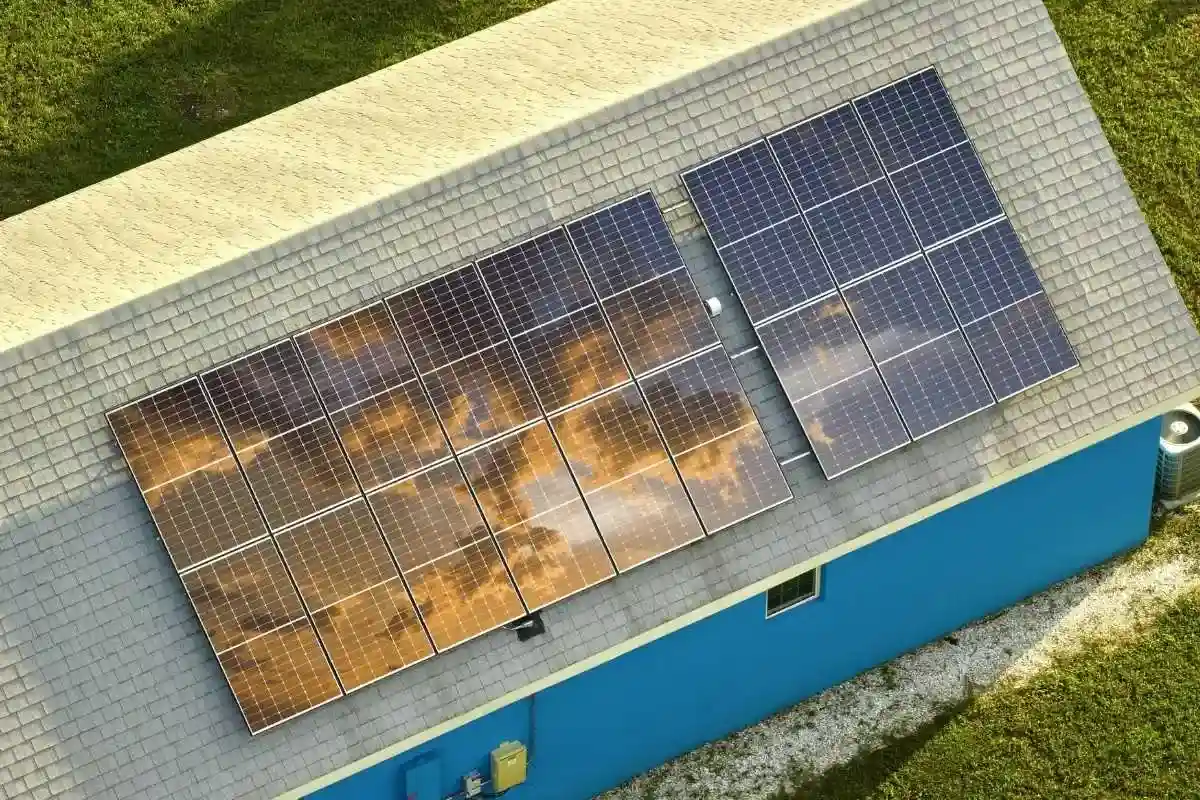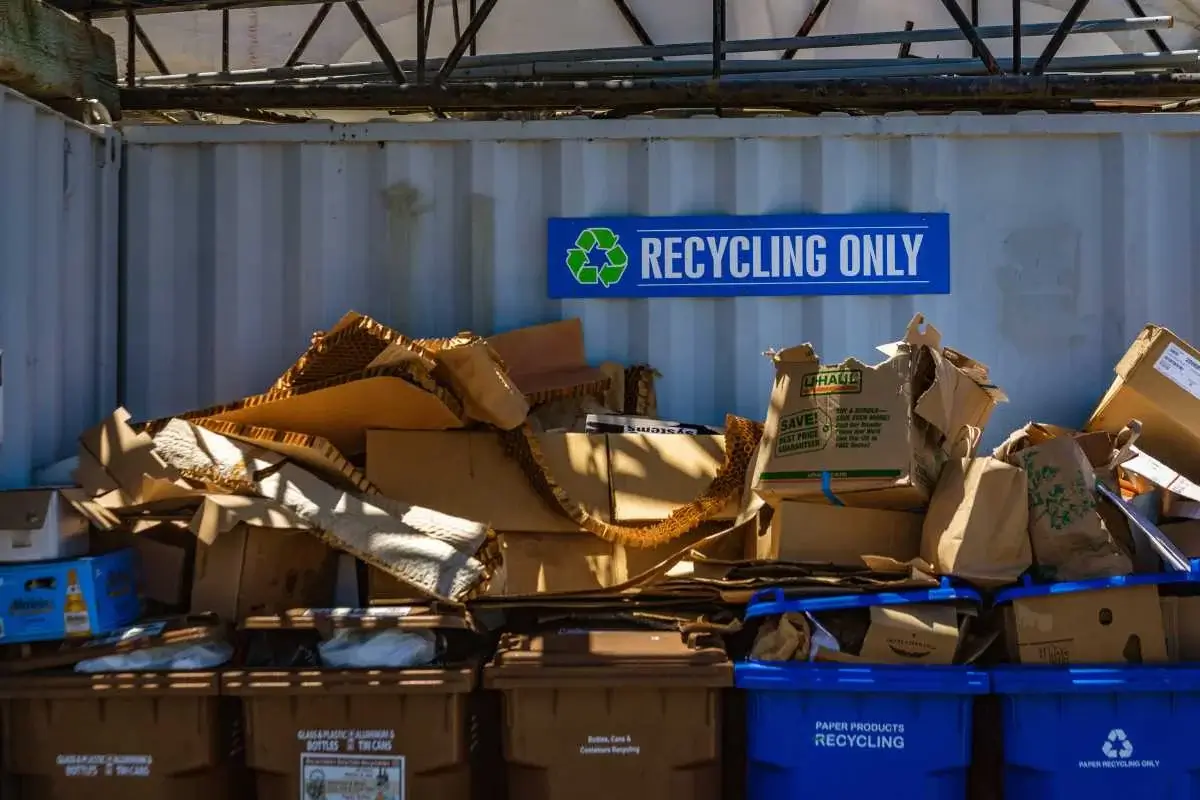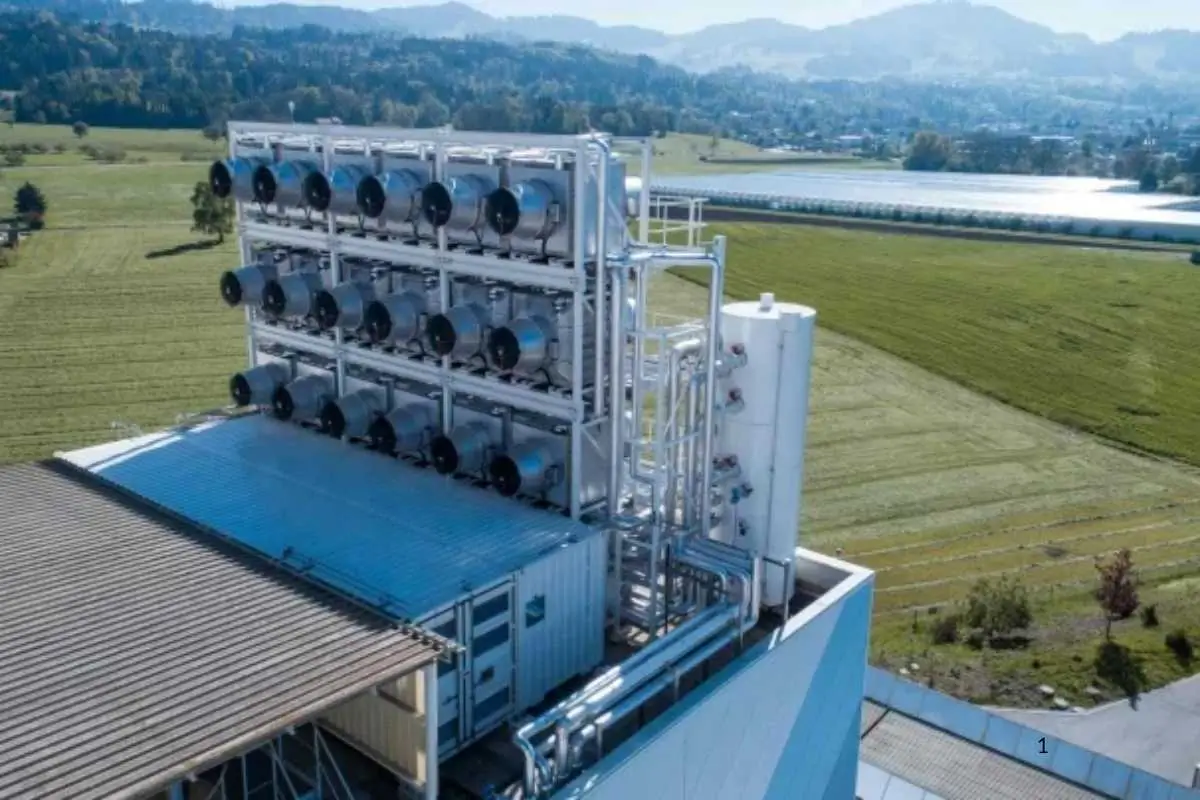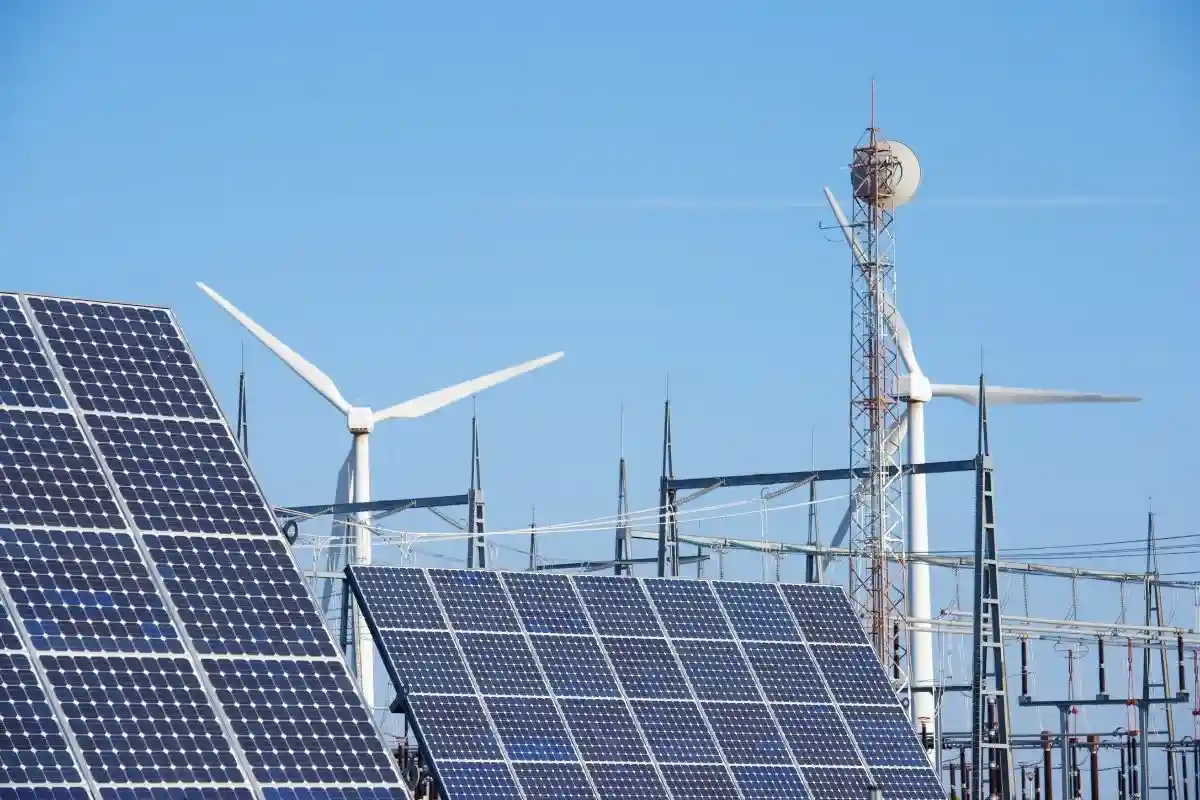
Climate neutrality means balancing the amount of greenhouse gases released into the atmosphere with the amount removed, resulting in no net increase. This goal is essential for protecting the planet, but it also offers major economic benefits. By shifting to renewable energy, sustainable agriculture, and clean technologies, societies can create new industries, develop innovative solutions, and generate millions of jobs. Climate neutrality is about building a stronger, more resilient economy that supports both people and the environment.
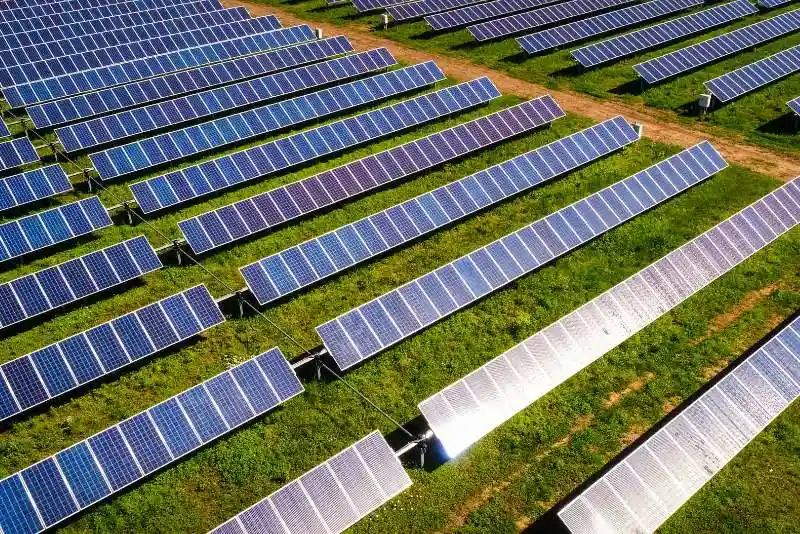
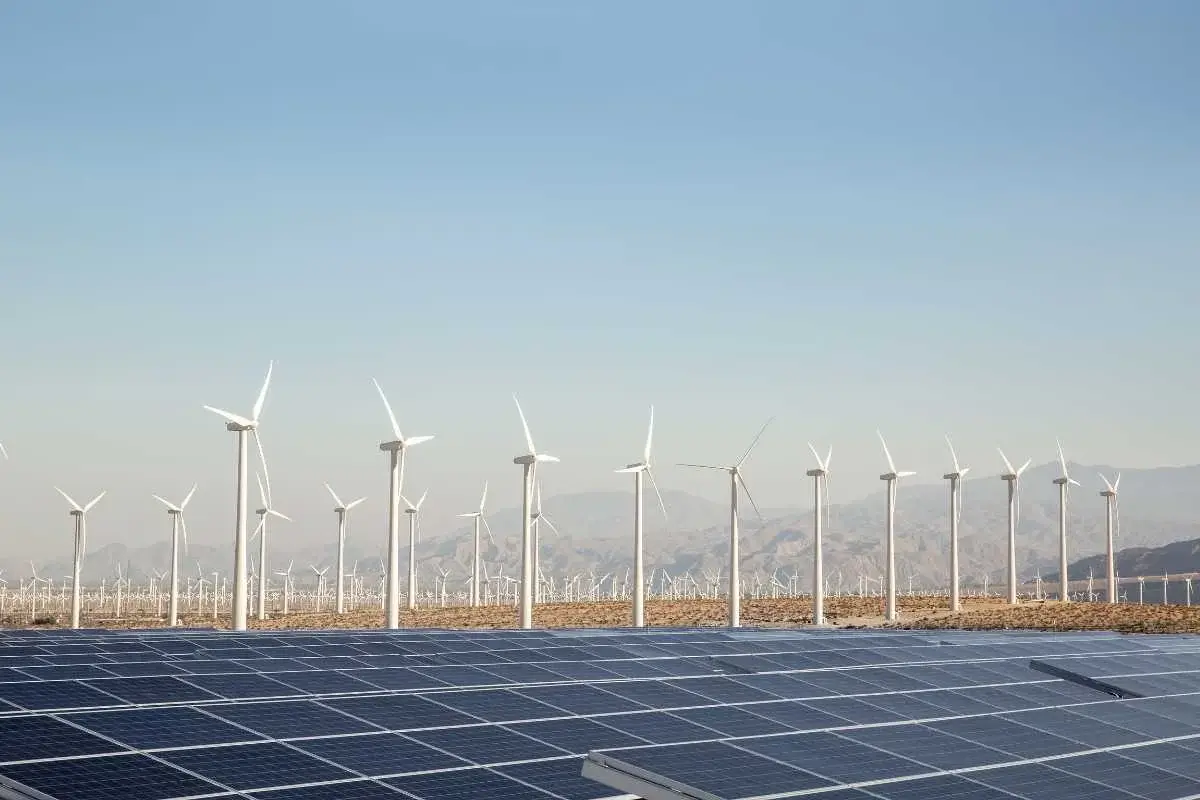
Investing in green industries opens the door to long-term economic growth. Renewable energy projects such as solar, wind, and hydro power create stable employment opportunities while reducing dependence on fossil fuels. Advances in technology, from electric vehicles to energy-efficient manufacturing, help companies cut costs and remain competitive in a changing global market. Governments can support this transition through policies, incentives, and education programs that make sustainable options more accessible to all. When businesses, communities, and individuals work together, the path to climate neutrality becomes both achievable and profitable.
While the transition to a climate-neutral economy requires investment and adaptation, the rewards are significant. Cleaner air, better public health, and long-term energy security benefit everyone. Ensuring that this shift is inclusive and equitable will be key to its success, allowing workers and communities to thrive in a greener future. The move toward climate neutrality represents not just an environmental necessity but also an opportunity to reshape the global economy in ways that are fair, innovative, and sustainable.
What steps can businesses take to lead in climate-neutral innovation? Should governments focus on enforcing stricter environmental policies or providing incentives for clean energy development? How can individuals and communities work together to reduce emissions and support sustainable practices? Can the economic benefits of climate neutrality outweigh the costs of transitioning to green technologies? What creative ideas or real-world examples can help move the world closer to a climate-neutral future that benefits everyone?
Use the online submission form when sending your articles to help us track all of your submissions. Please try to write about the above topic. Your response should be at least 1,000 words.
To receive credit, your effort is what matters. You should find ways to contribute thoughtful ideas that will help others. Feel free to use personal stories or other information that you want to share, but do not use real names or other identifying information. You may write your response in the space provided or upload your response. Once we review your response, you will receive credit.
Click the button below to submit your article and get your credit.


Membership Email:
Verification Status: