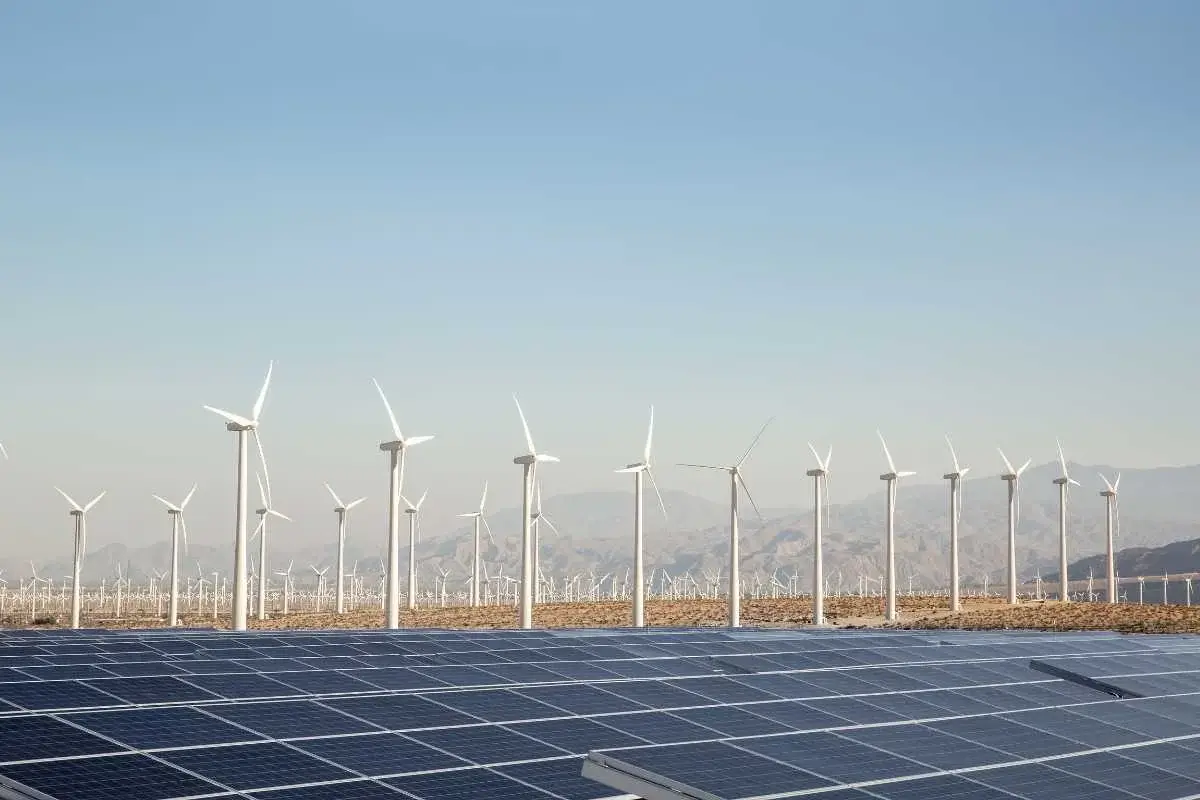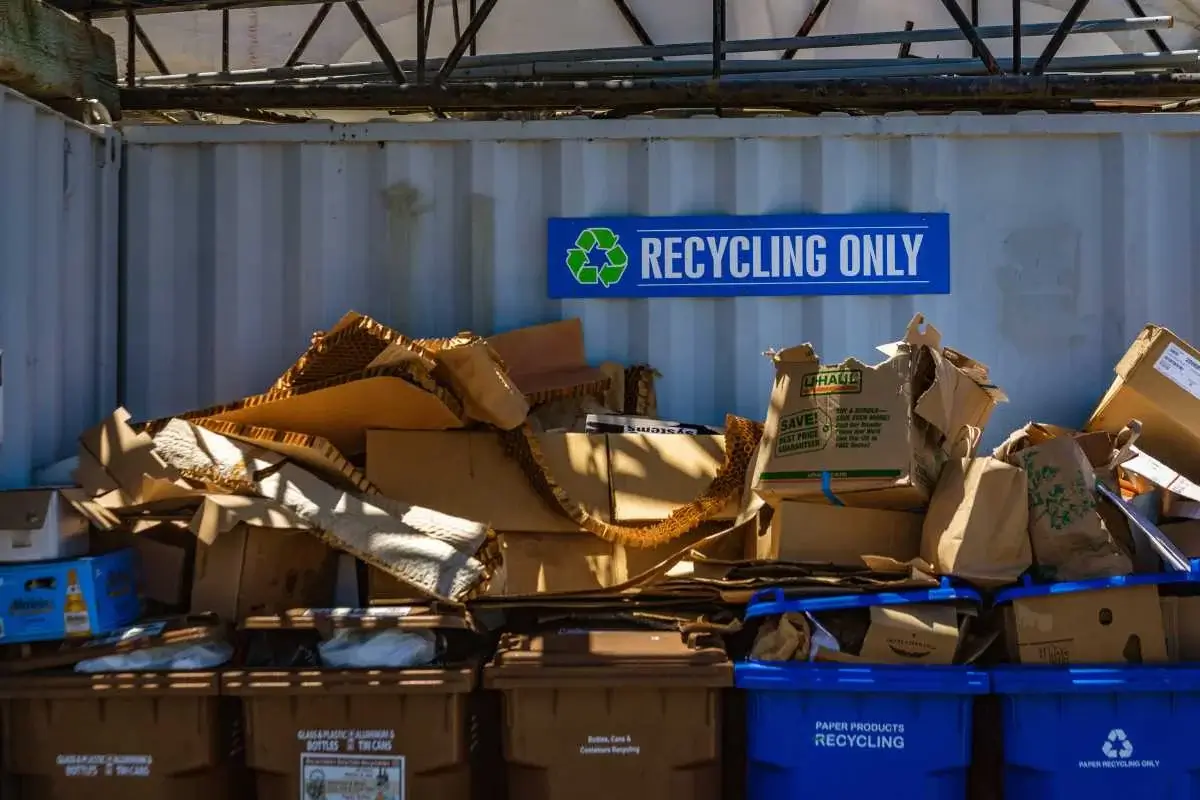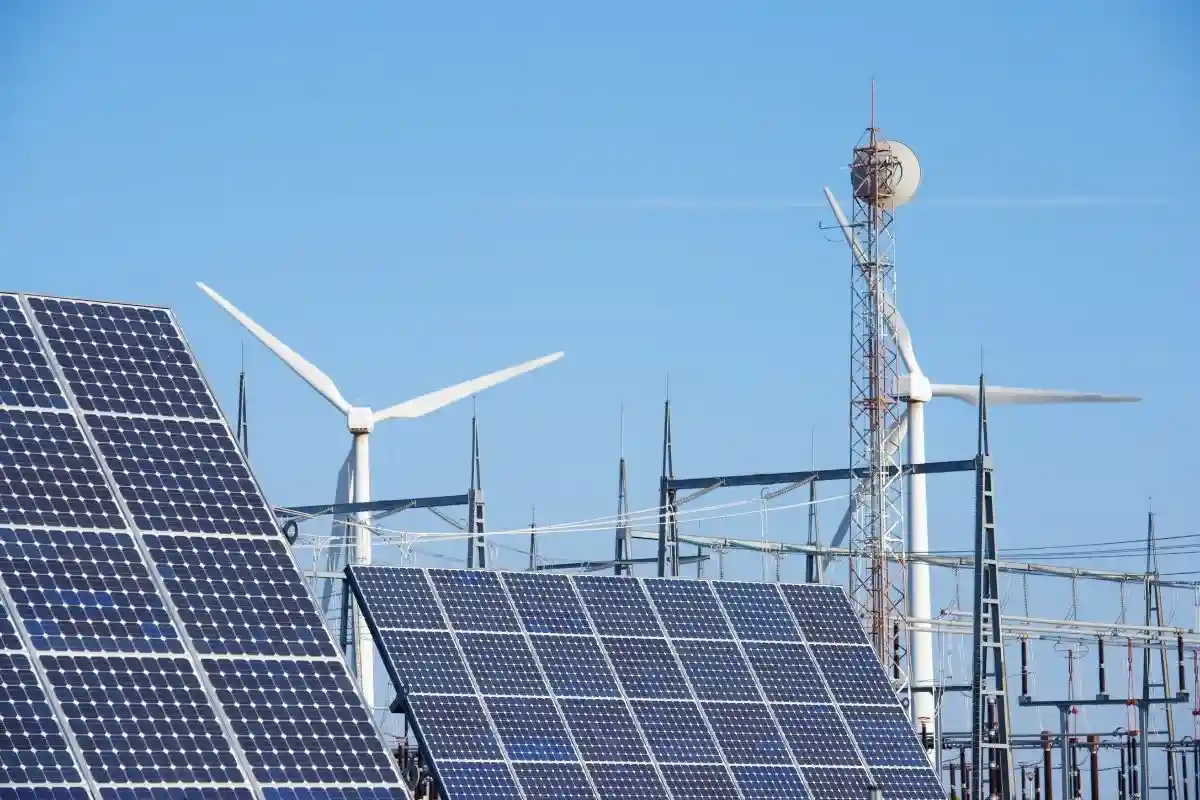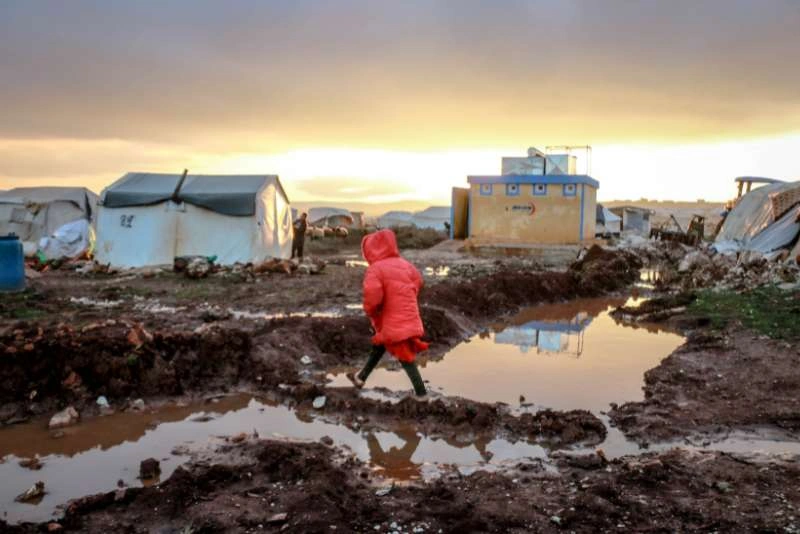
Climate neutrality represents a balanced relationship between human activities and the environment, where the amount of greenhouse gases emitted is equal to the amount removed from the atmosphere. Achieving this balance is essential for slowing global warming and stabilizing the planet’s climate. Reaching climate neutrality involves reducing emissions wherever possible and offsetting the remaining ones through carbon removal methods like reforestation, renewable energy investments, and emerging carbon capture technologies. The goal is not only to reach net-zero emissions but also to create a more sustainable and equitable future for all.
For individuals, the journey toward climate neutrality starts with everyday choices that collectively make a significant impact. People can reduce their carbon footprints by using energy-efficient appliances, walking or biking instead of driving, and cutting down on single-use plastics. Choosing renewable energy providers, supporting local food systems, and reducing meat consumption also contribute to lowering emissions. Offsetting unavoidable emissions through certified carbon offset programs can help achieve personal climate neutrality while supporting global sustainability projects.
Businesses have a crucial role to play by adopting cleaner technologies, improving energy efficiency, and transitioning to renewable power sources. They can measure and report their emissions transparently while supporting innovation in green manufacturing, circular economies, and carbon-neutral supply chains. Governments, meanwhile, must implement strong policies that encourage investment in renewable energy, sustainable transportation, and low-carbon infrastructure. International cooperation is equally important, as climate neutrality requires shared responsibility across borders.
Achieving climate neutrality is a collective moral and social commitment. It calls for creativity, collaboration, and a willingness to rethink how we live and work. Every action, no matter how small, contributes to the larger goal of preserving the planet for future generations.
Why is achieving climate neutrality important for both people and the planet? How can individuals, businesses, and governments each contribute to reaching net-zero emissions? What steps can you take in your own life to reduce your carbon footprint? What innovative technologies or global partnerships could accelerate progress toward a climate-neutral world?
Use the online submission form when sending your articles to help us track all of your submissions. Please try to write about the above topic. Your response should be at least 1,000 words.
To receive credit, your effort is what matters. You should find ways to contribute thoughtful ideas that will help others. Feel free to use personal stories or other information that you want to share, but do not use real names or other identifying information. You may write your response in the space provided or upload your response. Once we review your response, you will receive credit.
Click the button below to submit your article and get your credit.


Membership Email:
Verification Status: