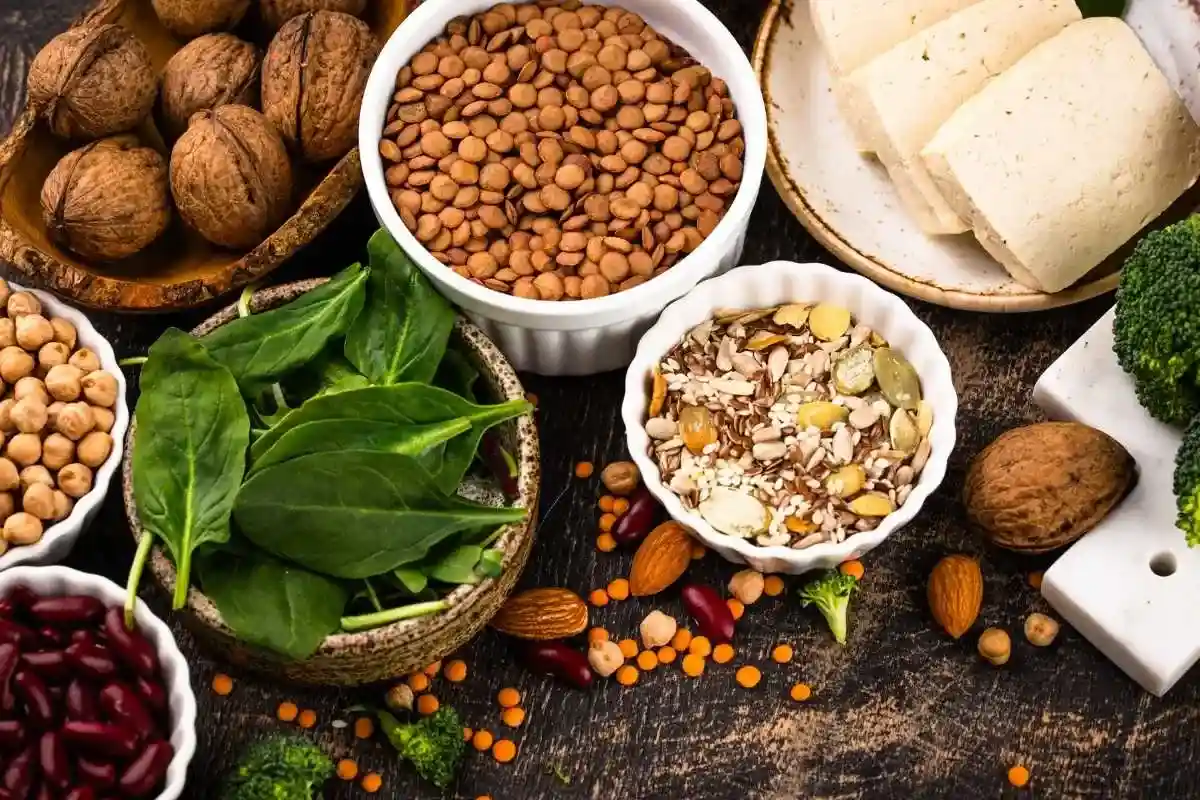
Plant-based diets are rapidly gaining popularity among young people who want to make a difference for both their health and the planet. This movement reflects a growing awareness of how food choices affect climate change, animal welfare, and resource use. By choosing fruits, vegetables, legumes, and plant-based proteins over meat and dairy, youth are helping to reduce greenhouse gas emissions, conserve water, and preserve ecosystems. At the same time, they are embracing a lifestyle that promotes personal well-being and encourages mindfulness about what they consume.
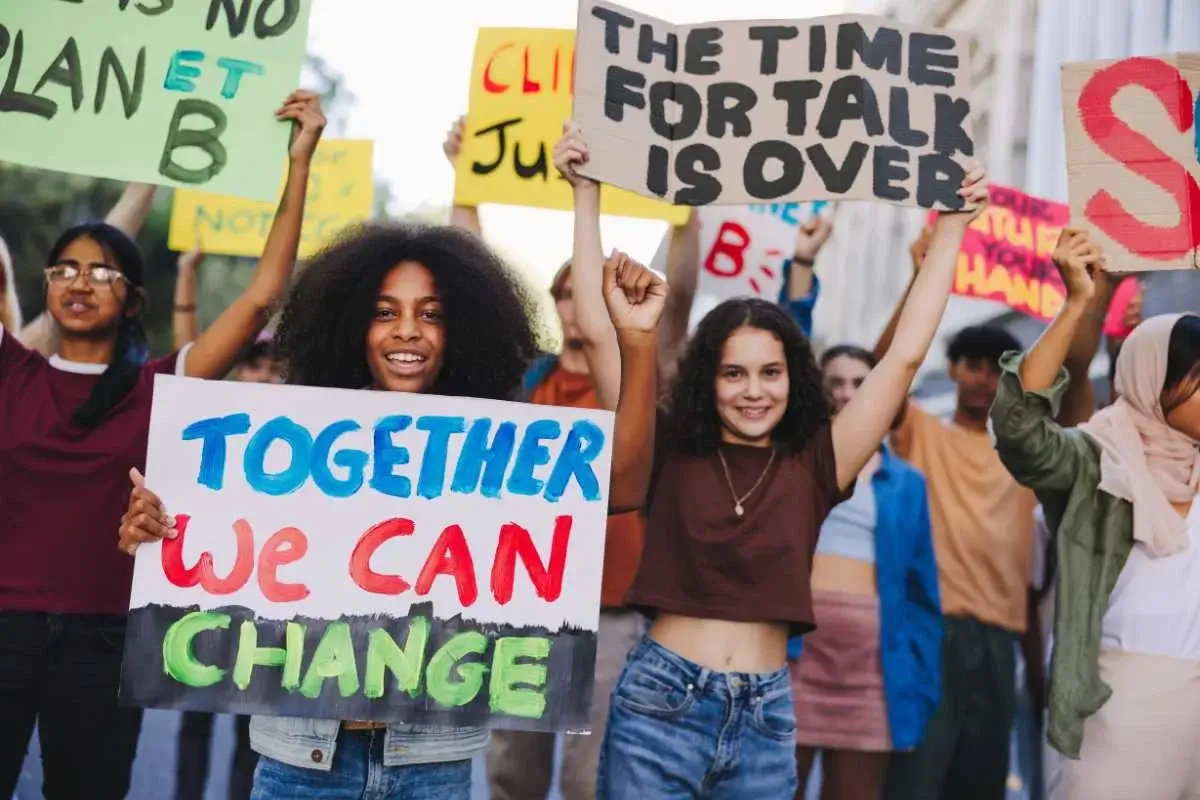
Beyond environmental and health benefits, this shift represents a broader cultural transformation. Young people are using social media, education, and activism to challenge traditional food systems and promote sustainable alternatives. Influencers, chefs, and environmental advocates are sharing plant-based recipes and information that make the transition more appealing and accessible. Yet, challenges remain. Access to affordable, nutritious, plant-based foods can vary widely by region. Cultural traditions, limited awareness, and misconceptions about nutrition can also make it difficult for some individuals to fully adopt or sustain a plant-based diet.
Overcoming these obstacles requires collective effort. Schools can introduce plant-based meal options and educate students about nutrition and sustainability. Communities can support local farmers’ markets and community gardens that make fresh produce available to everyone. Governments and organizations can encourage food innovation through subsidies for sustainable agriculture and plant-based alternatives. By working together, society can make plant-based eating a realistic and inclusive choice for all.
Why are so many young people choosing to adopt plant-based diets, and what impact does this have on the environment, health, and culture? What barriers prevent wider adoption of plant-based eating, and how can they be addressed through education, accessibility, and community initiatives? How can youth use their platforms to inspire others to make more sustainable food choices, and what role does personal responsibility play in shaping a more sustainable global food system?
Use the online submission form when sending your articles to help us track all of your submissions. Please try to write about the above topic. Your response should be at least 1,000 words.
To receive credit, your effort is what matters. You should find ways to contribute thoughtful ideas that will help others. Feel free to use personal stories or other information that you want to share, but do not use real names or other identifying information. You may write your response in the space provided or upload your response. Once we review your response, you will receive credit.
Click the button below to submit your article and get your credit.


Membership Email:
Verification Status: