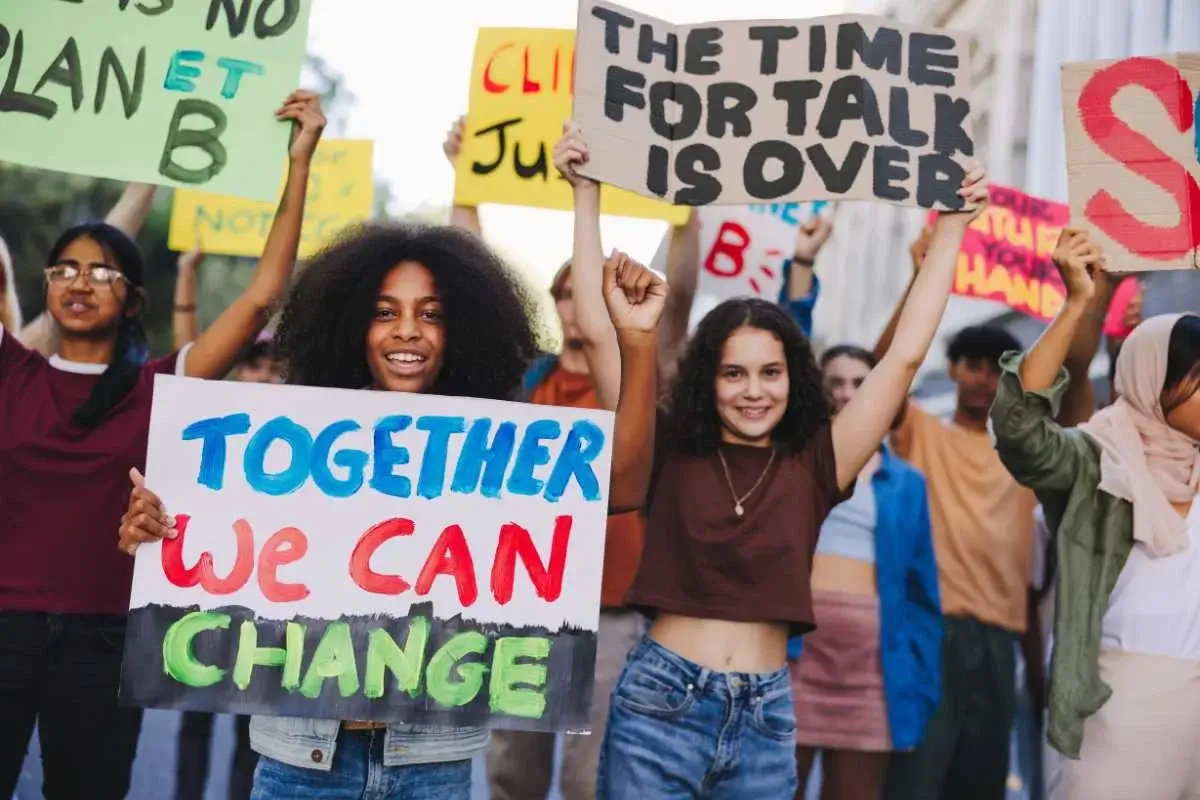
Across the globe, young people are redefining what it means to take climate action. From organizing global climate strikes to using digital platforms for awareness campaigns, youth activists are driving one of the most dynamic social movements of our time. Their courage and determination have pushed climate change into mainstream discussions, influencing governments, corporations, and communities to act. Youth advocacy has become a powerful force for accountability and innovation, showing that leadership can come from classrooms, communities, and online spaces—not just from traditional institutions.
The strength of youth-led climate movements lies in their ability to connect emotionally and creatively with audiences. Through storytelling, art, and social media, young advocates make climate issues relatable and urgent. Their personal experiences bring authenticity and emotional depth to global conversations that might otherwise feel distant or abstract. Storytelling can transform data and science into shared human experiences, motivating action and fostering empathy across generations.
To sustain this momentum, support systems must evolve. Governments, schools, and NGOs can play a vital role by offering mentorship programs, funding opportunities, and leadership training for young advocates. Educational institutions can integrate climate leadership and communication skills into their curricula, preparing students to navigate complex policy spaces. However, maintaining independence and authenticity is crucial. External support should empower rather than direct youth movements, ensuring their voices remain genuine and community-driven.
Lasting change depends on transforming awareness into policy. Youth movements must be included in decision-making spaces, from local councils to international climate conferences. Providing access to negotiation and advocacy training can help young leaders transition from protest to policy influence. Collaboration with experienced environmental organizations can also strengthen their impact while preserving their grassroots spirit.
How can youth activists use storytelling to connect emotionally with audiences and make climate change feel personal? What types of mentorship and training can help them become stronger advocates while preserving their independence? How can youth-led movements maintain pressure on policymakers to ensure promises translate into meaningful climate action? Consider how young leaders can transform passion into policy and inspire long-term global change.
Use the online submission form when sending your articles to help us track all of your submissions. Please try to write about the above topic. Your response should be at least 1,000 words.
To receive credit, your effort is what matters. You should find ways to contribute thoughtful ideas that will help others. Feel free to use personal stories or other information that you want to share, but do not use real names or other identifying information. You may write your response in the space provided or upload your response. Once we review your response, you will receive credit.
Click the button below to submit your article and get your credit.


Membership Email:
Verification Status: