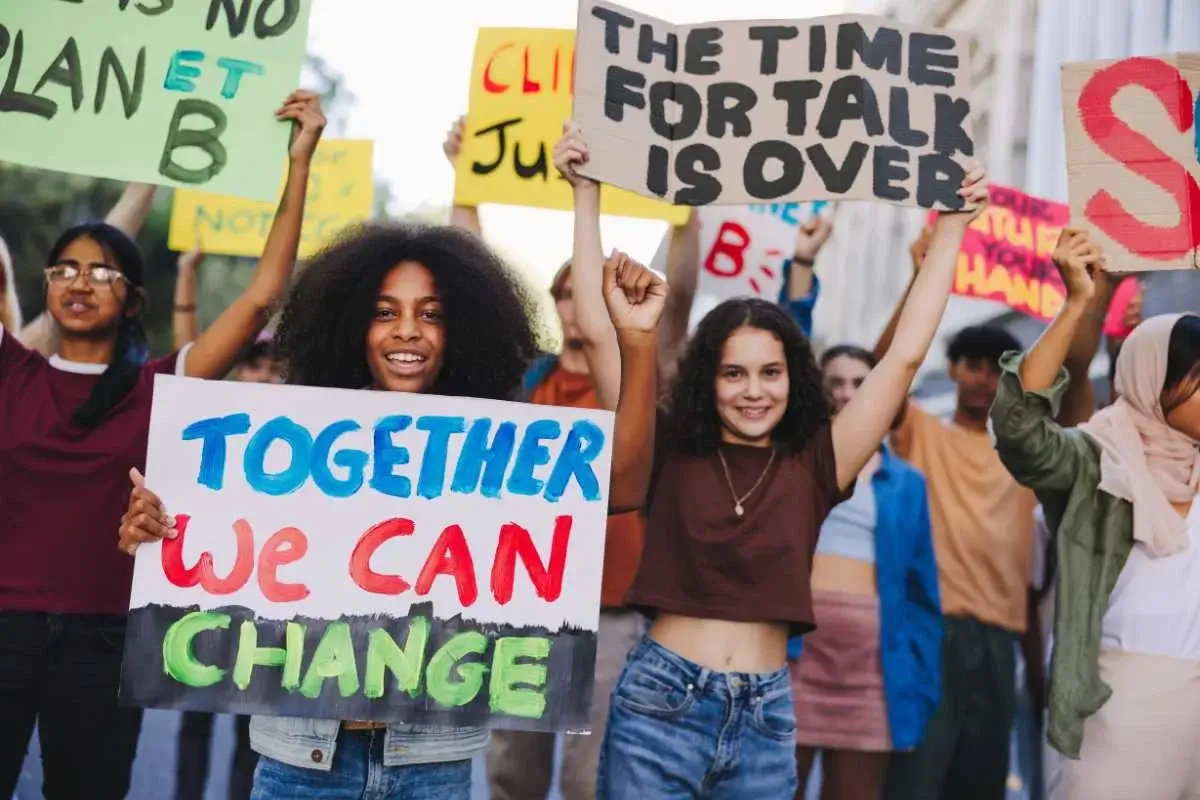
Young leaders have the power to create meaningful change within their communities by working directly with local and government leaders. Building relationships with decision-makers helps ensure that youth voices are included in conversations about sustainability, climate action, and community development. By understanding how local systems work and finding effective ways to communicate their ideas, young advocates can help shape policies that promote a healthier and more sustainable future.
There are many ways for young people to engage with their communities. Attending town hall meetings, joining youth councils, or participating in local advocacy groups allows them to share their perspectives and propose solutions. Organizing events such as cleanups, workshops, or educational campaigns can also demonstrate commitment and attract community support. Partnerships with local leaders, schools, and organizations can amplify their efforts and lead to long-term initiatives that benefit both people and the environment.
Empowering youth to participate in leadership roles builds confidence and ensures that diverse voices influence change. When young advocates collaborate with experienced community members, they learn how to navigate systems, build coalitions, and achieve tangible results. Their energy and creativity are essential for driving innovation and inspiring others to take part in community action.
What strategies can young leaders use to effectively engage with local leaders and advocate for sustainable change? How can youth-led initiatives influence community policies and long-term environmental goals? What types of partnerships or collaborations can make advocacy efforts stronger? How can young people ensure their voices are heard and that their ideas lead to lasting impact in their communities?
Use the online submission form when sending your articles to help us track all of your submissions. Please try to write about the above topic. Your response should be at least 1,000 words.
To receive credit, your effort is what matters. You should find ways to contribute thoughtful ideas that will help others. Feel free to use personal stories or other information that you want to share, but do not use real names or other identifying information. You may write your response in the space provided or upload your response. Once we review your response, you will receive credit.
Click the button below to submit your article and get your credit.


Membership Email:
Verification Status: