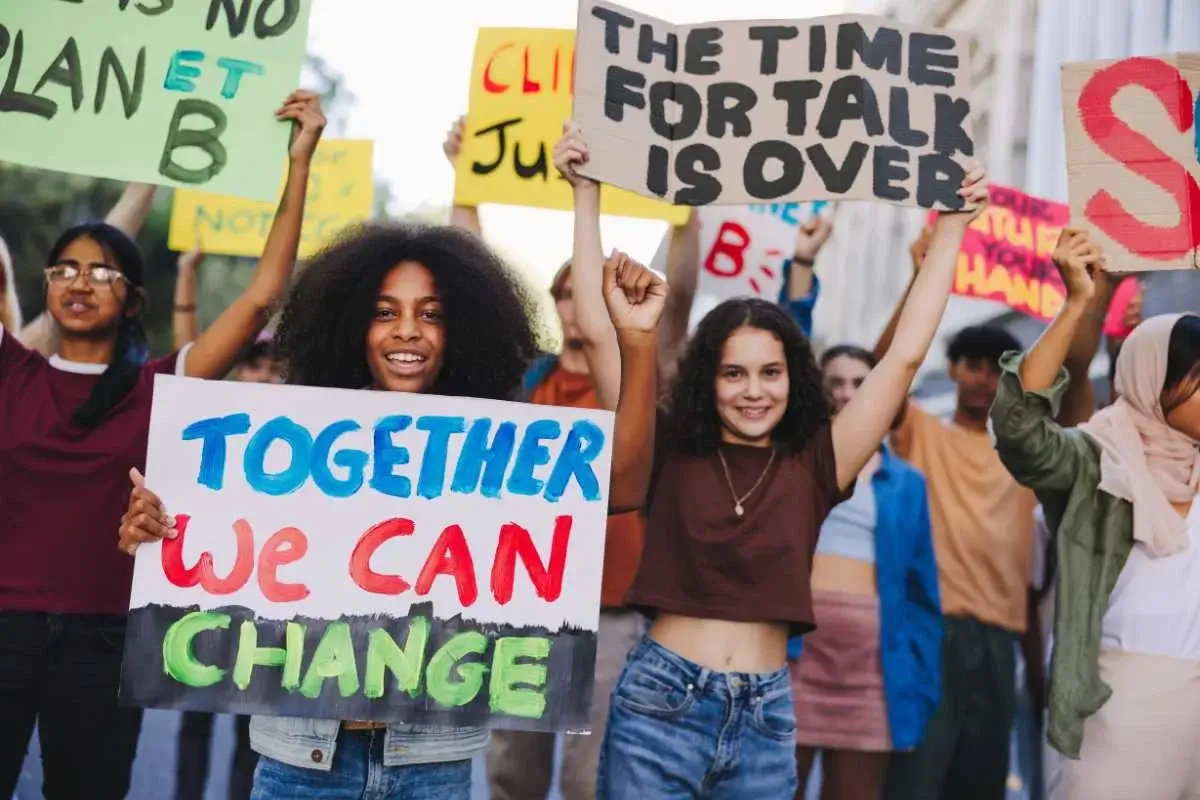
Young people around the world are becoming powerful leaders in the movement to fight climate change. They are organizing protests, launching innovative projects, and demanding accountability from governments and corporations. Through social media campaigns, school programs, and community initiatives, youth activists are raising awareness about environmental issues and motivating others to take action. Their creativity, passion, and determination have brought global attention to the urgent need for bold climate policies and sustainable solutions.
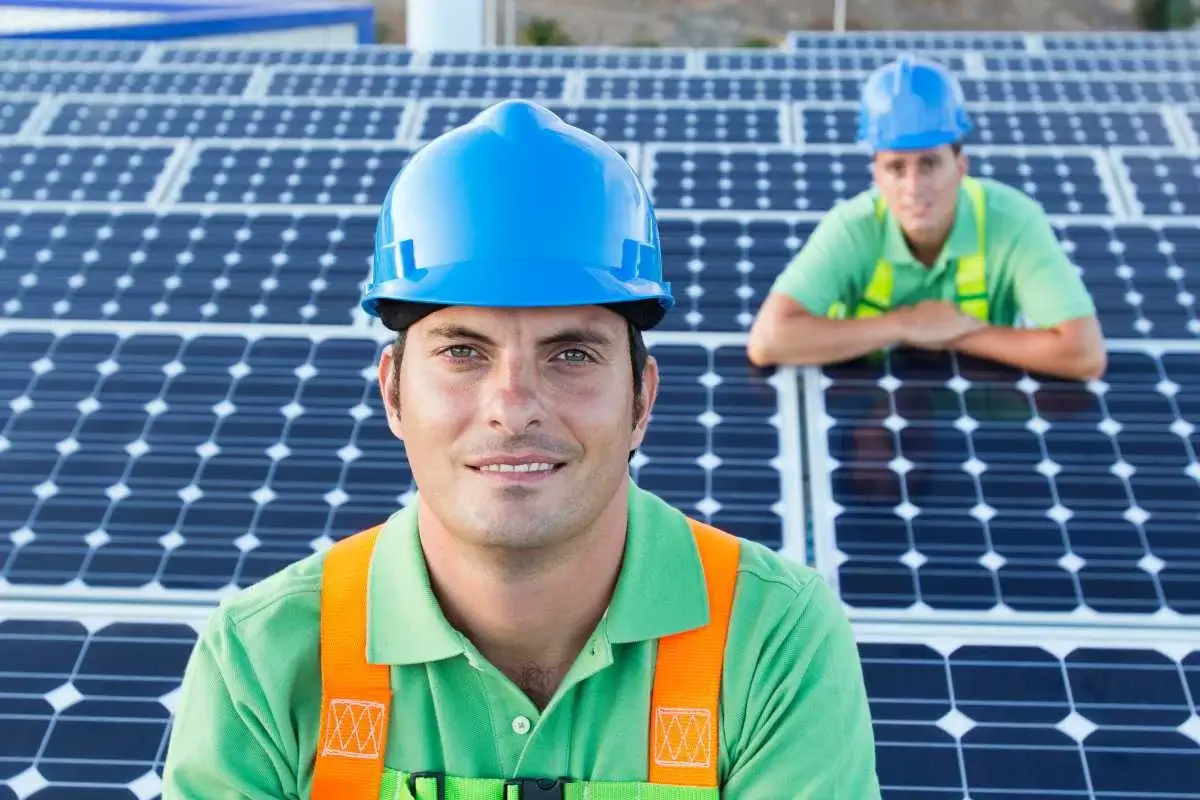
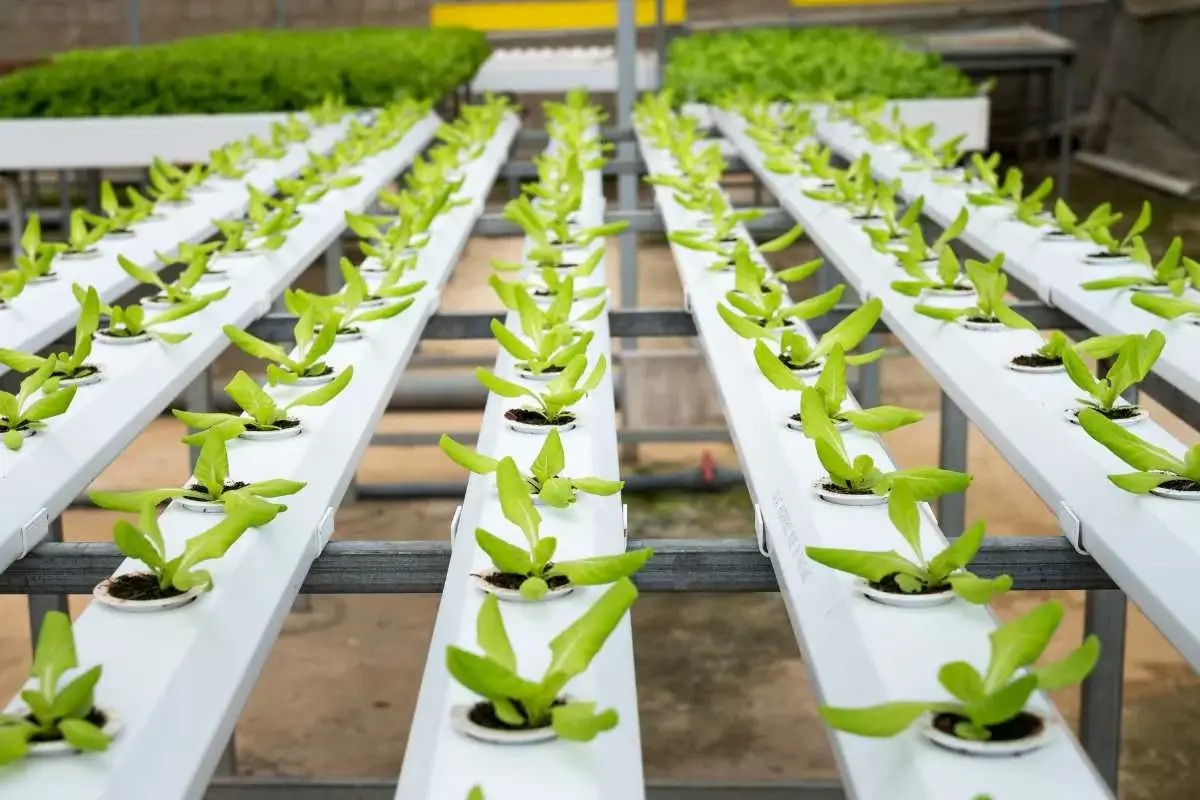
This growing youth movement shows that change begins with collective effort. Young leaders are not only calling for action but are also building it by creating clean energy startups, developing eco-friendly technologies, and leading reforestation and cleanup projects. They are shaping a vision of the future rooted in justice, sustainability, and collaboration. However, many young activists face challenges such as lack of funding, limited access to decision-makers, and social or political barriers that make it difficult for their voices to be heard.
Supporting these leaders is essential for ensuring their efforts continue to grow and succeed. Governments and organizations can provide mentorship programs, grant funding, and opportunities for youth participation in policy development. Schools can integrate environmental education that empowers students with the knowledge and tools to create change. Communities can amplify youth-led initiatives through collaboration and public support.
What can be done to help young climate leaders achieve their goals and strengthen their influence? How can governments, businesses, and organizations better collaborate with youth activists to create meaningful environmental change? Are there examples of youth-led initiatives that deserve greater visibility or investment? What resources, partnerships, or programs could help expand their impact? How can we encourage more young people to take part in climate action and become lifelong advocates for sustainability?
Use the online submission form when sending your articles to help us track all of your submissions. Please try to write about the above topic. Your response should be at least 1,000 words.
To receive credit, your effort is what matters. You should find ways to contribute thoughtful ideas that will help others. Feel free to use personal stories or other information that you want to share, but do not use real names or other identifying information. You may write your response in the space provided or upload your response. Once we review your response, you will receive credit.
Click the button below to submit your article and get your credit.


Membership Email:
Verification Status: