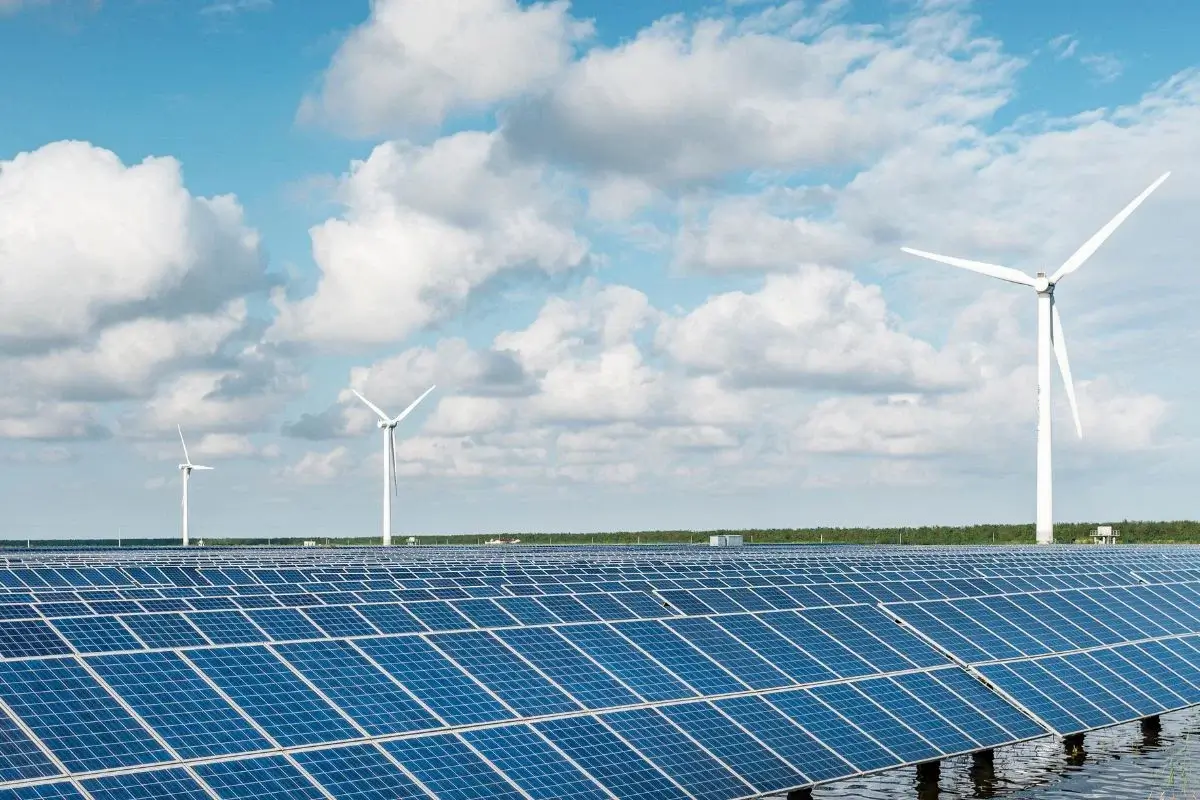
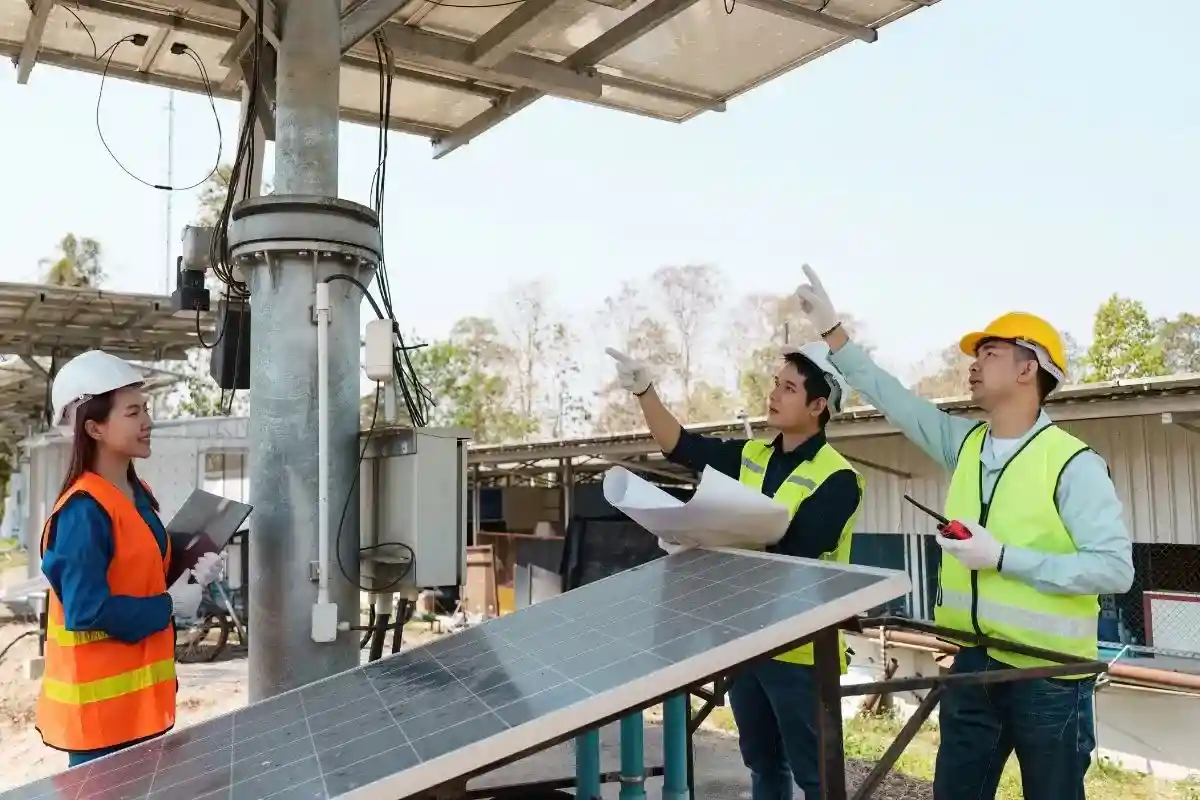
Climate change technology holds the power to transform how we address the challenges of climate change. From developing renewable energy systems to refining carbon capture technologies, innovation is driving us toward solutions that protect the planet. By combining creativity and science, technology is reimagining what’s possible, helping us reduce emissions, conserve resources, and build a sustainable future for everyone.
Climate and technology intersect in exciting and inspiring ways. Smart grids, electric vehicles, and AI-powered climate modeling are just a few examples of how advancements are reshaping industries and everyday life. These tools not only make sustainability more achievable but also empower communities to thrive in a changing world. Learning about this dynamic relationship provides insights into how we can harness technology to tackle today’s environmental challenges head-on.
You can take your understanding further by engaging in hands-on and creative activities. Enroll in a course to explore cutting-edge technologies and their impact on mitigating climate change. Write an article to showcase groundbreaking innovations or share the stories of visionaries at the forefront of green tech. Use social media to spread knowledge about practical eco-tech applications, or grab your camera to document how technology is making waves in environmental protection. These actions allow you to learn, contribute, and inspire broader conversations about technology’s role in shaping a sustainable world.
The intersection of climate and technology offers potential for change. It’s not just about the tools we create but how we use them to create equitable and lasting solutions. Every innovation is a step toward transforming our world into a resilient, climate-conscious society. By understanding and contributing to these advancements, you can help drive meaningful progress for a better tomorrow.

Explore how artificial intelligence is revolutionizing agriculture, tackling challenges like climate change and resource scarcity. Learn how AI boosts efficiency, reduces waste, and supports sustainable farming for a growing world.

Explore how advanced technologies and satellite imagery are revolutionizing marine conservation. Learn how these tools combat illegal fishing, protect biodiversity, and support ocean management.

Discover how renewable energy and green technology are transforming global energy systems, reducing greenhouse gas emissions, and driving the transition toward a sustainable, net-zero future.

Switching to energy-efficient light bulbs reduces energy use, lowers bills, and cuts emissions. Replace old bulbs with LEDs or CFLs for long-lasting, eco-friendly lighting.

Cleaning gutters and storm drains prevents water pollution and flooding. Remove debris, dispose of waste properly, and help protect local waterways in your community.

Beach cleanups protect marine life and reduce ocean pollution. Help keep unwanted materials out of our oceans and preserve these vital habitats to ensure cleaner, safer oceans and beaches.

Cleaning up a local park helps your community and protects the environment. Learn how you can help by cleaning up a park to help your community.

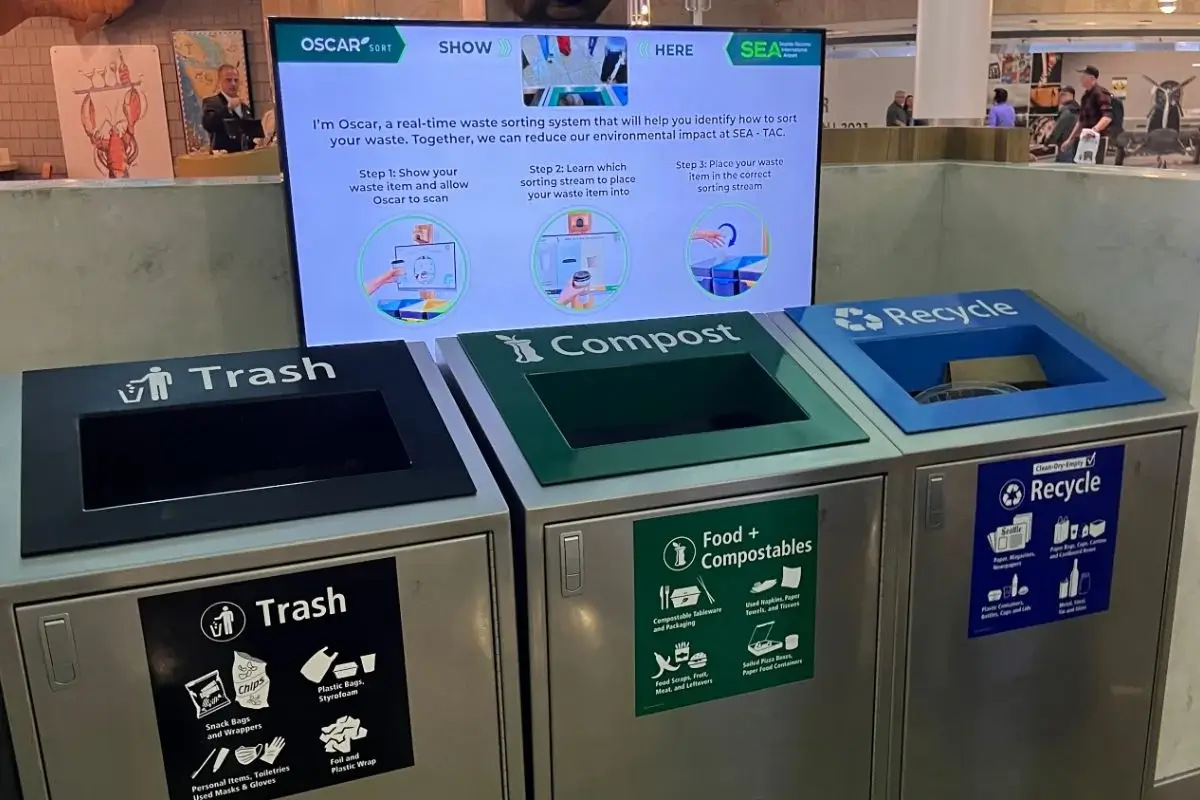
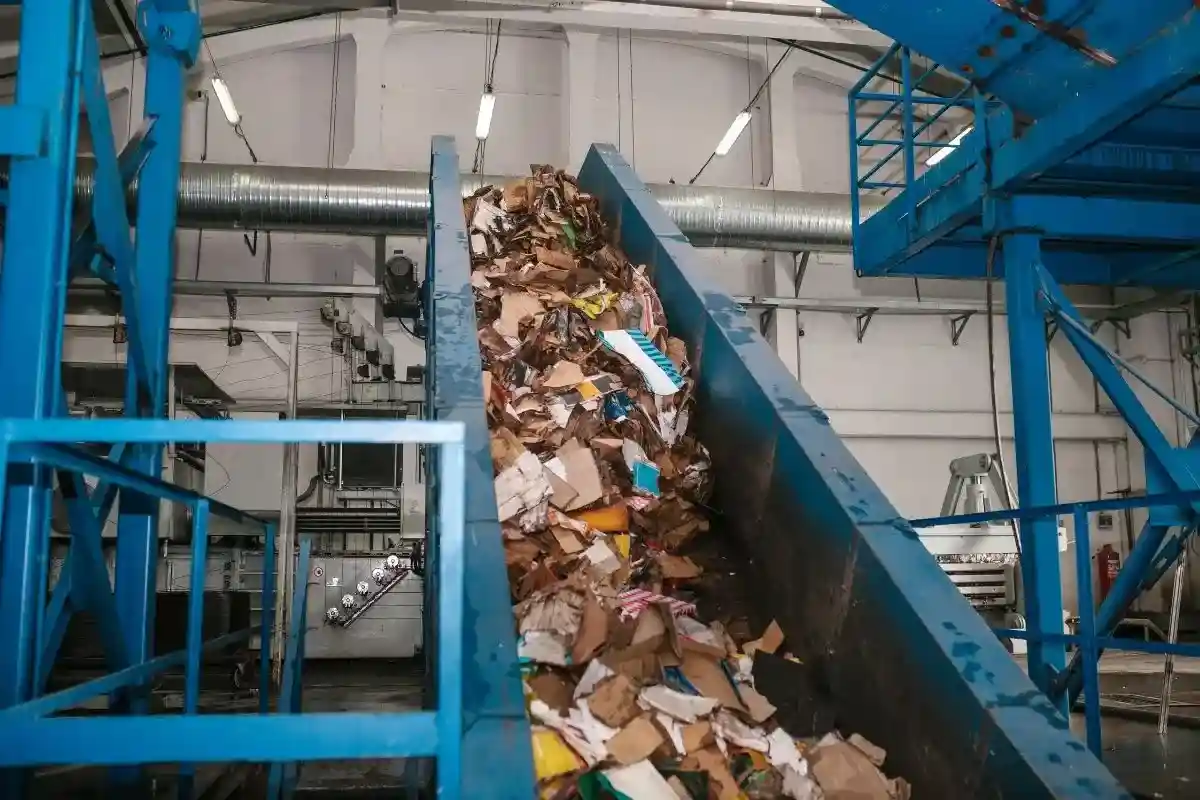
Recycling aluminum cans is an easy, energy-saving way to reduce waste and support sustainability. Collect, rinse, and recycle to conserve resources and reduce landfill waste.

Recycling batteries reduces toxic waste and protects the environment. Collect used batteries and drop them off at any designated recycling locations.

Recycling electronics reduces waste and prevents pollution. Collect unused devices and drop them off at e-waste recycling centers or donation programs.

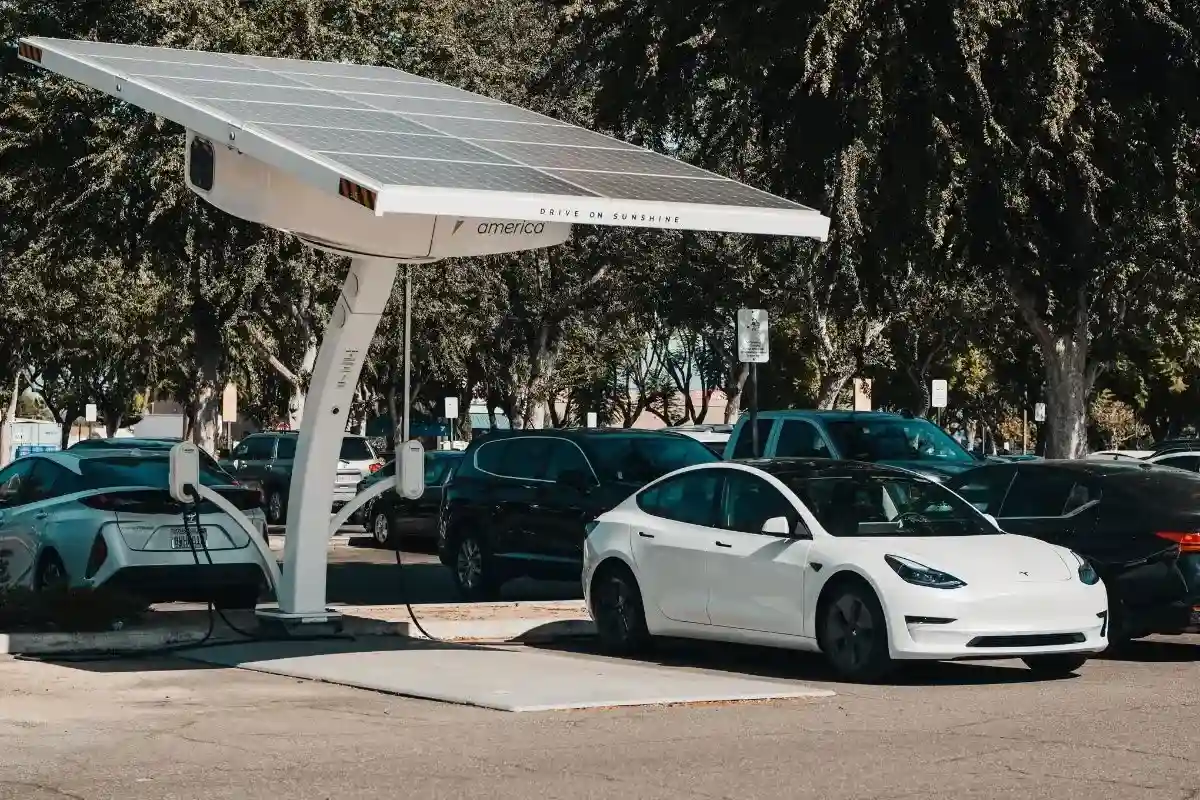
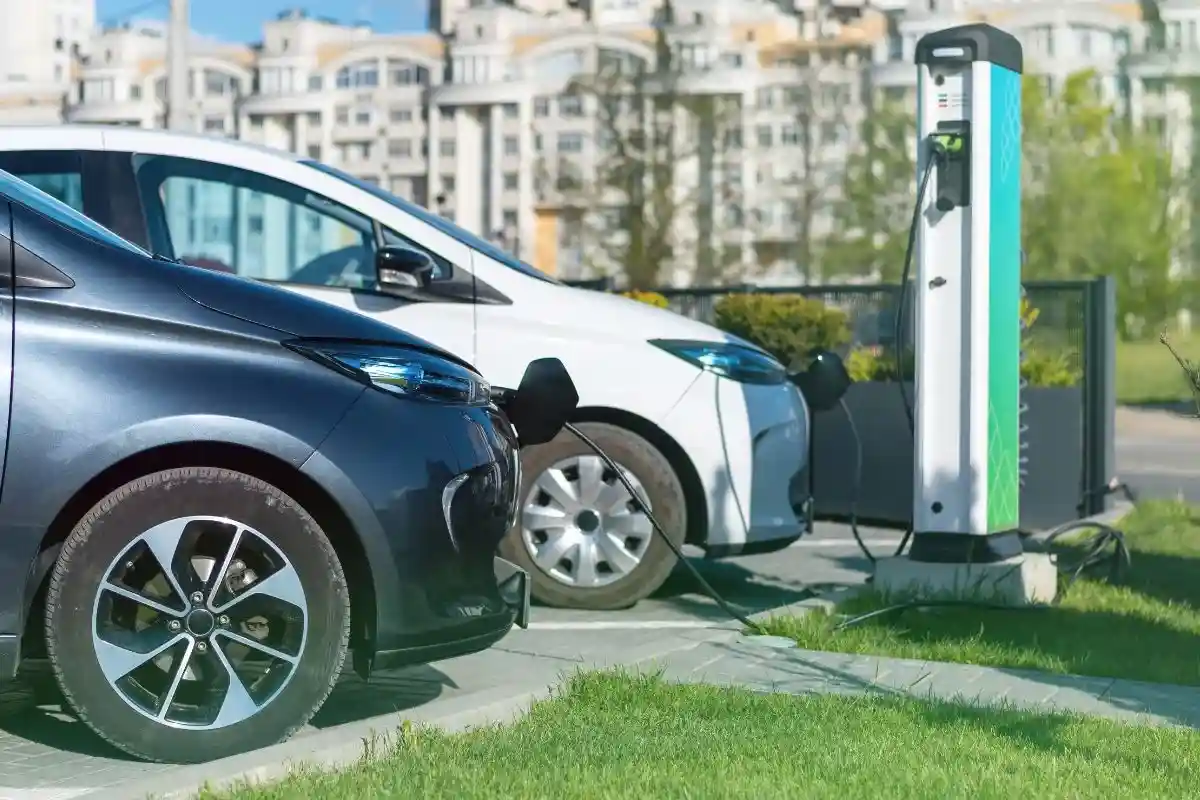
Photograph renewable energy systems, eco-friendly vehicles, or other tech or apps designed to track carbon footprints.

Showcase how technology drives climate solutions with updates on innovations and their impacts.


Membership Email:
Verification Status: