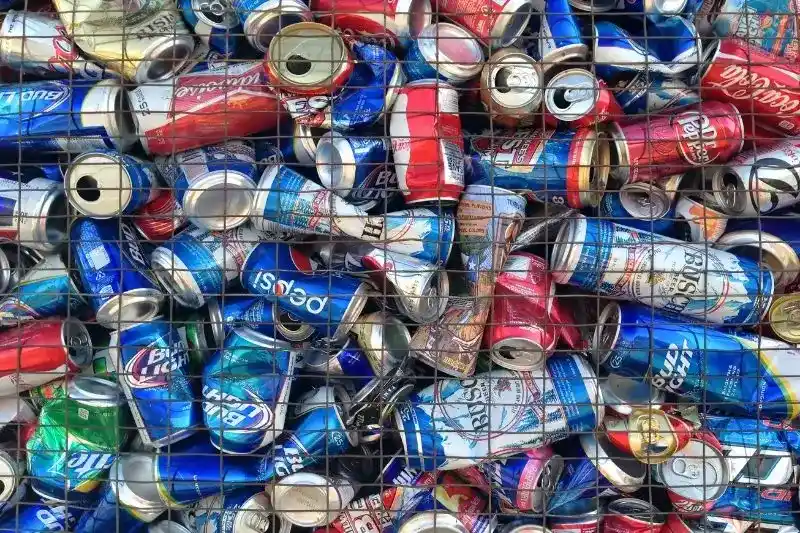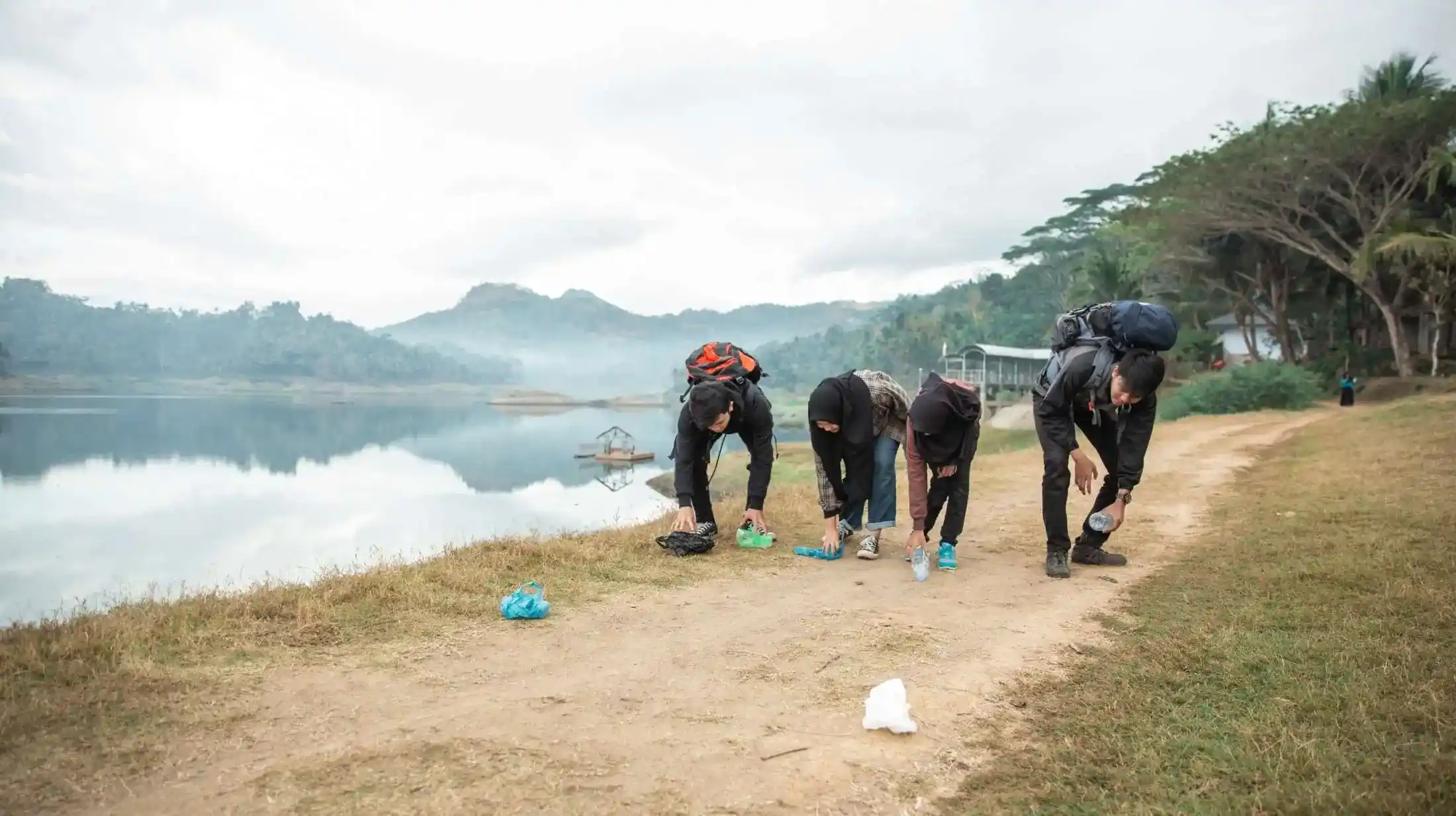
Lake and river cleanups are essential for protecting freshwater ecosystems and the species that depend on them. Removing litter prevents it from breaking down into harmful microplastics or flowing downstream into larger bodies of water, such as oceans. Cleaning up a lake or river is a great way to protect freshwater ecosystems and ensure these vital resources remain healthy for both wildlife and people. Lakes and rivers are home to diverse species of plants and animals, and they provide drinking water, recreation, and economic benefits to surrounding communities. However, pollution from litter, plastics, and other debris can harm aquatic life, disrupt ecosystems, and contaminate water supplies. By dedicating time to a cleanup, you can help safeguard these critical environments.
To get started, gather supplies such as gloves, trash bags, a grabber tool, and sturdy shoes or boots for walking along the shoreline. If you plan to clean in the water, consider bringing waders or waterproof boots for safety. Begin by identifying areas with visible litter, such as along the banks, near docks, or in shallow waters where debris often collects. As you clean, separate recyclables like plastic bottles and cans from general trash to ensure proper disposal. Be cautious when handling sharp objects or hazardous materials, and report any large or dangerous debris to local authorities.
Make sure to take before and after photos of the areas you clean to prove you completed this project. It is important to take a picture of the littered space before you begin, and then take another one of the same spot once it’s clean and trash-free. After you are finished, you will upload your images and answer a few questions.
To receive credit, complete the submission form. Make sure to include images to show off your work and explain what you learned by completing this project.
Click the button below to submit your cleanup project and get your credit.


Membership Email:
Verification Status: