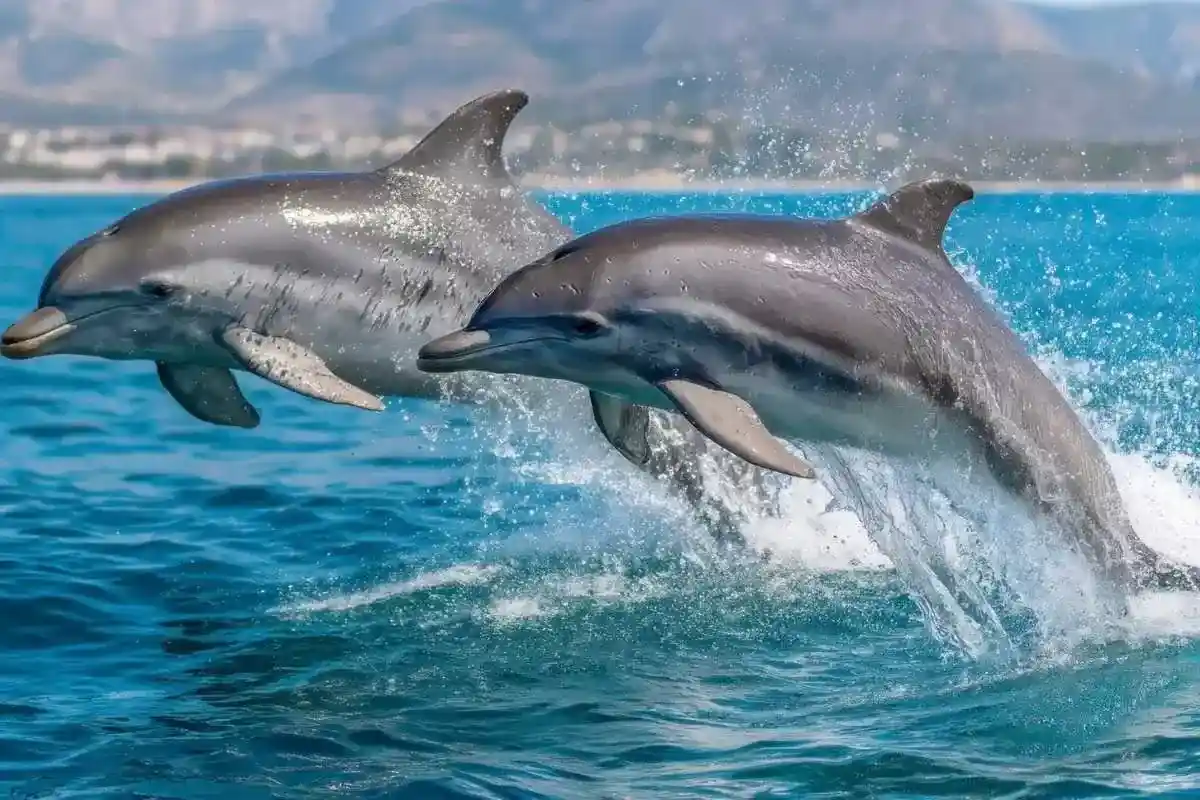
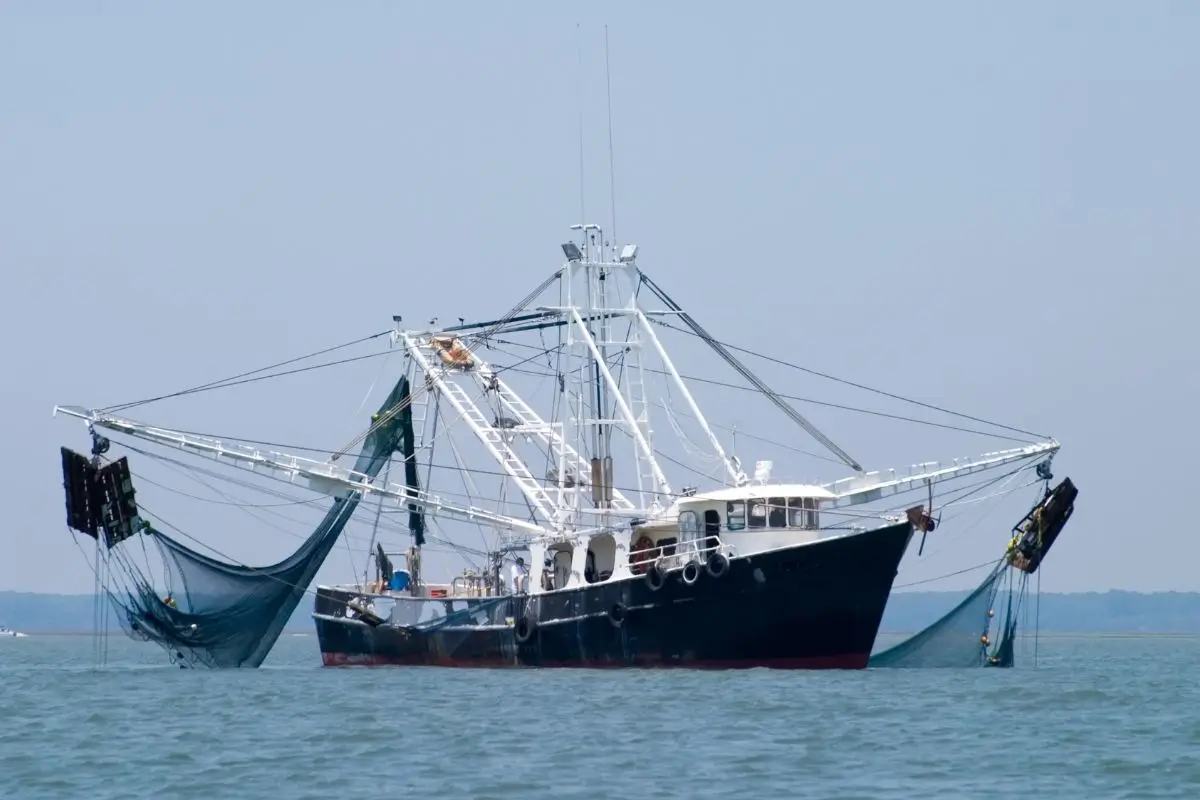
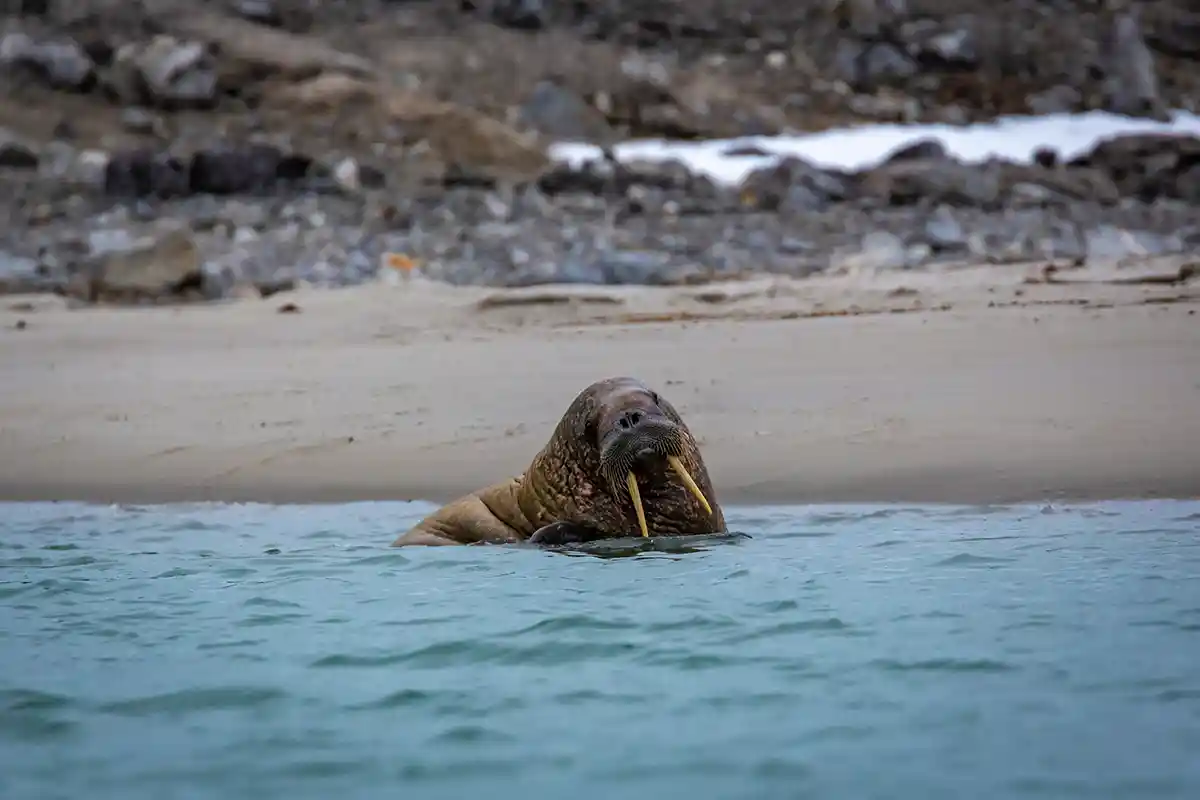
The oceans are the lifeblood of our planet, covering more than 70% of the Earth’s surface and producing over half of the oxygen we breathe. They regulate our climate, provide food for billions of people, and support a diverse array of marine life. However, despite their critical importance, oceans and marine ecosystems are under unprecedented pressure from human activities, including overfishing, pollution, habitat destruction, and the impacts of climate change. Addressing these challenges is not just an environmental necessity but a fundamental step toward a healthier, sustainable future.
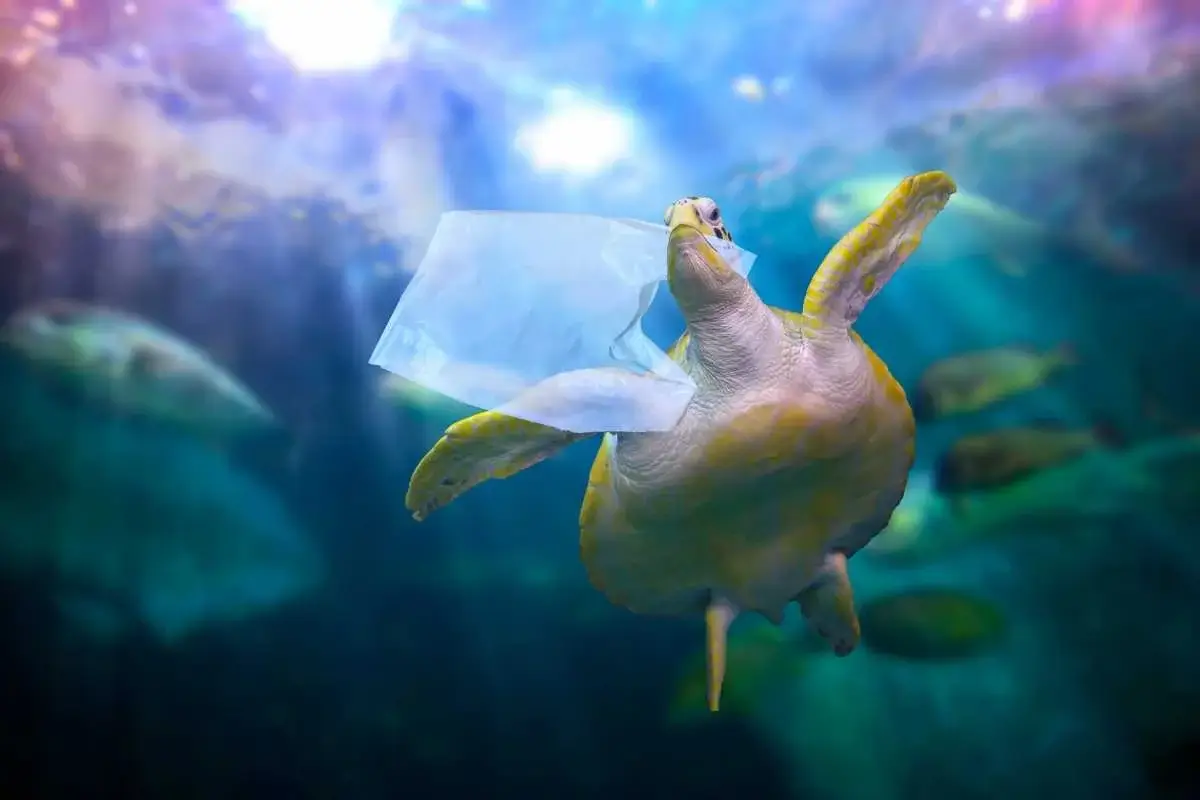
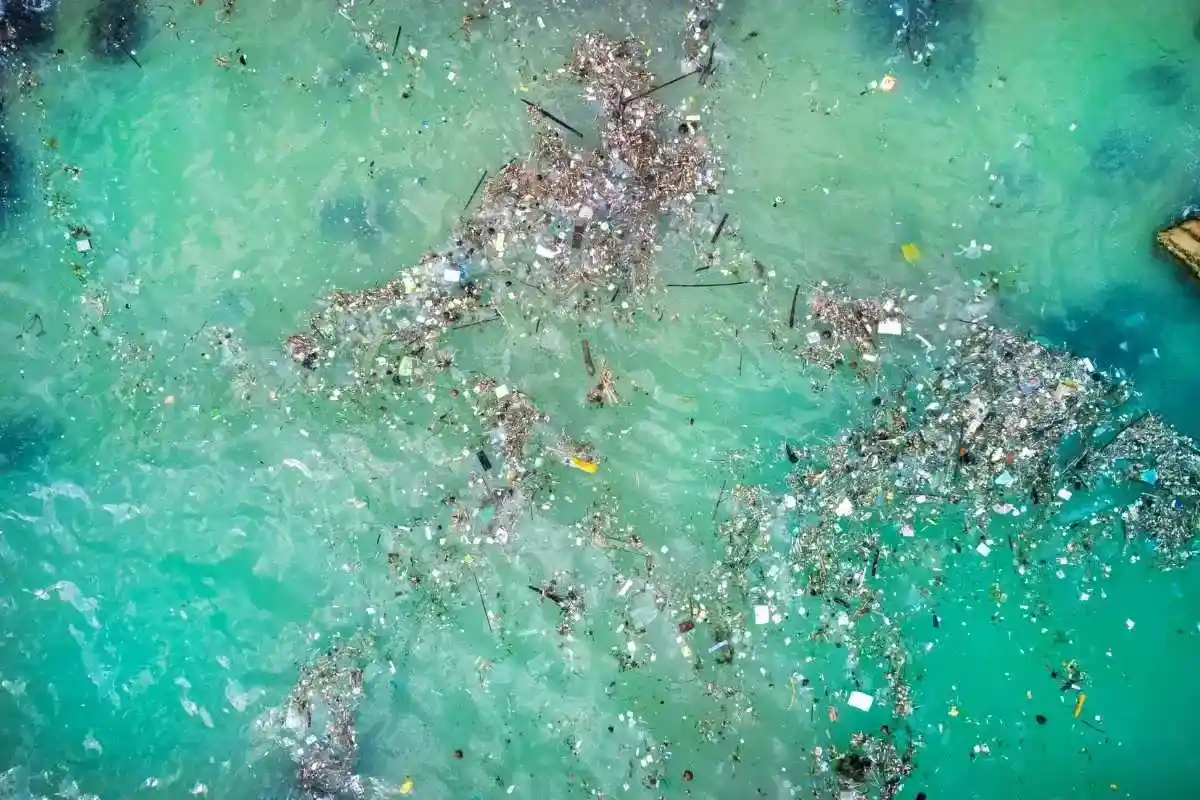
One of the greatest threats to ocean health is plastic pollution. Each year, millions of tons of plastic waste end up in the oceans, entangling marine animals, disrupting ecosystems, and entering the food chain. Microplastics, tiny fragments of degraded plastic, have been found in fish, shellfish, and even the salt we consume. Reducing single-use plastics, improving waste management systems, and supporting innovative solutions like biodegradable packaging are crucial for mitigating this crisis.
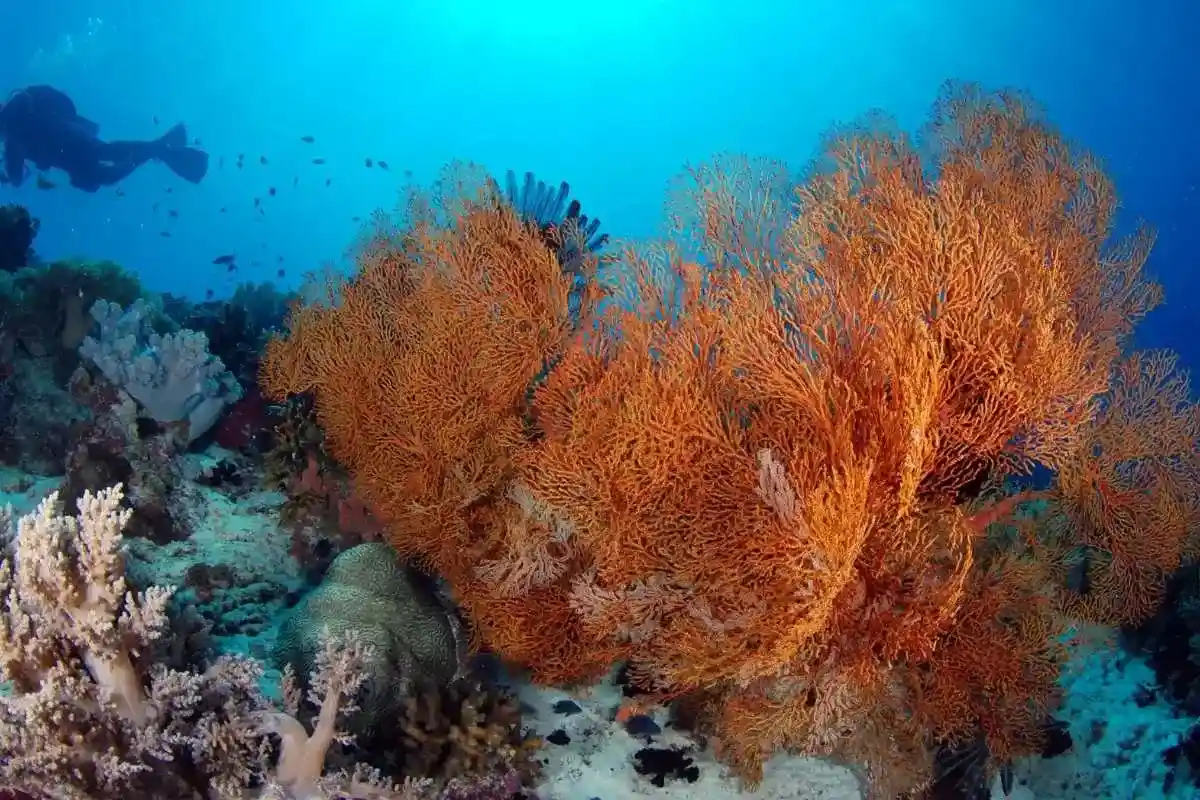
Marine conservation also depends heavily on protecting biodiversity. Coral reefs, often referred to as the "rainforests of the sea," provide shelter for countless species and play a vital role in supporting marine ecosystems. Yet, they are highly vulnerable to warming waters and ocean acidification. Establishing marine protected areas (MPAs), restoring damaged habitats, and promoting sustainable tourism are effective ways to ensure these underwater treasures are preserved for generations to come.
Empowering coastal communities to take an active role in conservation is another key element of ocean protection. From small-scale fisheries adopting sustainable practices to grassroots organizations cleaning up local beaches, community-led efforts can make a significant difference. Governments, NGOs, and individuals must work together to recognize and amplify these contributions by providing resources, education, and platforms for collaboration.
You can take your learning to the next level by choosing courses or jumping into creative projects like writing, social media, or photography. Write a blog that shines a spotlight on communities turning challenges into opportunities. Create social media posts to spread resilience-building tips far and wide. Or grab your camera and capture inspiring moments of adaptation in action. By sharing these stories, you can inspire others to care for our marine environments.
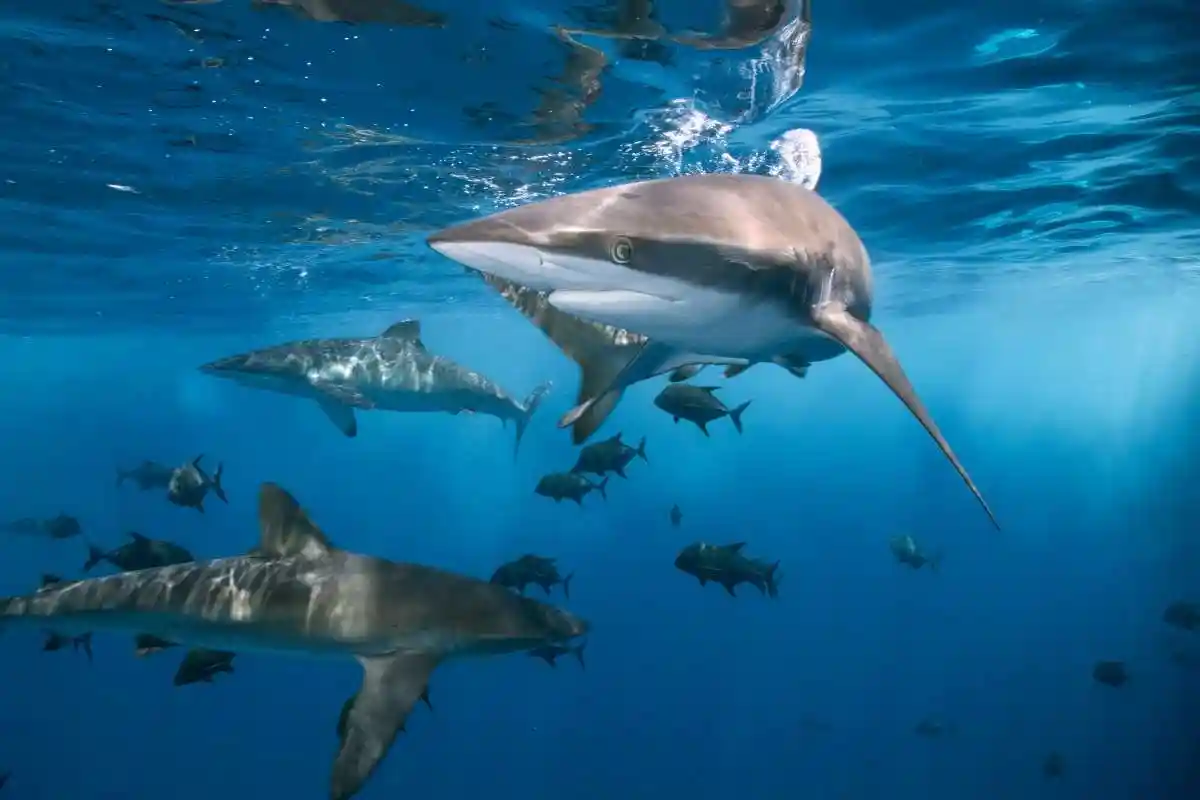
Explore the environmental and ethical challenges of Europe’s shark trade, a billion-dollar industry threatening marine ecosystems. Learn how overfishing impacts biodiversity and the urgent need for sustainable solutions.
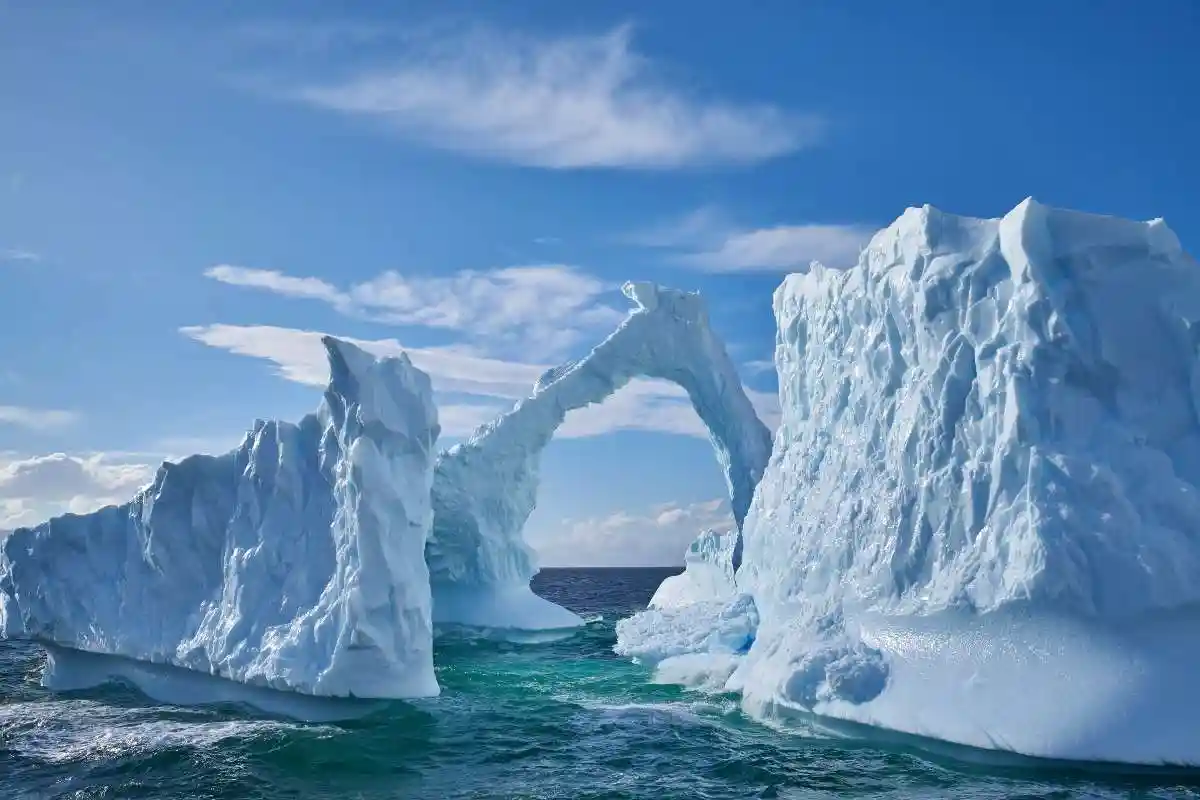
Dive into Antarctica’s icy depths to uncover a hidden world of unique marine life and vital ecosystems. Learn how these environments reveal the impacts of climate change and inspire global conservation efforts.
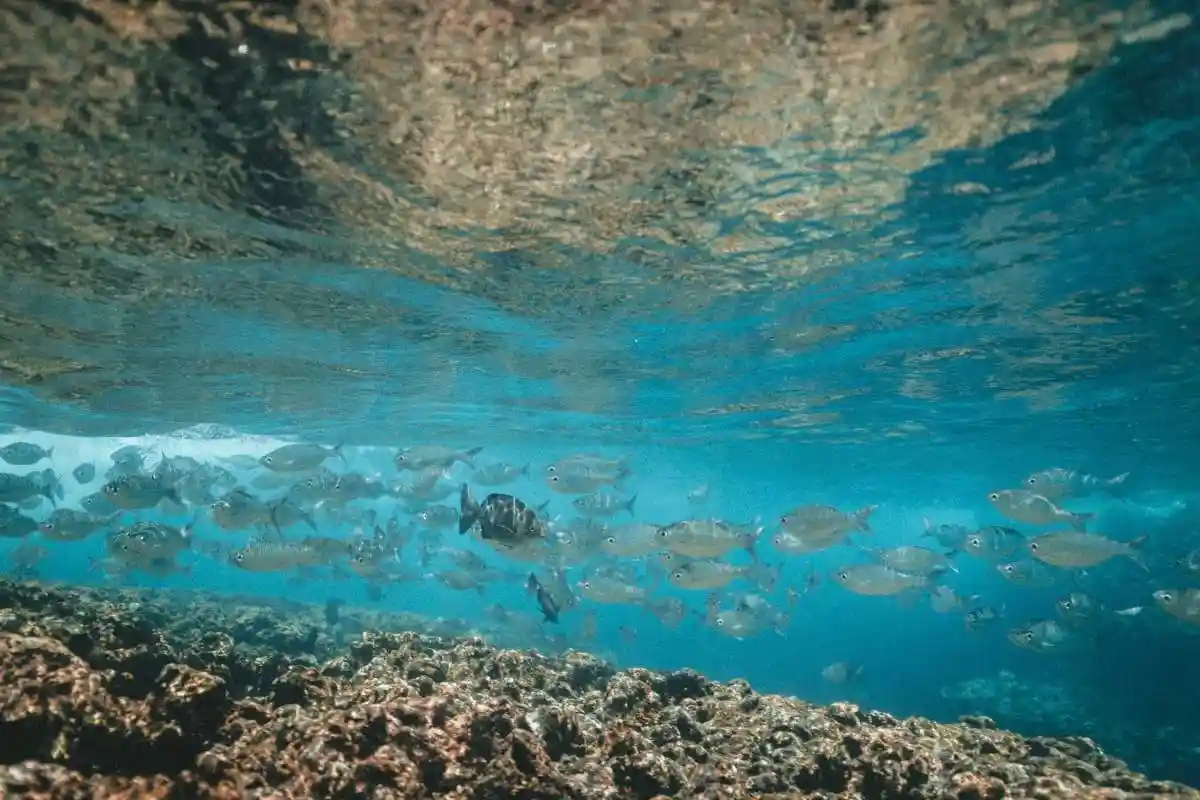
Discover how people and coastal ecosystems influence each other, shaping lives and environments. Learn how working together with nature can help protect our coasts and support sustainable conservation.
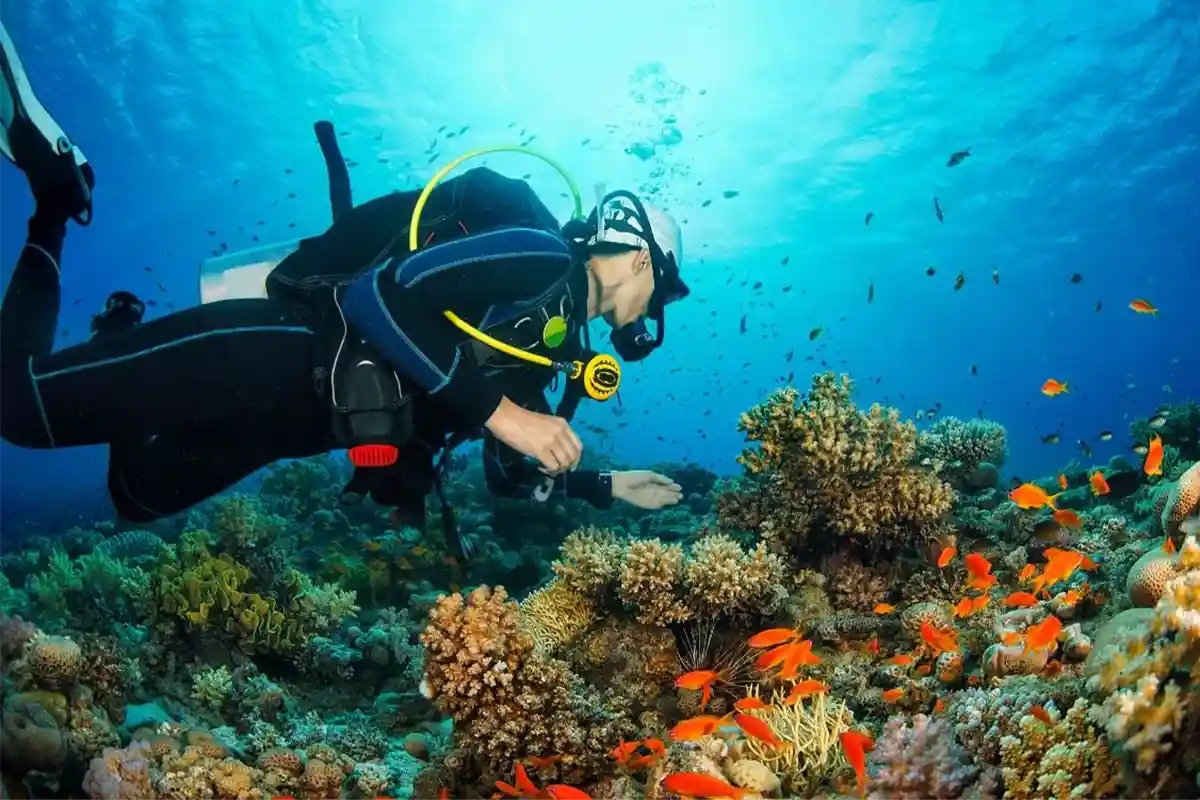
Dive into the world of coral reefs, vibrant ecosystems vital to marine life and people. Learn why they are at risk and discover ways we can protect and restore these underwater treasures.
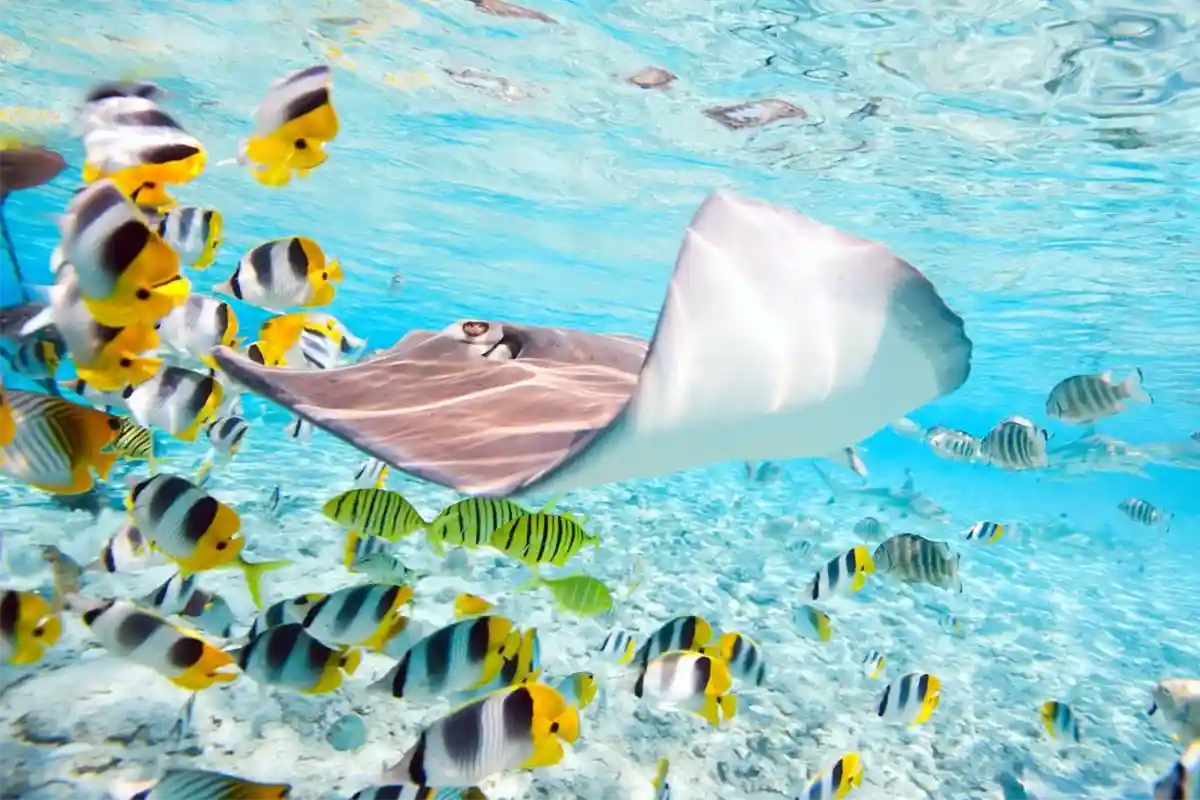
Explore groundbreaking ways to protect our oceans and marine life. Learn how science, technology, and community efforts are transforming underwater conservation and find ways on how you can make a difference.
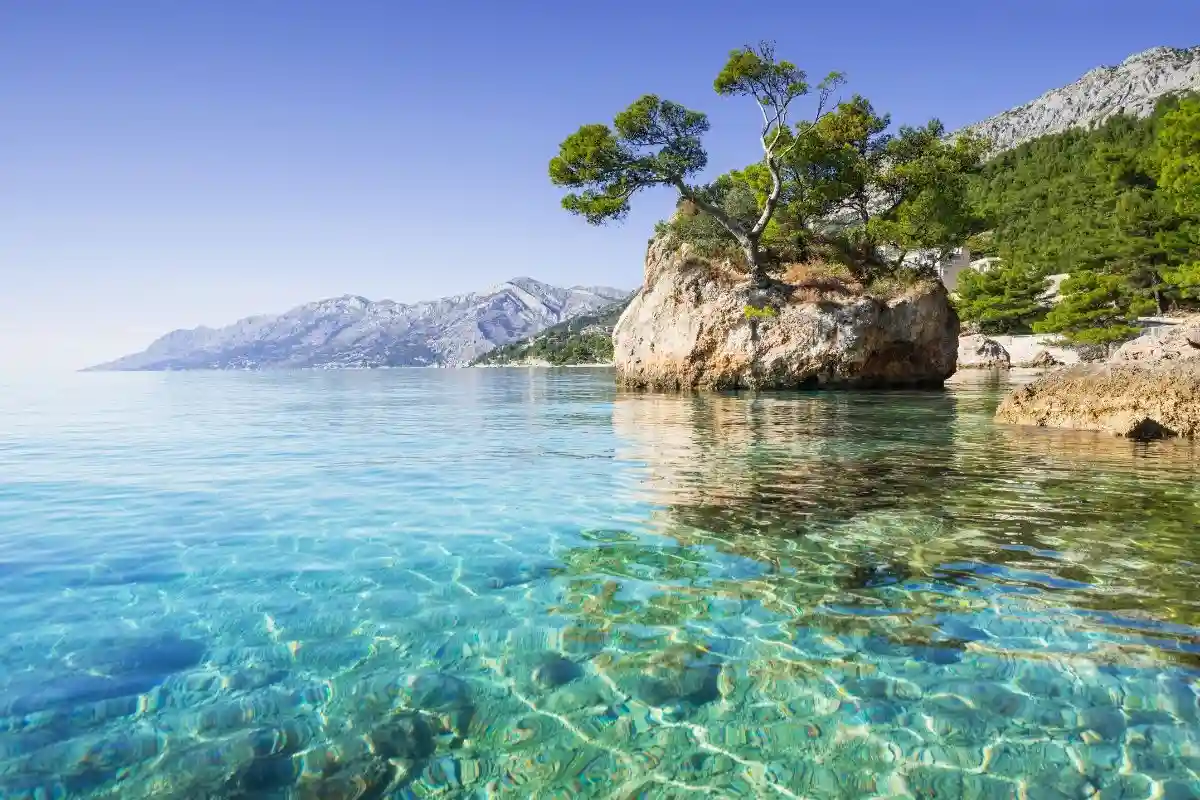
Dive into the essentials of Marine Protected Areas (MPAs), exploring their role in marine conservation, management strategies, regulatory frameworks, and innovative solutions for sustainable operation and funding.
.webp)
Explore the vibrant ecosystems of coral reefs, uncovering their biodiversity, ecological importance, and the urgent conservation efforts needed to protect these underwater marvels for future generations.
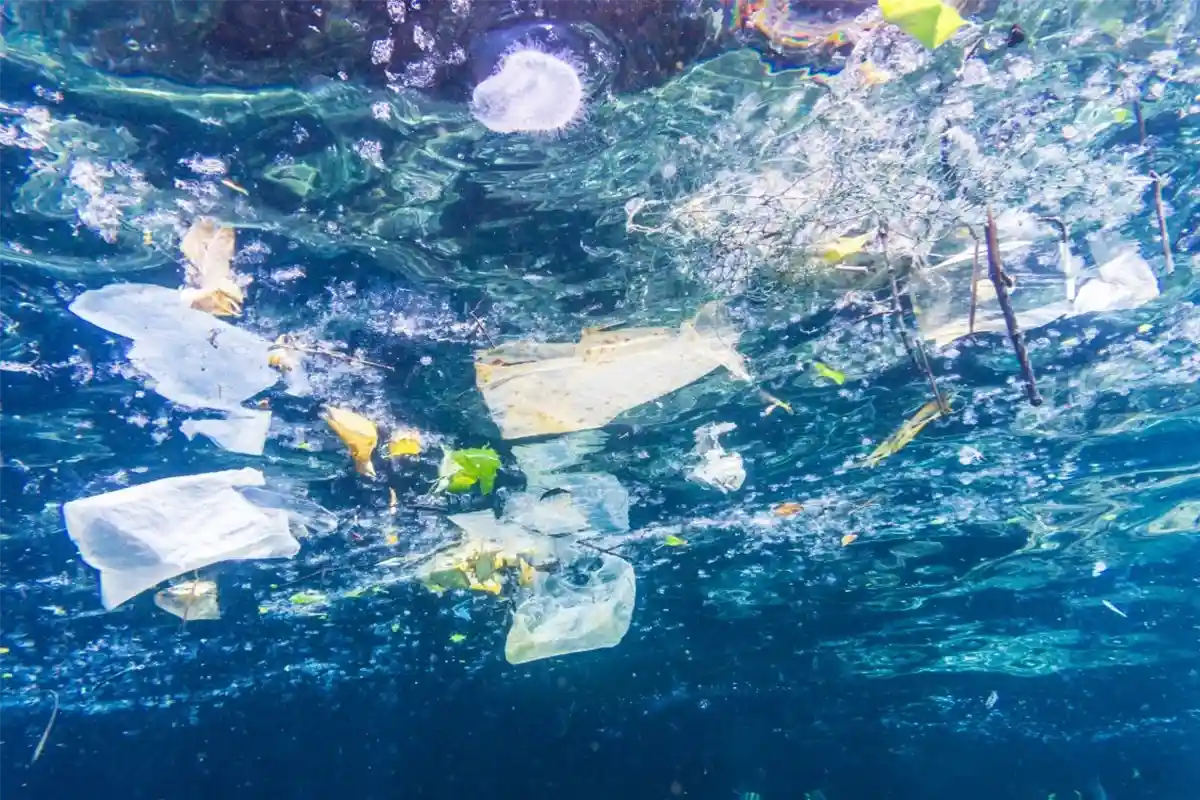
Dive into the urgent issue of ocean conservation, exploring the devastating impact of plastic pollution on marine ecosystems and the global efforts underway to combat this growing crisis.
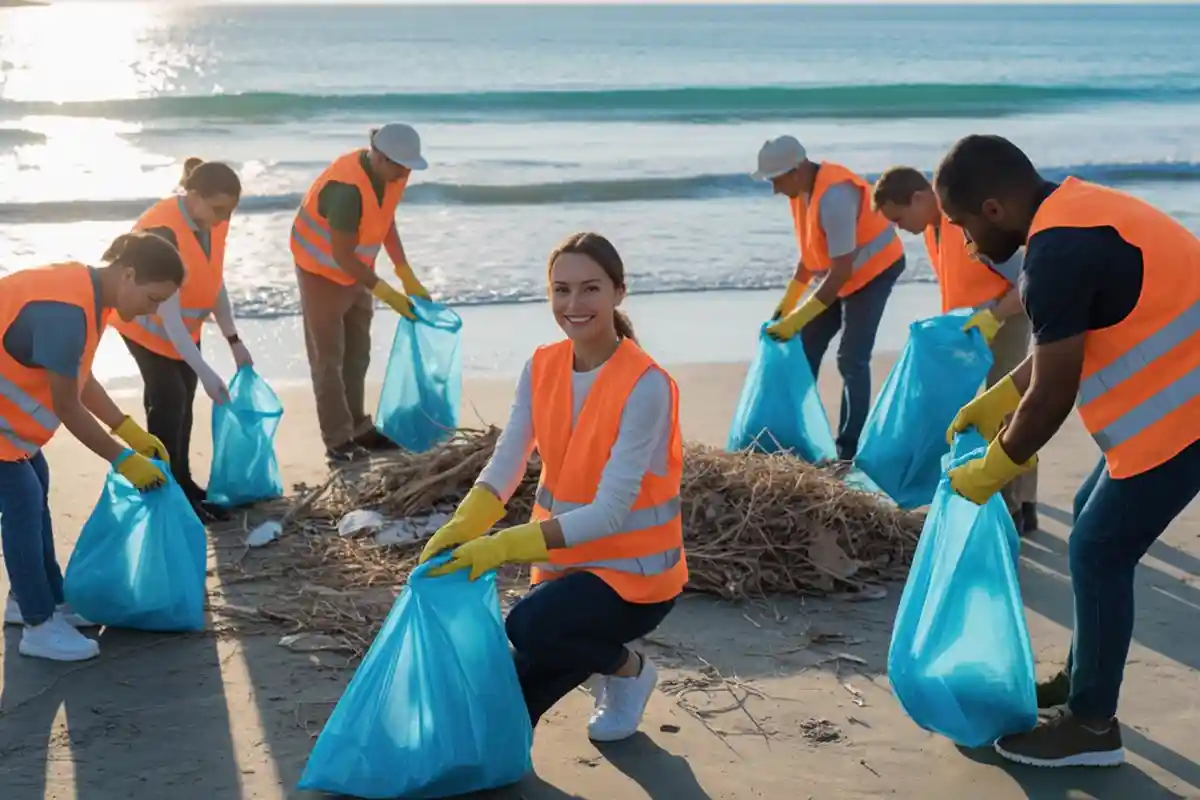
Prepare for safe and effective beach cleanups with this course. It covers essential safety practices, protective equipment, and strategies to protect volunteers and coastal ecosystems.
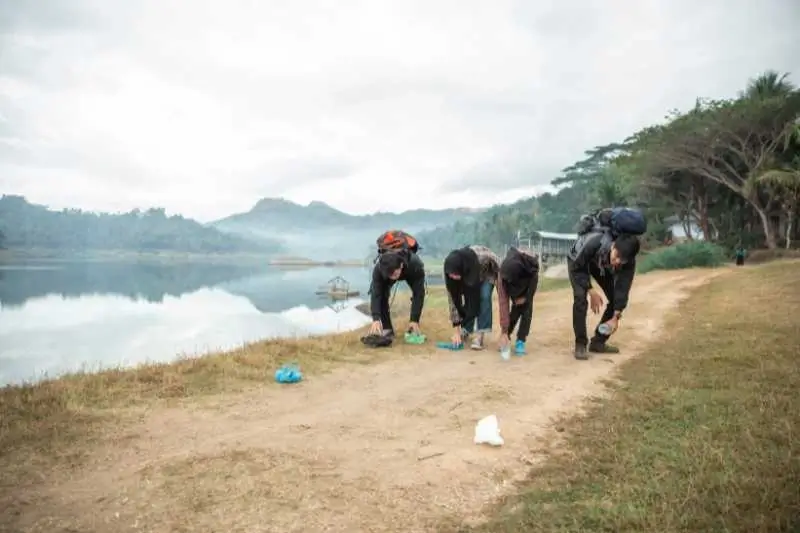
Lake and river cleanups protect freshwater ecosystems and prevent pollution. Help safeguard these vital environments for wildlife and communities by doing your part.

Beach cleanups protect marine life and reduce ocean pollution. Help keep unwanted materials out of our oceans and preserve these vital habitats to ensure cleaner, safer oceans and beaches.
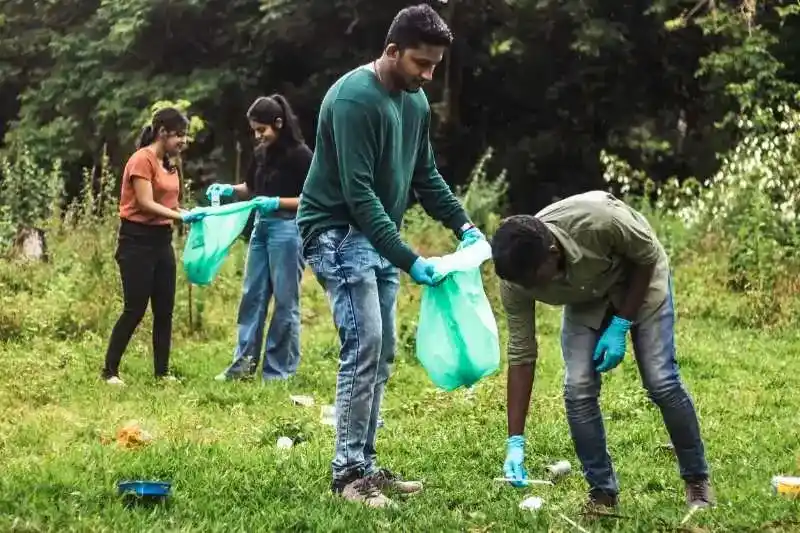
Cleaning up a local park helps your community and protects the environment. Learn how you can help by cleaning up a park to help your community.

Recycling electronics reduces waste and prevents pollution. Collect unused devices and drop them off at e-waste recycling centers or donation programs.
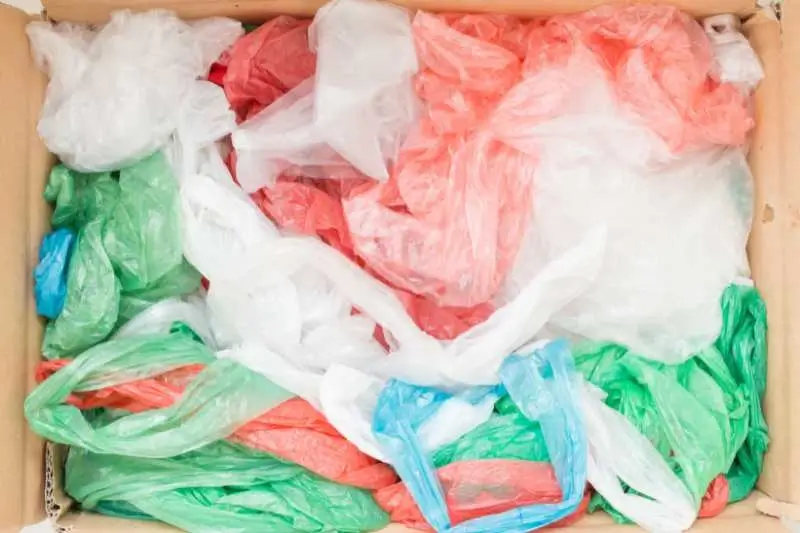
Collecting plastic bags for recycling reduces waste and prevents pollution. Gather, clean, and drop off bags at designated recycling locations or place them in your recycling bin.
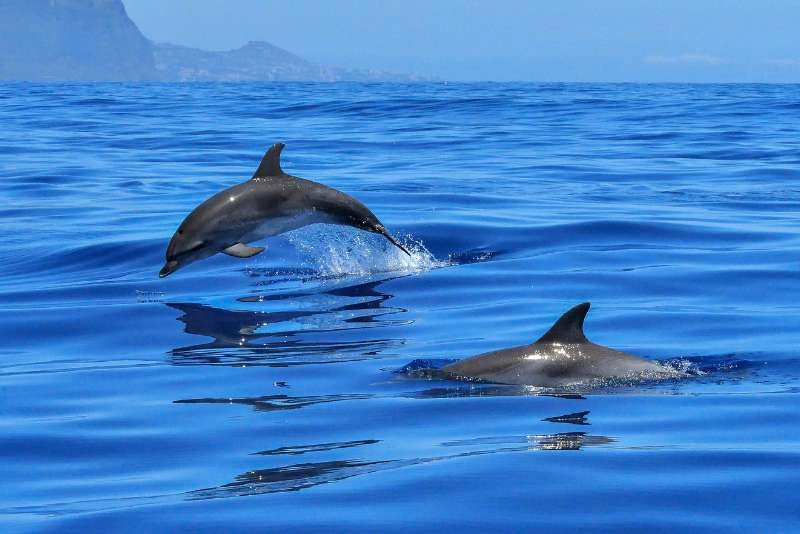
Explore the beauty of marine life and the efforts to protect our oceans, inspiring action to preserve these ecosystems.
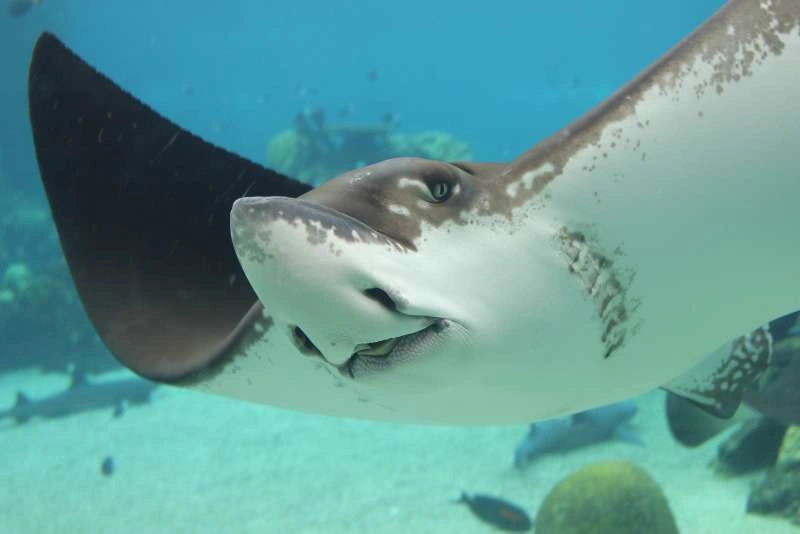
Learn about our oceans and inspire action to protect marine life, tackle pollution, and sustain our oceans.


Membership Email:
Verification Status: