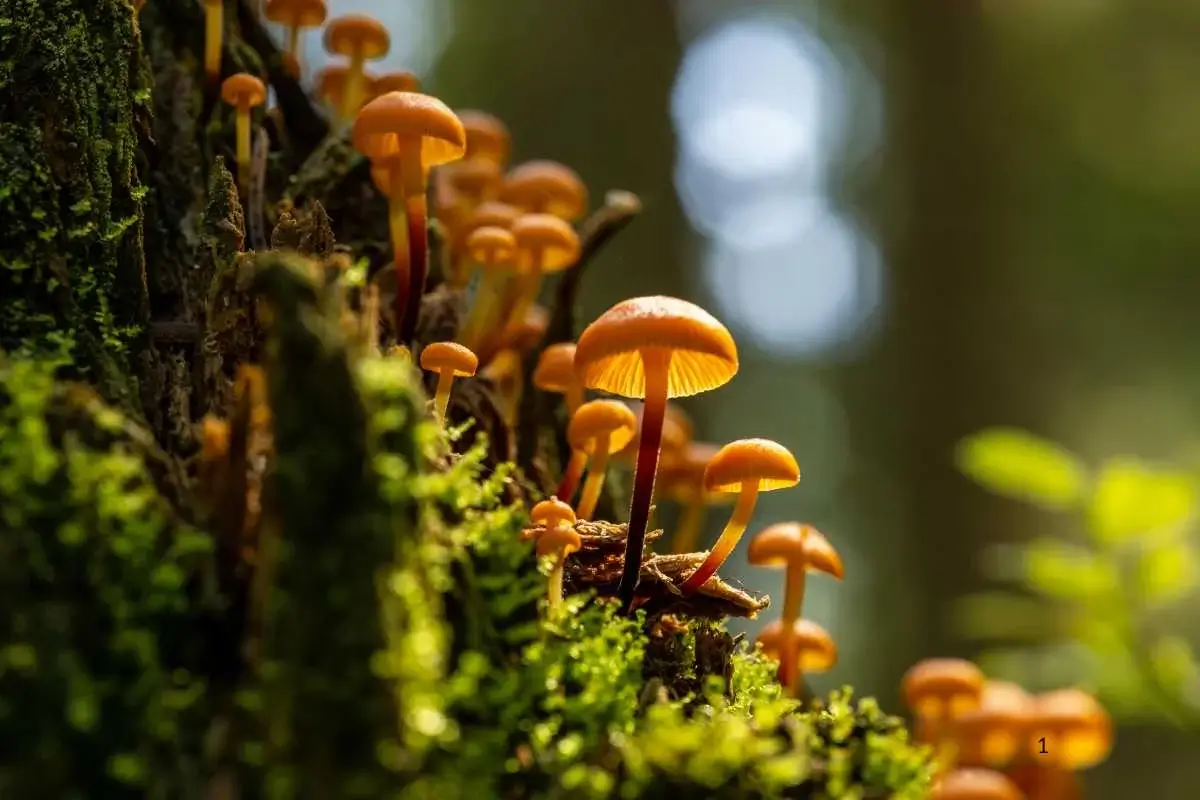
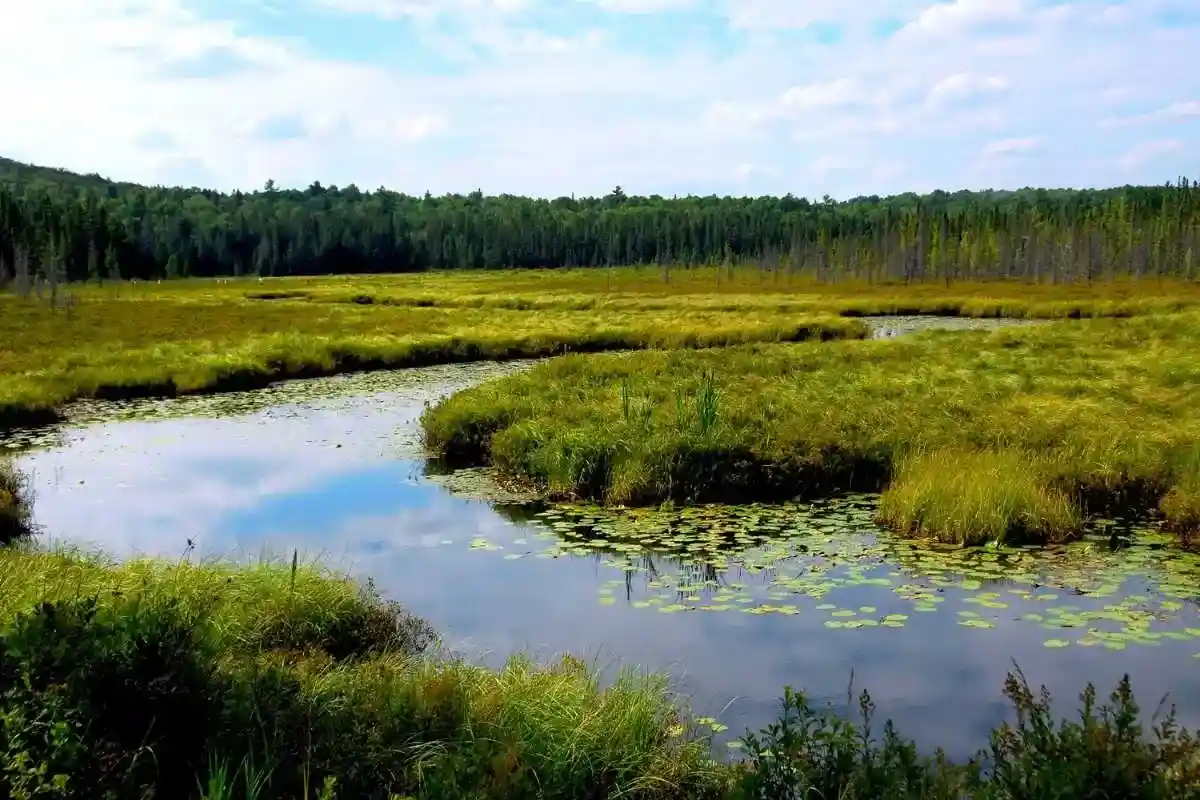
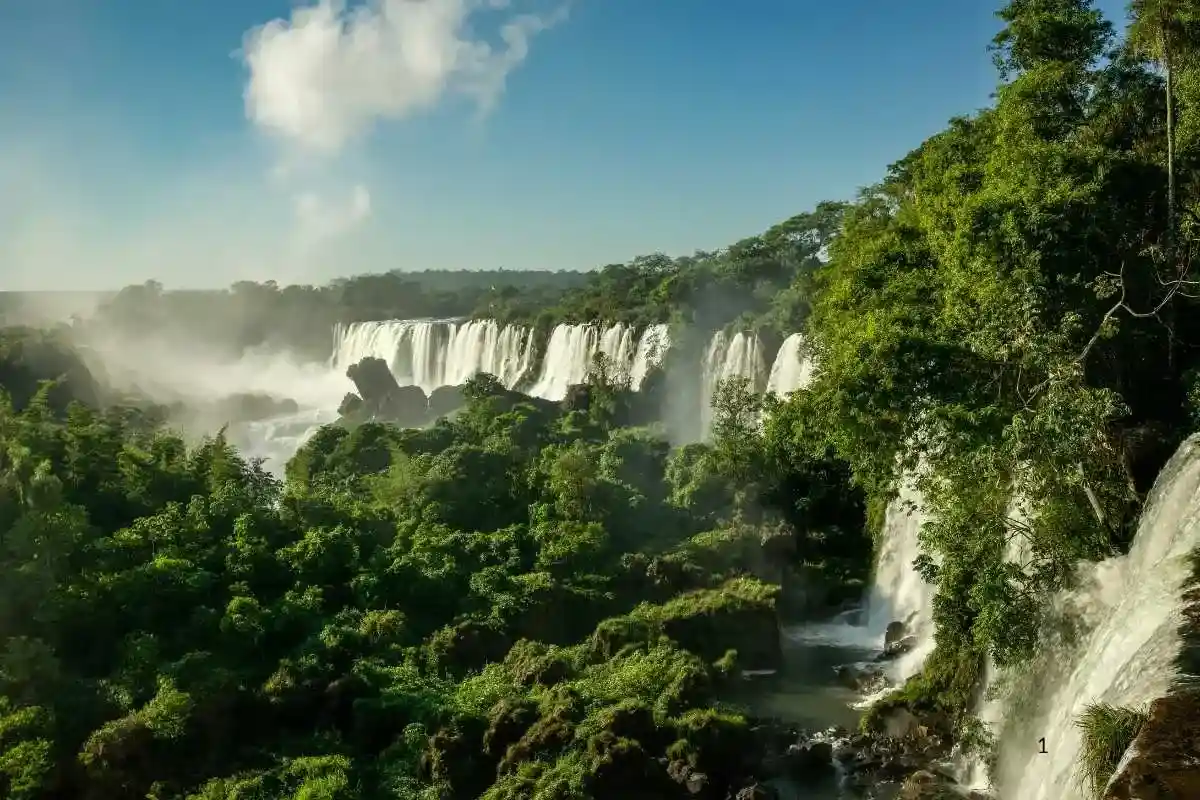
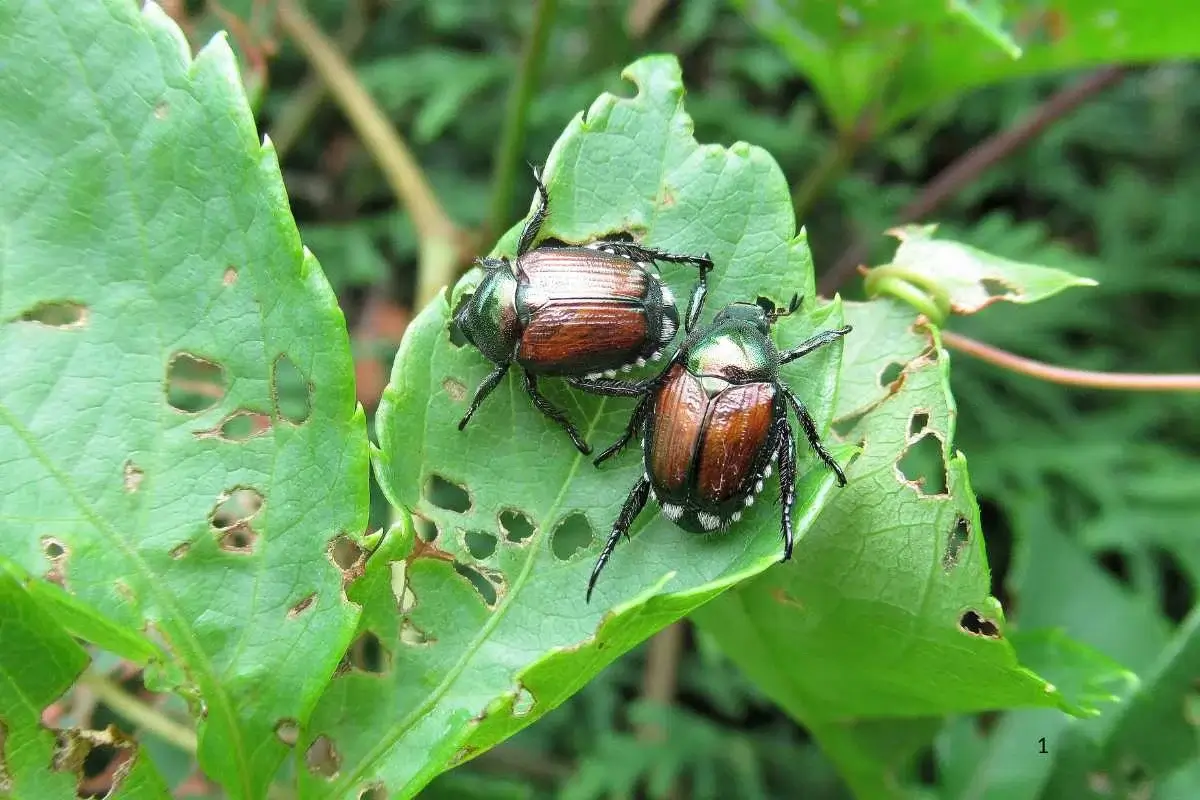
Imagine a spiderweb, delicate yet strong. Each strand connects to another, and if one breaks, the entire structure is weakened. Ecosystems work in much the same way. They are intricate communities of plants, animals, and microorganisms that interact with one another and with their physical surroundings like soil, water, and air. Biodiversity refers to the variety of life within these systems, and the more diverse an ecosystem is, the more balanced and resilient it becomes. A rainforest filled with countless species of trees, insects, birds, and mammals, for instance, can recover more easily from disturbances than a landscape where only a few species exist.
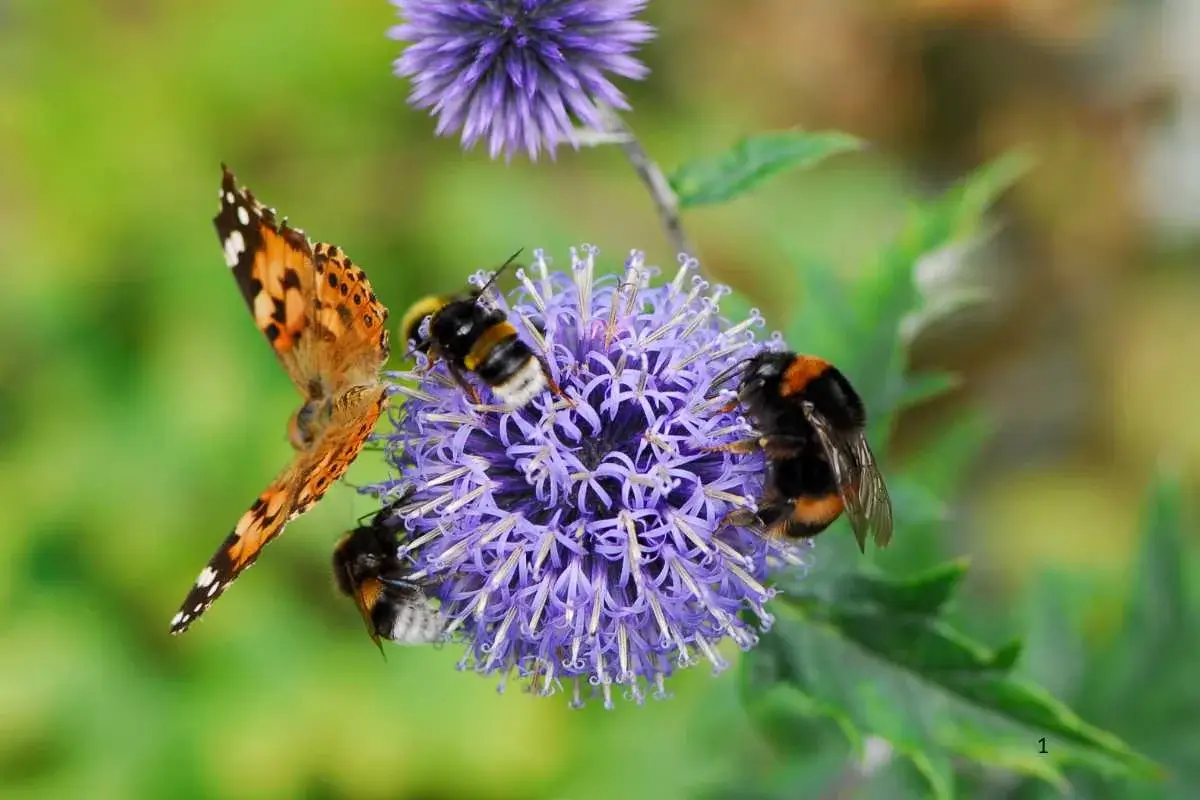
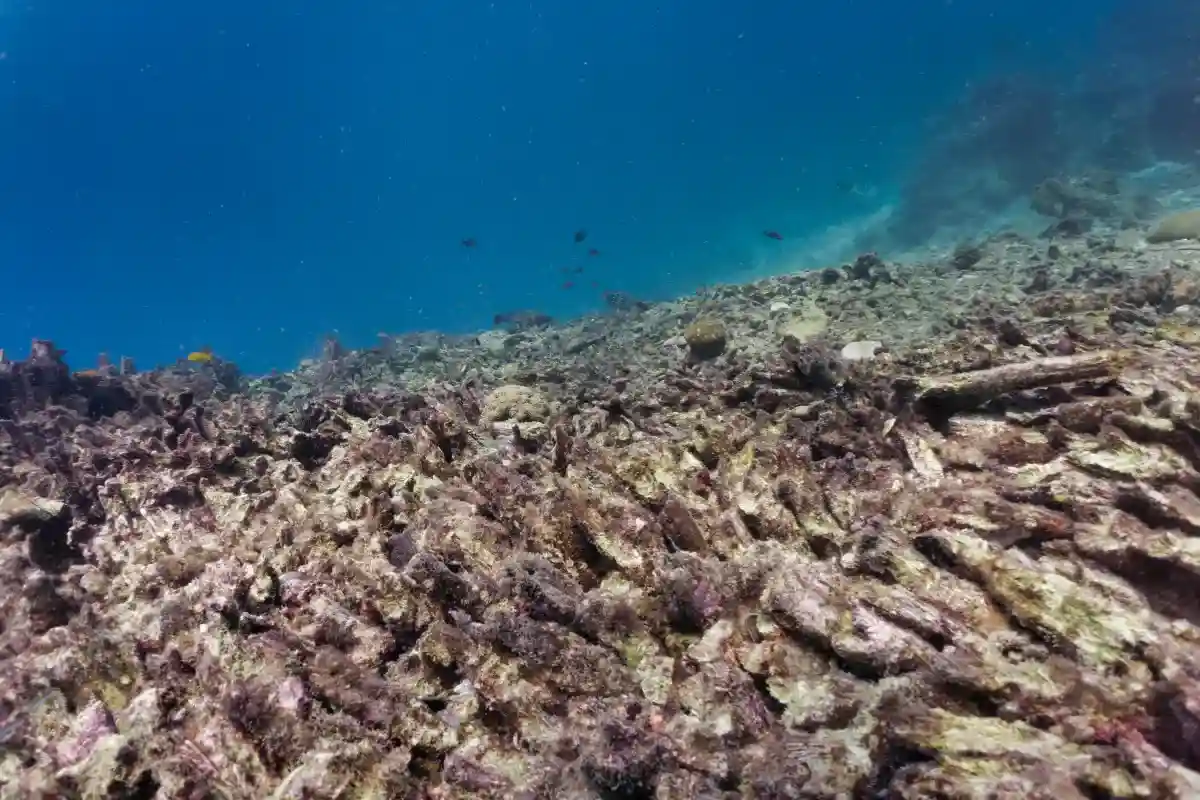
Biodiversity supports every part of life on Earth. It provides clean air and water, pollinates crops, maintains soil health, and helps regulate the planet’s climate. When biodiversity is strong, ecosystems are better equipped to adapt to challenges such as disease, pollution, and climate change. But when species disappear and habitats are destroyed, the balance of nature is disrupted. The loss of biodiversity threatens food security, human health, and the stability of our environment, reminding us that every living thing plays a role in maintaining the web of life.
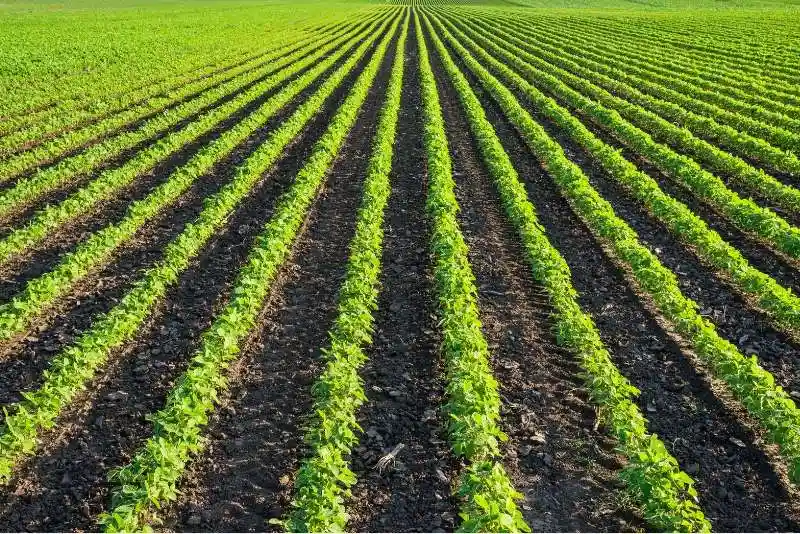
Protecting biodiversity means protecting our shared future. Efforts such as habitat restoration, pollution reduction, reforestation, and sustainable resource management help preserve ecosystems for generations to come. Each of us can make a difference through small actions like planting native species, reducing waste, and supporting conservation initiatives. By valuing and protecting life in all its forms, we help strengthen the web that sustains us all.
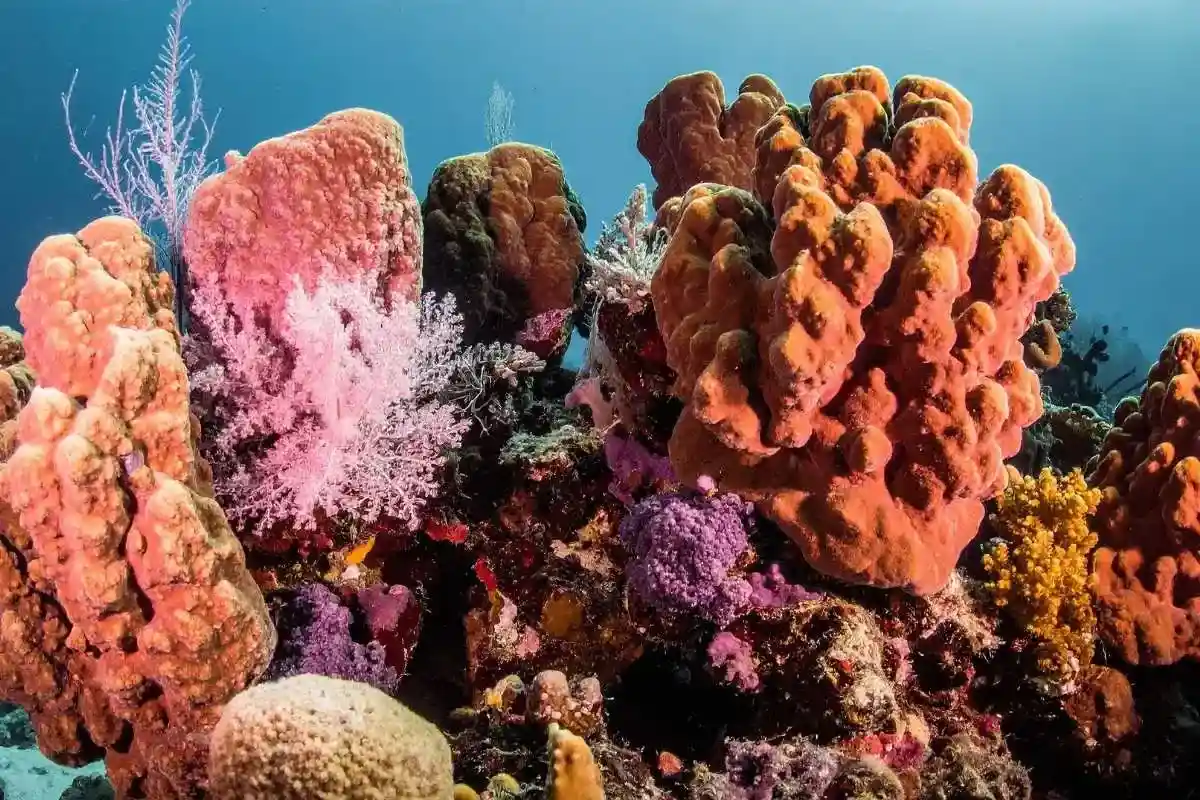
Biodiversity connects all living things, from the tiniest insects to the largest mammals. Why is this diversity so vital to the health of our planet, and what happens when it begins to decline? Explore how ecosystems depend on balance and how the loss of one species can affect many others. What actions can individuals, communities, and nations take to protect and restore biodiversity both on land and in the oceans? Reflect on how understanding the web of life can inspire a deeper sense of connection and responsibility toward the natural world.
Use the online submission form when sending your articles to help us track all of your submissions. Please try to write about the above topic. Your response should be at least 1,000 words.
To receive credit, your effort is what matters. You should find ways to contribute thoughtful ideas that will help others. Feel free to use personal stories or other information that you want to share, but do not use real names or other identifying information. You may write your response in the space provided or upload your response. Once we review your response, you will receive credit.
Click the button below to submit your article and get your credit.


Membership Email:
Verification Status: