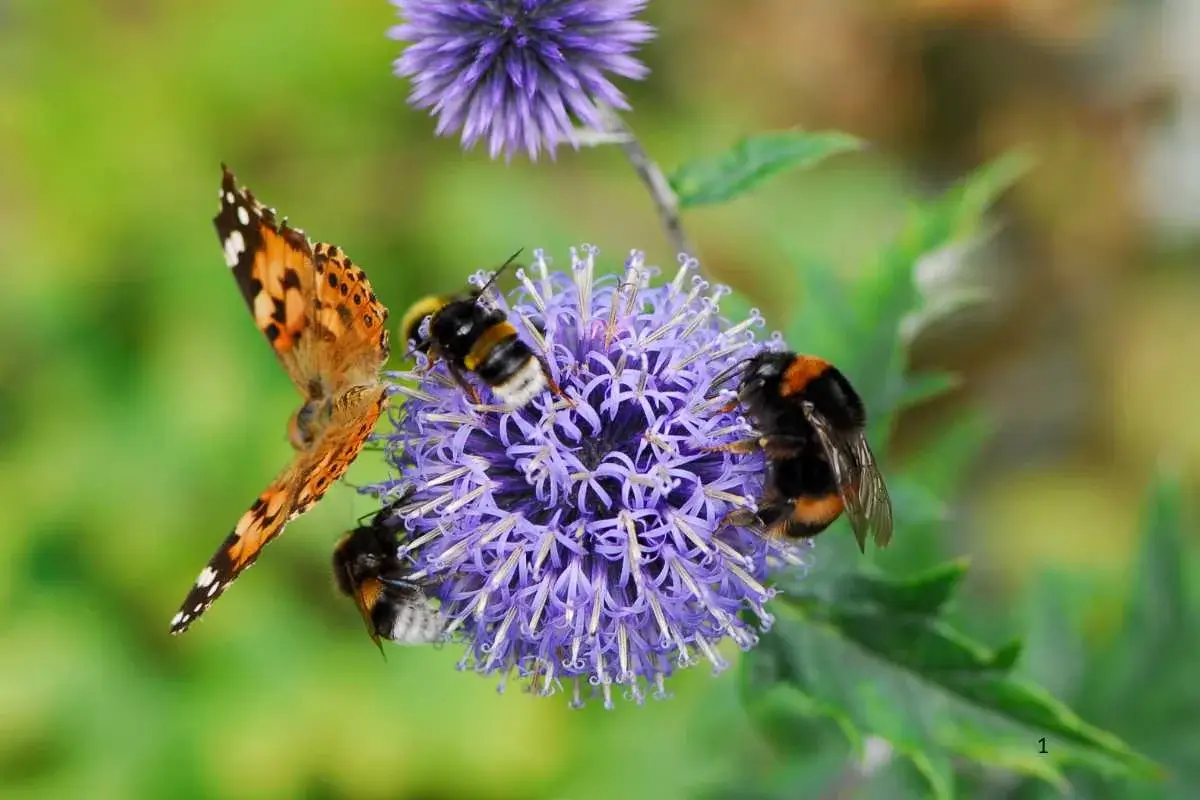
Pollinators such as bees, butterflies, birds, and bats play an essential role in keeping ecosystems healthy. They help plants reproduce by transferring pollen from one flower to another, which allows fruits, vegetables, and seeds to grow. Many of the foods we eat, including apples, almonds, and berries, depend on these small but powerful creatures. Without pollinators, food production would decline sharply, threatening both biodiversity and global food security.
Unfortunately, pollinator populations are declining due to habitat loss, pesticide use, disease, and the impacts of climate change. When pollinators disappear, entire ecosystems begin to break down. Plants struggle to reproduce, food chains are disrupted, and the natural balance of the environment is lost. Protecting pollinators is vital for maintaining healthy ecosystems and ensuring a stable food supply for future generations.
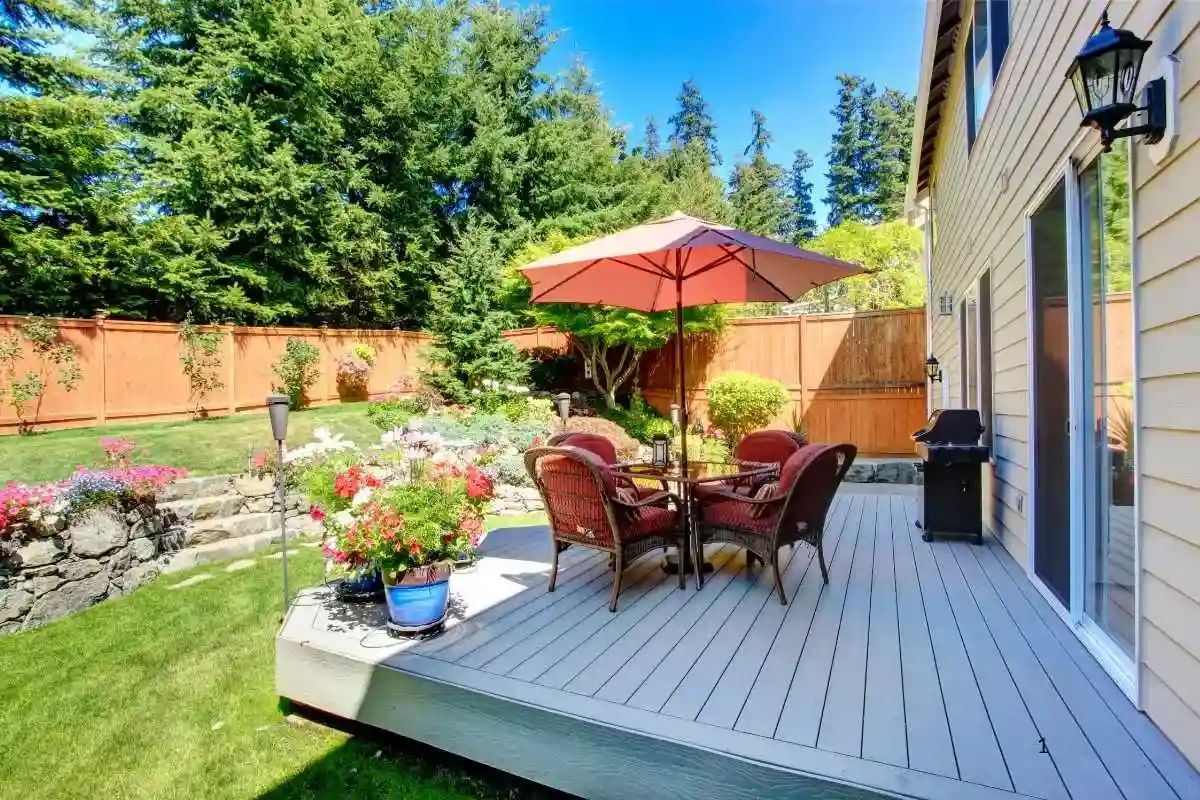
Communities, governments, and individuals all have important roles to play in protecting pollinators. Simple actions such as planting native flowers, reducing pesticide use, and creating safe nesting areas can make a real difference. On a larger scale, sustainable farming practices, habitat restoration, and conservation policies are key to helping pollinators recover.
What practical steps can people take to create pollinator-friendly spaces in their gardens, schools, or neighborhoods? How can communities work together to protect pollinators and restore natural habitats? What are the environmental and economic consequences of losing pollinators? How can education, policies, and innovation support lasting solutions to preserve pollinator health and biodiversity?
Use the online submission form when sending your articles to help us track all of your submissions. Please try to write about the above topic. Your response should be at least 1,000 words.
To receive credit, your effort is what matters. You should find ways to contribute thoughtful ideas that will help others. Feel free to use personal stories or other information that you want to share, but do not use real names or other identifying information. You may write your response in the space provided or upload your response. Once we review your response, you will receive credit.
Click the button below to submit your article and get your credit.


Membership Email:
Verification Status: