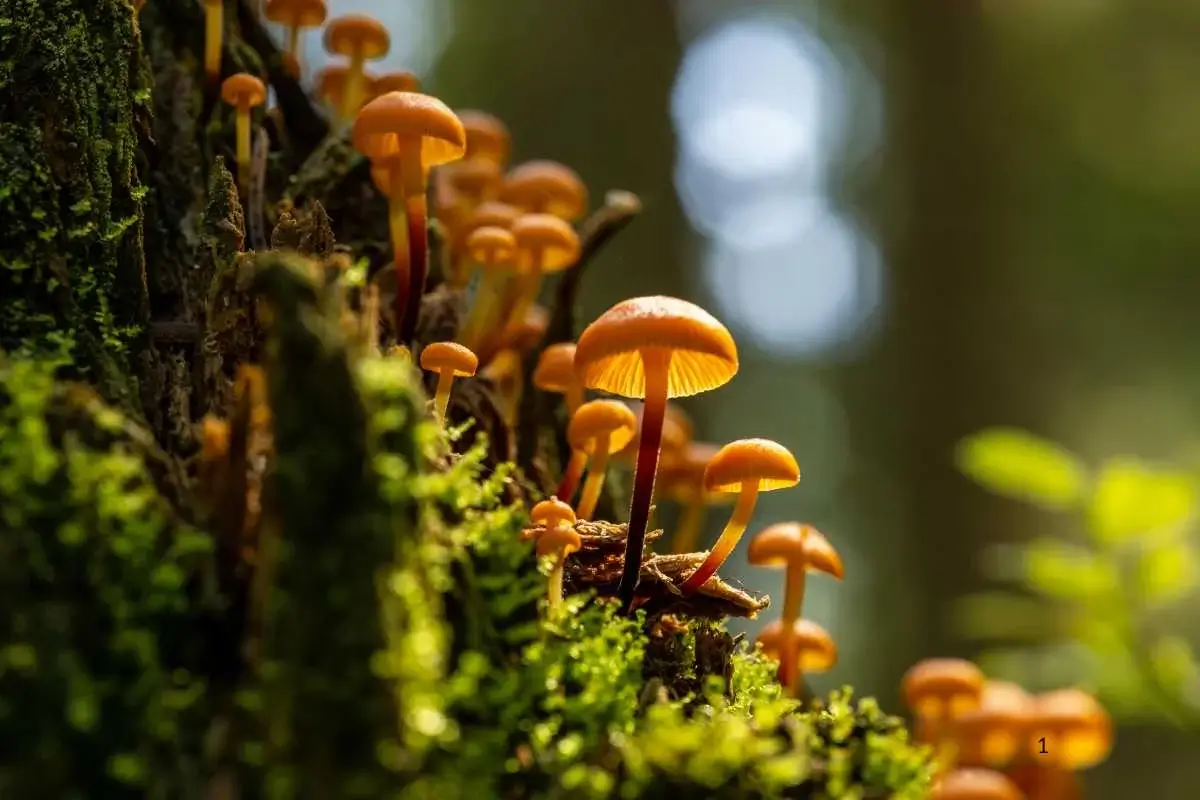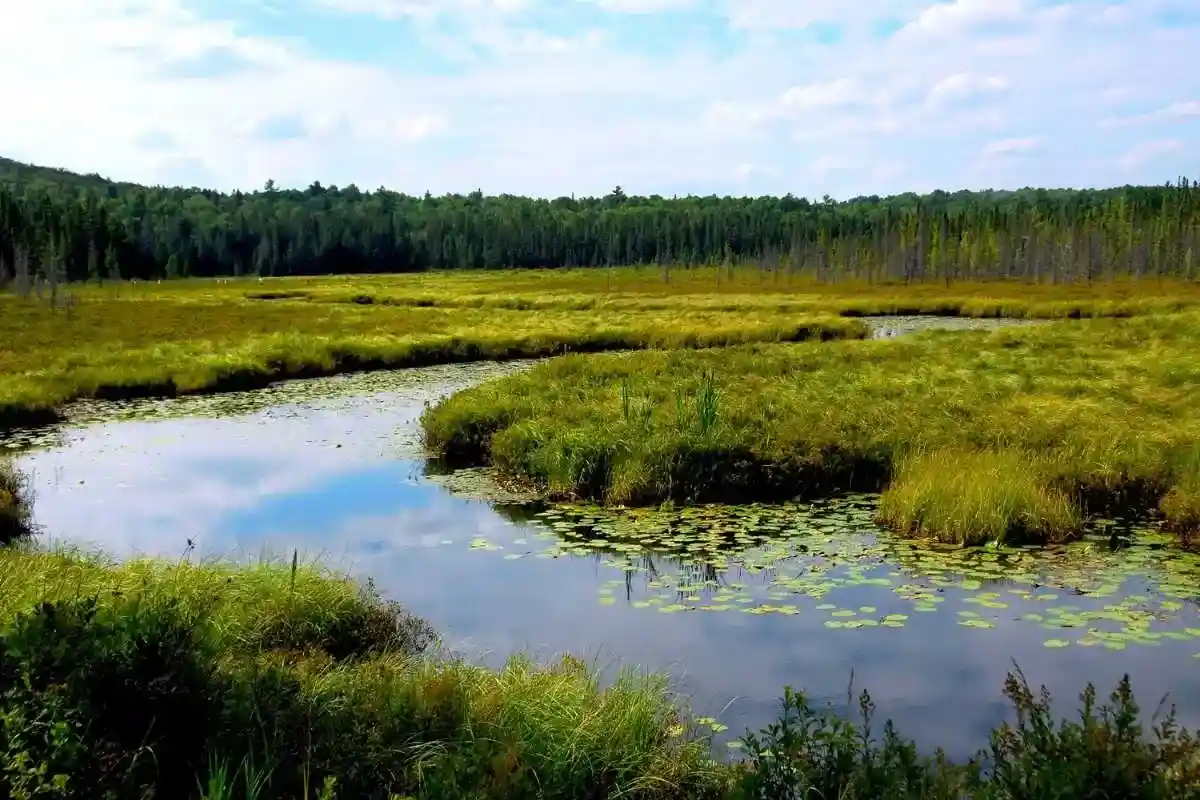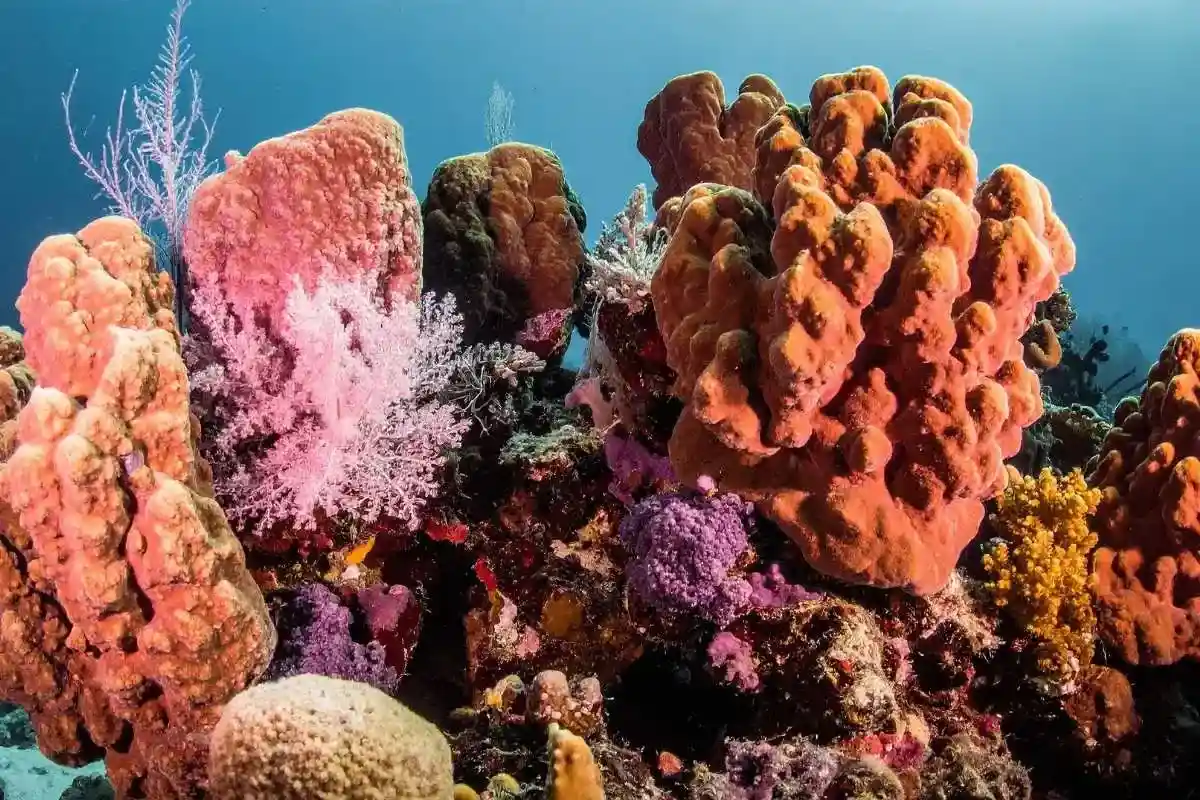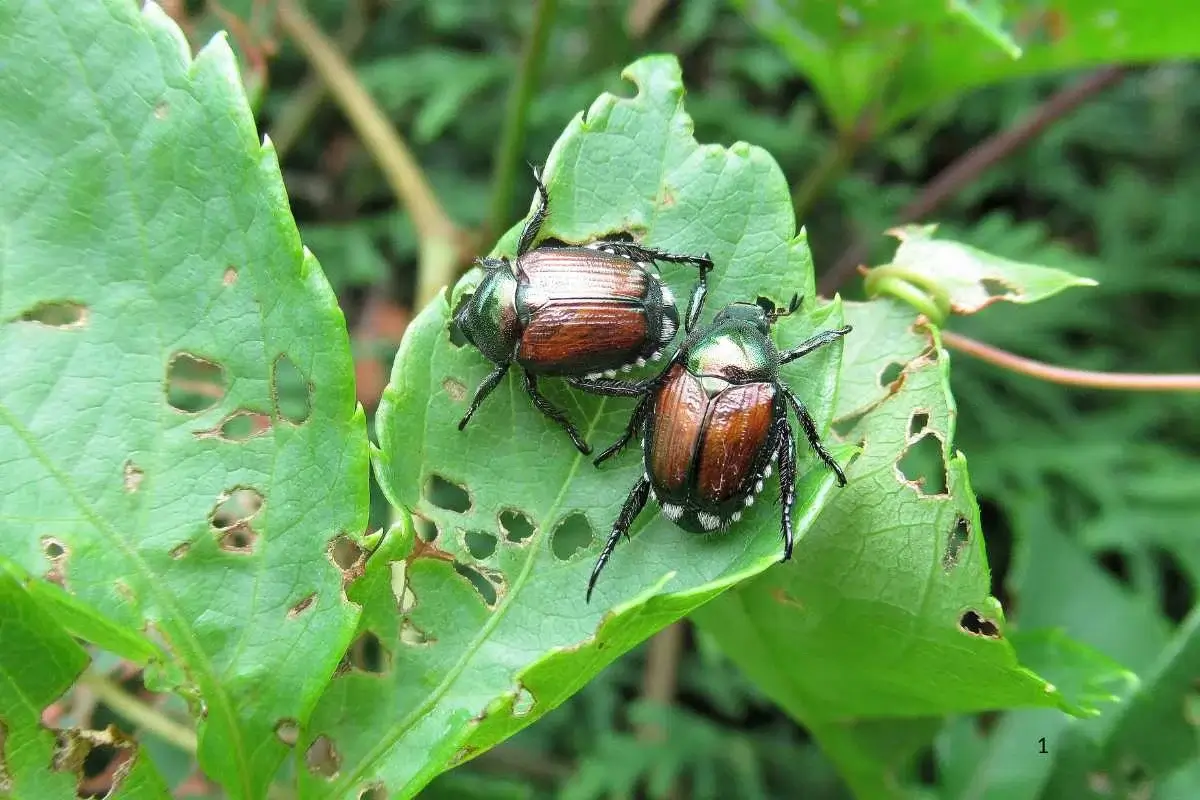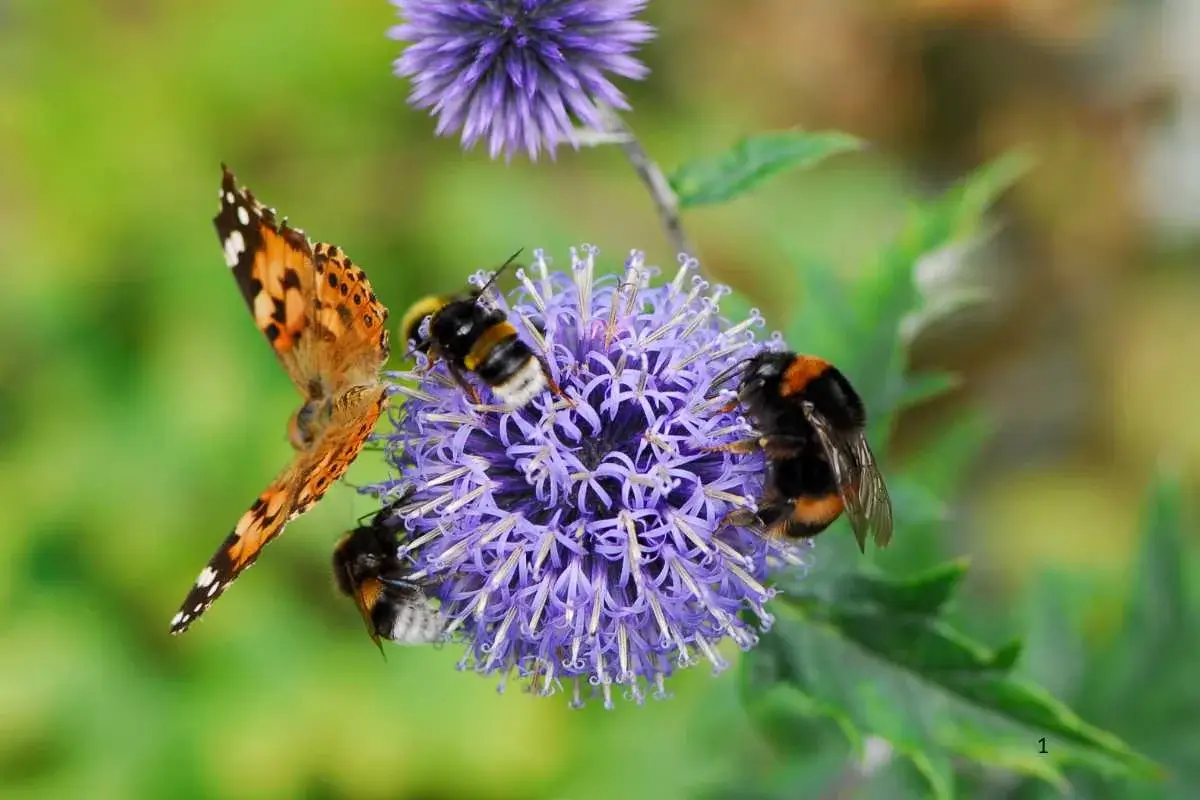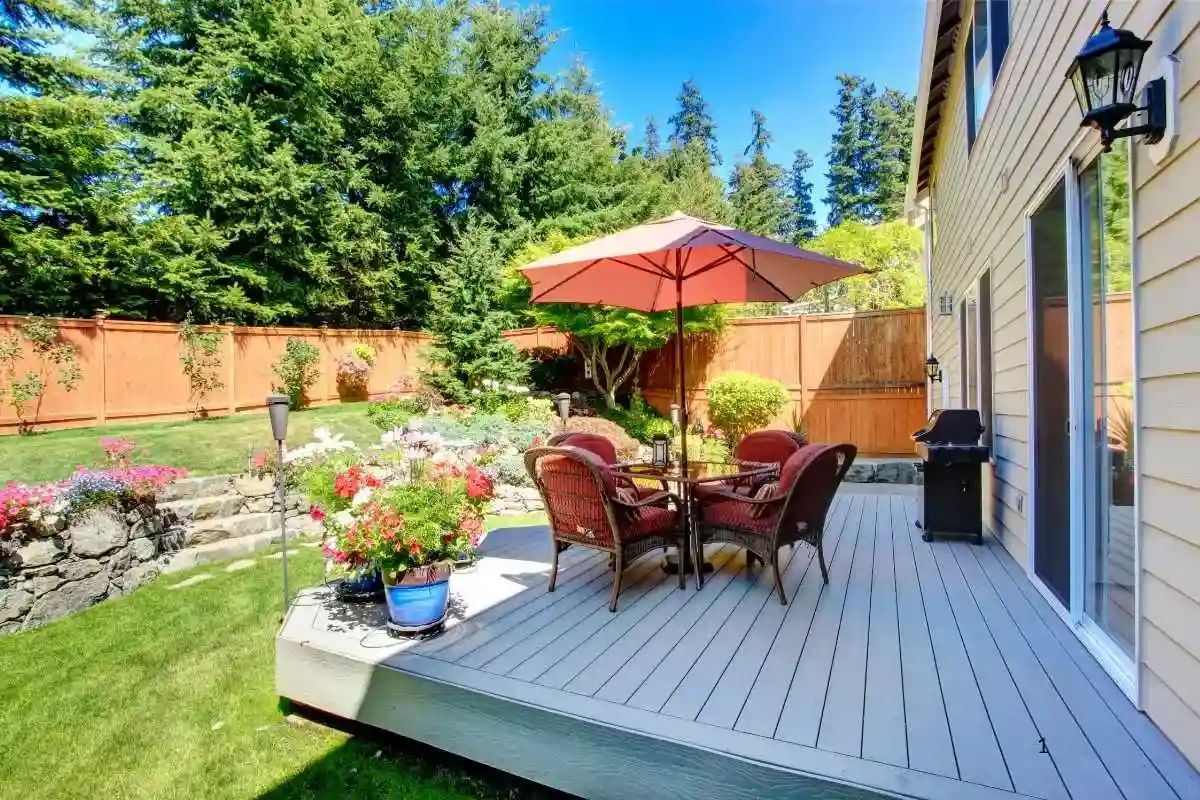
You don't have to travel to a rainforest or a coral reef to experience an ecosystem. You can find one right in your own backyard! Your backyard, garden, or even a neighborhood park is a living ecosystem made up of plants, animals, insects, fungi, and microorganisms that all interact with one another and their environment. Each of these living things plays an important part in maintaining balance, from pollinators that help flowers bloom to decomposers that recycle nutrients back into the soil.
Even the smallest outdoor space can be a refuge for biodiversity. A patch of native flowers can attract bees and butterflies, while a birdbath or small pond can provide water for birds and other wildlife. Avoiding the use of pesticides and planting native species can help create a safe, thriving habitat for many creatures. By caring for these local ecosystems, we help strengthen the larger web of life that connects all living things on Earth.
Take a closer look at the living world around you. What kinds of plants, animals, and insects can you find in your backyard or local park? How do they depend on each other for food, shelter, or pollination? What steps could you take to make your outdoor space more welcoming to wildlife? Reflect on how even small ecosystems contribute to the planet’s biodiversity and how your actions can help protect and nurture life in your own community.
Use the online submission form when sending your articles to help us track all of your submissions. Please try to write about the above topic. Your response should be at least 1,000 words.
To receive credit, your effort is what matters. You should find ways to contribute thoughtful ideas that will help others. Feel free to use personal stories or other information that you want to share, but do not use real names or other identifying information. You may write your response in the space provided or upload your response. Once we review your response, you will receive credit.
Click the button below to submit your article and get your credit.


Membership Email:
Verification Status: