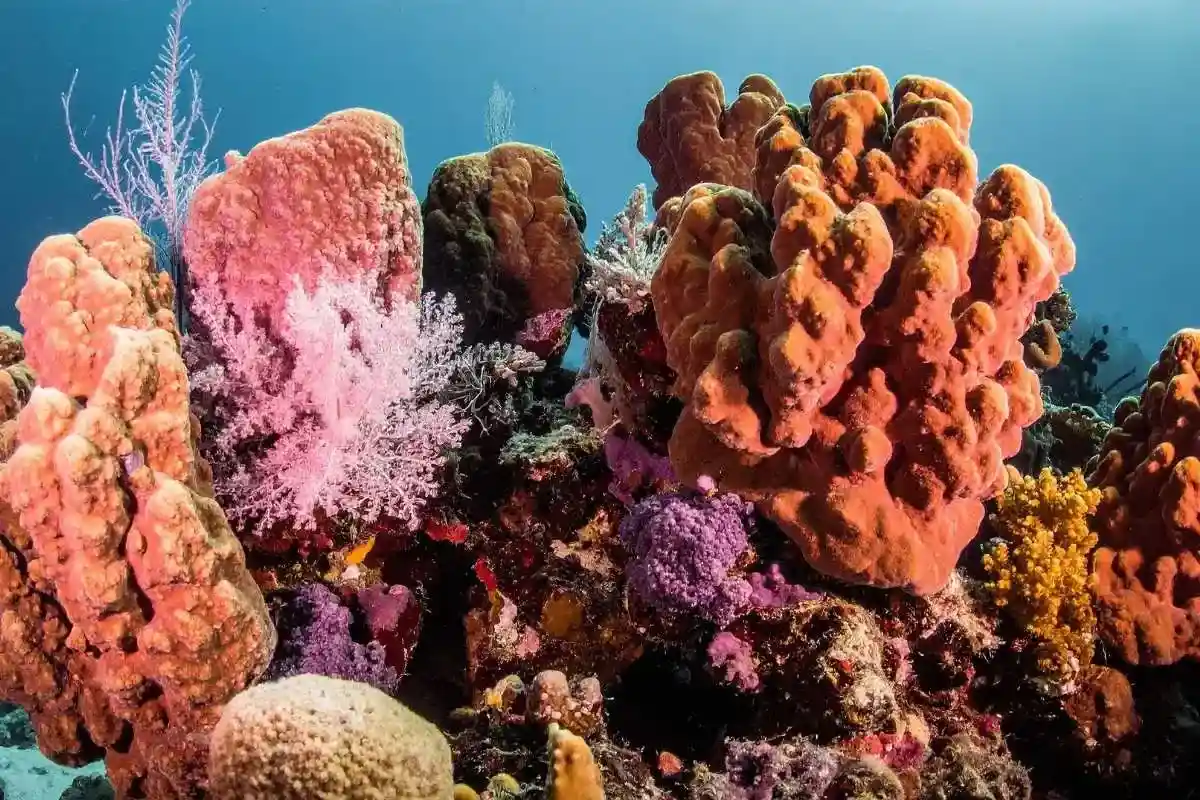
Imagine a vibrant city beneath the waves, filled with color and life. That is a coral reef, a living ecosystem made up of countless tiny organisms called coral polyps. These polyps build hard skeletons of calcium carbonate that gradually form the large reef structures found in tropical oceans. Coral reefs are among the most diverse ecosystems on Earth, supporting thousands of species of fish, invertebrates, and plants. They provide food, shelter, and breeding grounds for marine life while also protecting coastlines from storms and erosion. Beyond their ecological importance, coral reefs sustain tourism and fishing industries that millions of people rely on for their livelihoods.
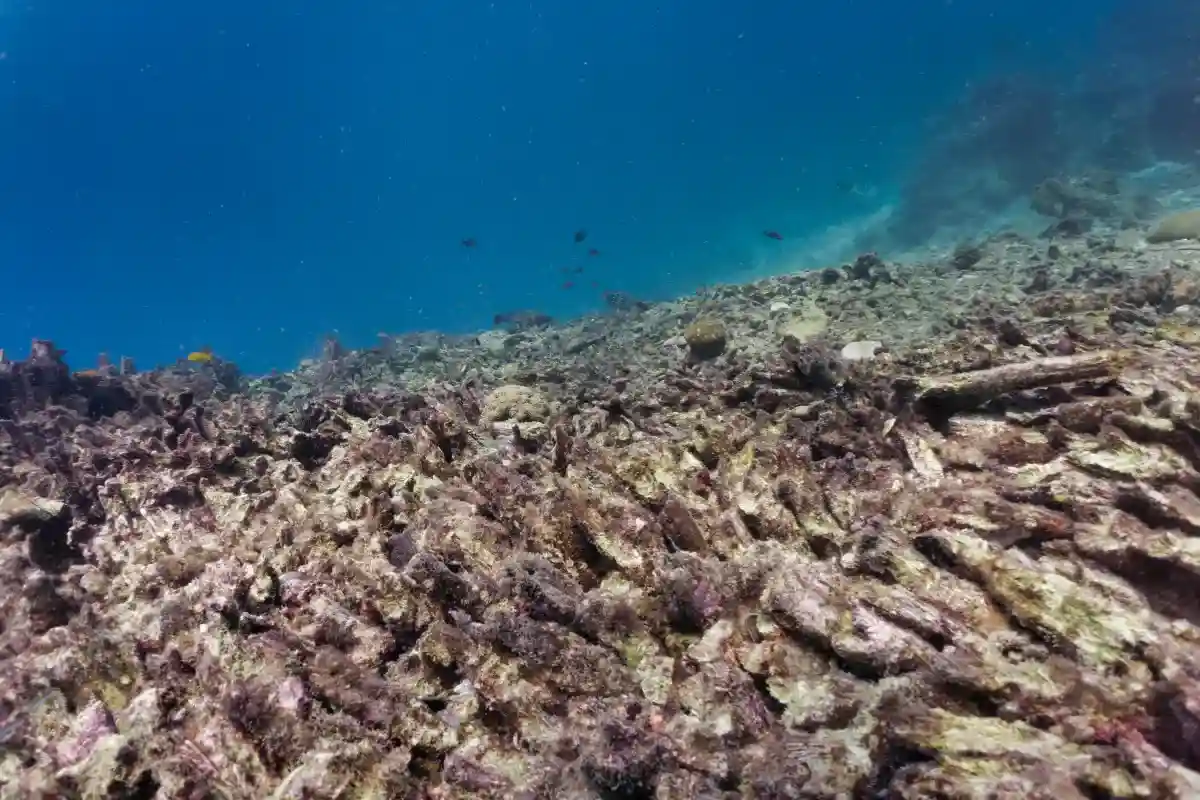
However, coral reefs are under severe threat. Warmer ocean temperatures caused by climate change lead to coral bleaching, a process where corals lose their color and vital algae, often resulting in their death. Pollution from agriculture, plastic waste, and oil spills harms coral health and disrupts marine life. Overfishing adds even more pressure by upsetting the balance of these delicate ecosystems. If these threats continue, many coral reefs could disappear, taking with them an incredible variety of ocean life and natural coastal protection.
Protecting coral reefs requires both global and local action. Reducing carbon emissions, improving waste management, and carefully managing coastal development are all essential steps. Creating marine protected areas, supporting coral restoration projects, and encouraging sustainable fishing can help reefs recover and thrive. Education and awareness are equally important, as individuals and communities play a key role in protecting ocean ecosystems for the future.
What are the main effects of climate change on coral reefs, and how does pollution make these problems worse? What actions can help protect and restore coral ecosystems around the world? Why are coral reefs important to marine life and human communities, and how can we ensure their survival for future generations?
Use the online submission form when sending your articles to help us track all of your submissions. Please try to write about the above topic. Your response should be at least 1,000 words.
To receive credit, your effort is what matters. You should find ways to contribute thoughtful ideas that will help others. Feel free to use personal stories or other information that you want to share, but do not use real names or other identifying information. You may write your response in the space provided or upload your response. Once we review your response, you will receive credit.
Click the button below to submit your article and get your credit.


Membership Email:
Verification Status: