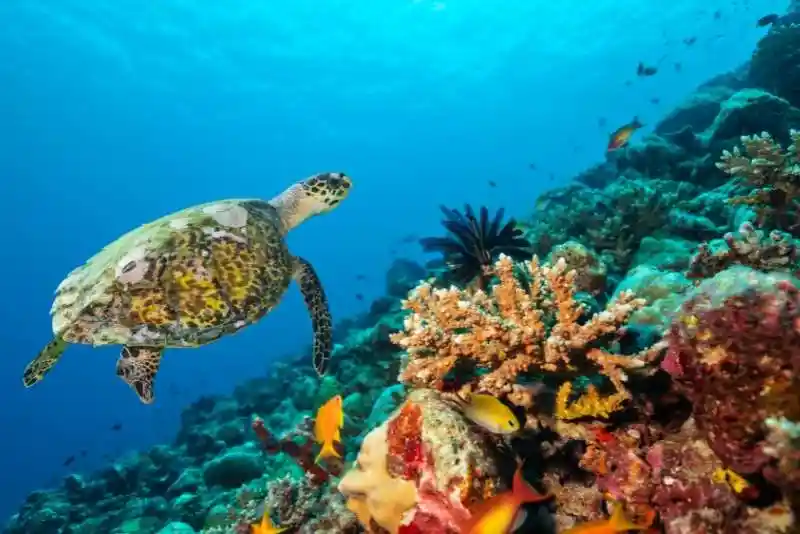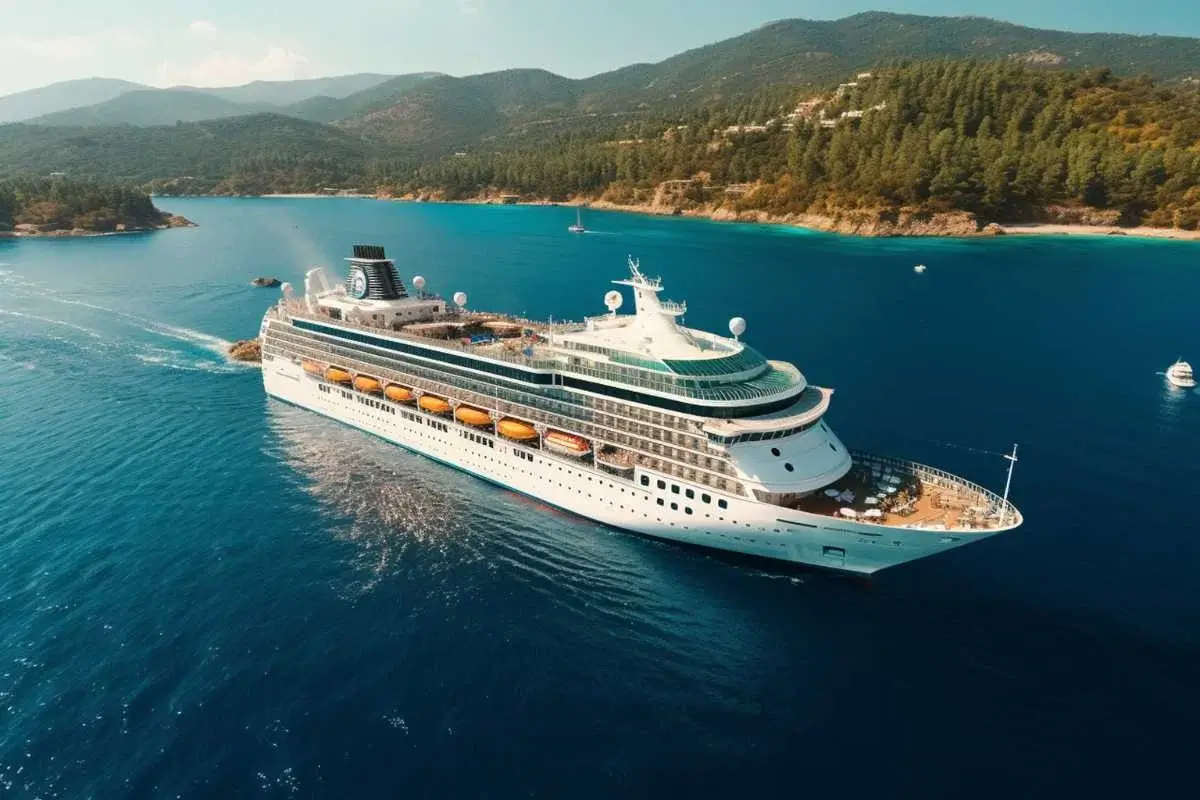
Cruise tourism offers travelers a unique way to explore the world’s oceans and coastal regions, but it also comes with significant environmental costs. Modern cruise ships are often described as floating cities, equipped with restaurants, entertainment venues, and accommodations for thousands of passengers. However, this scale of operation produces large volumes of waste, air and water pollution, and carbon emissions that can severely impact fragile marine ecosystems. As the industry continues to grow, finding a balance between economic benefit and environmental responsibility is becoming increasingly urgent.
Cruise ships contribute to several environmental issues, including greenhouse gas emissions, oil and sewage discharge, and the release of harmful chemicals into the ocean. These pollutants can harm coral reefs, endanger marine species, and degrade coastal water quality. Additionally, the fuel used by many large vessels produces high levels of sulfur oxides and nitrogen oxides, which contribute to air pollution and acid rain. Coastal communities that depend on tourism can also be affected by overcrowding and increased waste, putting additional strain on local infrastructure and natural resources.
Sustainable cruise tourism offers solutions to reduce these negative effects. Cruise lines can adopt cleaner fuels, such as liquefied natural gas (LNG), install advanced wastewater treatment systems, and invest in energy-efficient technologies to cut emissions. Shore power systems, which allow ships to plug into local electric grids instead of idling their engines while docked, can further reduce air pollution. Transparent environmental reporting and stricter regulations can ensure greater accountability and encourage cruise companies to adopt best practices.
Travelers also have a role to play in promoting sustainability at sea. Passengers can choose eco-certified cruise lines, reduce plastic use on board, and participate in conservation-focused shore excursions. Supporting companies that prioritize sustainability sends a strong message that responsible travel matters. Policymakers, meanwhile, can strengthen environmental standards and require cruise operators to adhere to stricter monitoring and enforcement measures.
How can cruise lines minimize their environmental impact through cleaner fuels, improved waste management, and energy-efficient technologies? What role can travelers play in supporting sustainable cruise practices? How do local communities benefit or suffer from cruise tourism, and what policies can ensure more equitable and environmentally friendly operations? Finally, what innovations could make cruise tourism a model for sustainable travel in the future?
Use the online submission form when sending your articles to help us track all of your submissions. Please try to write about the above topic. Your response should be at least 1,000 words.
To receive credit, your effort is what matters. You should find ways to contribute thoughtful ideas that will help others. Feel free to use personal stories or other information that you want to share, but do not use real names or other identifying information. You may write your response in the space provided or upload your response. Once we review your response, you will receive credit.
Click the button below to submit your article and get your credit.


Membership Email:
Verification Status: