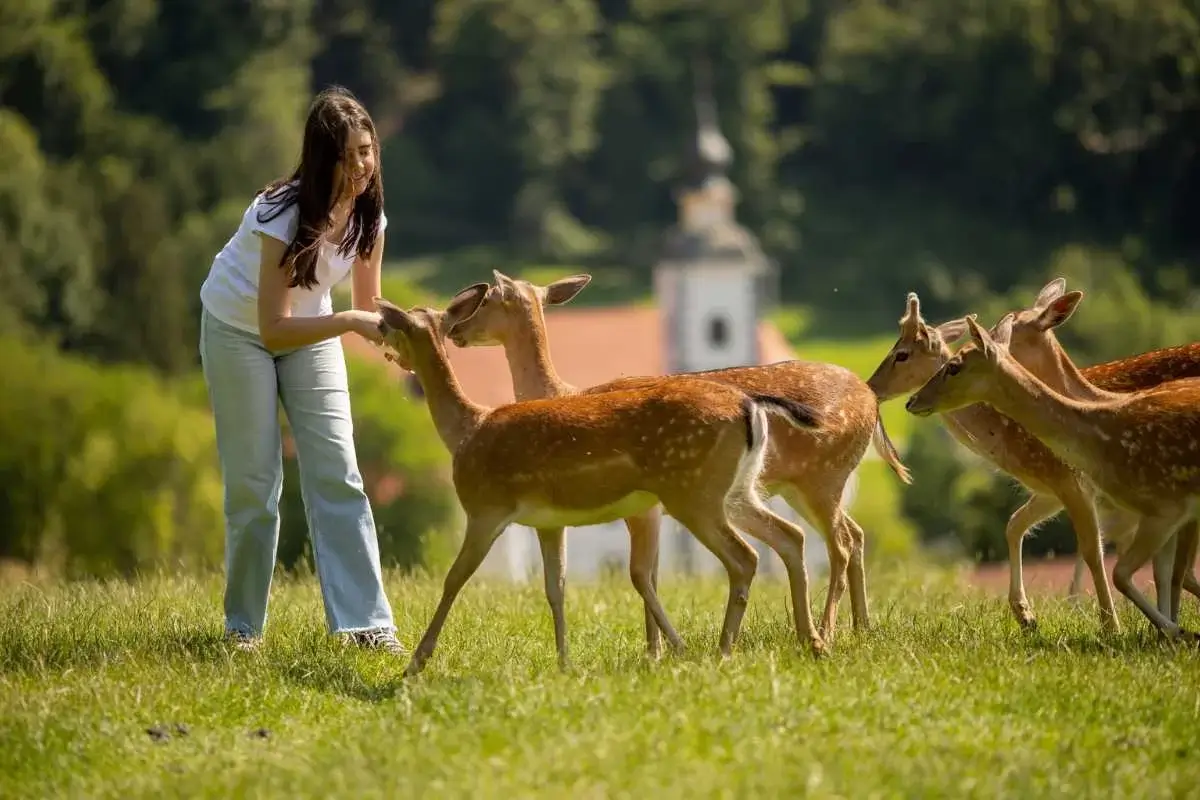
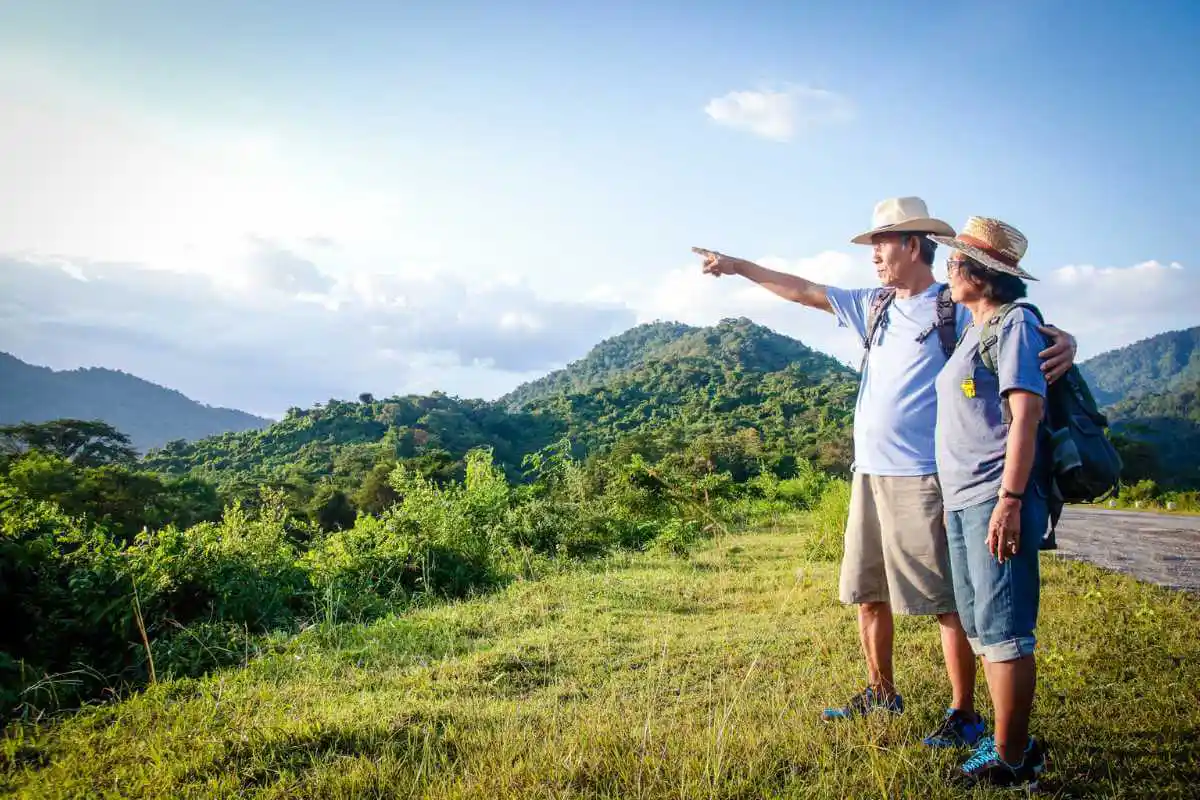
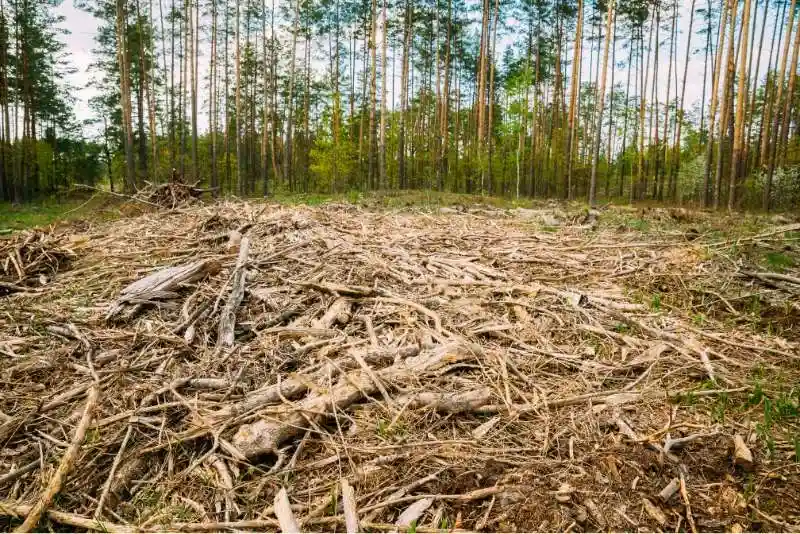
Ecotourism is a form of responsible travel that emphasizes visiting natural areas while minimizing environmental impact and supporting the protection of wildlife and habitats. Unlike traditional tourism, which can sometimes harm fragile ecosystems, ecotourism aims to conserve nature while providing meaningful experiences for visitors. By choosing ecotourism, travelers can help preserve biodiversity, promote sustainable practices, and contribute directly to conservation programs. These experiences often provide opportunities to learn about endangered species, local ecosystems, and the importance of maintaining balance within nature.
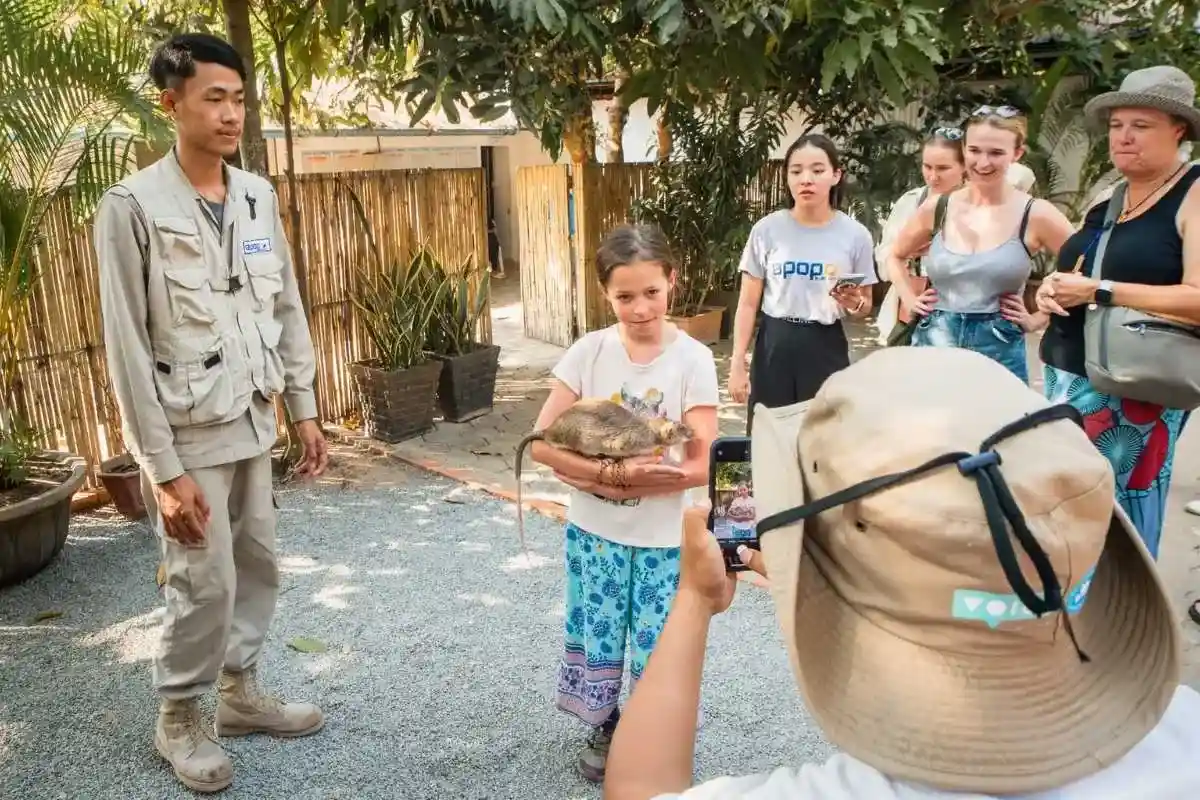
Beyond its environmental benefits, ecotourism also creates positive social and economic impacts. It supports local communities by generating income through environmentally responsible activities such as guided tours, sustainable lodging, and cultural exchanges. Local residents often become key partners in conservation efforts, leading educational programs, protecting wildlife, and managing protected areas. This partnership not only strengthens community pride but also ensures that conservation efforts are long-lasting and effective.
Education is at the heart of ecotourism. When travelers learn firsthand about the importance of protecting forests, oceans, and wildlife, they are more likely to adopt environmentally conscious habits and advocate for sustainability in their own lives. Ecotourism encourages a deeper respect for nature, turning travel into an opportunity for personal growth, awareness, and global responsibility.
Imagine exploring a pristine rainforest, observing exotic wildlife in their natural habitat, and learning about the importance of conservation from local guides. How can ecotourism experiences inspire a stronger connection with nature and a greater commitment to environmental protection? What are the core principles of ecotourism, such as minimizing disturbance to wildlife, reducing waste, and supporting local conservation efforts? What are some examples of successful ecotourism projects that have benefited both wildlife and communities? How can travelers make sure their ecotourism choices are truly sustainable and ethical? In what ways can ecotourism empower local people to protect and manage their natural resources for future generations?
Use the online submission form when sending your articles to help us track all of your submissions. Please try to write about the above topic. Your response should be at least 1,000 words.
To receive credit, your effort is what matters. You should find ways to contribute thoughtful ideas that will help others. Feel free to use personal stories or other information that you want to share, but do not use real names or other identifying information. You may write your response in the space provided or upload your response. Once we review your response, you will receive credit.
Click the button below to submit your article and get your credit.


Membership Email:
Verification Status: