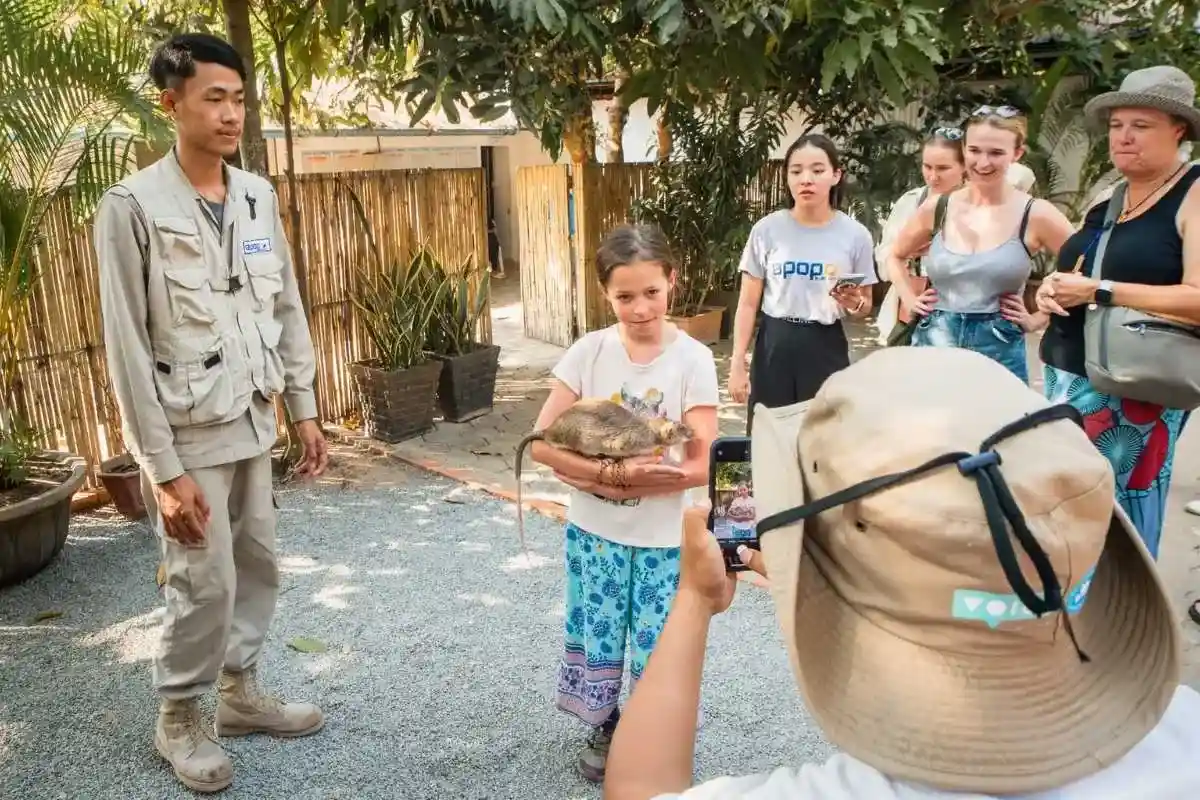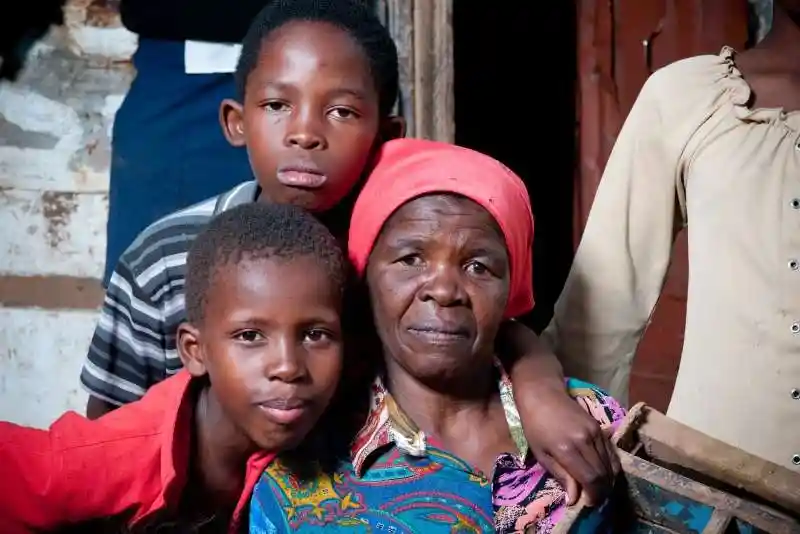
Storytelling has the remarkable ability to inspire change, spark curiosity, and connect people across cultures. In the context of sustainable tourism, it serves as a bridge between travelers, communities, and the environment. By sharing authentic stories that highlight the beauty of nature and the value of responsible travel, storytellers can encourage others to reflect on the impact of their choices. Whether through writing, photography, film, or social media, storytelling can make sustainability personal and relatable by showing real people, real places, and real solutions.
When done effectively, storytelling evokes emotion and empathy. For example, a powerful story might show the efforts of a coastal village protecting its coral reefs, a family restoring traditional farming practices, or a traveler discovering new respect for the natural world. These narratives make the challenges and successes of sustainable tourism more tangible, helping audiences understand that responsible travel is not just about conservation, but also about cultural respect and economic fairness.
Collaboration plays a central role in meaningful storytelling. When storytellers work with local communities and conservation groups, they can help amplify voices that are often overlooked. This partnership ensures that stories are accurate, respectful, and empowering, fostering mutual understanding between visitors and residents. Travelers themselves can also become storytellers by sharing their sustainable travel experiences, promoting responsible behavior, and inspiring others to follow their lead.
How can storytelling be used to inspire travelers to make more sustainable and ethical travel choices? What makes a story about sustainable tourism authentic and emotionally engaging? How can collaboration between storytellers, local communities, and conservation organizations create more impactful and inclusive narratives? Consider how your own travel experiences could be shared to promote sustainability and encourage others to protect the places they visit.
Use the online submission form when sending your articles to help us track all of your submissions. Please try to write about the above topic. Your response should be at least 1,000 words.
To receive credit, your effort is what matters. You should find ways to contribute thoughtful ideas that will help others. Feel free to use personal stories or other information that you want to share, but do not use real names or other identifying information. You may write your response in the space provided or upload your response. Once we review your response, you will receive credit.
Click the button below to submit your article and get your credit.


Membership Email:
Verification Status: