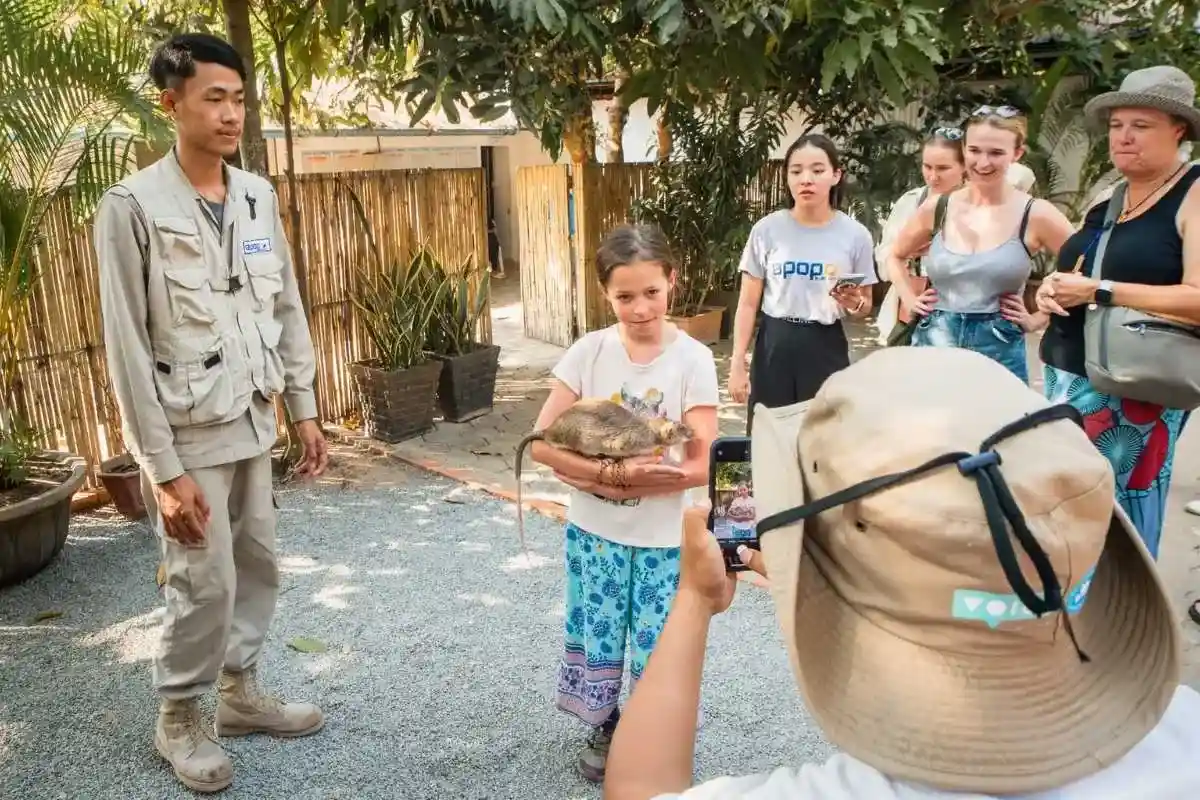
Animal tourism can offer people unique opportunities to connect with wildlife, but it also raises serious ethical questions about animal welfare and conservation. Many popular attractions, such as elephant rides, marine parks, and wildlife shows, can cause harm to animals through confinement, poor treatment, or forced interactions with humans. Even seemingly harmless activities, like taking photos with exotic animals, can contribute to stress and exploitation. Understanding the impact of these experiences is essential for travelers who want to make responsible choices.
Not all animal tourism is harmful. Ethical and sustainable practices prioritize the well-being of animals and the protection of their habitats. Wildlife sanctuaries, rescue centers, and community-led conservation programs are examples of responsible tourism models that focus on rehabilitation, education, and protection rather than profit. These experiences allow visitors to observe animals in natural or well-maintained environments while supporting long-term conservation goals.
Travelers have the power to influence change through the choices they make. Before participating in any animal-related activity, it is important to research the organization’s mission, animal care standards, and conservation impact. Supporting certified ethical programs and avoiding activities that involve direct handling or performances can help reduce animal suffering and exploitation.
What are some examples of ethical and sustainable animal tourism practices, such as wildlife rehabilitation centers or community-based conservation projects? How can travelers educate themselves about the ethical considerations surrounding animal tourism and make responsible decisions? What role do regulations and certifications play in ensuring animal welfare and promoting responsible tourism worldwide?
Use the online submission form when sending your articles to help us track all of your submissions. Please try to write about the above topic. Your response should be at least 1,000 words.
To receive credit, your effort is what matters. You should find ways to contribute thoughtful ideas that will help others. Feel free to use personal stories or other information that you want to share, but do not use real names or other identifying information. You may write your response in the space provided or upload your response. Once we review your response, you will receive credit.
Click the button below to submit your article and get your credit.


Membership Email:
Verification Status: