Sustainable travel, often known as eco-tourism, is about making travel choices that respect and preserve the cultural and natural environments we visit. It involves reducing negative impacts on ecosystems, supporting local communities, and striving to protect the planet for future generations. By being conscious of how we travel, where we stay, and the activities we engage in, we can reduce our carbon footprint and play a role in combating climate change.
One critical component of sustainable travel is transportation. Choosing eco-friendly modes of transport like trains, buses, carpooling, or even traveling by bike where feasible, significantly reduces greenhouse gas emissions compared to flying or driving solo. For longer trips, offsetting carbon emissions by supporting renewable energy projects or reforestation efforts is an excellent way to contribute positively. Making strategic choices in transportation is a significant step toward creating responsible travel experiences.
Sustainable accommodations are another vital aspect of eco-friendly travel. Many hotels, resorts, and lodges have adopted sustainable practices, such as using renewable energy sources, prioritizing water conservation, and reducing waste through recycling and composting. When booking accommodations, look for certifications or initiatives that support sustainability and work with local communities to create meaningful change that directly benefits the destination you are visiting.
Respect for local cultures and economies also defines sustainable travel. Supporting local artisans, dining at locally-owned restaurants, and participating in culturally respectful activities help empower communities while providing travelers with authentic and enriching experiences. Make an effort to learn about the customs, traditions, and history of the place you visit, ensuring your presence leaves a positive impression rather than contributing to overtourism or cultural disruption.
There are countless ways to contribute further as an active advocate for sustainable travel. Take a course on eco-tourism to deepen your understanding of its principles. Write a compelling blog or create engaging social media posts to raise awareness and inspire others to make responsible travel choices. Or grab your camera and capture the beauty of the natural world and the meaningful actions local communities are taking to preserve it. Sharing your knowledge and inspiration is a powerful way to encourage global travelers to build a more sustainable future.

Discover the relationship between sustainability and cost in tourism, challenging the idea that responsible travel is only for big budgets. Discover how travelers and businesses can make meaningful impacts, no matter their resources.

Explore the global environmental impact of tourism, from carbon emissions to ecosystem disruption, and learn sustainable strategies to balance economic benefits with ecological responsibility in this comprehensive course.

Learn how safari tourism in Africa drives wildlife conservation, empowers local communities, and funds environmental initiatives, showcasing the positive impact of responsible travel on biodiversity and sustainability.
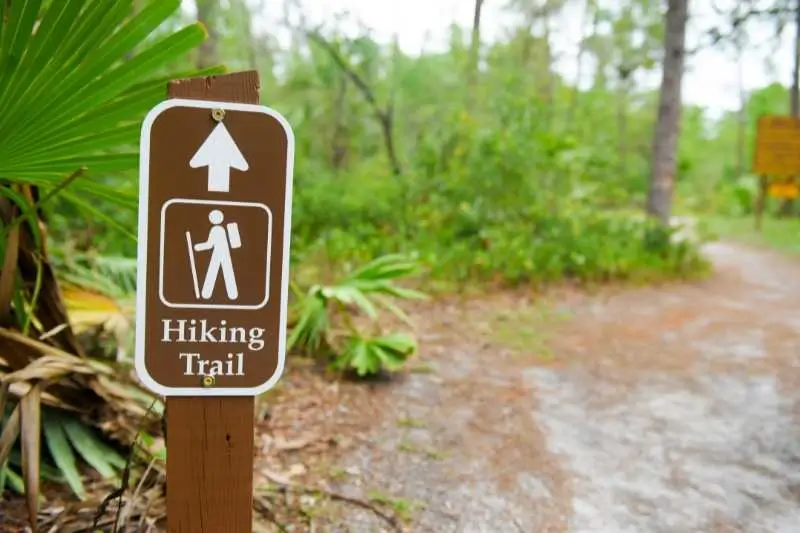
Hiking trail cleanups protect ecosystems and keep outdoor spaces beautiful. By cleaning up a local hiking trail, you can preserve nature and ensure trails remain safe and enjoyable for all.
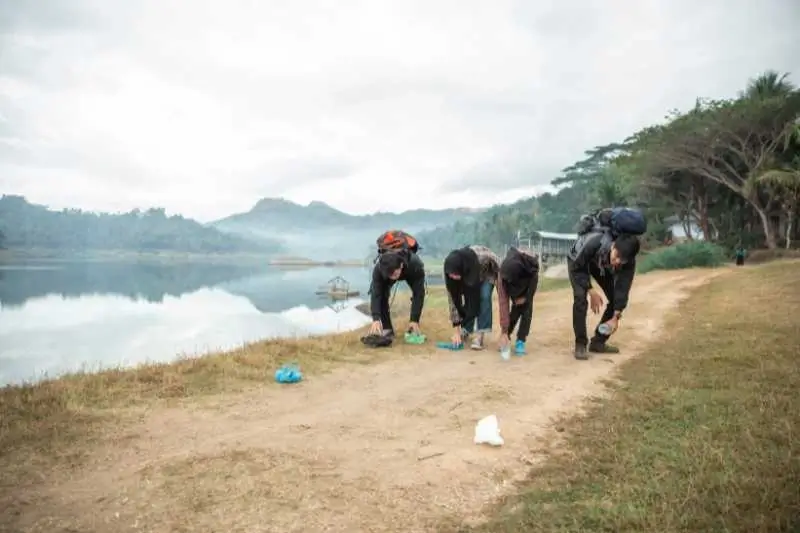
Lake and river cleanups protect freshwater ecosystems and prevent pollution. Help safeguard these vital environments for wildlife and communities by doing your part.

Beach cleanups protect marine life and reduce ocean pollution. Help keep unwanted materials out of our oceans and preserve these vital habitats to ensure cleaner, safer oceans and beaches.

Collecting plastic bags for recycling reduces waste and prevents pollution. Gather, clean, and drop off bags at designated recycling locations or place them in your recycling bin.

Show how our desire for exploration can be balanced with eco friendly practices and respect for local communities.

Share stories that show how travel can protect the planet, support communities, and preserve natural and cultural treasures.


Membership Email:
Verification Status: