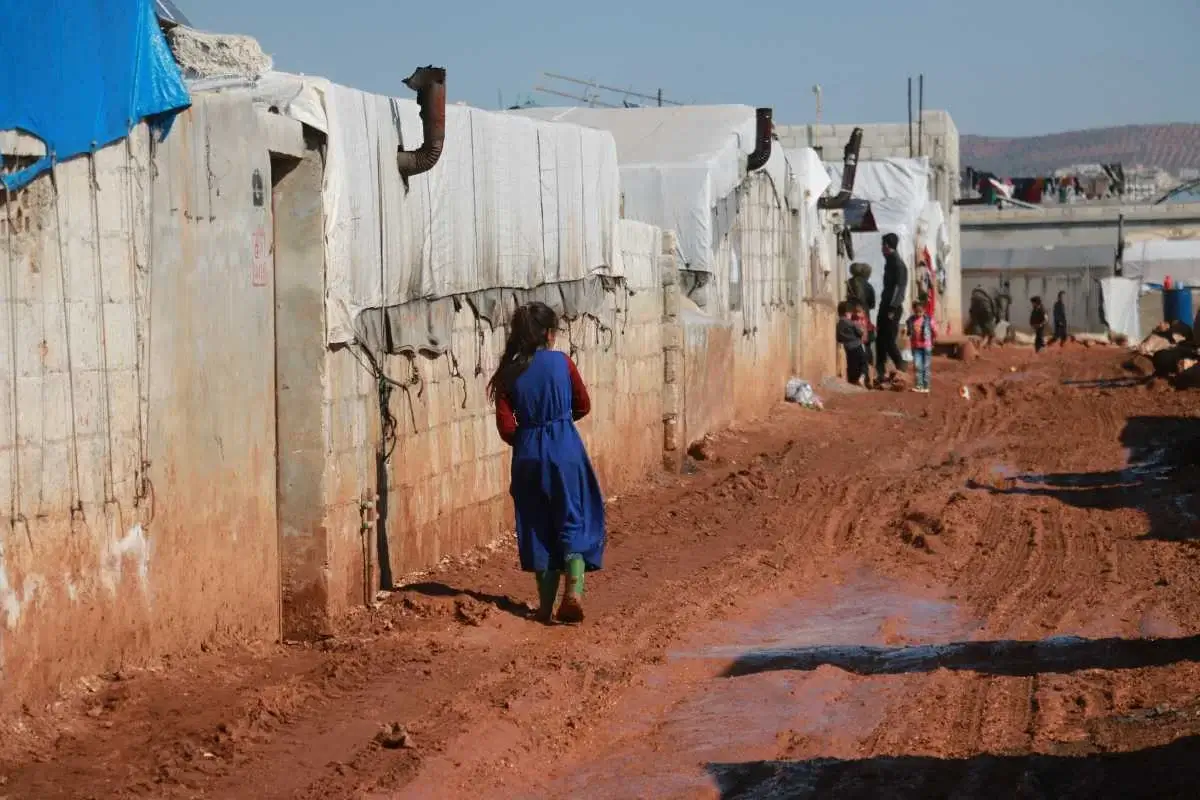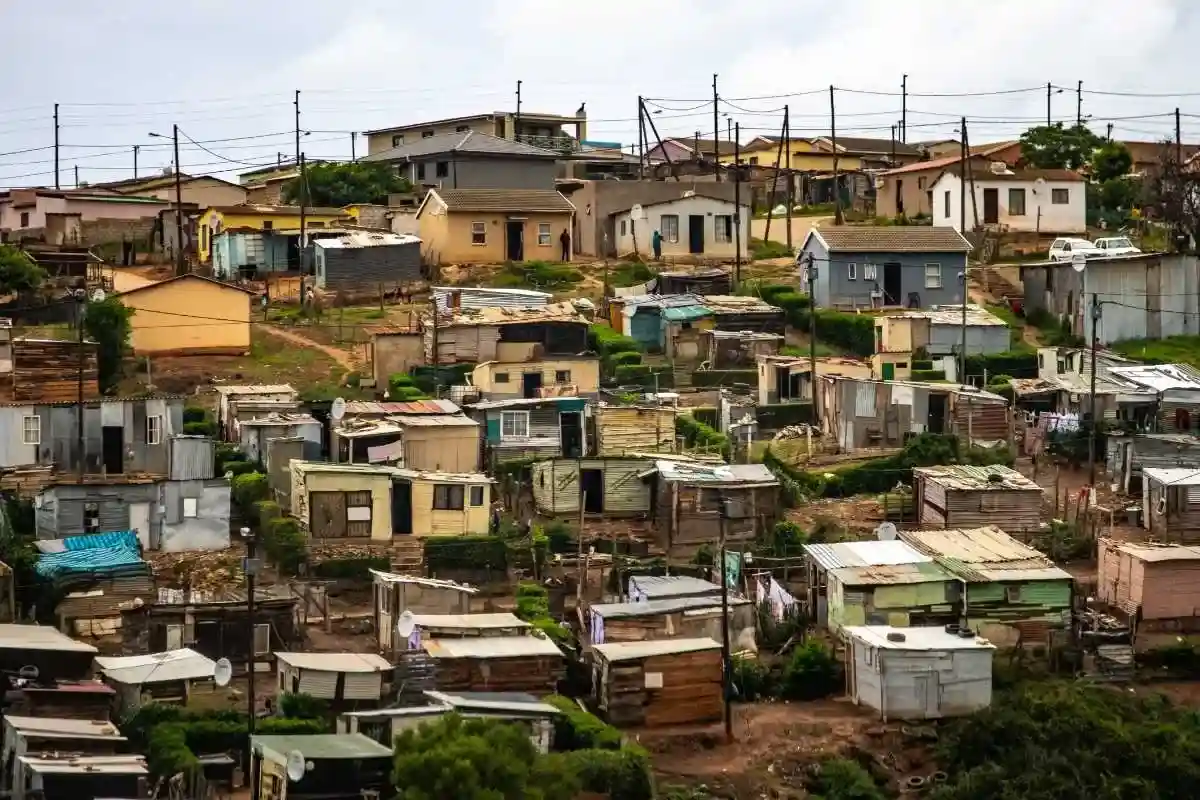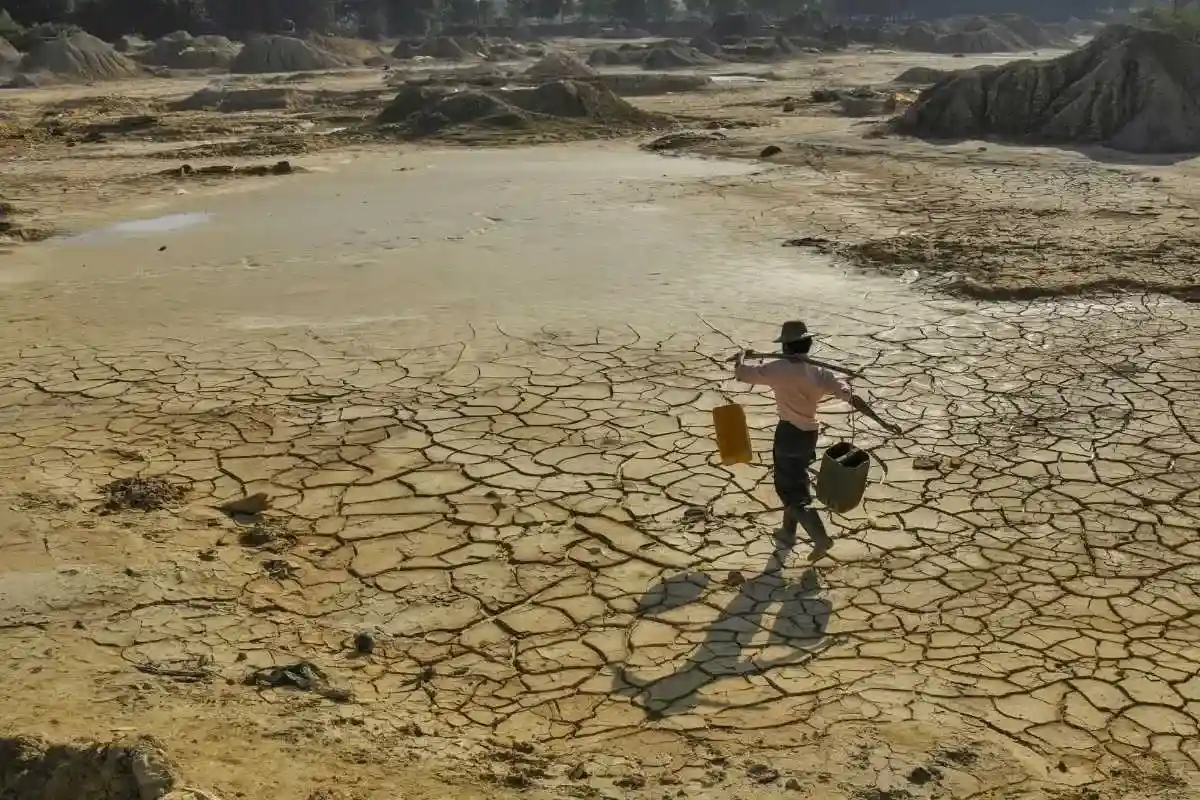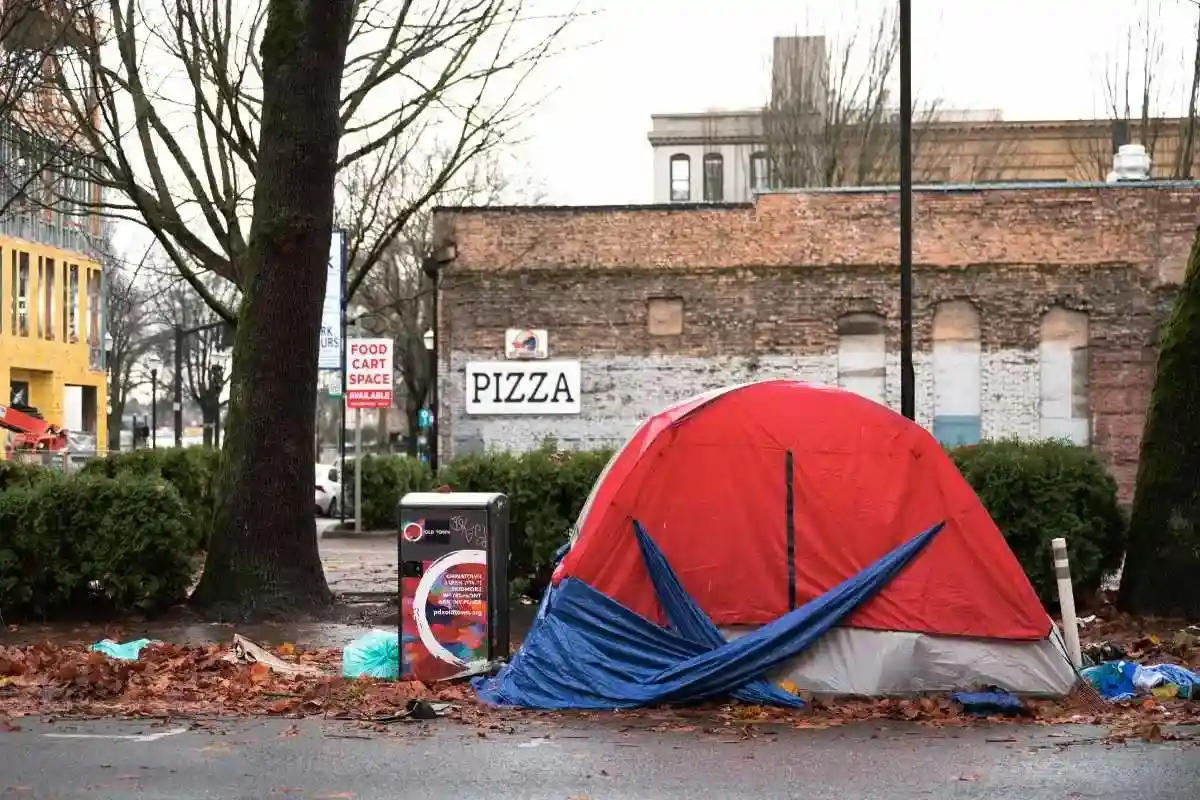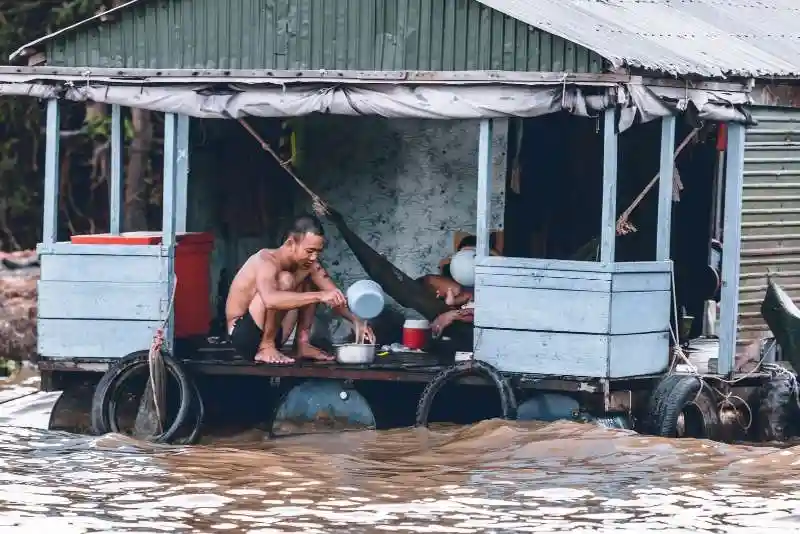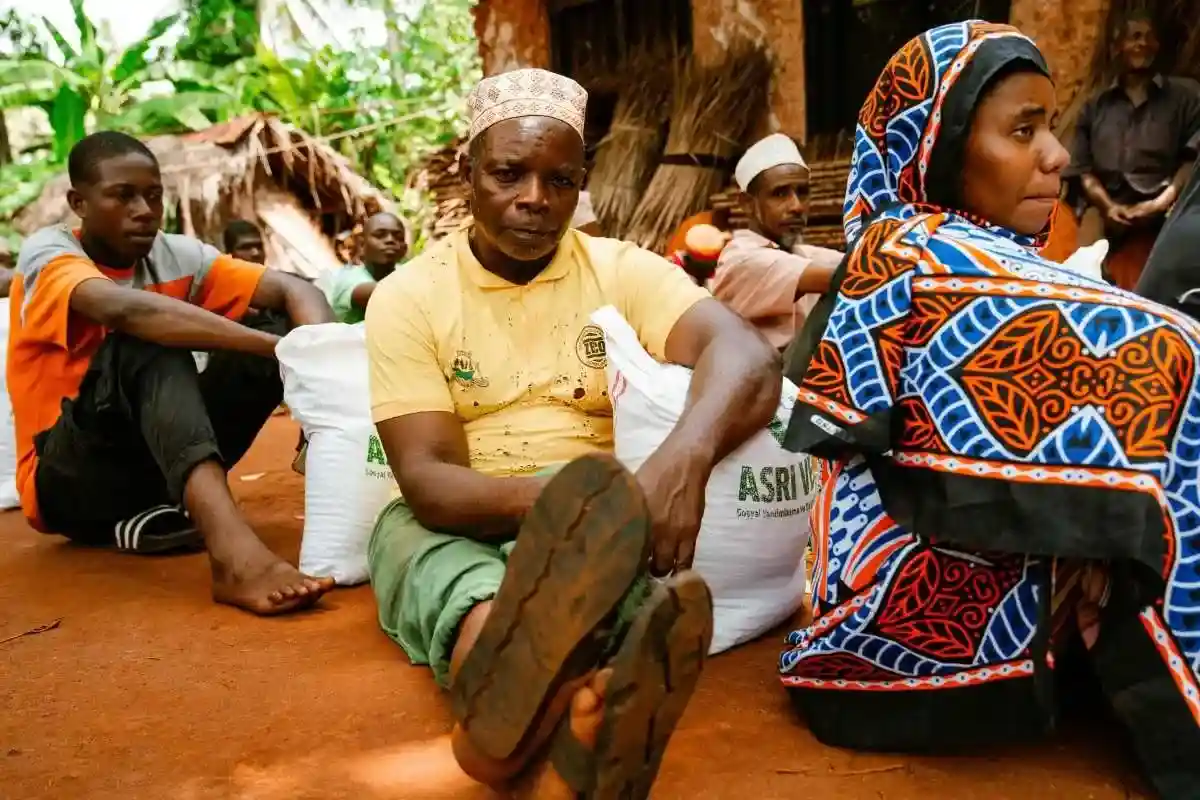
Climate change affects every nation, but developing countries face the greatest challenges because they have fewer resources to adapt. These nations are often located in regions that experience extreme weather, rising sea levels, and long droughts, all of which threaten food security, health, and livelihoods. Many of these countries depend heavily on agriculture and natural resources, making them especially vulnerable to climate disruptions. While they contribute the least to global greenhouse gas emissions, they endure some of the most severe consequences, creating an urgent need for global fairness and support.
Climate justice calls for wealthier nations, which are responsible for most historical emissions, to help developing countries adapt and build resilience. This support can take the form of financial aid, technology sharing, and sustainable infrastructure development. By promoting equitable partnerships, the global community can help vulnerable nations strengthen their economies while protecting the environment.
Addressing this imbalance also requires including local voices in global decision-making. Policies designed to combat climate change must reflect the needs and priorities of those most affected. Empowering local leaders and communities to shape adaptation strategies ensures that solutions are practical, inclusive, and sustainable.
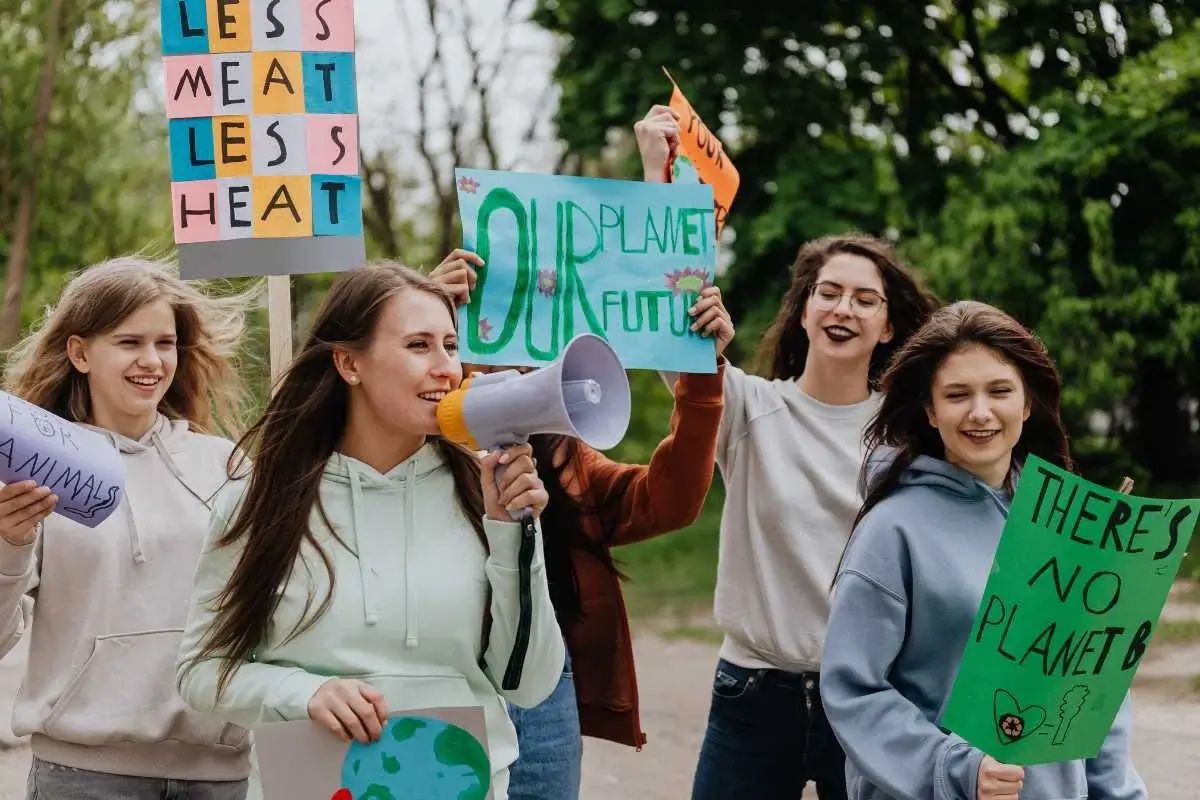
How can we take part in advocating for climate justice? Should wealthier nations be held more accountable for their environmental impact, and if so, how? What role does sustainable development play in helping developing countries adapt to climate change? How can vulnerable communities ensure their voices are heard when global policies are created? What actions can you take to support climate justice in your community or beyond, and how might collective efforts lead to meaningful, long-term change?
Use the online submission form when sending your articles to help us track all of your submissions. Please try to write about the above topic. Your response should be at least 1,000 words.
To receive credit, your effort is what matters. You should find ways to contribute thoughtful ideas that will help others. Feel free to use personal stories or other information that you want to share, but do not use real names or other identifying information. You may write your response in the space provided or upload your response. Once we review your response, you will receive credit.
Click the button below to submit your article and get your credit.


Membership Email:
Verification Status: