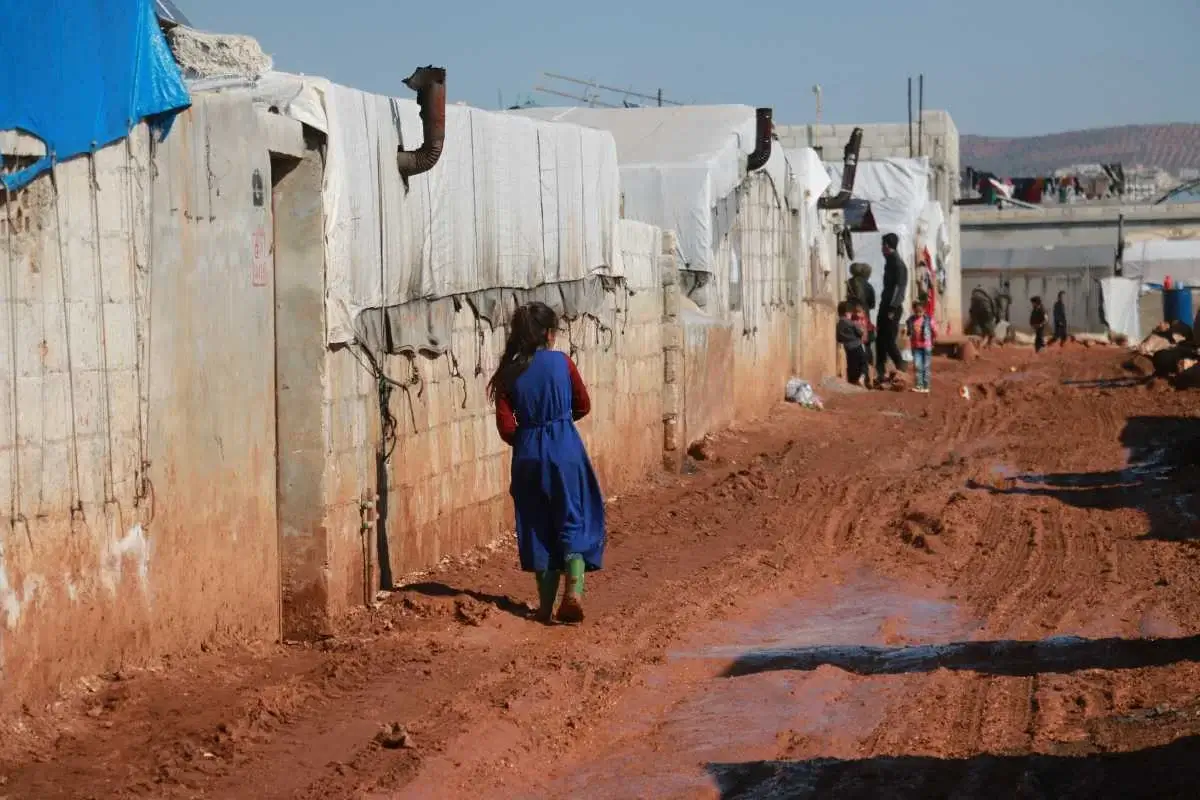
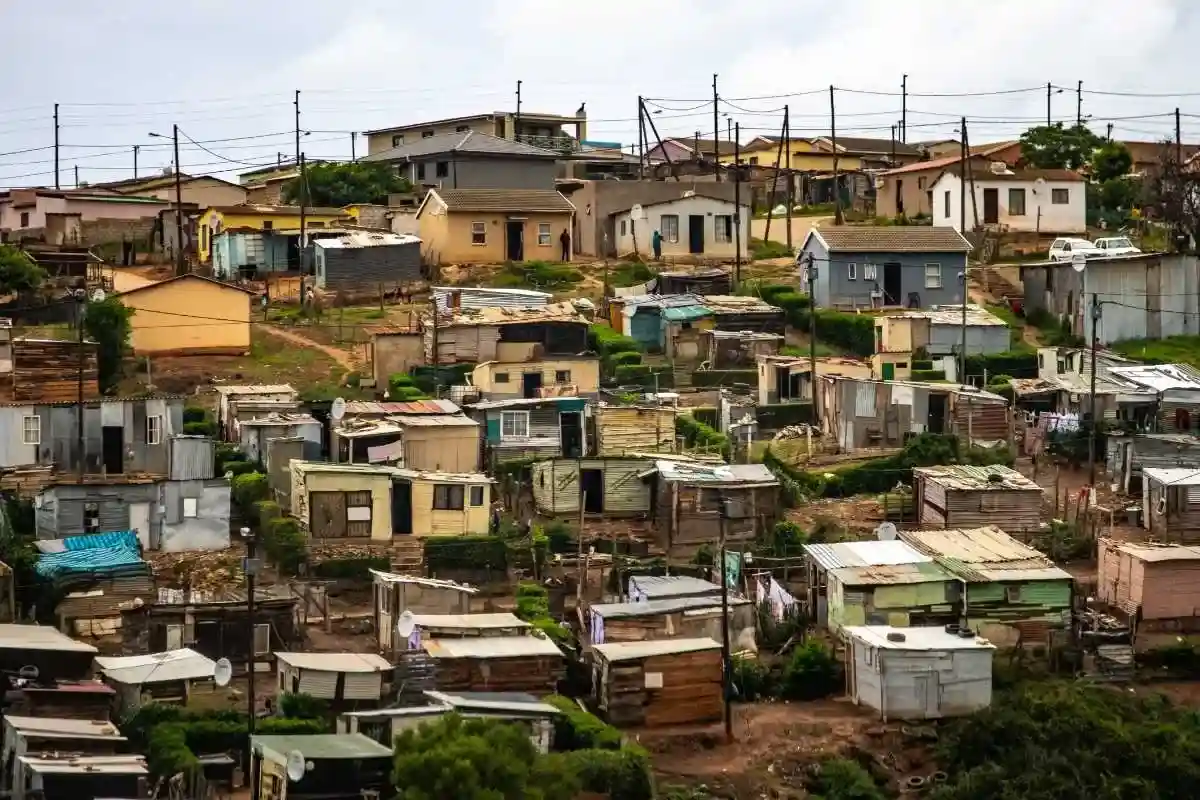
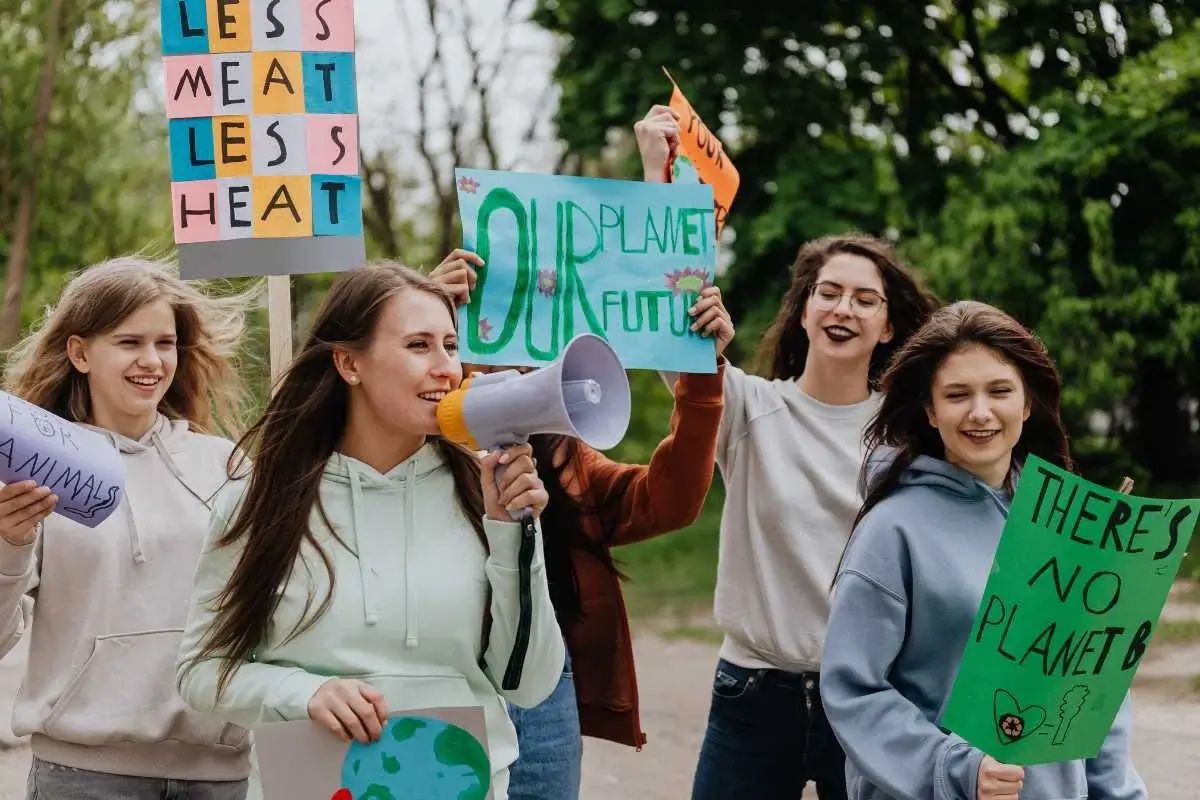
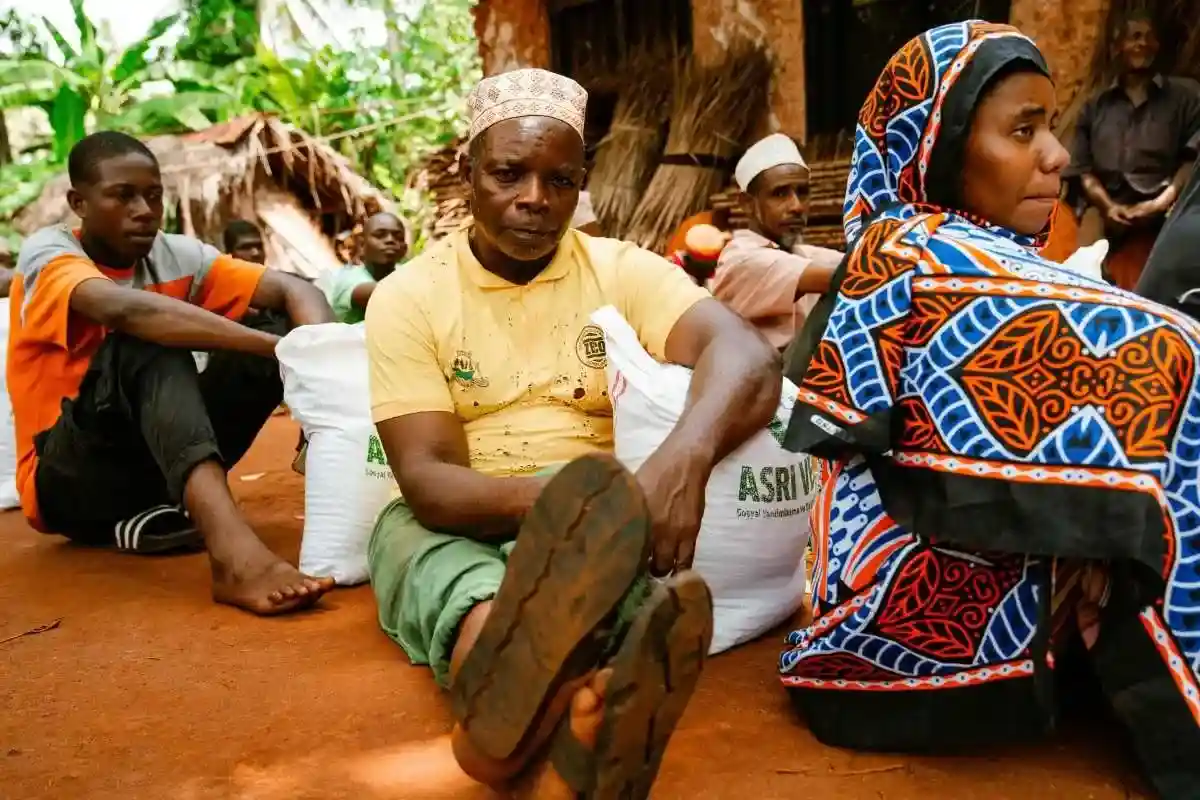
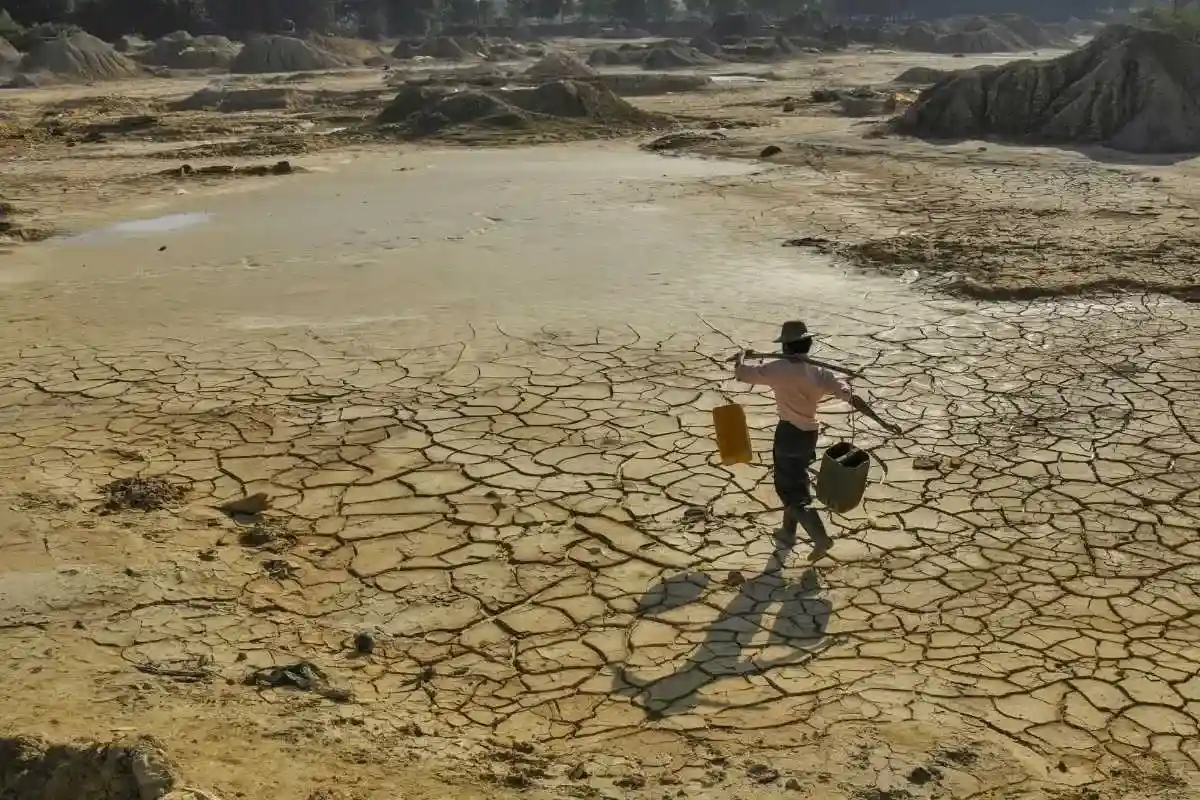
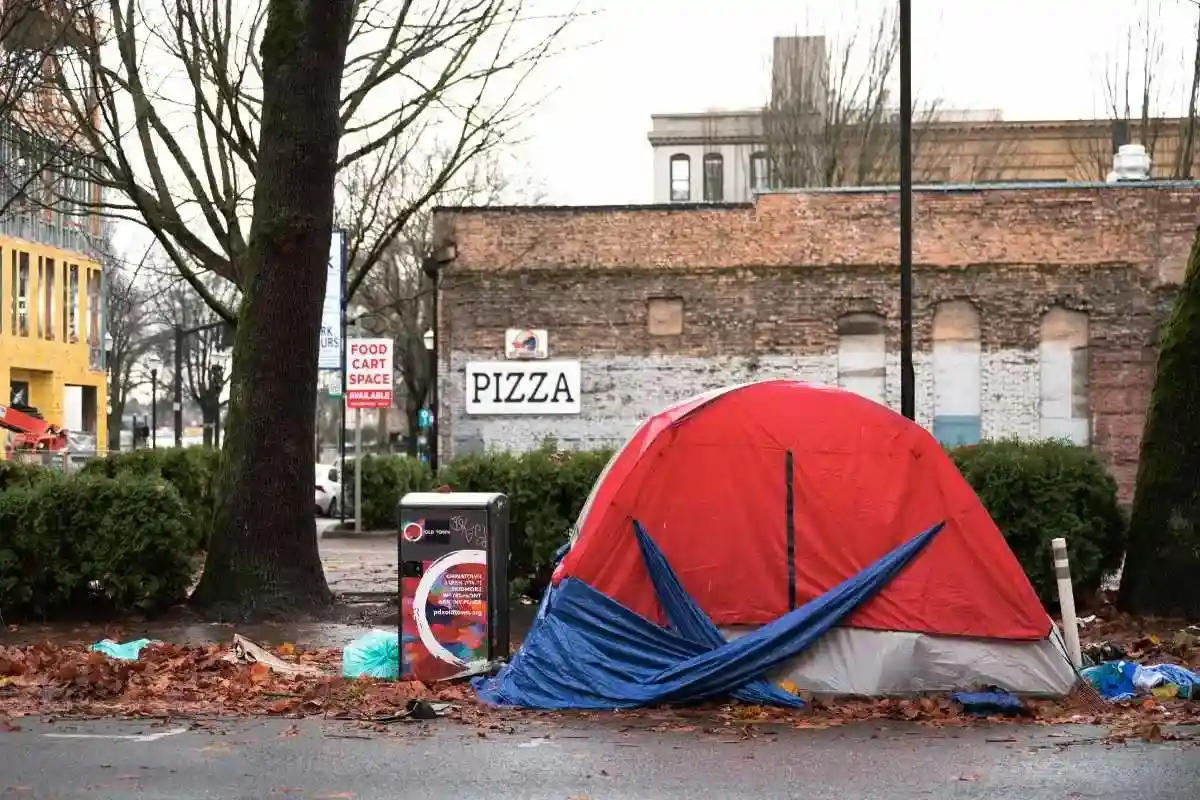
Climate justice is centered on treating all communities fairly in the face of climate change. While the impacts of a changing climate touch everyone, vulnerable communities often bear the brunt of extreme weather, rising sea levels, and environmental shifts. Addressing these inequities requires us to look closely at how climate solutions can also promote social justice, empowering those most affected. It’s about standing up for both people and the planet, working together to create a sustainable and equitable future.
At its heart, climate justice connects environmental issues with human rights. It emphasizes the need to protect marginalized groups, ensure fair access to resources, and amplify the voices of those often excluded from decision-making processes. From small communities facing deforestation to nations grappling with rising oceans, each story adds urgency to the need for inclusive policies and actions. Learning about climate justice is an opportunity to explore how ethical choices and collective action can lead to meaningful change.
You can join this movement by combining your passion with action. Take a course to understand the principles of climate justice and learn how to apply them. Write an article that highlights resilient communities rising above challenges. Use social media to raise awareness and ignite conversations about equitable climate solutions. Or capture powerful images that tell the stories of those most impacted by climate change. These activities are not just educational but also a meaningful way to inspire others.
Climate justice empowers you to think critically about the intersections of sustainability and equity. It’s about transforming knowledge into advocacy, ensuring that everyone has a seat at the table as we shape a greener, fairer world. With every effort, big or small, you can contribute to building a future where well-being and environmental health go hand in hand.
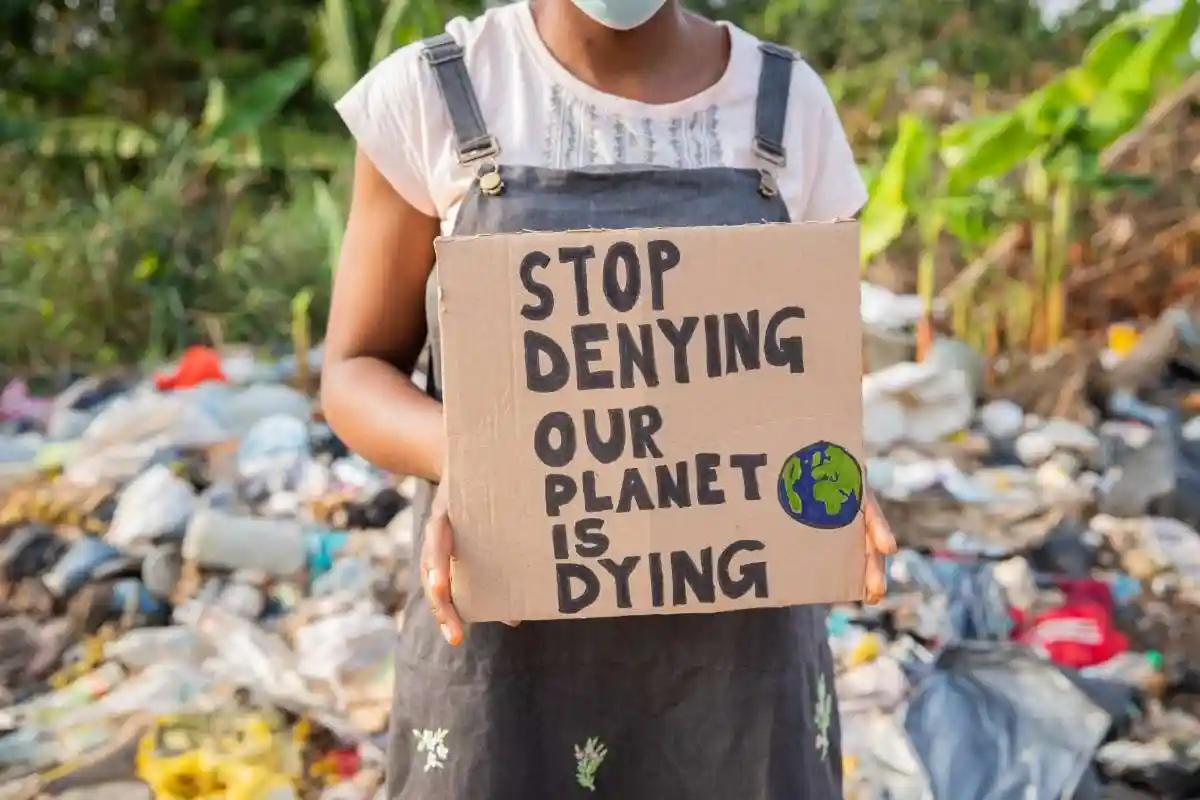
Explore the urgent challenges of climate disruption, from rising temperatures to extreme weather, and their impact on life on Earth. Learn the science, social effects, and actions needed to address this global crisis.
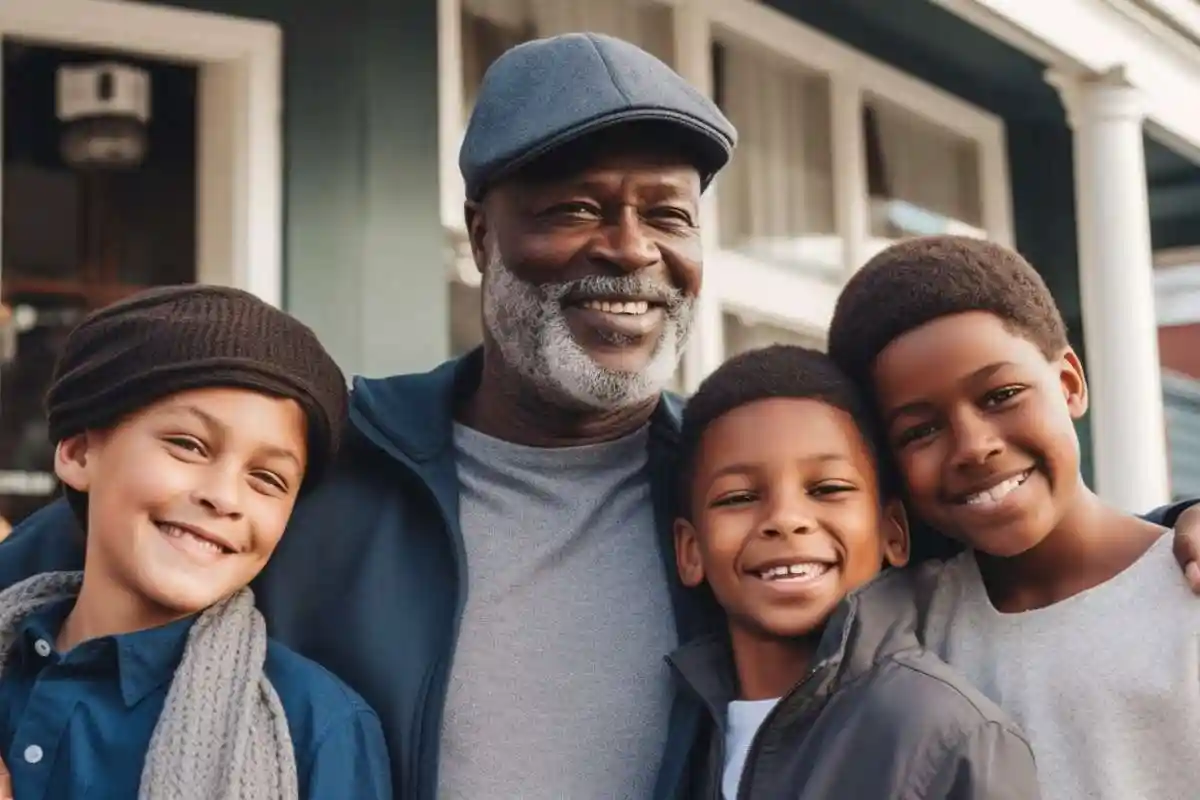
Learn how climate change disproportionately impacts Black communities in the Greater Toronto and Hamilton Area. Understand the systemic barriers they face and explore solutions for achieving climate justice and equitable resilience.
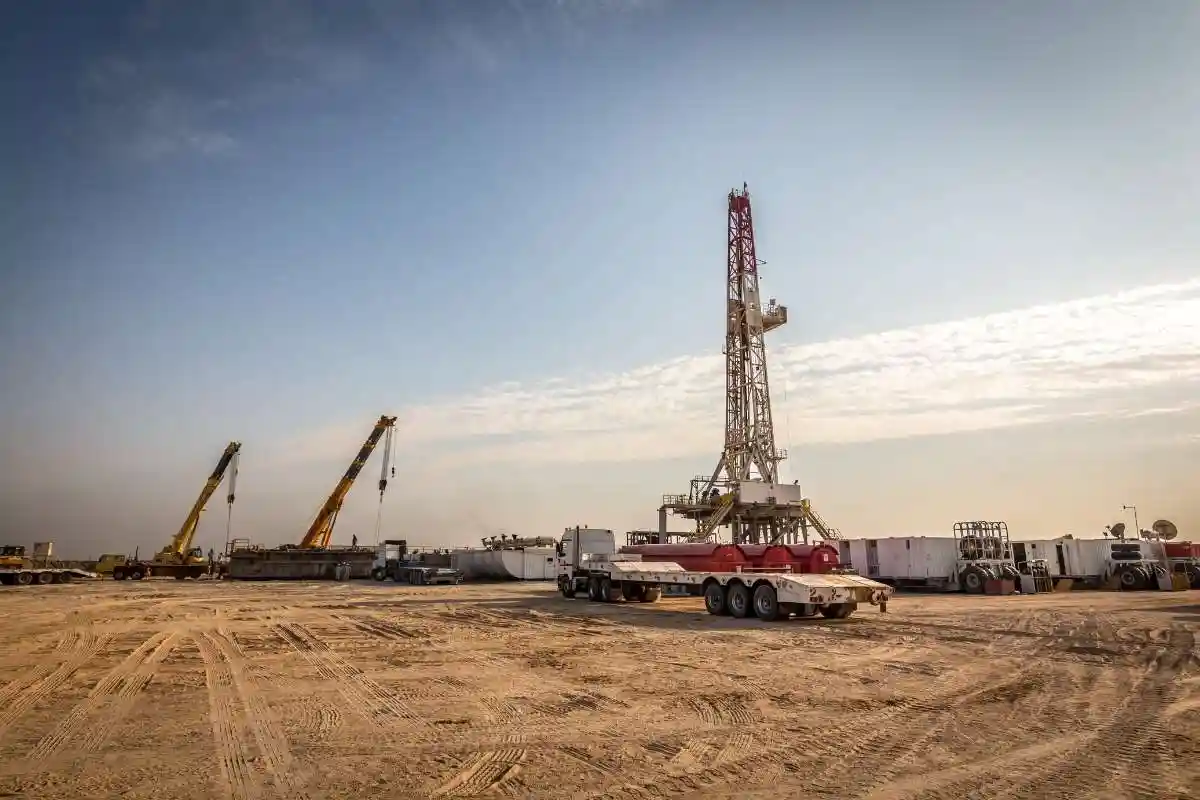
Learn how fracking harms the environment, accelerates climate change, and violates human rights, especially in marginalized communities. Explore global efforts to hold corporations accountable and push for environmental justice.
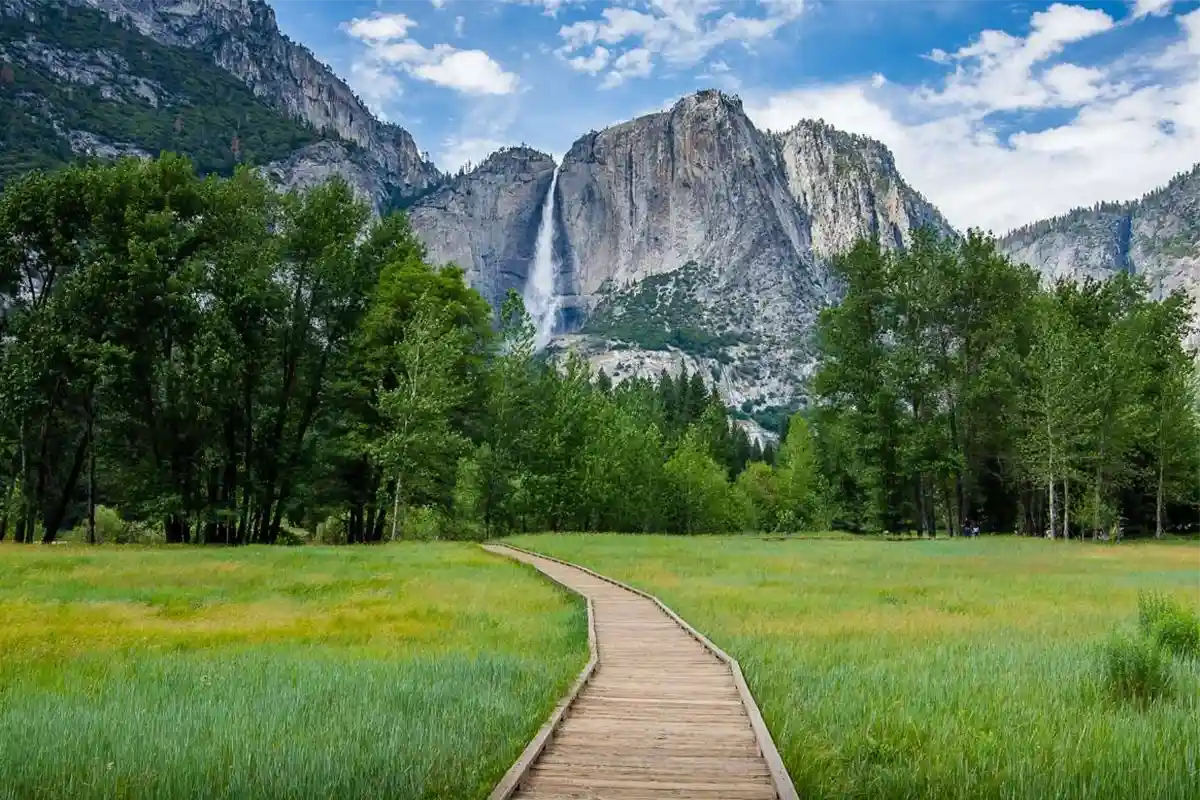
Discover the cultural, environmental, and economic importance of America’s public lands. Learn about the threats they face and how communities, activists, and individuals can work together to protect these shared treasures.
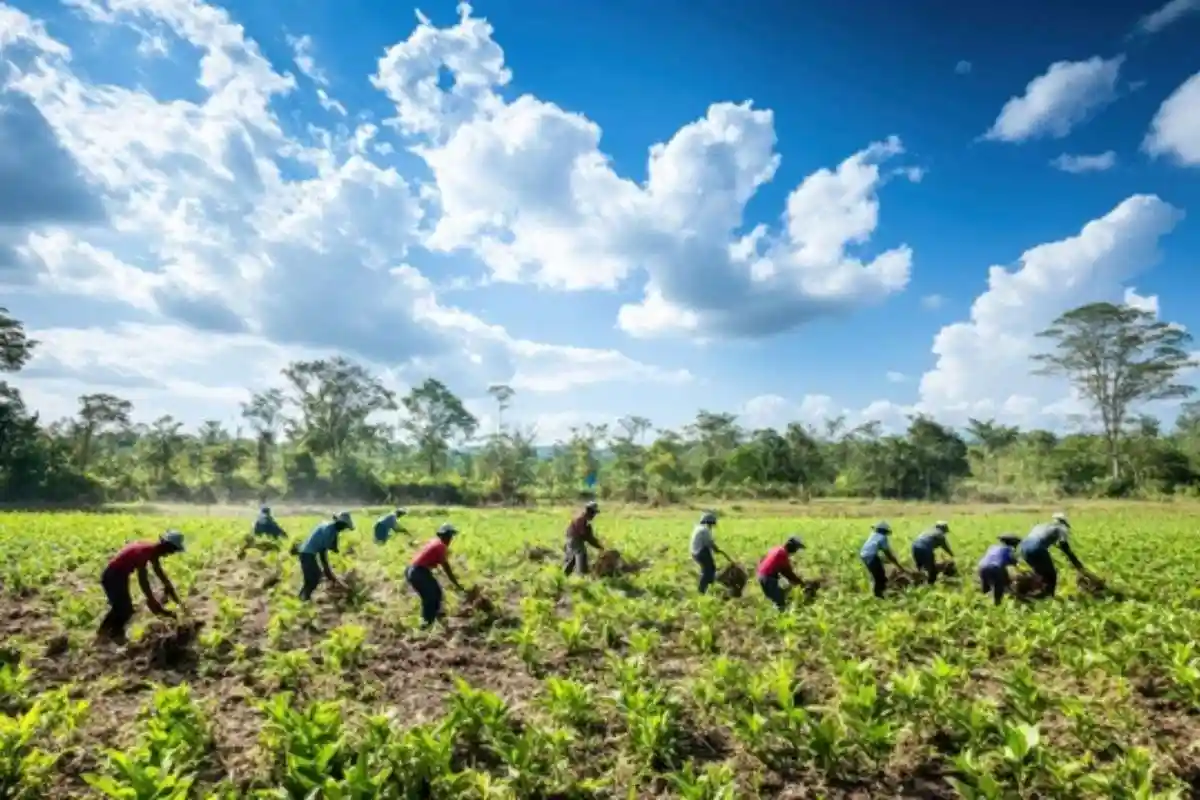
Learn about the exploitation of migrant workers in Italy’s agricultural sector, the systemic issues driving it, and the efforts to create ethical solutions. Understand how fair wages, advocacy, and ethical supply chains can lead to lasting change.
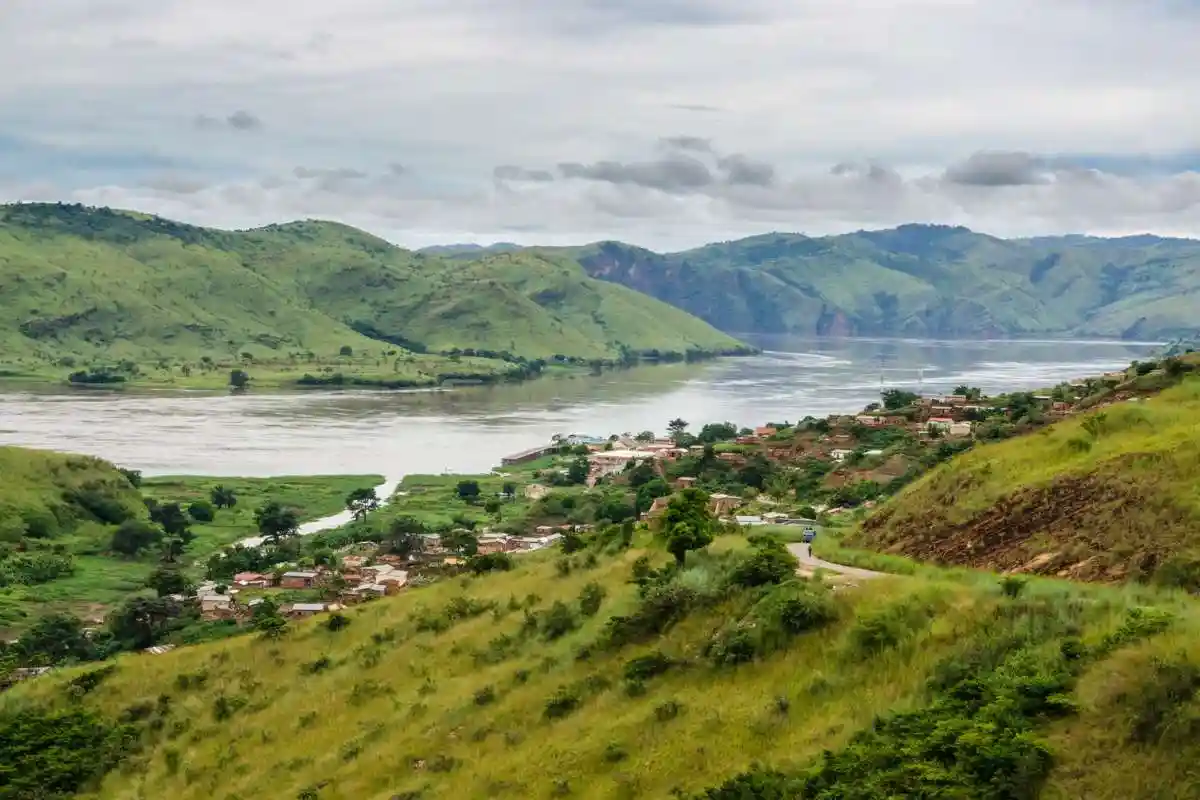
Explore how the global demand for Africa’s raw materials, driven by China and Europe, impacts local communities and ecosystems. Learn about the ethical challenges, geopolitical dynamics, and human costs tied to the clean energy revolution.
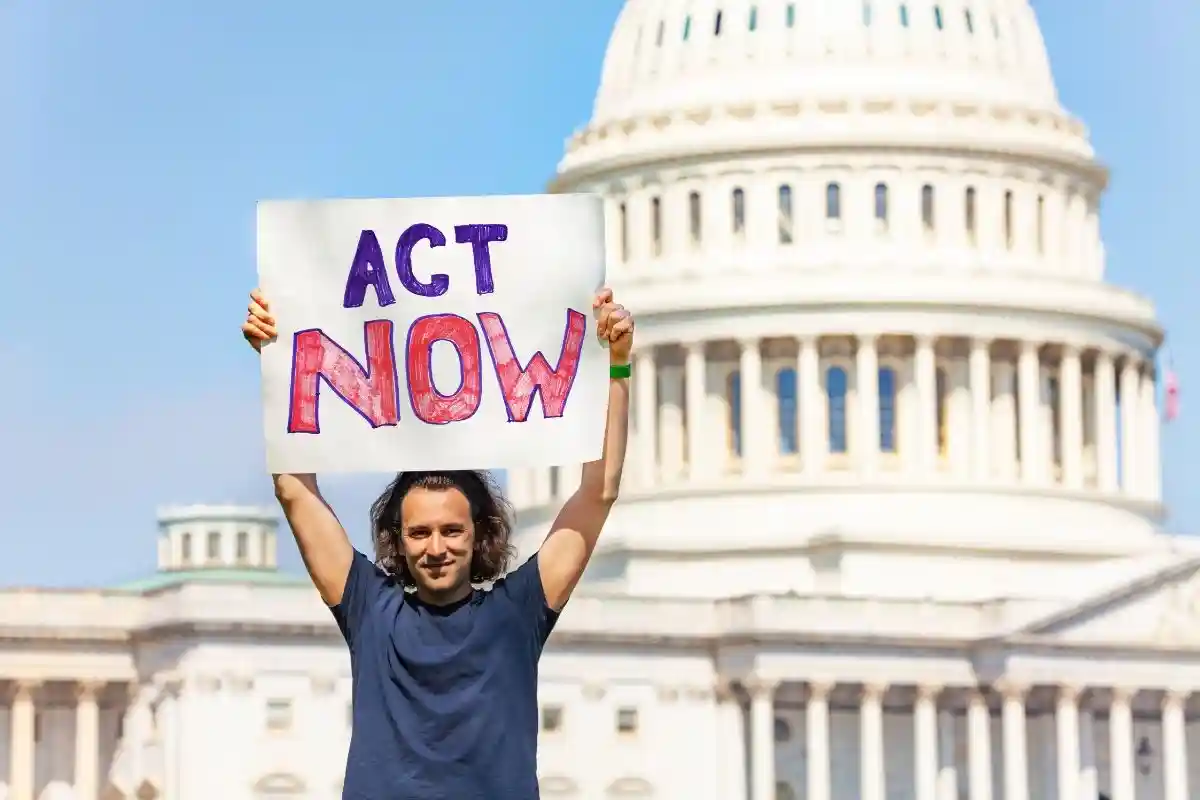
Learn how climate change threatens human rights, disproportionately impacts vulnerable populations, and why a rights-based approach, like the UN's recognition of a healthy environment, is essential for addressing this global crisis.

Switching to energy-efficient light bulbs reduces energy use, lowers bills, and cuts emissions. Replace old bulbs with LEDs or CFLs for long-lasting, eco-friendly lighting.
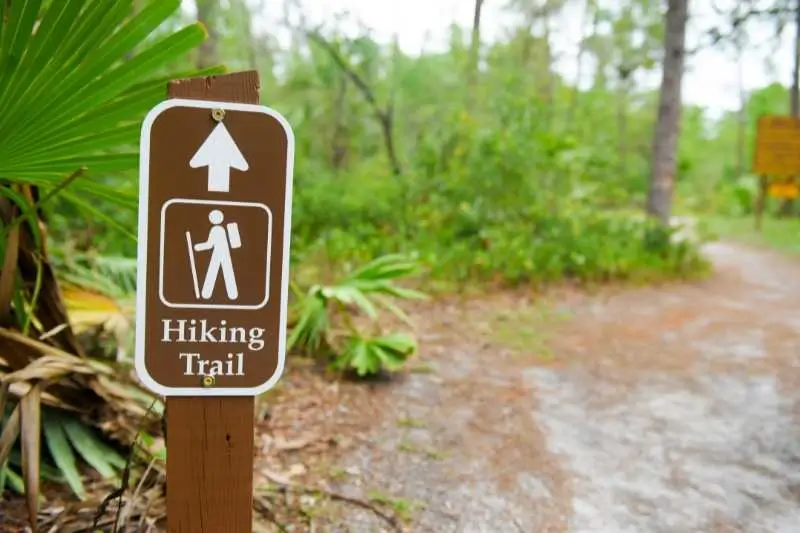
Hiking trail cleanups protect ecosystems and keep outdoor spaces beautiful. By cleaning up a local hiking trail, you can preserve nature and ensure trails remain safe and enjoyable for all.
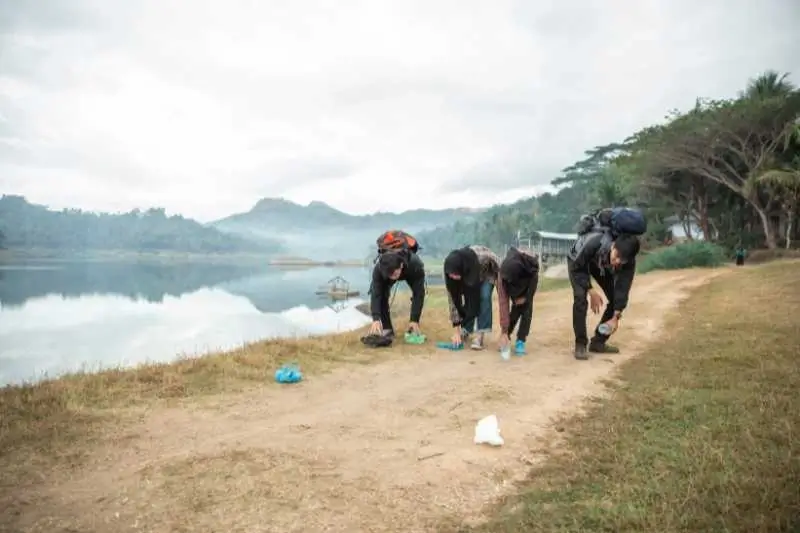
Lake and river cleanups protect freshwater ecosystems and prevent pollution. Help safeguard these vital environments for wildlife and communities by doing your part.
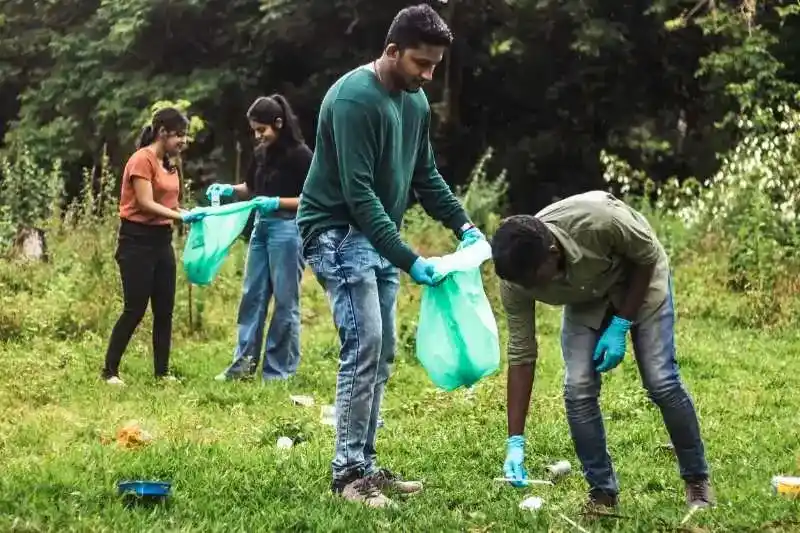
Cleaning up a local park helps your community and protects the environment. Learn how you can help by cleaning up a park to help your community.
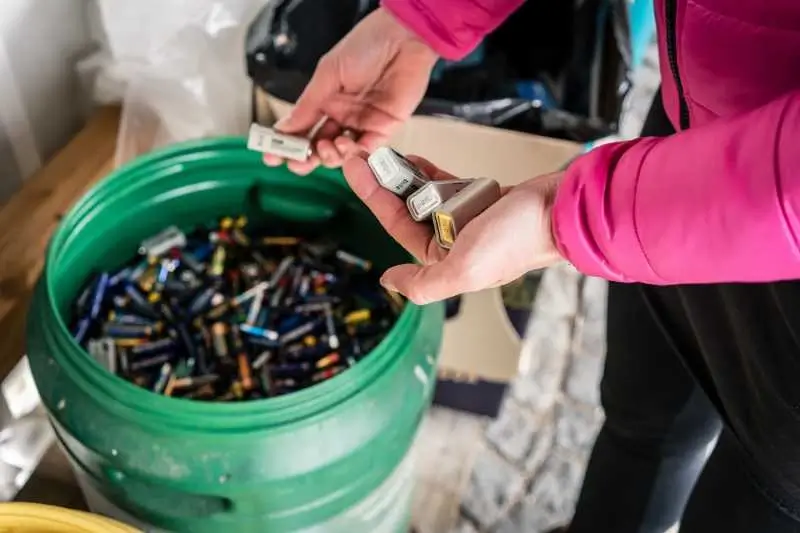
Recycling batteries reduces toxic waste and protects the environment. Collect used batteries and drop them off at any designated recycling locations.
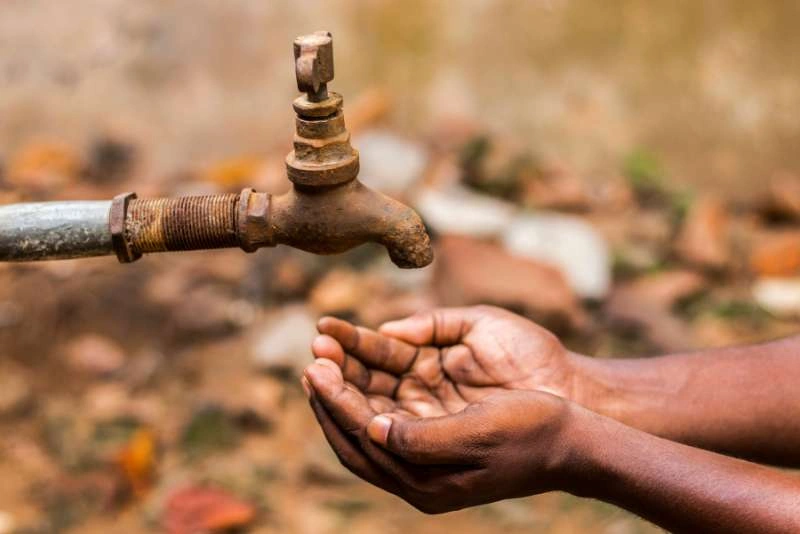
Shoot images of injustice, activism, protests, or grassroots efforts advocating for climate policies that protect everyone.
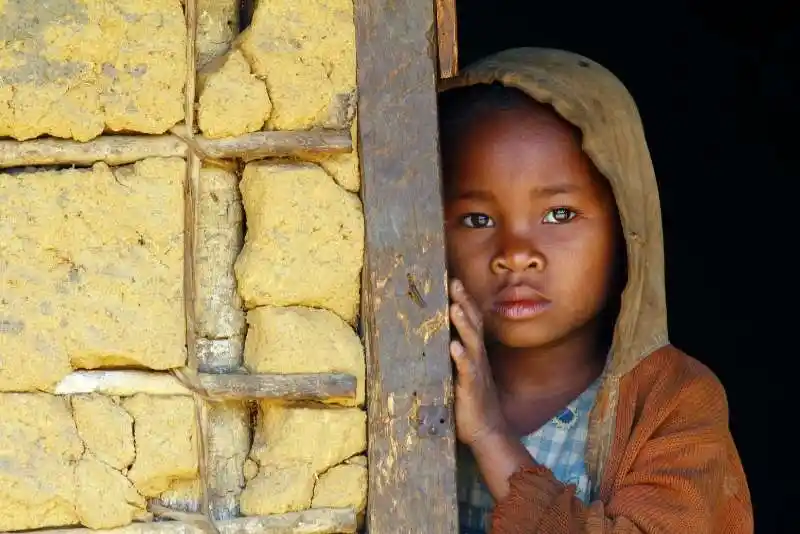
Amplify stories of resilience and advocacy from communities most affected by climate change.


Membership Email:
Verification Status: