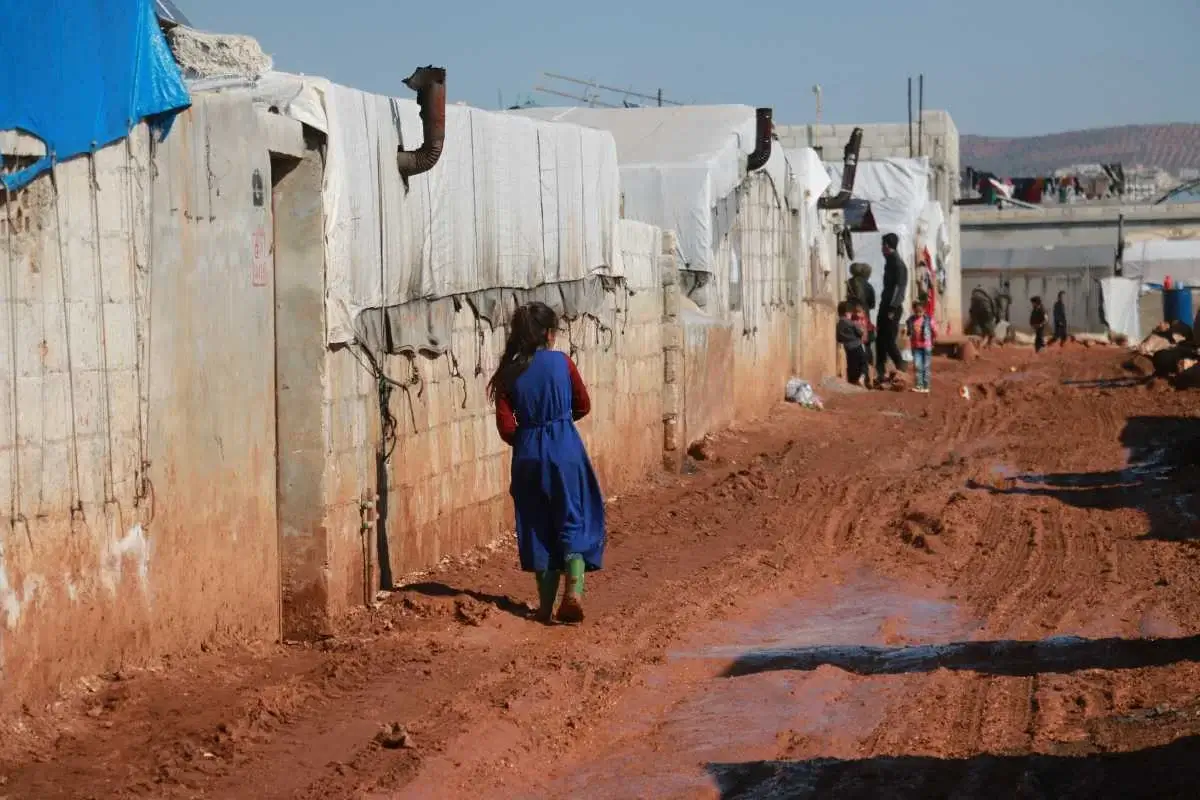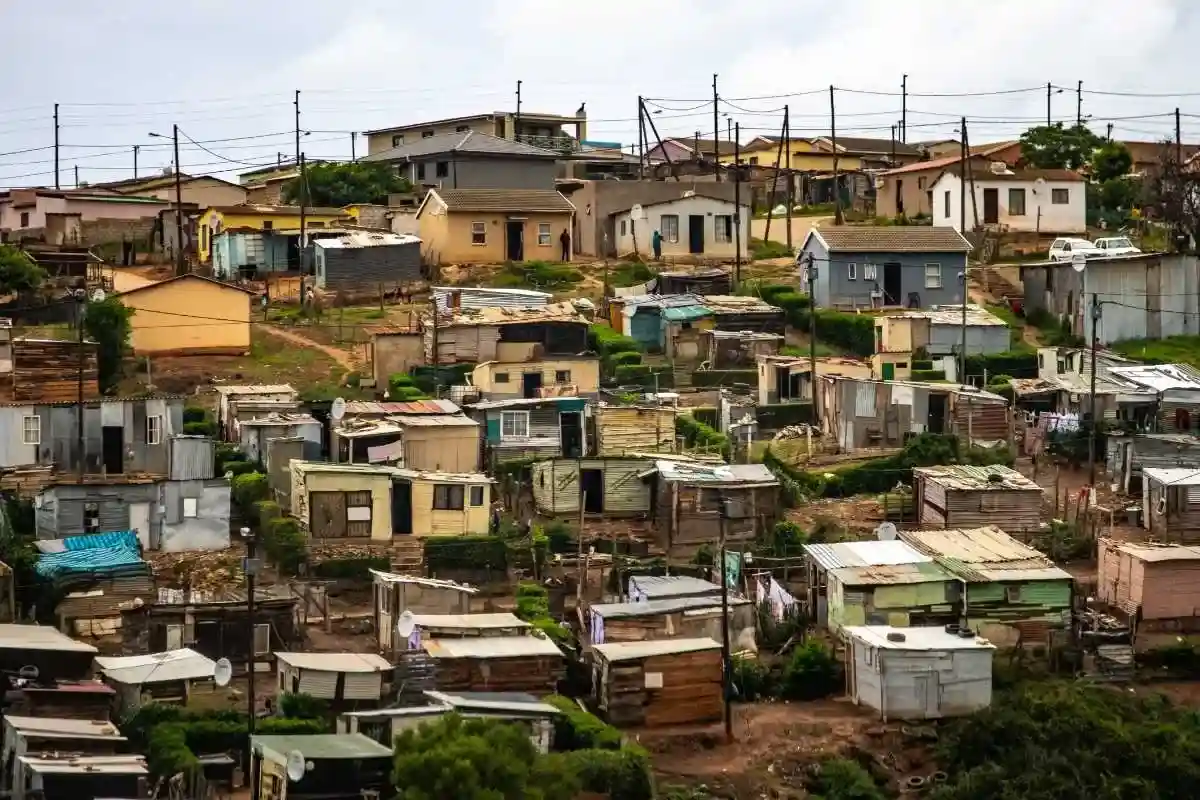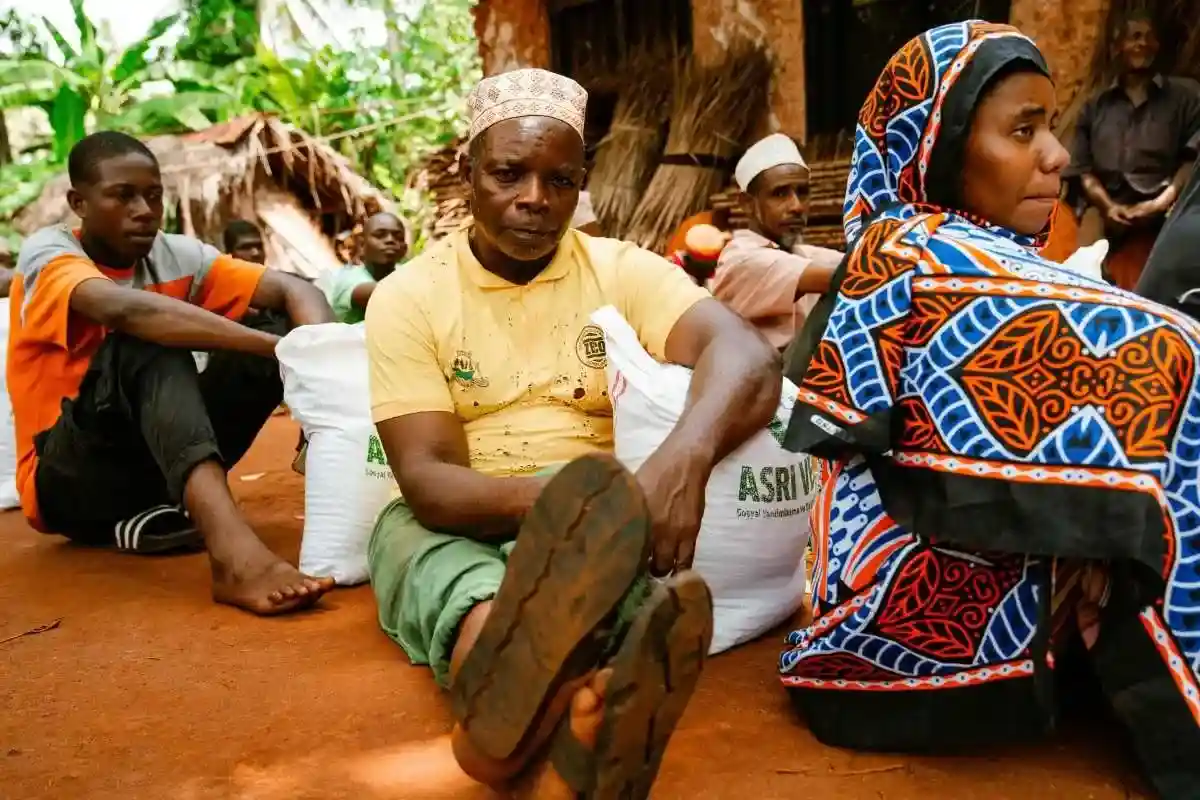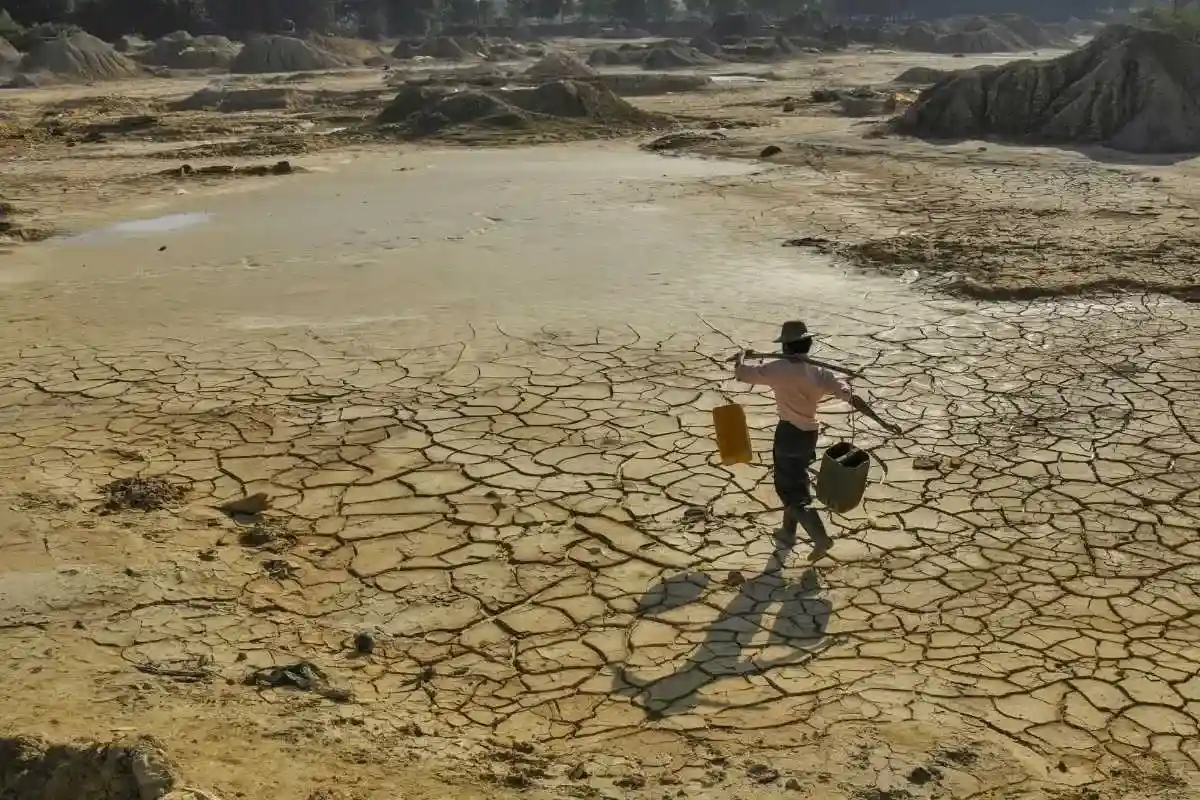
Climate justice connects the fight against climate change with the pursuit of fairness and equality. It recognizes that environmental harm does not affect everyone equally and that marginalized and low-income communities often face the greatest risks from pollution, natural disasters, and resource loss. Grassroots activism has become one of the most powerful tools in confronting these injustices. Through marches, campaigns, and community organizing, activists are pushing governments and corporations to adopt policies that protect vulnerable populations and promote sustainability for all.
These movements show how local action can influence global change. When communities unite around shared goals, they can draw attention to environmental injustices and demand accountability from decision-makers. Activism helps transform public awareness into concrete policy reforms that support clean energy, environmental protection, and equitable access to resources. Collaboration across different communities, organizations, and governments strengthens these efforts and ensures that solutions are inclusive and long-lasting.
How does grassroots activism help create real change within the climate justice movement? What strategies are most effective in transforming protests into lasting policy reforms? How can activists build strong coalitions across communities to strengthen shared goals? What role do local governments, organizations, and individuals play in advancing environmental equity? How can citizens hold leaders accountable for following through on their climate justice commitments at both the local and global level?
Use the online submission form when sending your articles to help us track all of your submissions. Please try to write about the above topic. Your response should be at least 1,000 words.
To receive credit, your effort is what matters. You should find ways to contribute thoughtful ideas that will help others. Feel free to use personal stories or other information that you want to share, but do not use real names or other identifying information. You may write your response in the space provided or upload your response. Once we review your response, you will receive credit.
Click the button below to submit your article and get your credit.


Membership Email:
Verification Status: