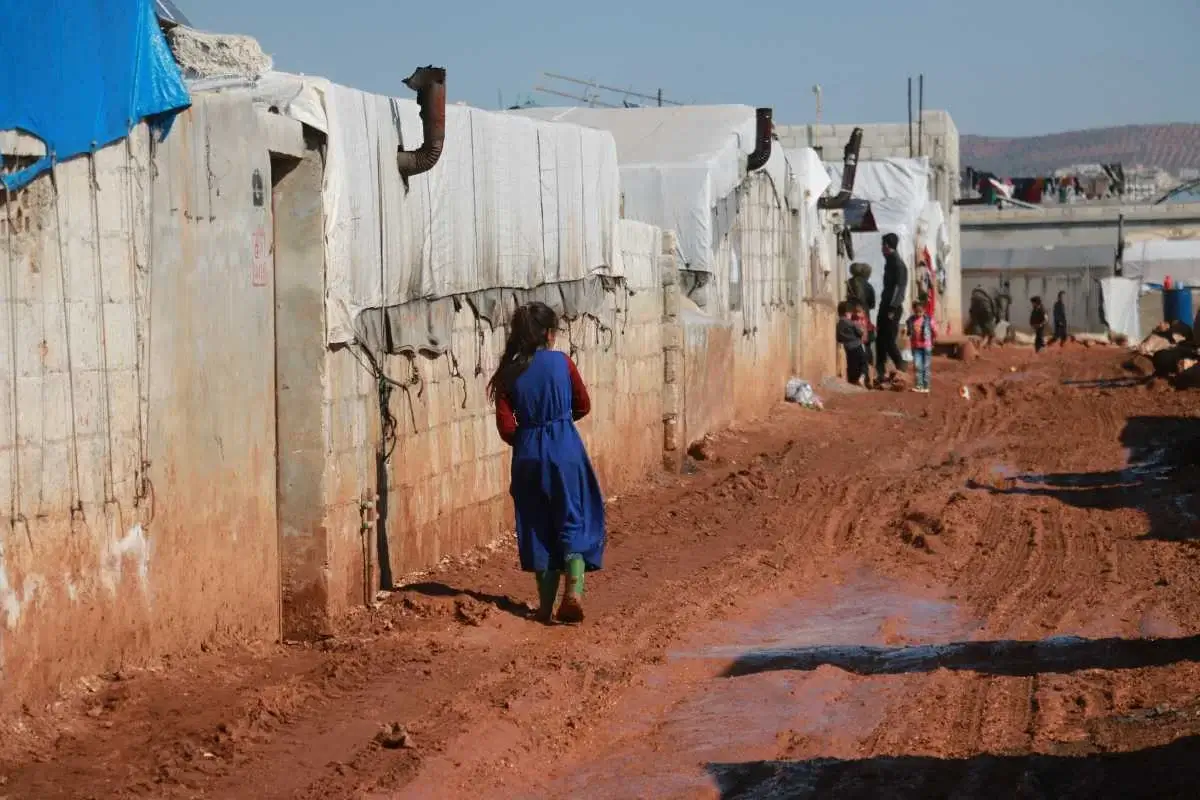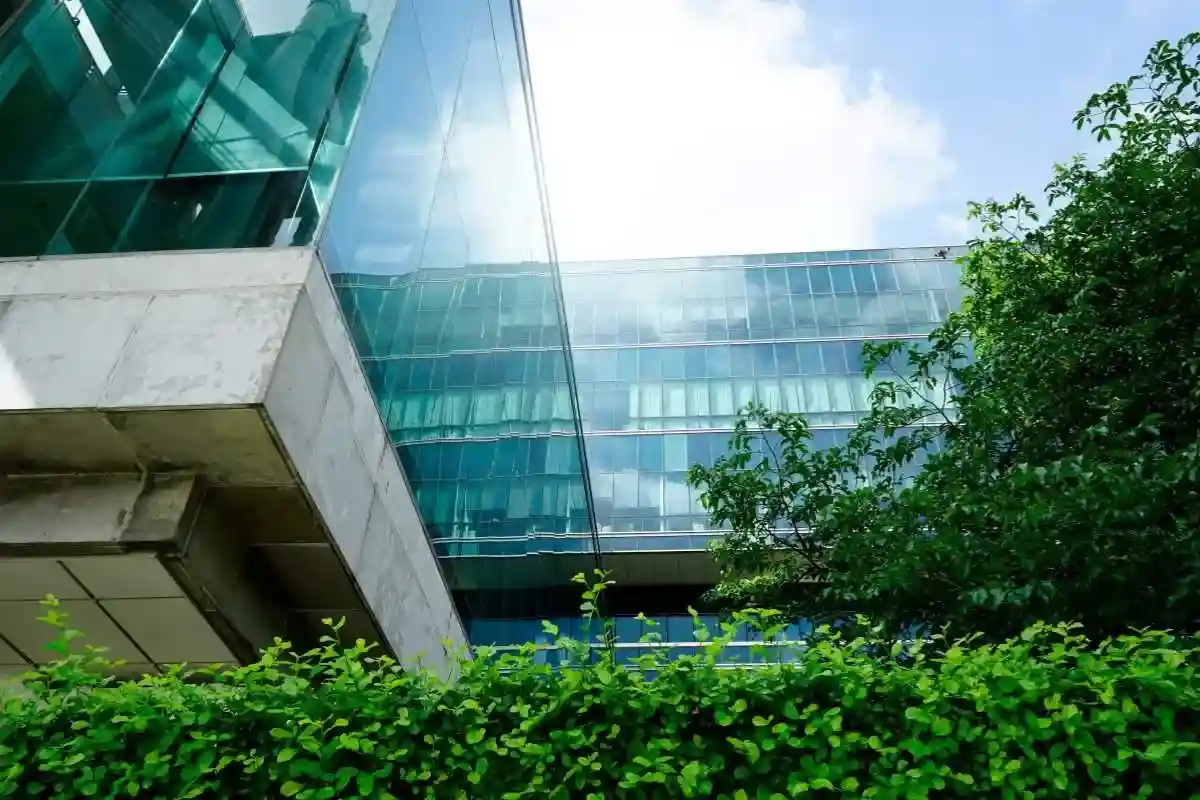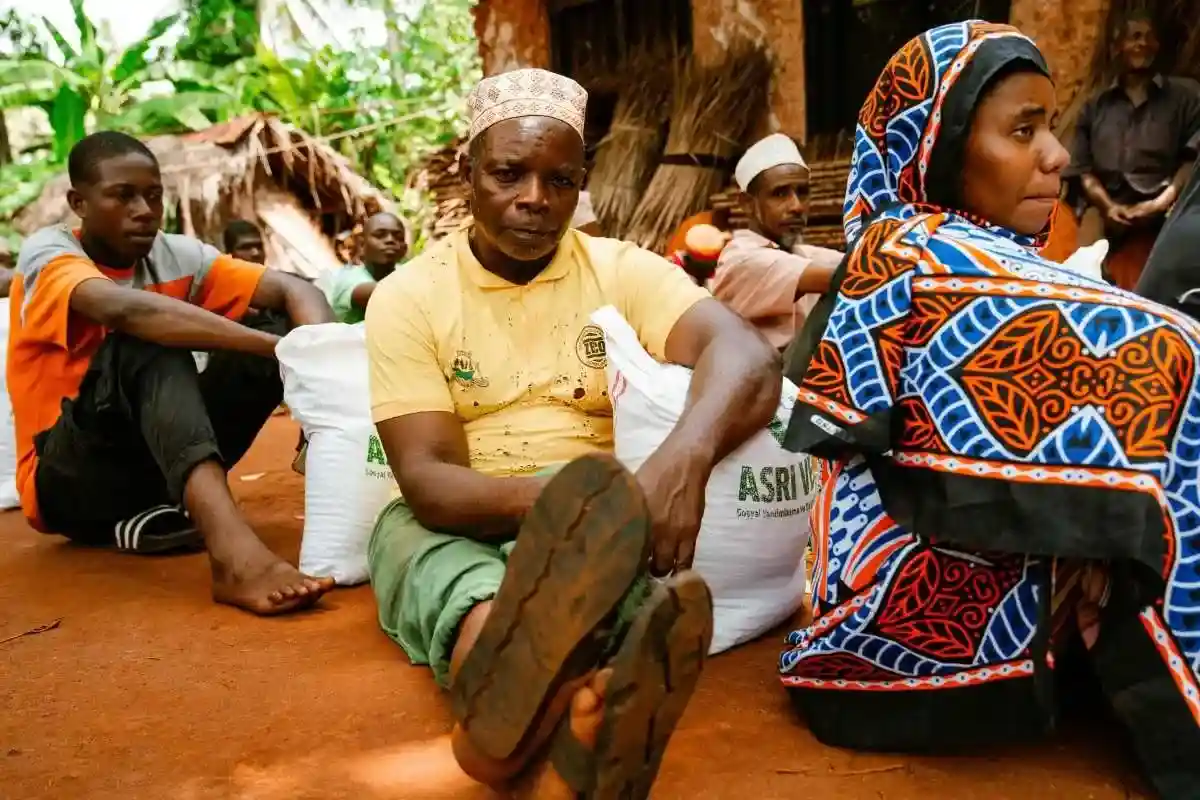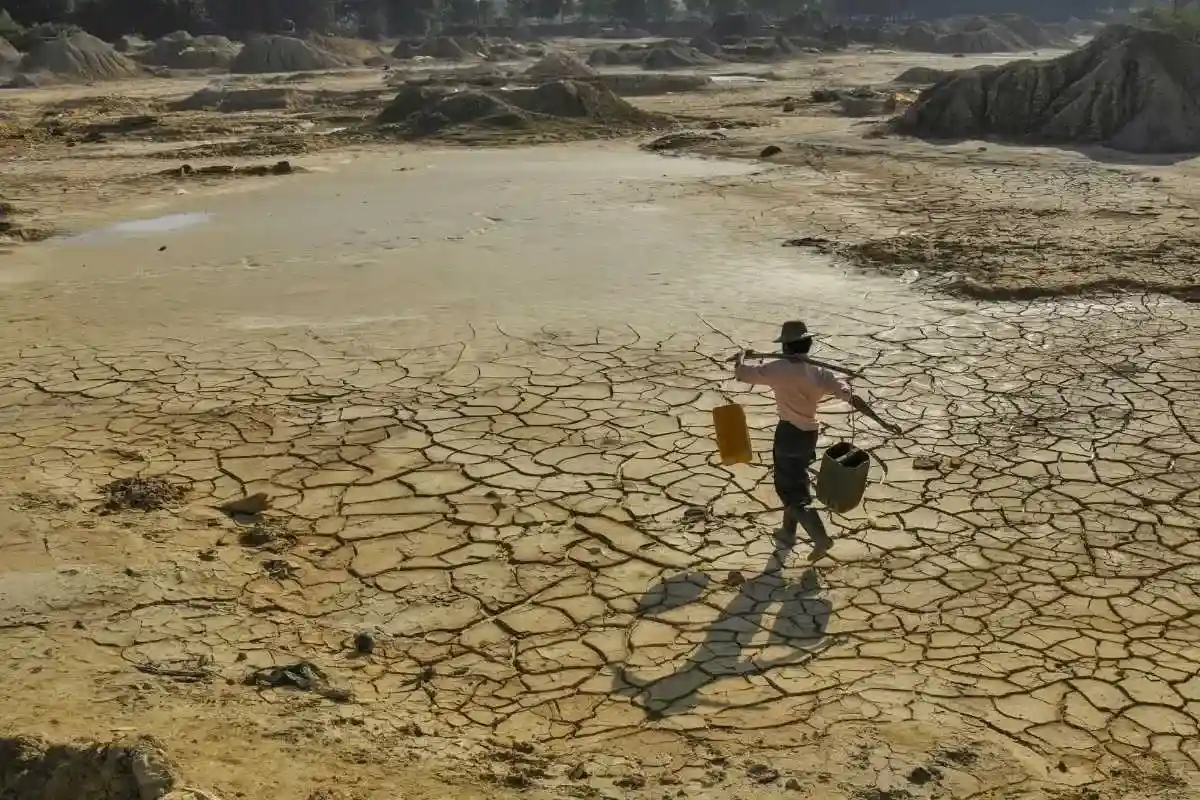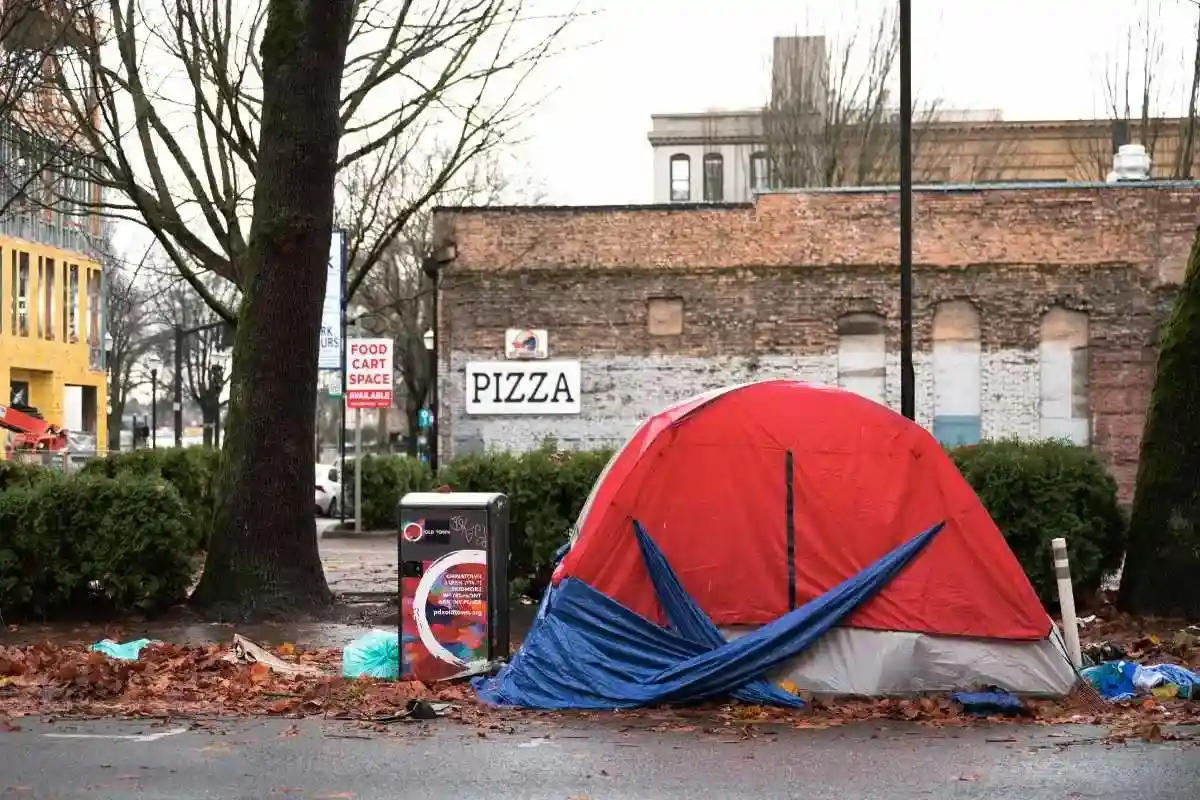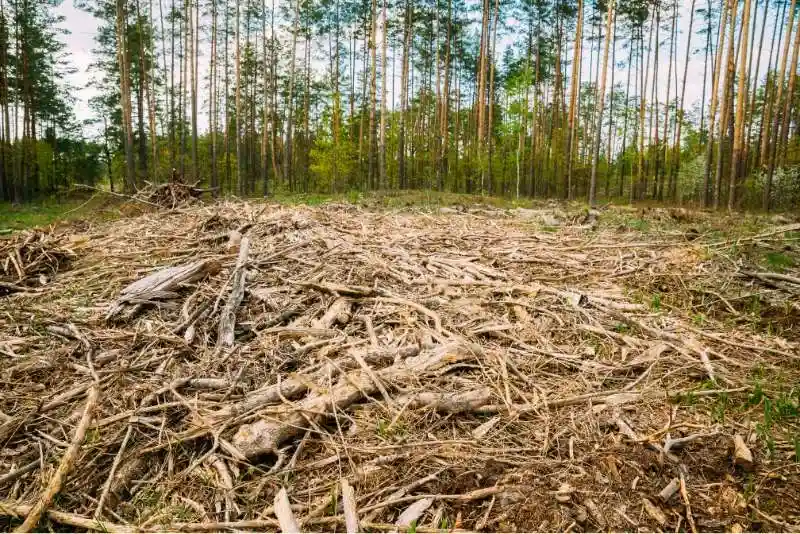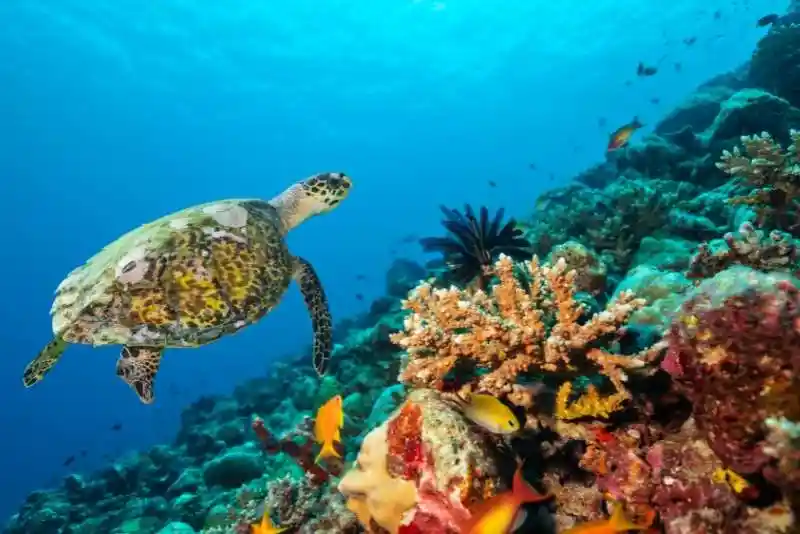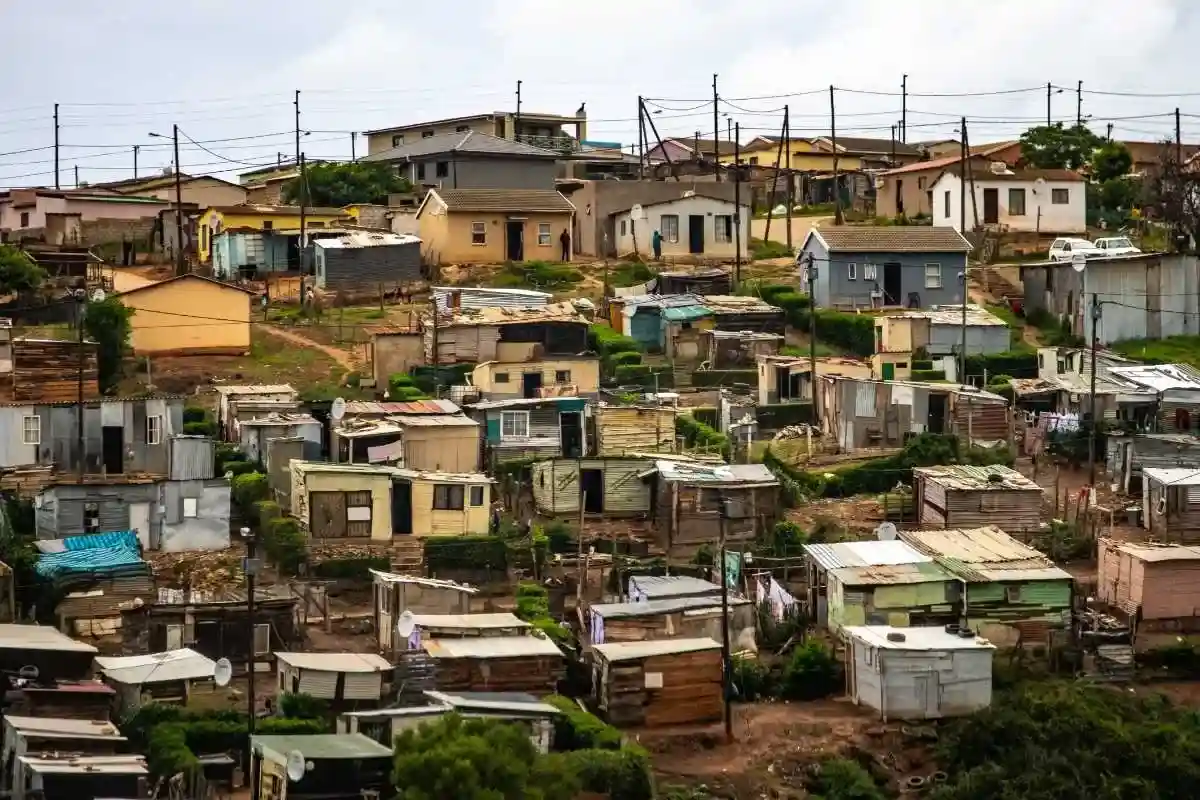
Environmental racism reveals how environmental harm and resources are unequally distributed across society. Historically marginalized communities are often the ones most affected by pollution, industrial waste, and poor infrastructure, while also having the least access to clean air, safe water, and green spaces. These conditions create long-term health risks and deepen existing social and economic inequalities. Addressing these injustices is central to achieving true climate justice, where every community has the right to live in a safe and healthy environment.
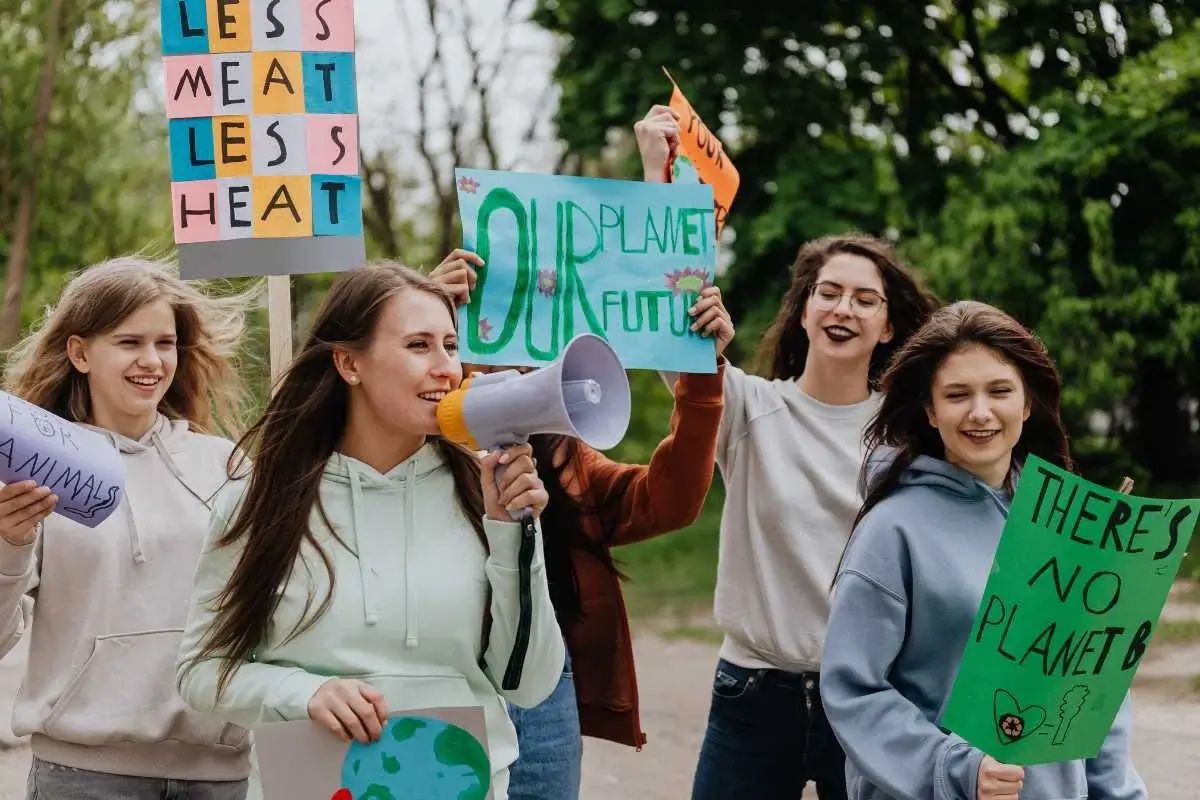
Recognizing and addressing environmental racism requires systemic change. Governments, organizations, and individuals must work together to ensure that vulnerable populations are protected from environmental harm and included in decisions that shape their future. Equitable policies, stronger accountability for corporations, and investment in clean energy and infrastructure in underserved areas can begin to repair the damage caused by decades of neglect. Empowering local voices and supporting community-led solutions are essential steps toward justice and sustainability.
What are some examples of environmental racism in your community or around the world? Who suffers the most from issues like pollution, deforestation, or rising sea levels, and why? How can governments, organizations, and industries ensure that all communities have equal access to clean air, water, and land? What policies or actions could help repair environmental inequalities and promote justice for future generations?
Use the online submission form when sending your articles to help us track all of your submissions. Please try to write about the above topic. Your response should be at least 1,000 words.
To receive credit, your effort is what matters. You should find ways to contribute thoughtful ideas that will help others. Feel free to use personal stories or other information that you want to share, but do not use real names or other identifying information. You may write your response in the space provided or upload your response. Once we review your response, you will receive credit.
Click the button below to submit your article and get your credit.


Membership Email:
Verification Status: