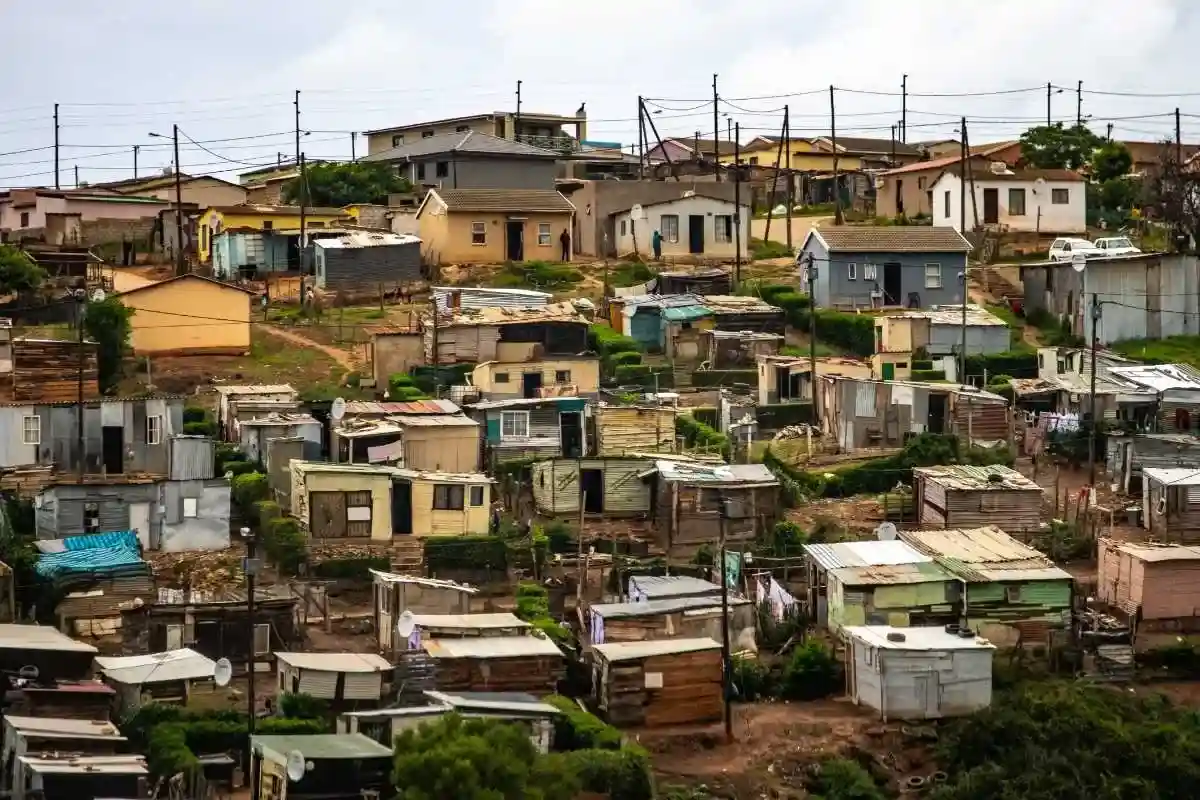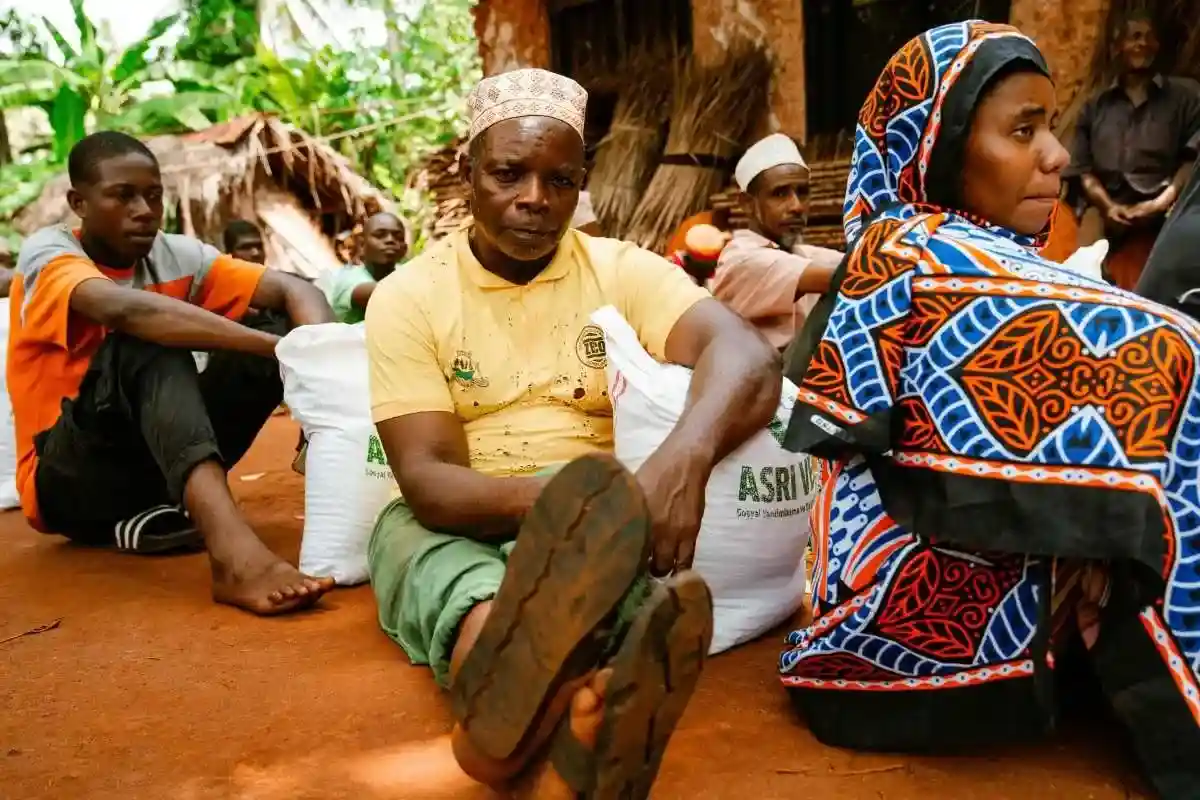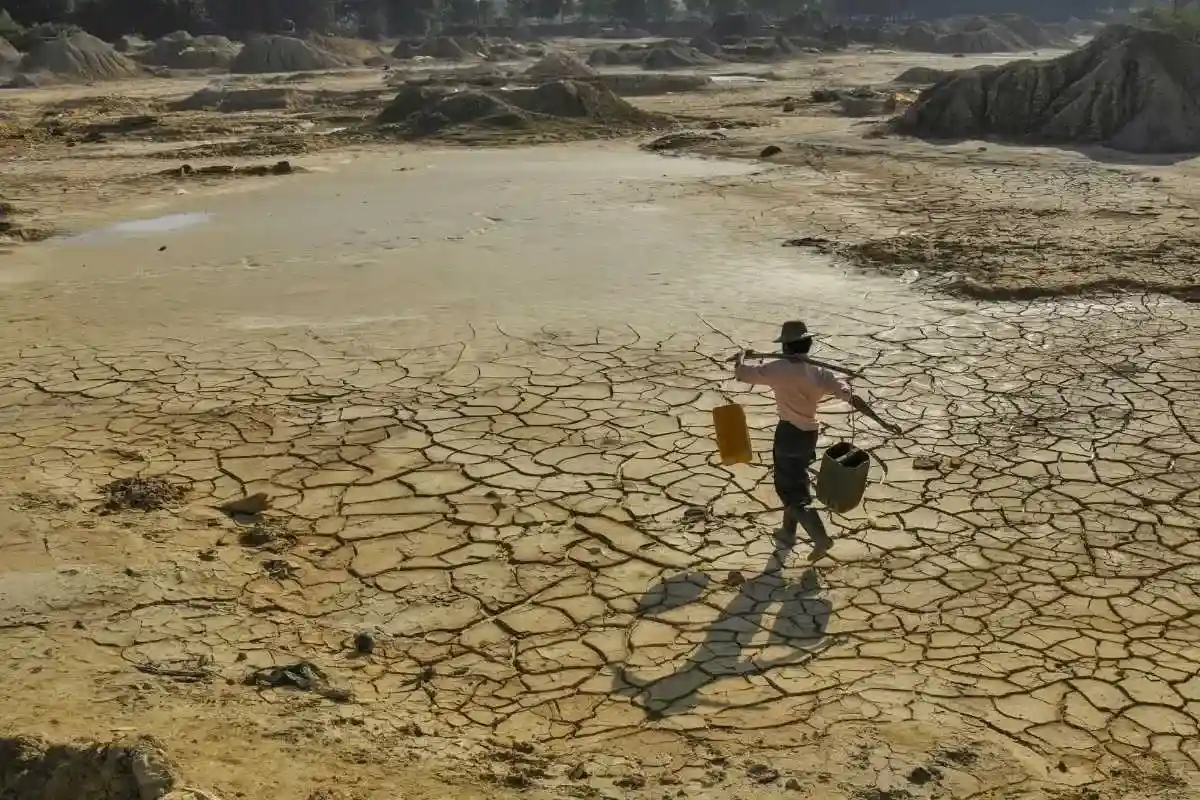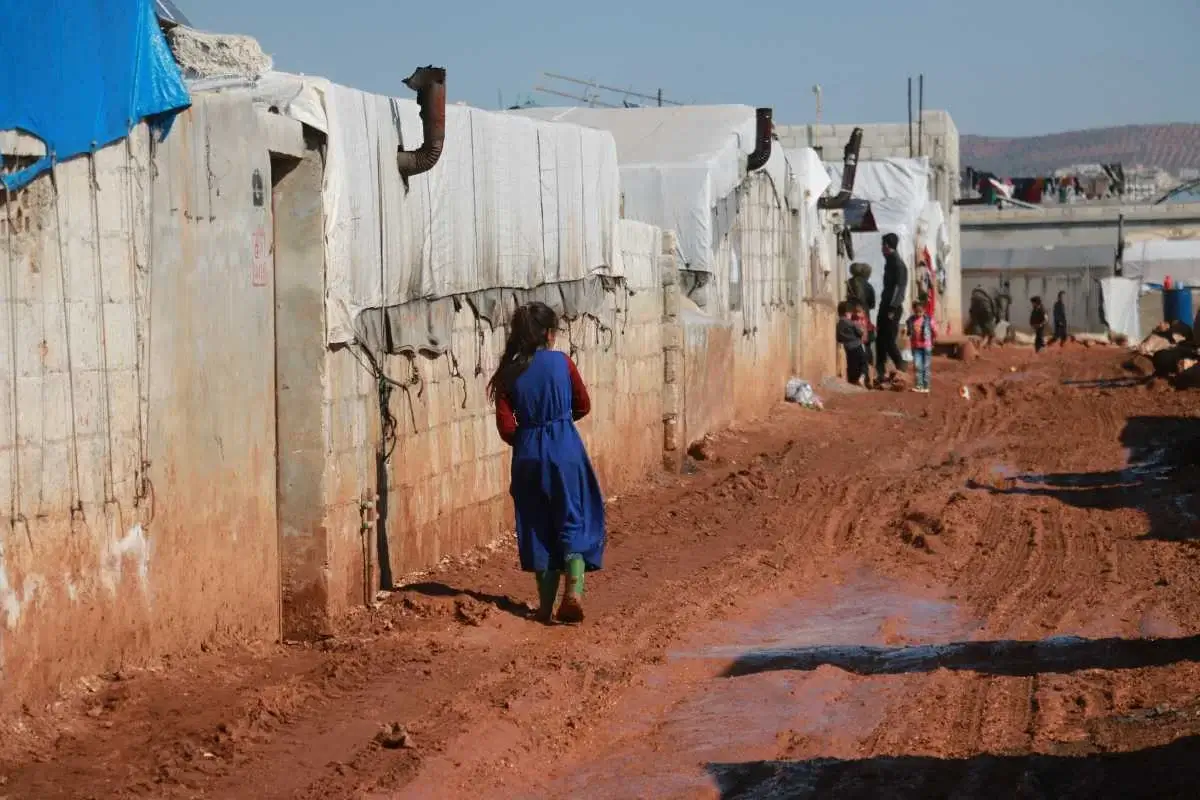
Climate change is transforming where and how people live, forcing millions around the world to leave their homes. Rising sea levels are flooding coastal regions, while hurricanes, droughts, and floods are destroying communities and limiting access to food, water, and shelter. These environmental pressures are creating a growing number of climate migrants, people who are displaced because of the effects of a warming planet. For many, this migration is not a choice but a matter of survival.
The challenges faced by climate migrants are serious and wide-ranging. Many families lose their homes and sources of income, while others face unsafe conditions in overcrowded temporary shelters. Crossing borders can also bring new difficulties, as international laws do not yet fully recognize or protect those displaced by climate change. Without strong global policies, many migrants remain vulnerable and struggle to rebuild their lives. Addressing this crisis requires international cooperation, local planning, and fair policies that protect people’s rights and dignity.
Governments, organizations, and communities can work together to create long-term solutions that prevent displacement and support those already affected. This includes strengthening infrastructure, improving disaster preparedness, and investing in sustainable development to reduce risks before disasters occur. Wealthier nations can also play a key role by providing funding, technology, and humanitarian assistance to countries most impacted by climate change.
How can governments and global organizations create fair and effective policies to support people displaced by climate change? What actions can communities take to prevent displacement and build resilience? Should wealthier nations carry greater responsibility for assisting countries most affected by the climate crisis? How can the world protect the rights and dignity of those who are forced to migrate in search of safety?
Use the online submission form when sending your articles to help us track all of your submissions. Please try to write about the above topic. Your response should be at least 1,000 words.
To receive credit, your effort is what matters. You should find ways to contribute thoughtful ideas that will help others. Feel free to use personal stories or other information that you want to share, but do not use real names or other identifying information. You may write your response in the space provided or upload your response. Once we review your response, you will receive credit.
Click the button below to submit your article and get your credit.


Membership Email:
Verification Status: