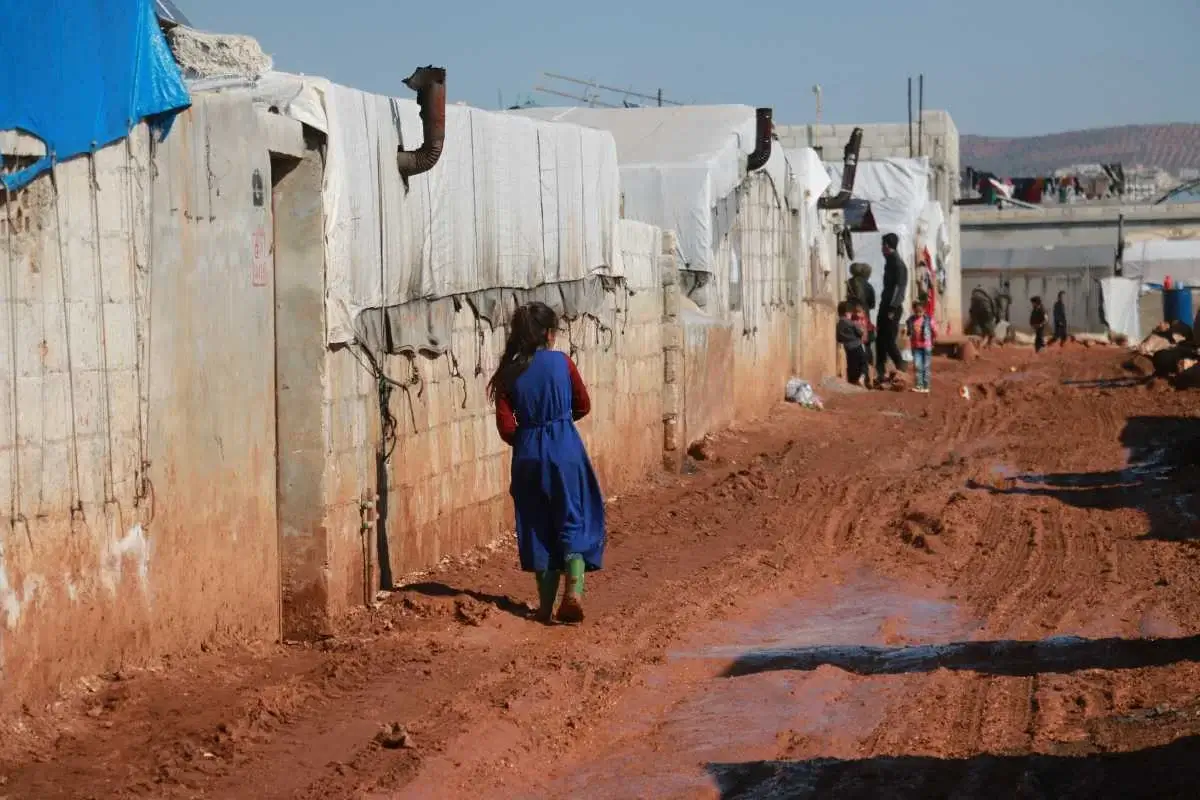
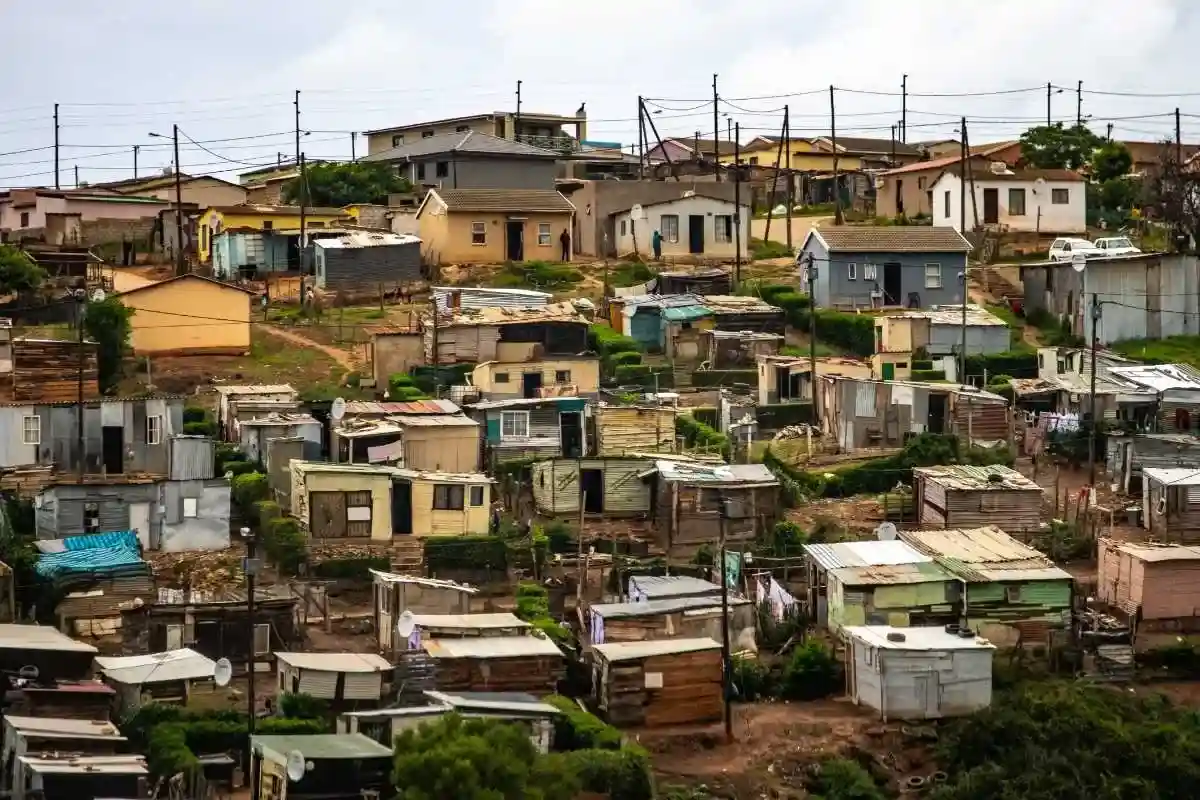
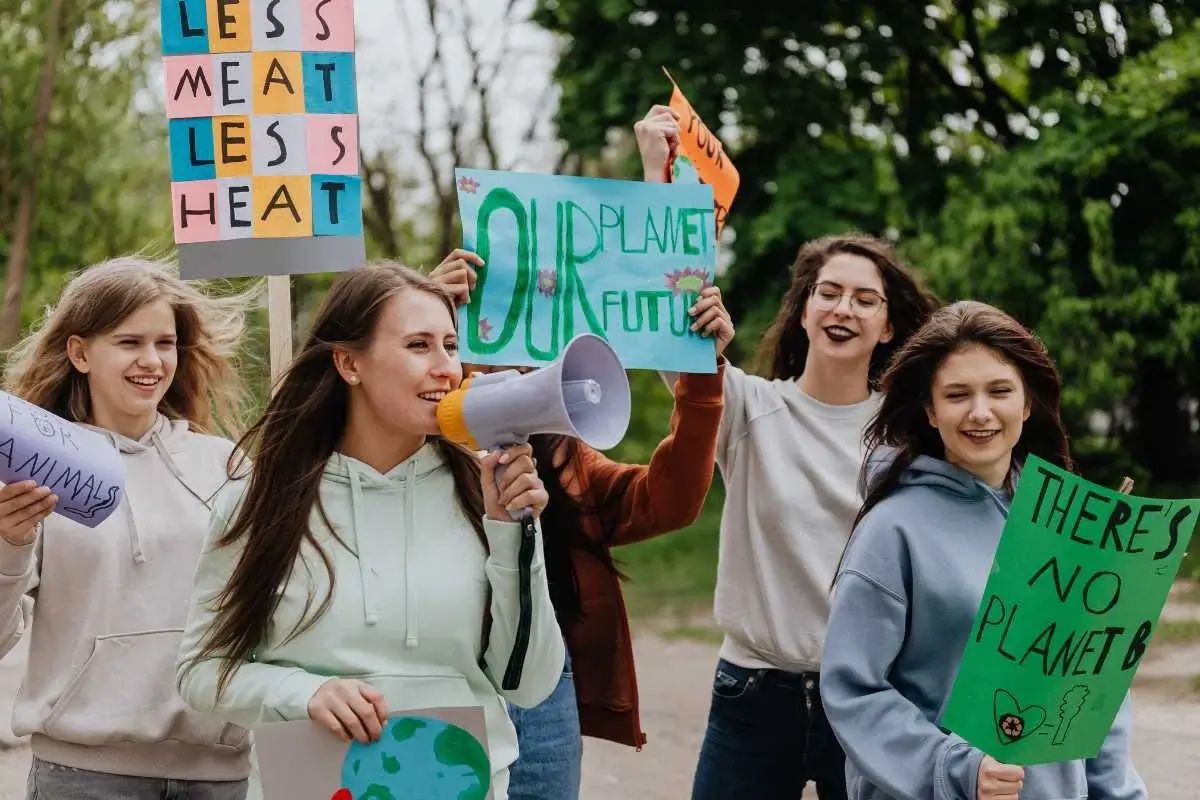
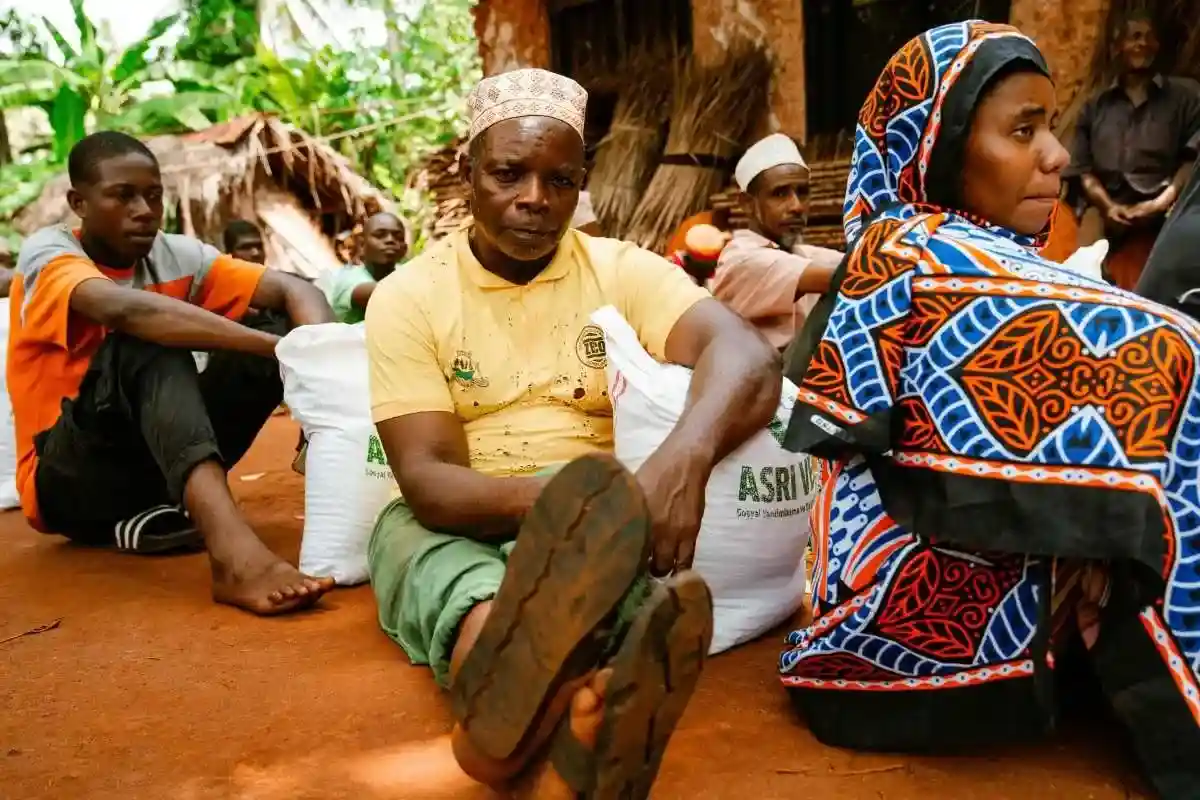
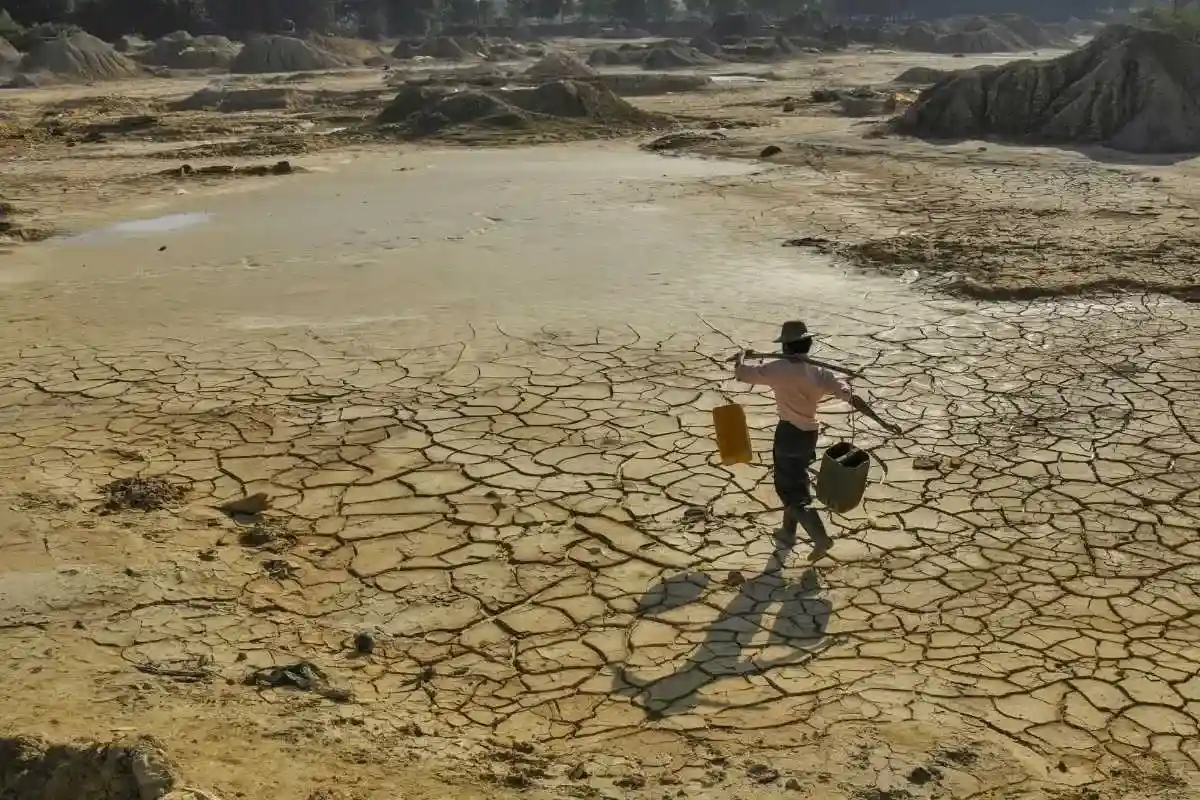
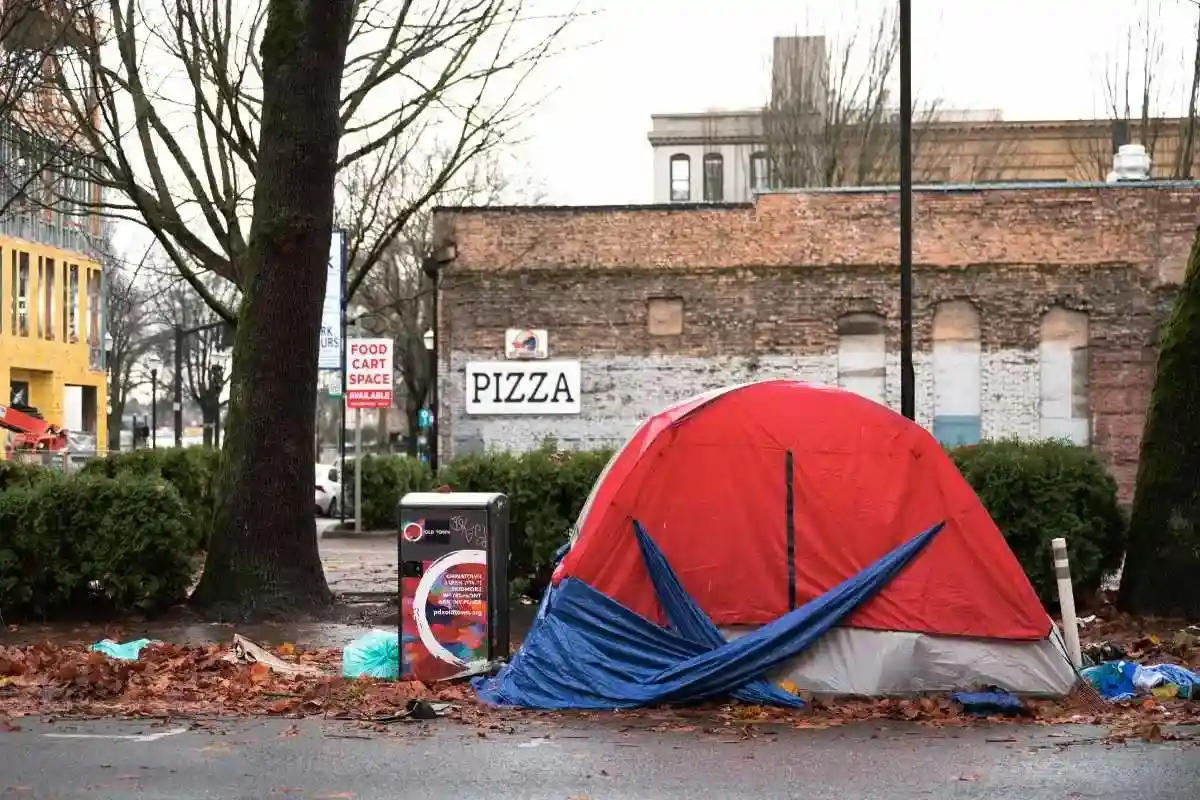
Climate change is a global challenge that affects everyone, but its impacts are not shared equally. Indigenous communities are among those most deeply affected because of their close relationship with the land, water, and natural resources. Many Indigenous peoples depend on their local environments for food, medicine, and cultural traditions. Rising temperatures, unpredictable weather, melting ice, and the loss of biodiversity are threatening their livelihoods and sacred lands. In some regions, entire communities are being displaced as sea levels rise or as forests and rivers that sustain them disappear. Although Indigenous peoples contribute the least to greenhouse gas emissions, they are often the first to experience the devastating effects of a changing climate.
The climate crisis also highlights a long history of marginalization. Indigenous voices are too often left out of policy decisions that directly affect their futures. Yet, their traditional knowledge and stewardship of the land hold valuable lessons for building sustainability and resilience. Indigenous practices, such as controlled burning, community-based resource management, and seasonal ecological knowledge, have protected ecosystems for generations. Recognizing and including these perspectives in climate action can lead to solutions that are both effective and just.
To build a fair and inclusive response to climate change, governments, organizations, and individuals must work together to protect Indigenous rights and lands. Policies should support Indigenous-led conservation, provide legal protections for ancestral territories, and create opportunities for Indigenous leaders to participate in decision-making processes. True climate justice means respecting sovereignty, empowering communities, and ensuring that Indigenous wisdom guides global strategies for a sustainable future.
How does climate change impact Indigenous communities differently from others? What can be learned from Indigenous knowledge and environmental stewardship? How can governments and organizations ensure that Indigenous voices are included in climate decision-making? What actions can be taken to protect their lands, cultures, and traditions from the effects of climate change? How can global climate action move beyond symbolic gestures to create real equity, justice, and empowerment for Indigenous peoples?
Use the online submission form when sending your articles to help us track all of your submissions. Please try to write about the above topic. Your response should be at least 1,000 words.
To receive credit, your effort is what matters. You should find ways to contribute thoughtful ideas that will help others. Feel free to use personal stories or other information that you want to share, but do not use real names or other identifying information. You may write your response in the space provided or upload your response. Once we review your response, you will receive credit.
Click the button below to submit your article and get your credit.


Membership Email:
Verification Status: