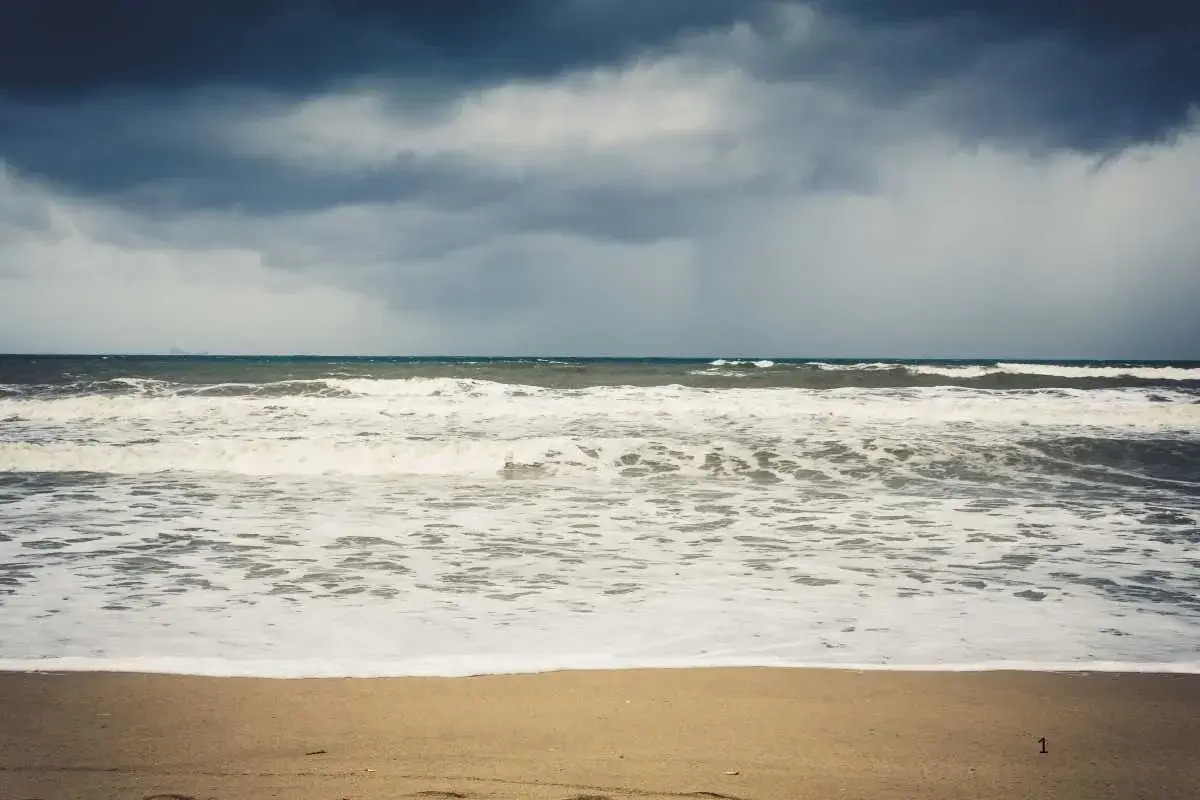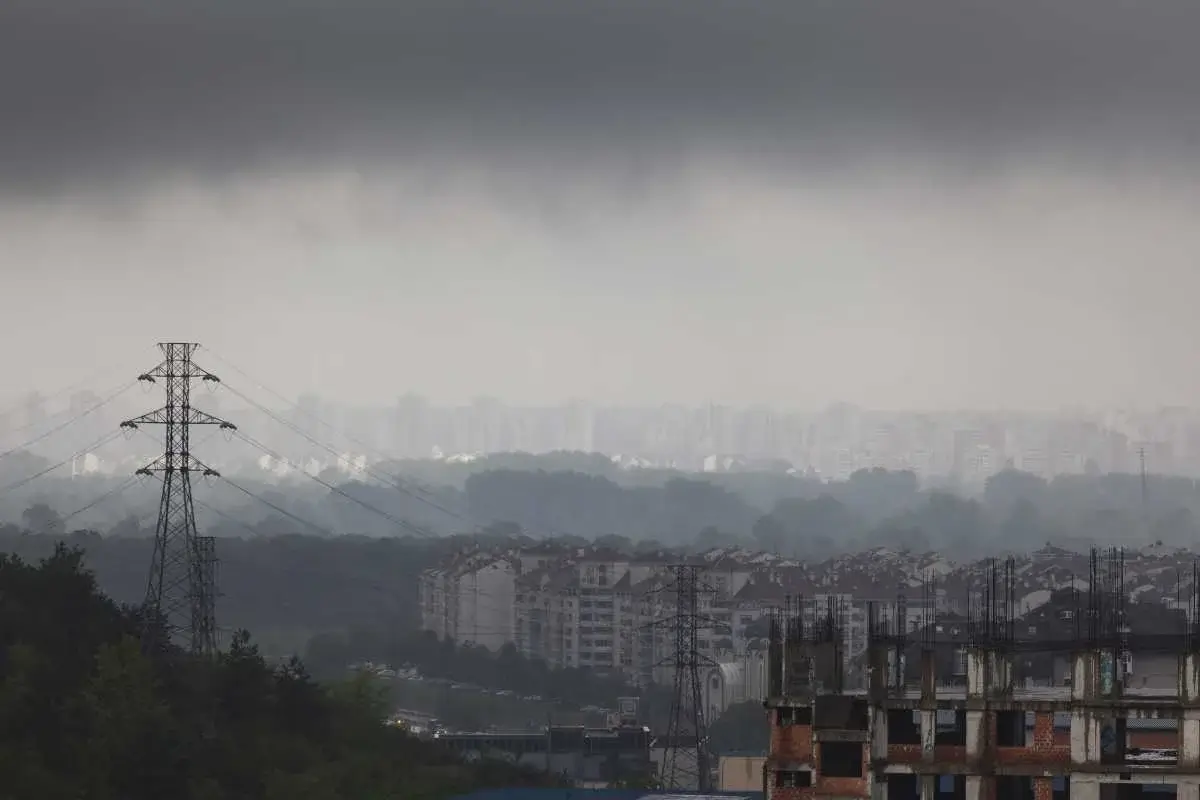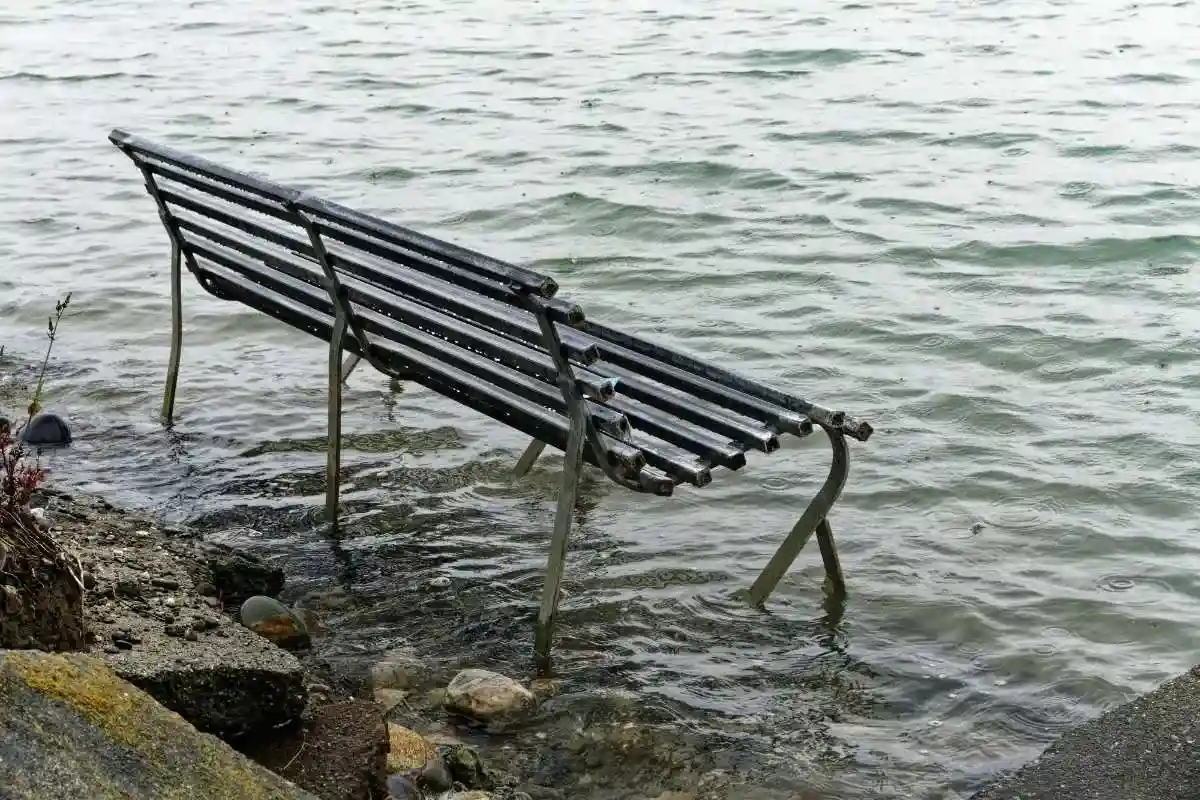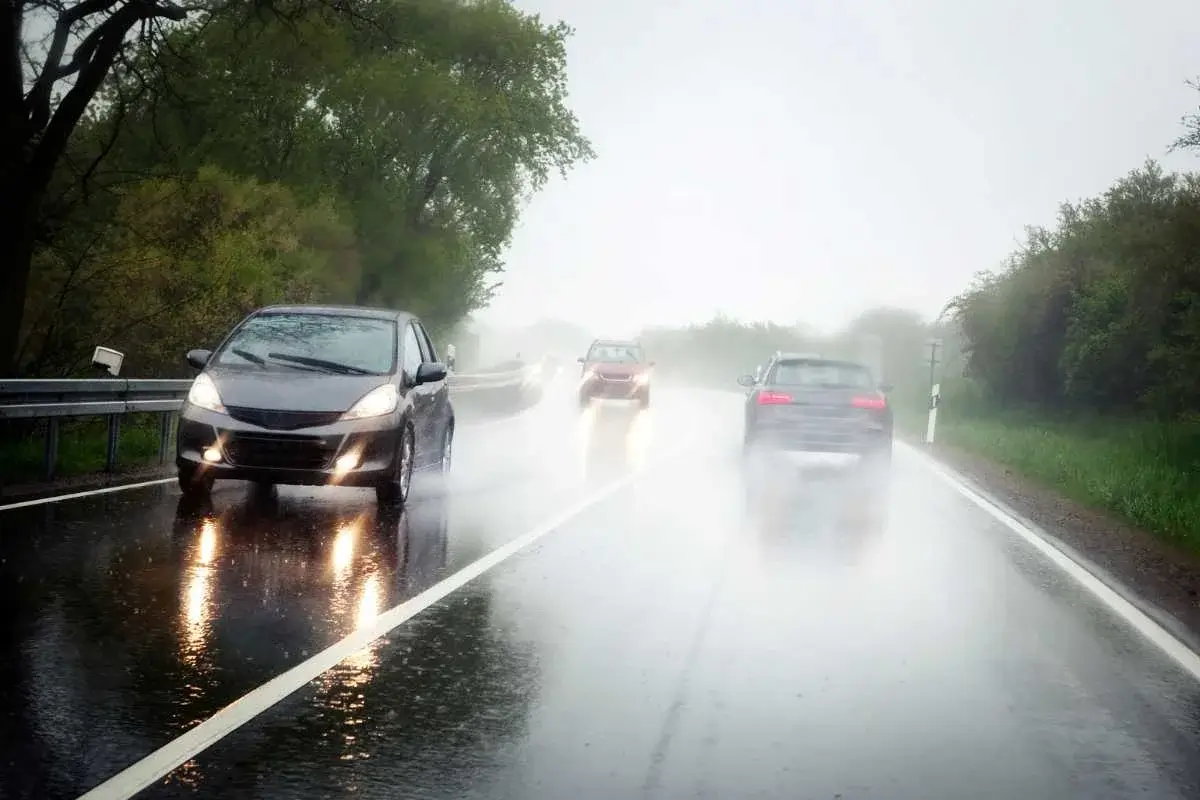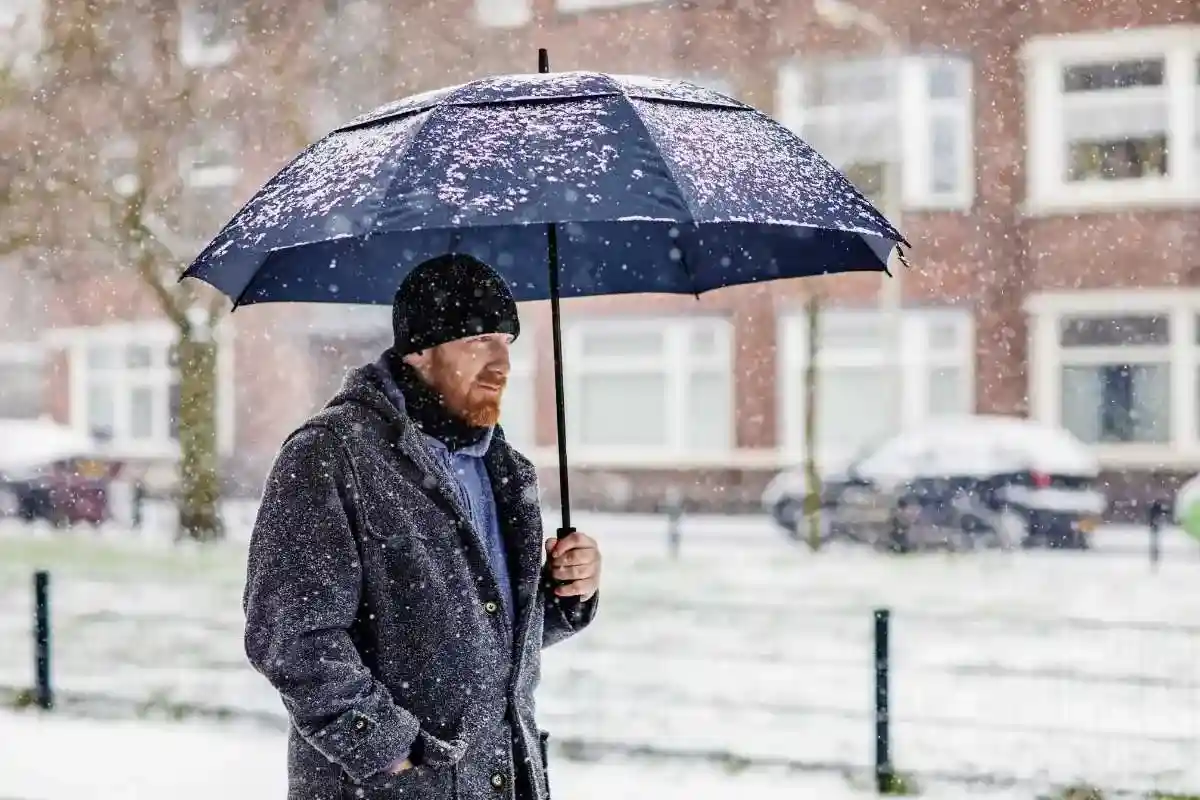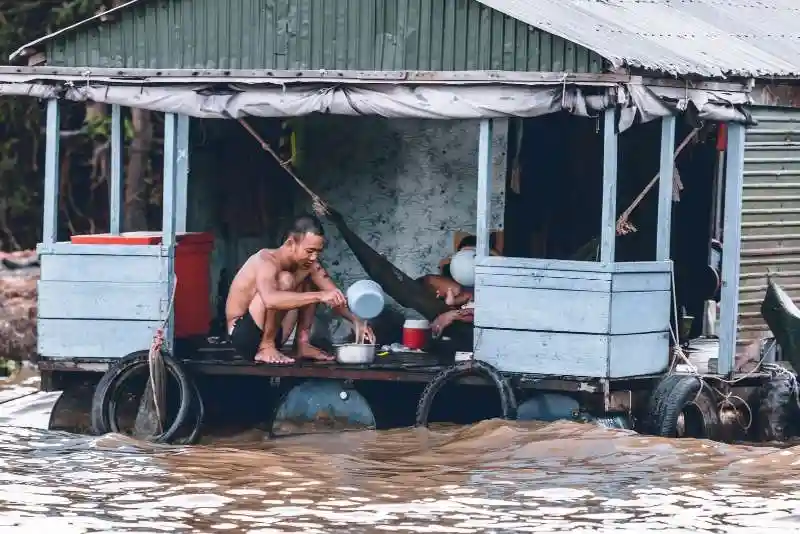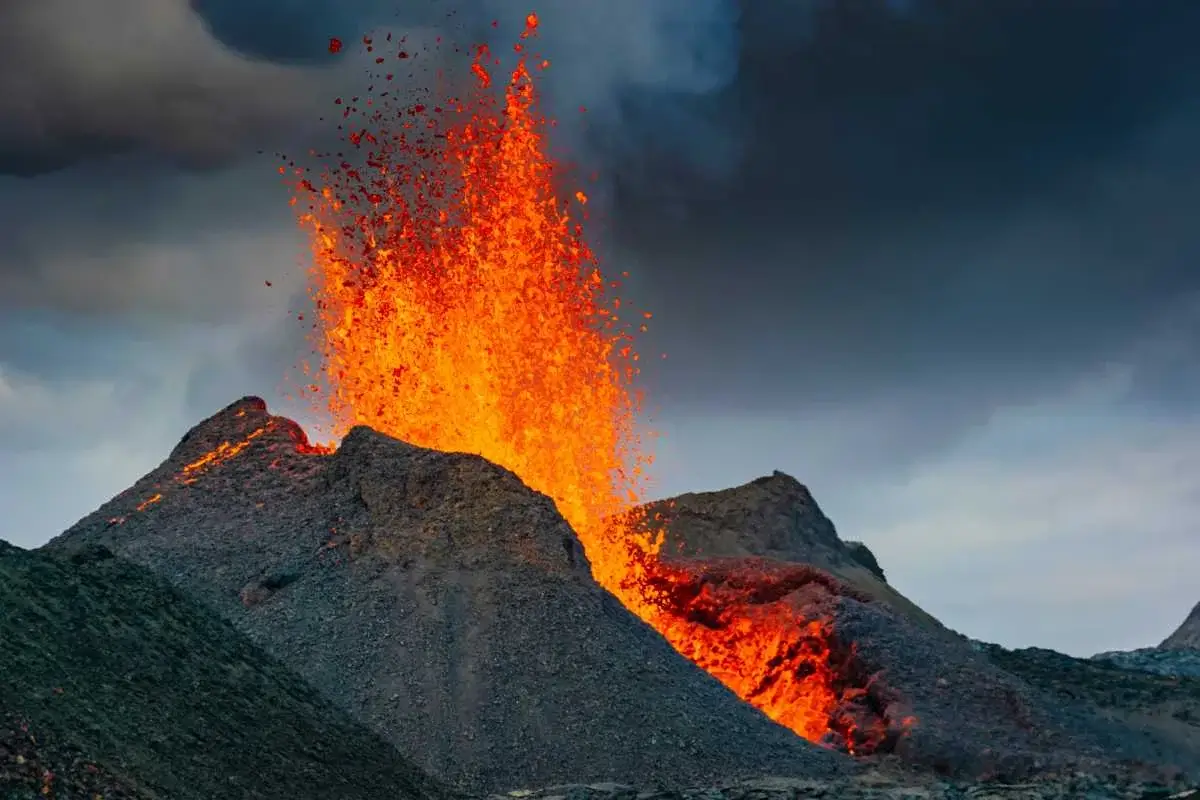
Climate change is transforming the planet’s weather patterns, leading to more frequent and intense natural disasters. Hurricanes, wildfires, floods, droughts, and volcanic-related disruptions are becoming increasingly common as global temperatures rise. Scientists have connected these changes to the melting of polar ice caps, rising sea levels, and shifts in atmospheric circulation that fuel extreme weather. These natural events not only reshape landscapes but also disrupt communities, economies, and ecosystems across the globe. Human activities, such as deforestation, urban expansion, and the burning of fossil fuels, continue to intensify these effects, making it harder for nature and society to recover.
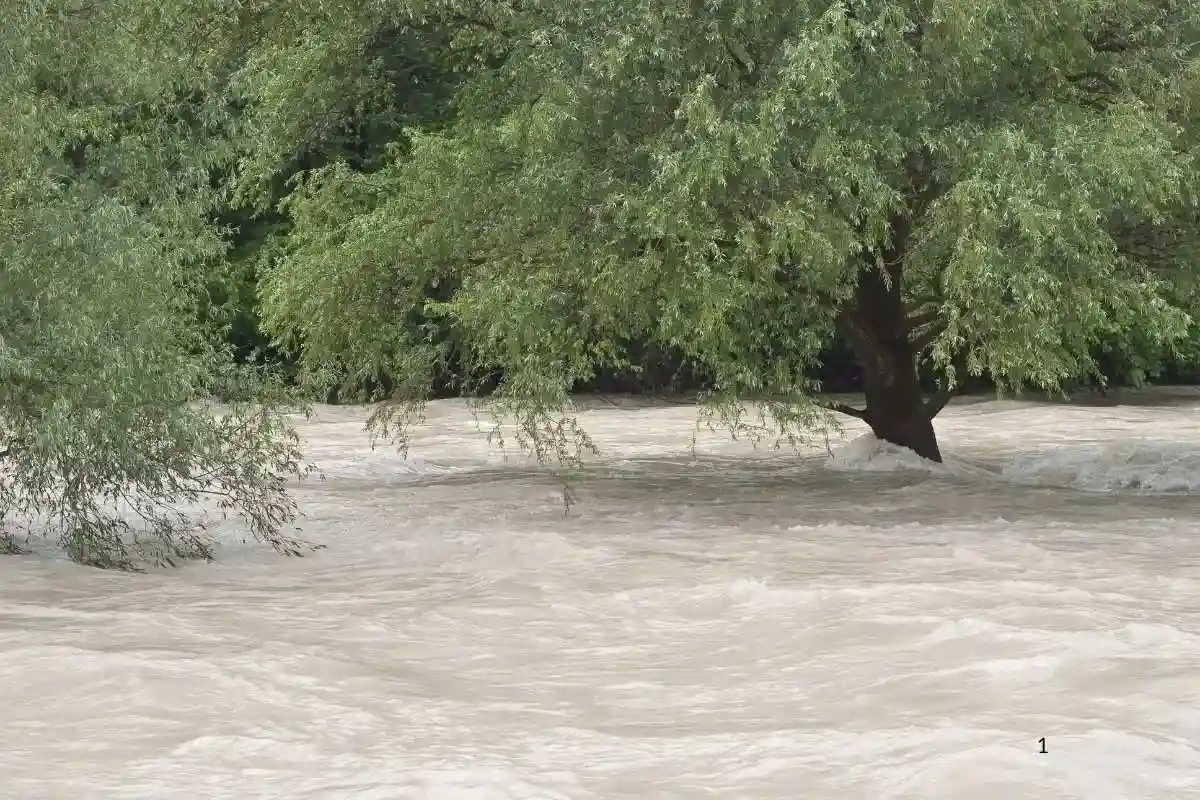
The consequences of climate-related disasters are wide-ranging. Floods displace families and destroy homes, droughts limit access to food and water, and wildfires devastate entire ecosystems. In coastal and island regions, sea level rise threatens to erase communities entirely. The human cost is immense because lives are lost, livelihoods disrupted, and cultures uprooted. Recovery can take years, and for many vulnerable populations, rebuilding is a constant struggle. These disasters also take a toll on wildlife and natural systems, reducing biodiversity and altering habitats that are vital for maintaining ecological balance.
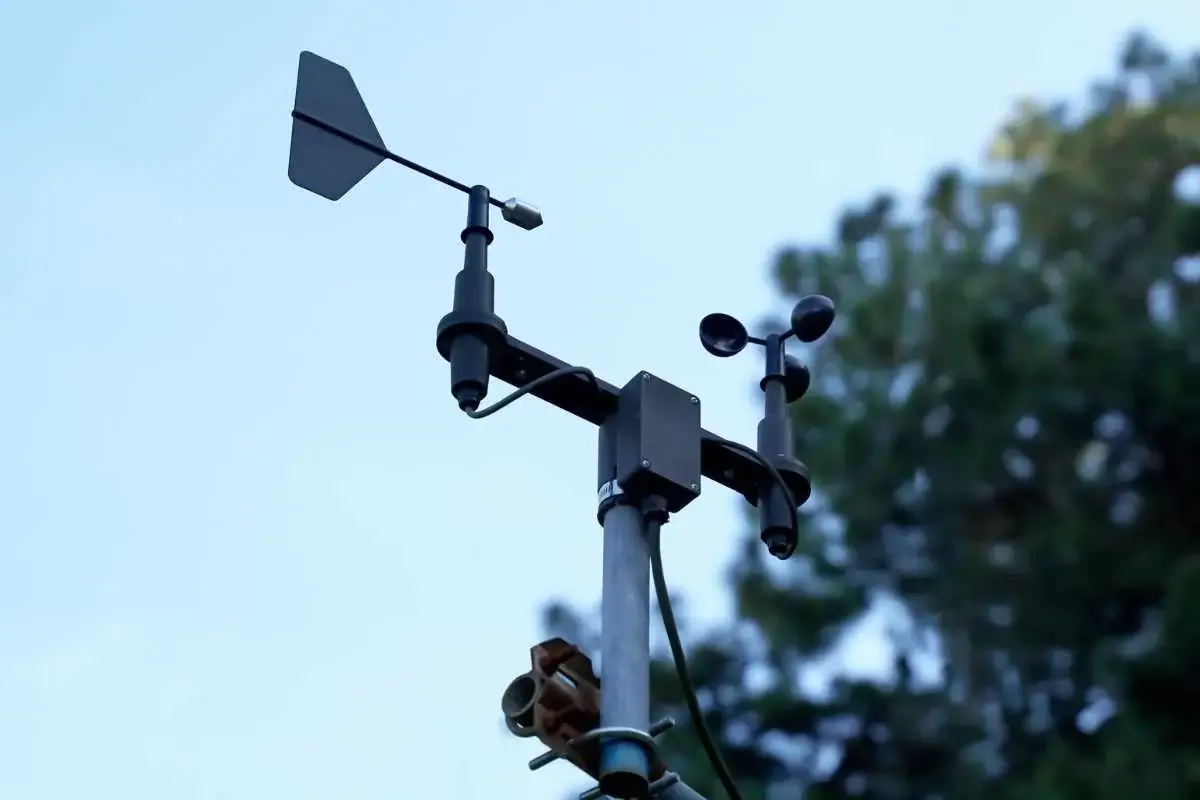
Governments, organizations, and communities around the world are working to respond to these growing threats through better planning, technology, and policy. Early warning systems, stronger building codes, and nature-based solutions such as reforestation and wetland restoration can all help reduce risk. However, adaptation alone is not enough. Mitigation efforts that reduce greenhouse gas emissions are equally vital to slow the pace of climate change and prevent future disasters. The challenge lies in balancing immediate needs with long-term strategies that build resilience and protect both people and the planet.
How has climate change influenced the frequency and severity of natural disasters in recent years? What are the most vulnerable regions or populations, and why are they at greater risk? How can governments, scientists, and communities work together to prevent and prepare for extreme weather events? What lessons from past disasters can help improve recovery and resilience efforts? How can individuals contribute to reducing the impacts of climate change and support disaster preparedness in their own communities?
Use the online submission form when sending your articles to help us track all of your submissions. Please try to write about the above topic. Your response should be at least 1,000 words.
To receive credit, your effort is what matters. You should find ways to contribute thoughtful ideas that will help others. Feel free to use personal stories or other information that you want to share, but do not use real names or other identifying information. You may write your response in the space provided or upload your response. Once we review your response, you will receive credit.
Click the button below to submit your article and get your credit.


Membership Email:
Verification Status: