Extreme weather events are becoming more frequent and intense, reshaping communities and ecosystems across the globe. From powerful hurricanes and floods to intense heatwaves and wildfires, these events are no longer isolated incidents. They are part of a growing pattern linked to human-induced climate change. The primary driver of this increase is the buildup of greenhouse gases in the atmosphere, which traps heat and disrupts the Earth’s climate systems. As a result, weather events that were once rare are now occurring more often and with greater severity.
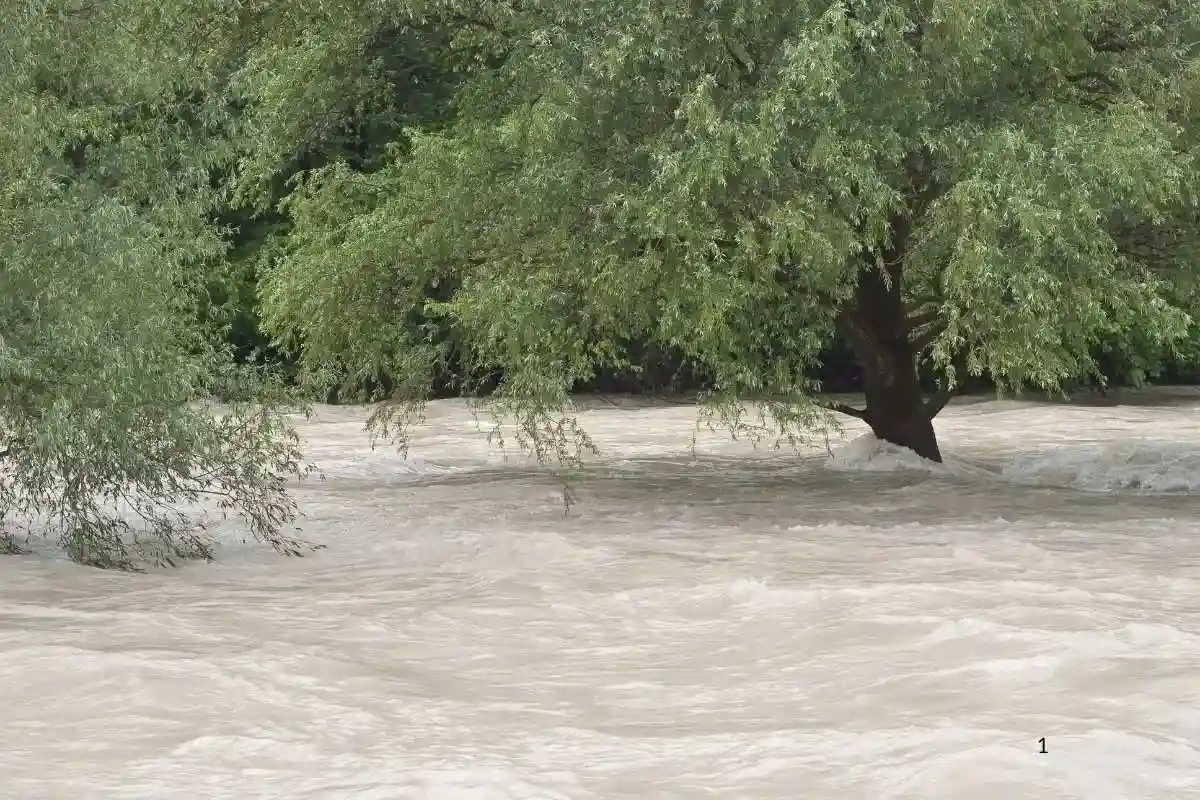
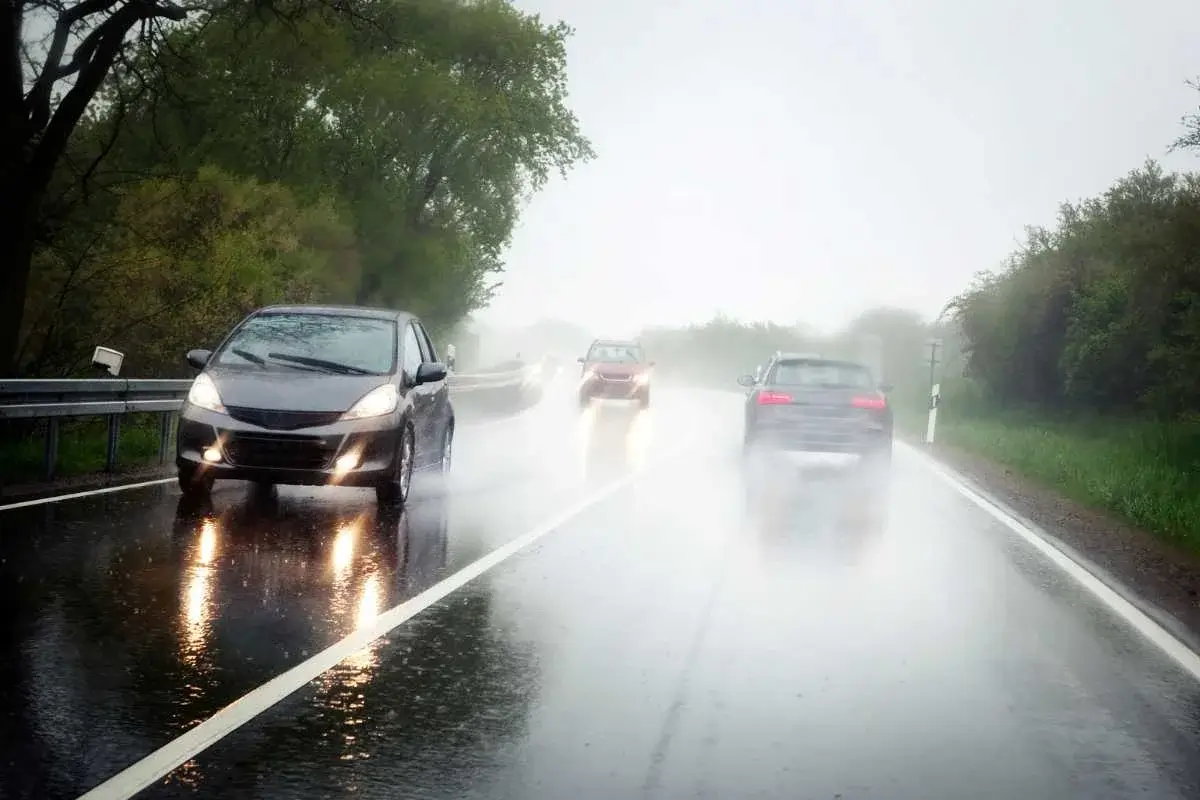
Rising global temperatures have a direct impact on how weather systems behave. Warmer air holds more moisture, leading to heavier rainfall and flooding in some regions, while other areas experience longer and more severe droughts. Warmer ocean waters provide additional energy to storms, making hurricanes and typhoons stronger and more destructive. At the same time, melting polar ice is altering ocean circulation patterns, which can shift jet streams and contribute to unpredictable and prolonged weather extremes around the world.
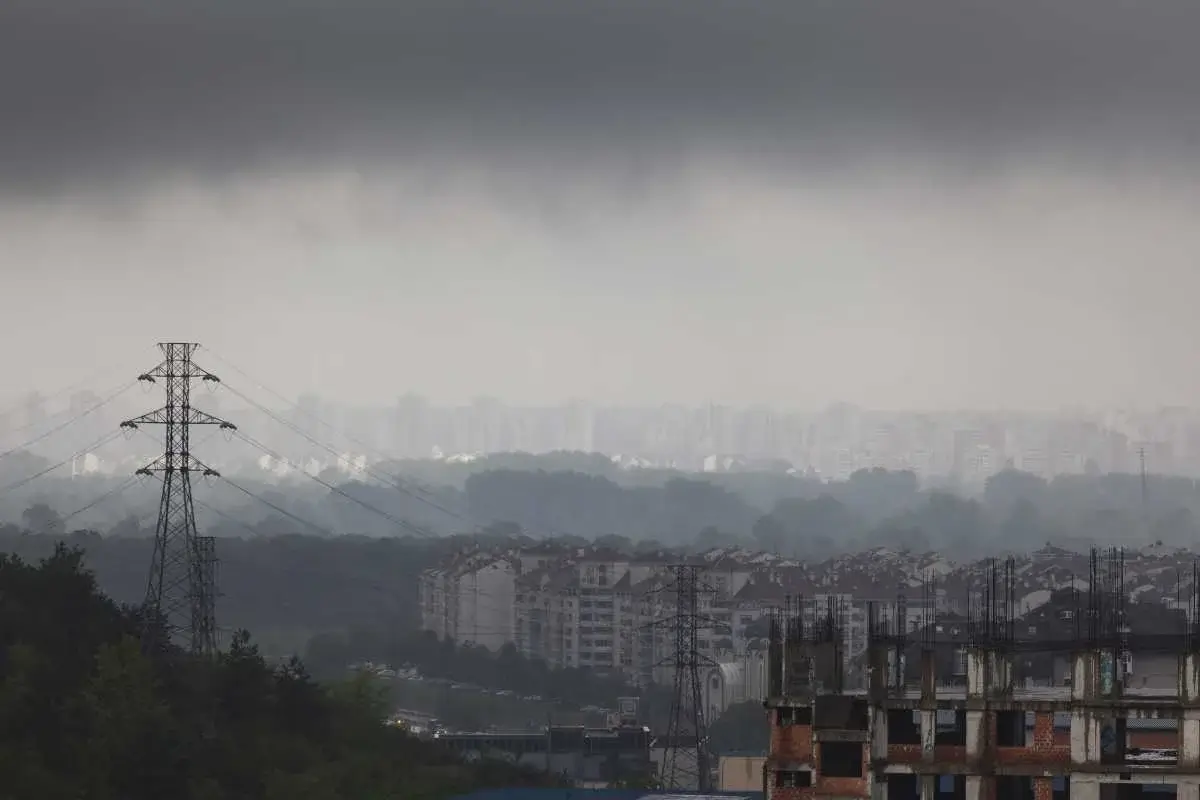
Urbanization and land-use changes also play a major role in amplifying these effects. Cities with limited green space and extensive pavement experience higher temperatures due to the urban heat island effect, while deforestation reduces natural flood protection and destabilizes local weather patterns. These factors, combined with climate change, make some populations more vulnerable to disaster. This is especially true for those in developing or coastal regions
Scientific research is key to understanding and responding to these challenges. Improved climate models, satellite observations, and early warning systems allow scientists to better predict extreme weather events and provide communities with critical time to prepare. However, prediction alone is not enough; governments, organizations, and citizens must work together to reduce greenhouse gas emissions, invest in resilient infrastructure, and support sustainable development.
What factors are driving the increase in extreme weather events, and how do they relate to human activities? How do rising temperatures, ocean warming, and land-use changes interact to intensify these events? What regions or populations are most vulnerable to the growing threat of extreme weather? How can governments, scientists, and communities collaborate to reduce emissions, improve preparedness, and build resilience against future climate impacts?
Use the online submission form when sending your articles to help us track all of your submissions. Please try to write about the above topic. Your response should be at least 1,000 words.
To receive credit, your effort is what matters. You should find ways to contribute thoughtful ideas that will help others. Feel free to use personal stories or other information that you want to share, but do not use real names or other identifying information. You may write your response in the space provided or upload your response. Once we review your response, you will receive credit.
Click the button below to submit your article and get your credit.


Membership Email:
Verification Status: