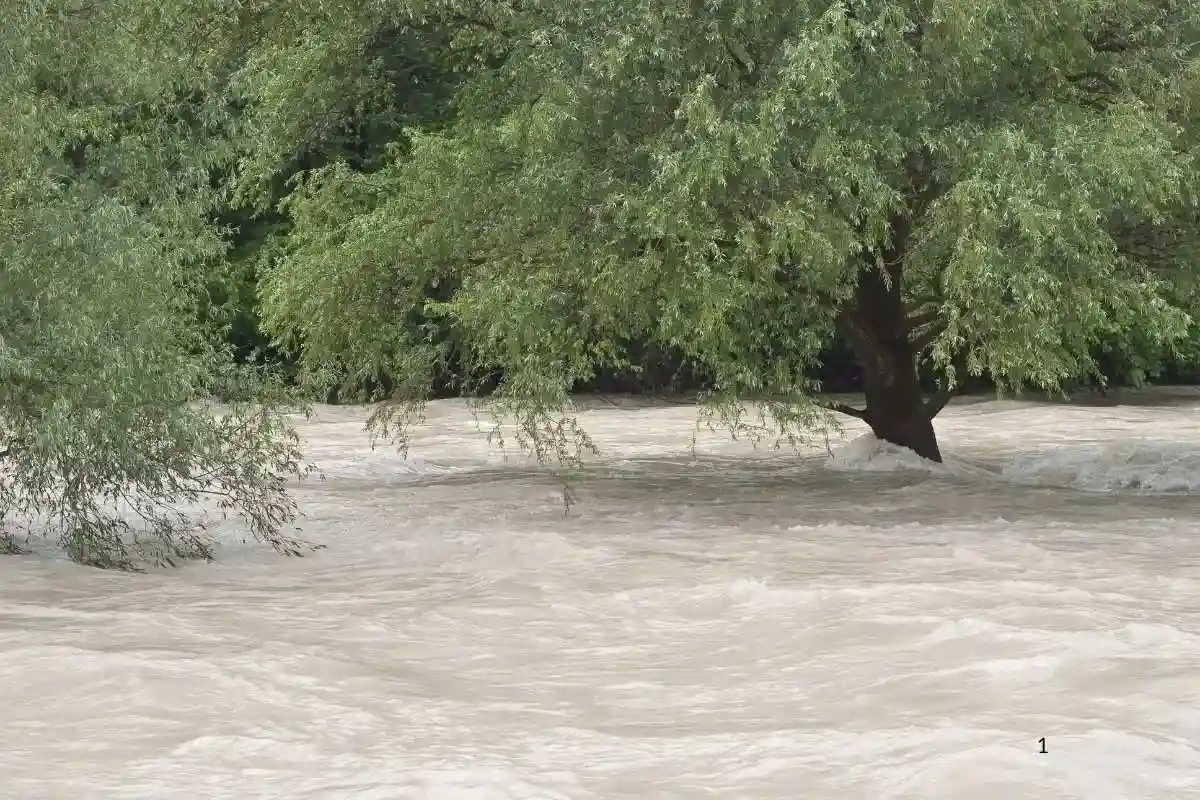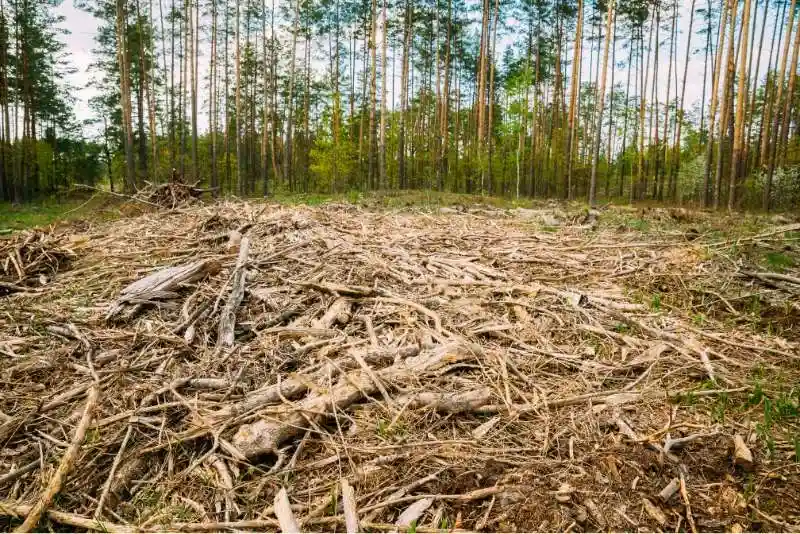
Extreme weather events are becoming more frequent and intense, creating new challenges for communities around the world. Hurricanes, wildfires, floods, and heatwaves now pose growing risks to people, infrastructure, and local economies. While reducing greenhouse gas emissions is vital, adapting to these changes is equally important. Adaptation means taking steps to prepare for what we can’t prevent, ensuring that societies remain strong, safe, and resilient in the face of a changing climate.
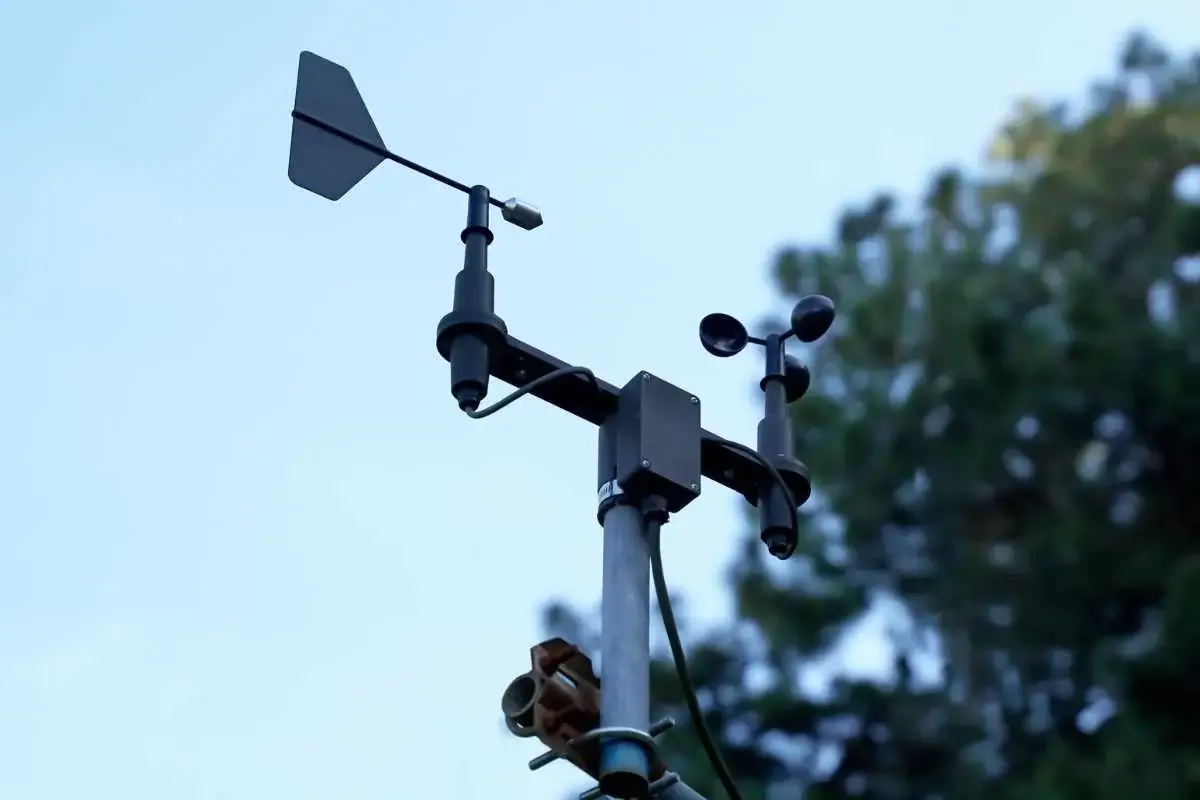
Adapting to extreme weather requires action at every level. Governments can invest in stronger infrastructure, such as flood barriers, early warning systems, and energy-efficient buildings designed to withstand severe conditions. Communities can focus on local initiatives like tree planting, emergency preparedness training, and sustainable land management to reduce risks and recover more quickly after disasters. Education and awareness are key tools in helping people understand how to stay safe and protect their homes and neighborhoods.
Vulnerable populations often face the greatest risks from extreme weather. Adaptation strategies must therefore prioritize equity by providing resources, support, and opportunities for these communities to participate in planning and decision-making. Collaboration between countries, organizations, and individuals is essential for sharing knowledge, funding adaptation efforts, and building long-term resilience across the globe.
How can societies adapt to extreme weather events to protect lives and communities? What adaptation strategies are most effective for floods, heatwaves, hurricanes, and wildfires? How can technology, innovation, and education improve resilience? What role should governments and international organizations play in supporting vulnerable populations? How can individuals prepare their homes and neighborhoods to face these challenges while contributing to broader climate adaptation efforts?
Use the online submission form when sending your articles to help us track all of your submissions. Please try to write about the above topic. Your response should be at least 1,000 words.
To receive credit, your effort is what matters. You should find ways to contribute thoughtful ideas that will help others. Feel free to use personal stories or other information that you want to share, but do not use real names or other identifying information. You may write your response in the space provided or upload your response. Once we review your response, you will receive credit.
Click the button below to submit your article and get your credit.


Membership Email:
Verification Status: