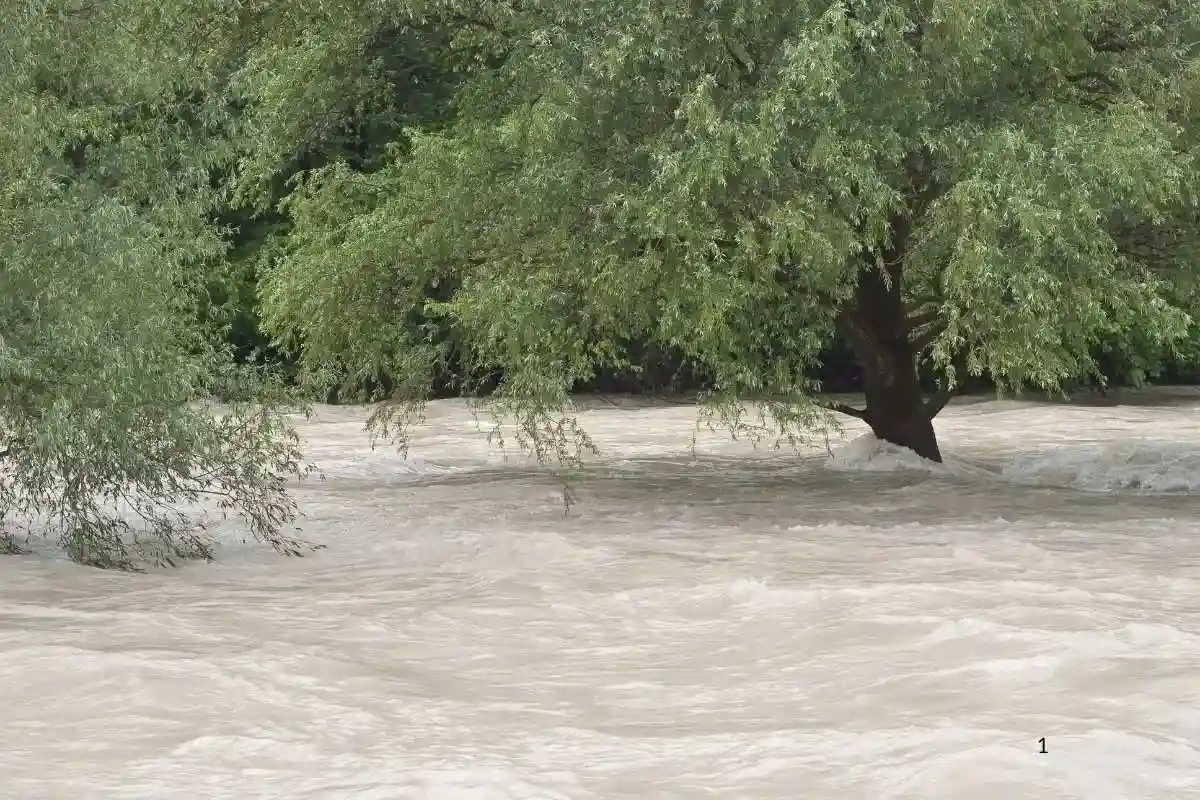
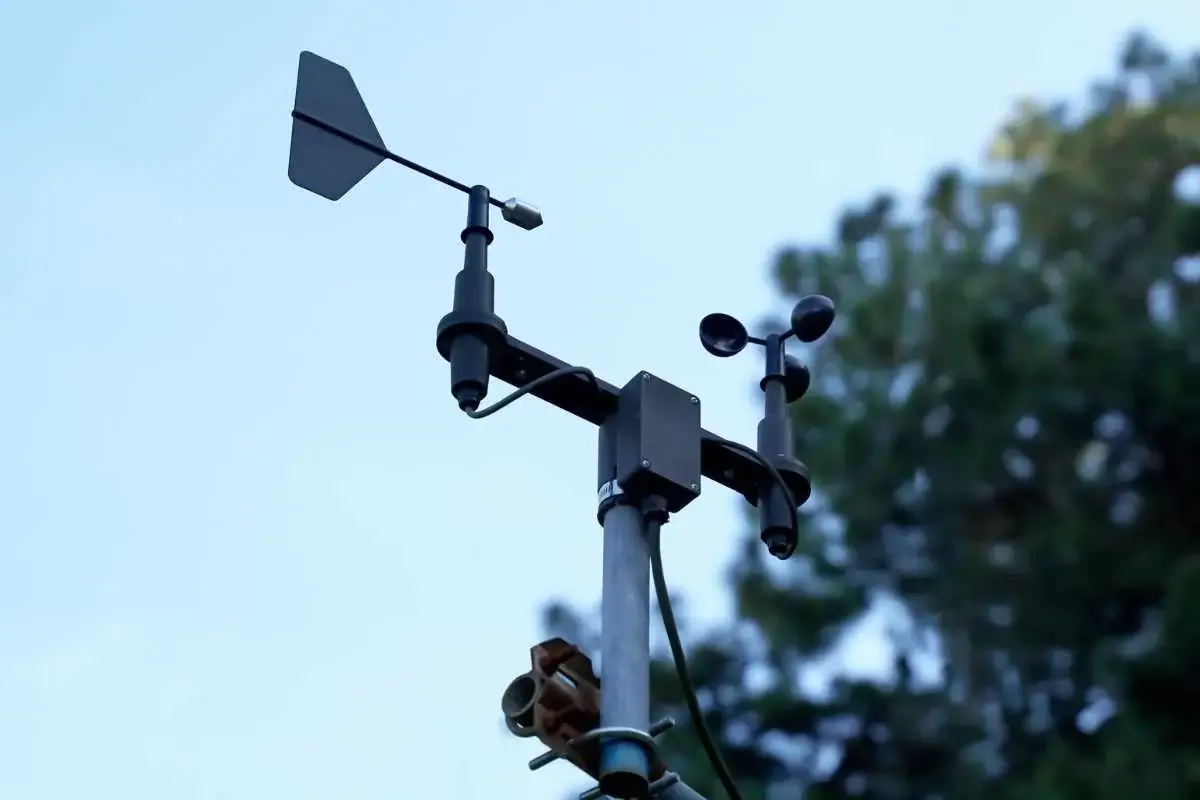
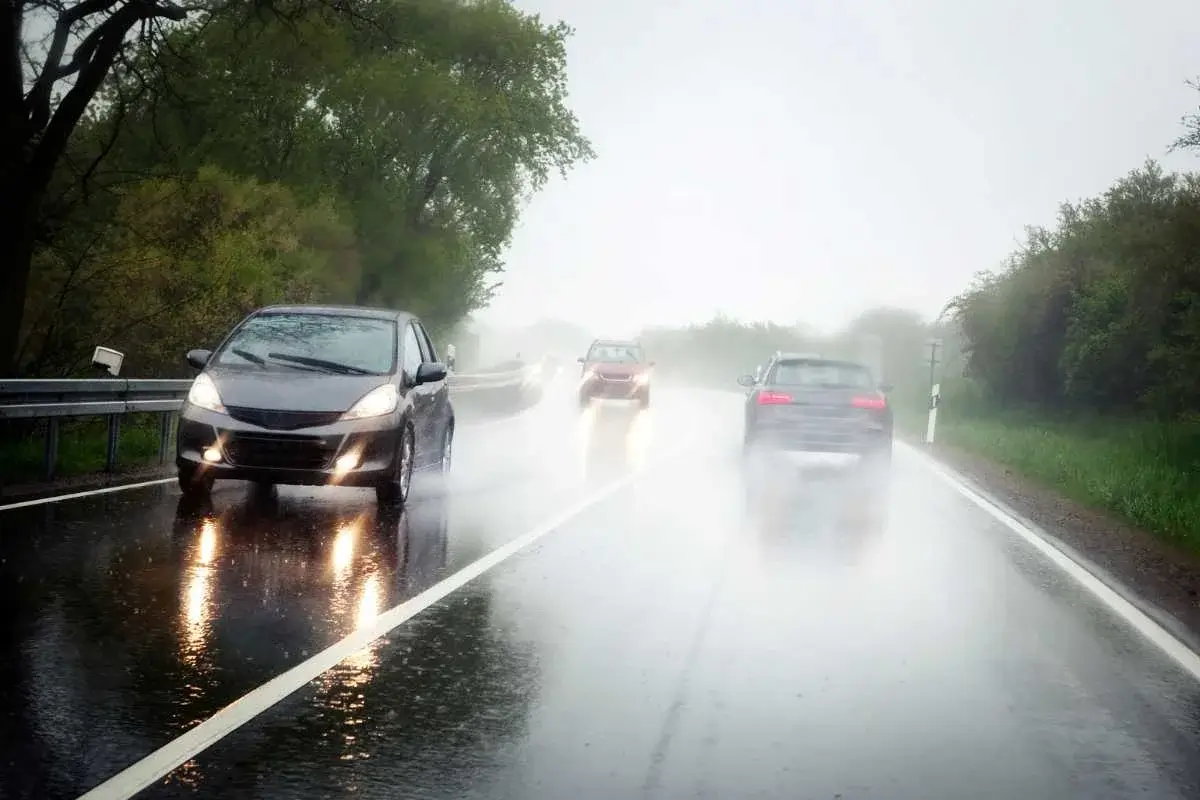
Advancements in technology have transformed the way we understand and respond to extreme weather events. Sophisticated tools such as satellites, radar systems, and artificial intelligence now allow scientists to monitor atmospheric conditions and predict hurricanes, floods, and heatwaves with unprecedented accuracy. These innovations give communities valuable time to prepare, reducing the loss of life and property. As the climate continues to change and weather patterns become more unpredictable, technology plays a critical role in helping societies adapt and strengthen their resilience.
However, while forecasting has improved, challenges remain. Many developing regions still lack access to advanced technologies and early warning systems. Even with modern tools, predicting the exact timing or severity of certain events can be difficult due to the complexity of climate systems. Continued global collaboration, research, and investment are essential to making these technologies more accurate, affordable, and accessible to all.
How has technology changed the way we predict and respond to extreme weather events? What recent breakthroughs have made forecasting more accurate and effective? How can global collaboration help ensure that developing nations also benefit from these technologies? What ethical or logistical challenges come with relying on advanced technology for disaster preparedness? Finally, how can innovation be used not only to predict but also to prevent or reduce the impacts of natural disasters in the future?
Use the online submission form when sending your articles to help us track all of your submissions. Please try to write about the above topic. Your response should be at least 1,000 words.
To receive credit, your effort is what matters. You should find ways to contribute thoughtful ideas that will help others. Feel free to use personal stories or other information that you want to share, but do not use real names or other identifying information. You may write your response in the space provided or upload your response. Once we review your response, you will receive credit.
Click the button below to submit your article and get your credit.


Membership Email:
Verification Status: