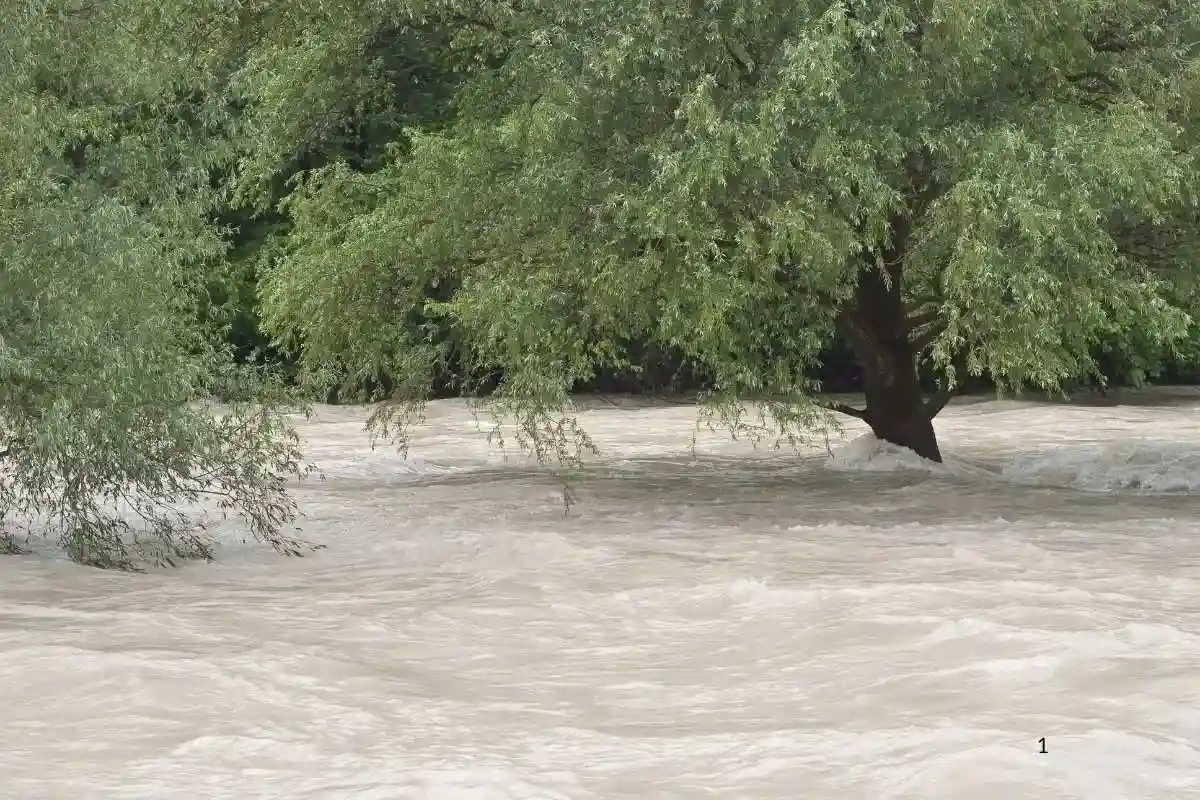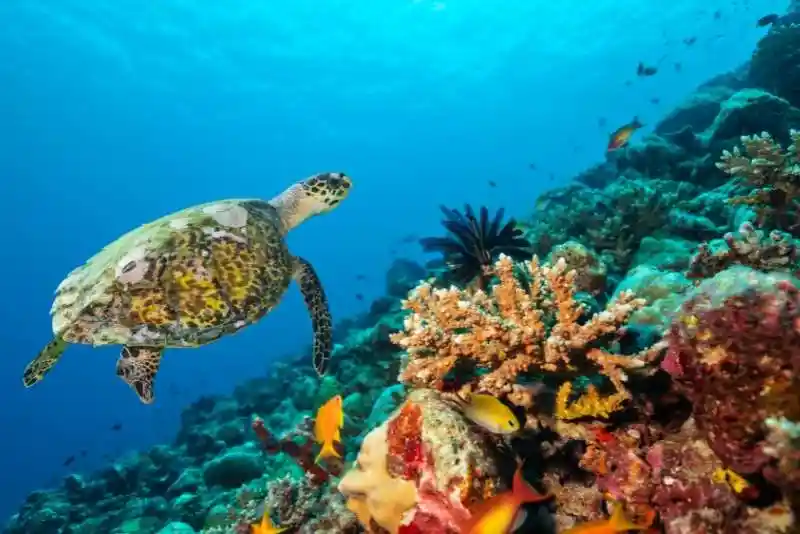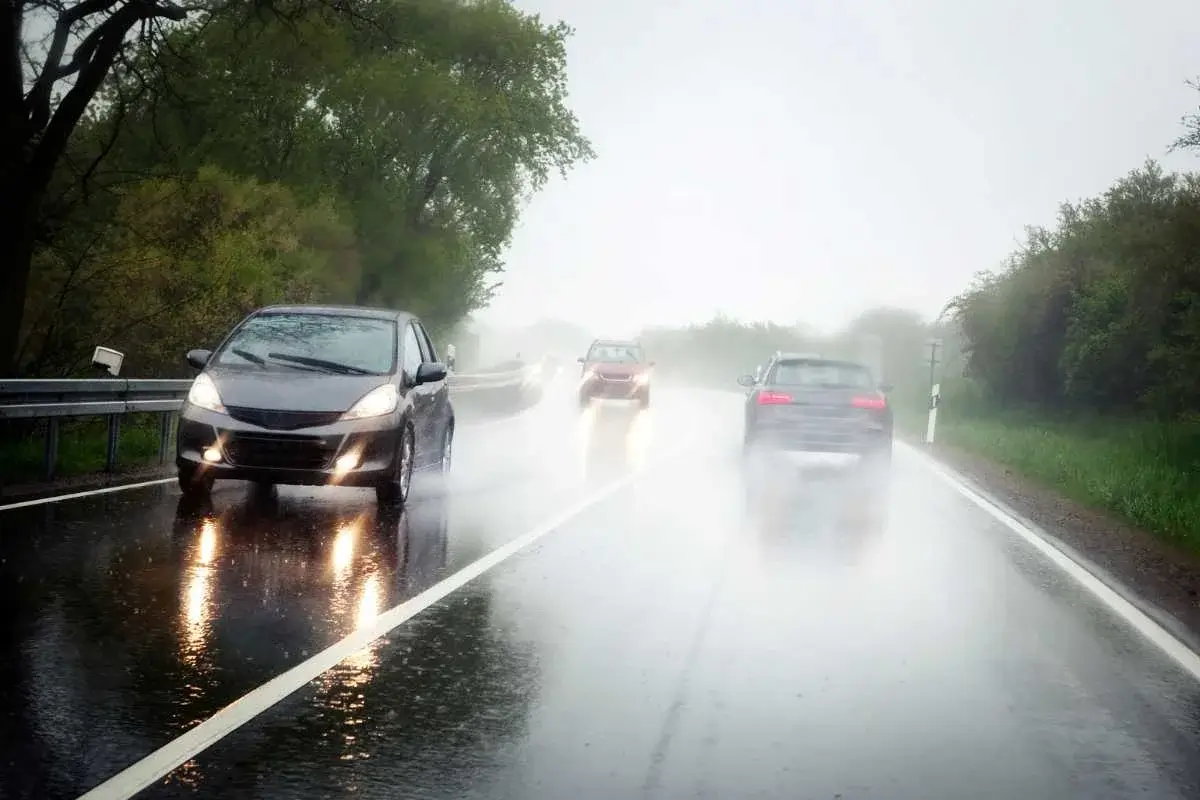
Extreme weather events, driven by climate change, are changing the travel and tourism industry in ways that can no longer be ignored. Hurricanes, wildfires, floods, and heatwaves are disrupting travel plans, damaging destinations, and impacting local economies that rely heavily on tourism. Many popular vacation spots are becoming increasingly vulnerable to rising sea levels, changing weather patterns, and environmental degradation. As these challenges intensify, the travel industry must find ways to adapt while promoting sustainability and safety for travelers.
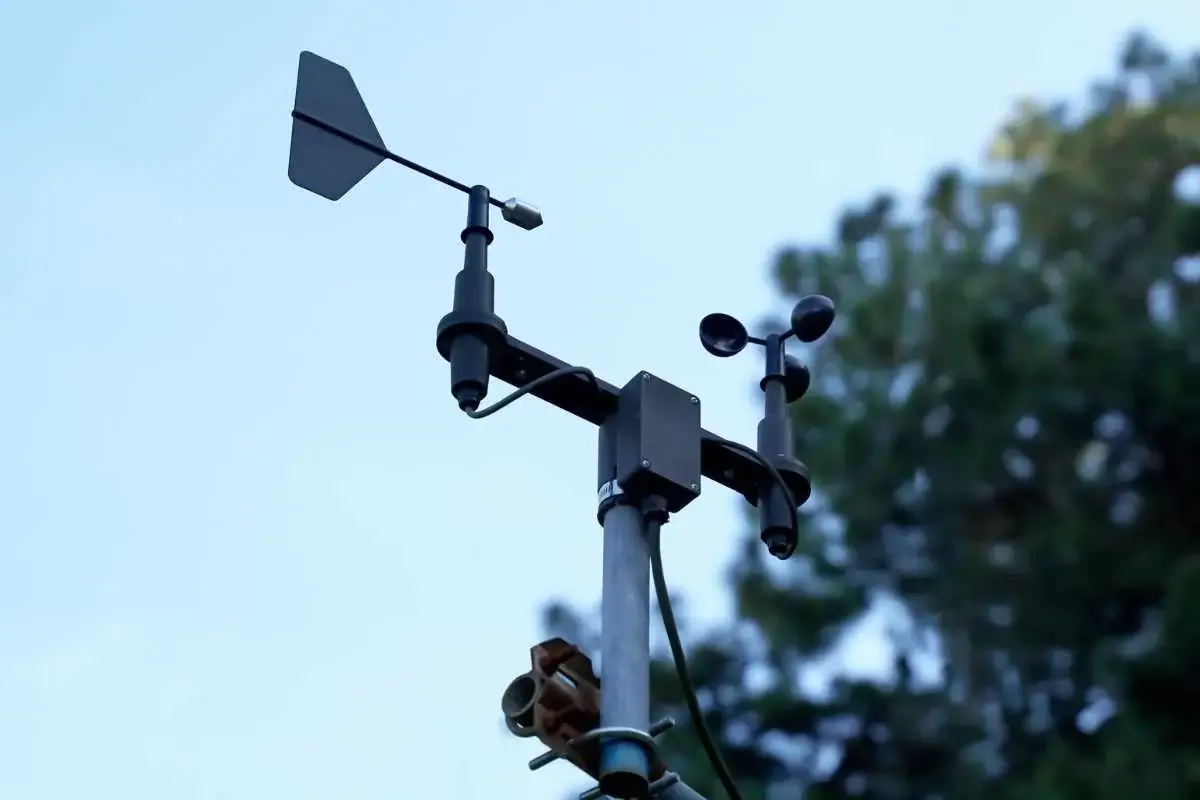
Airlines, cruise lines, and hotels are already feeling the effects of extreme weather. Flights and cruises are frequently delayed or canceled due to storms, and resorts in coastal regions must invest in stronger infrastructure to withstand hurricanes and flooding. Some destinations are even shifting their peak seasons as temperatures rise and weather becomes more unpredictable. In response, the tourism industry is turning to innovation and technology, using real-time weather monitoring systems and early warning apps to improve disaster preparedness and ensure visitor safety.
At the same time, travelers are becoming more aware of their environmental impact. Ecotourism and sustainable travel are gaining popularity as people seek meaningful experiences that support conservation and local communities. This shift highlights the importance of balancing profitability with sustainability, as travel companies are challenged to reduce emissions, minimize waste, and preserve natural habitats while maintaining economic viability.
How are extreme weather events affecting travel and tourism around the world? What steps are being taken by governments, travel companies, and local communities to make the industry more resilient to climate-related disruptions? How can travelers plan responsibly and stay safe in the face of unpredictable weather? What role does sustainable tourism play in reducing the environmental impact of travel and ensuring the long-term survival of destinations?
Use the online submission form when sending your articles to help us track all of your submissions. Please try to write about the above topic. Your response should be at least 1,000 words.
To receive credit, your effort is what matters. You should find ways to contribute thoughtful ideas that will help others. Feel free to use personal stories or other information that you want to share, but do not use real names or other identifying information. You may write your response in the space provided or upload your response. Once we review your response, you will receive credit.
Click the button below to submit your article and get your credit.


Membership Email:
Verification Status: