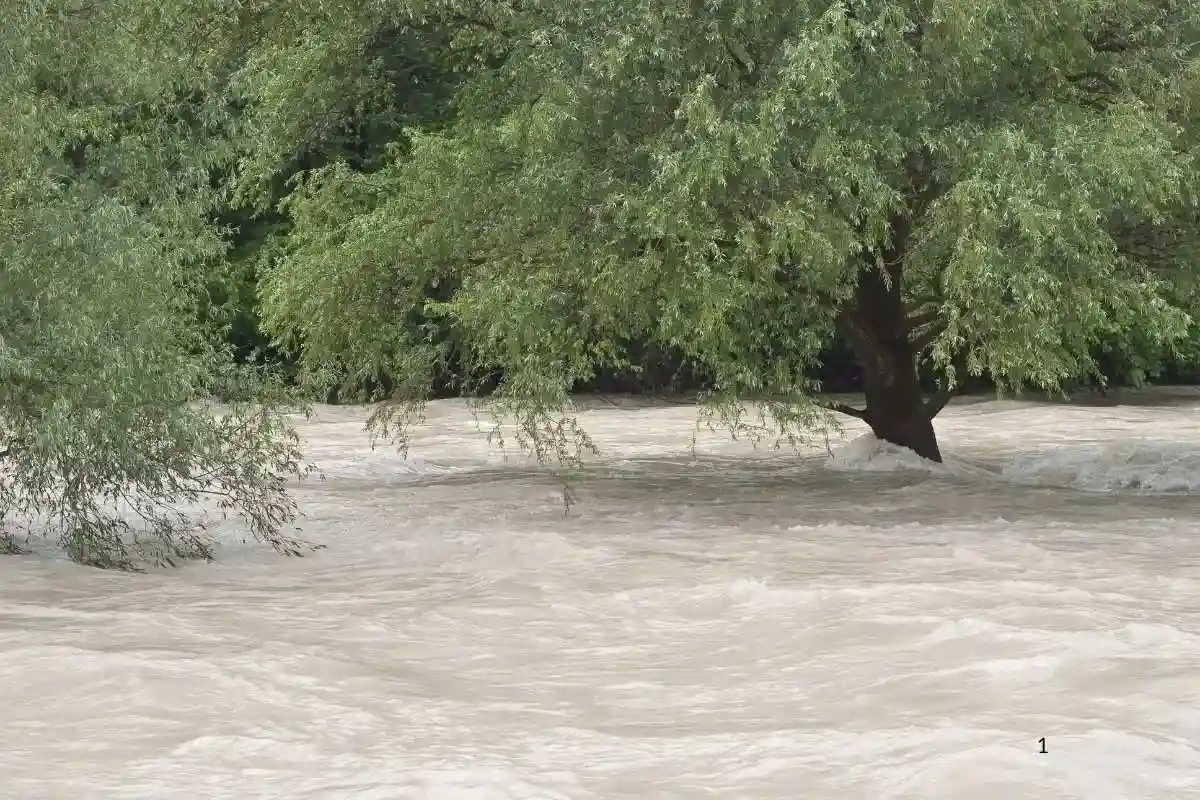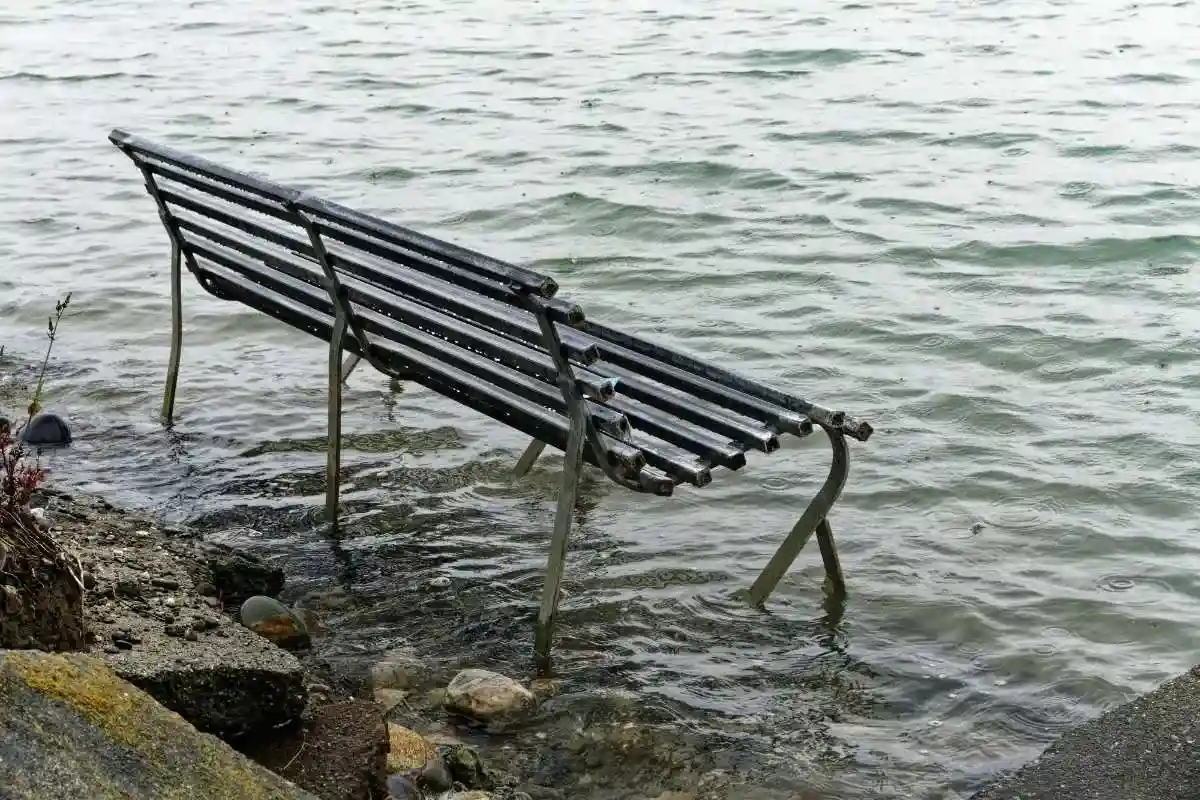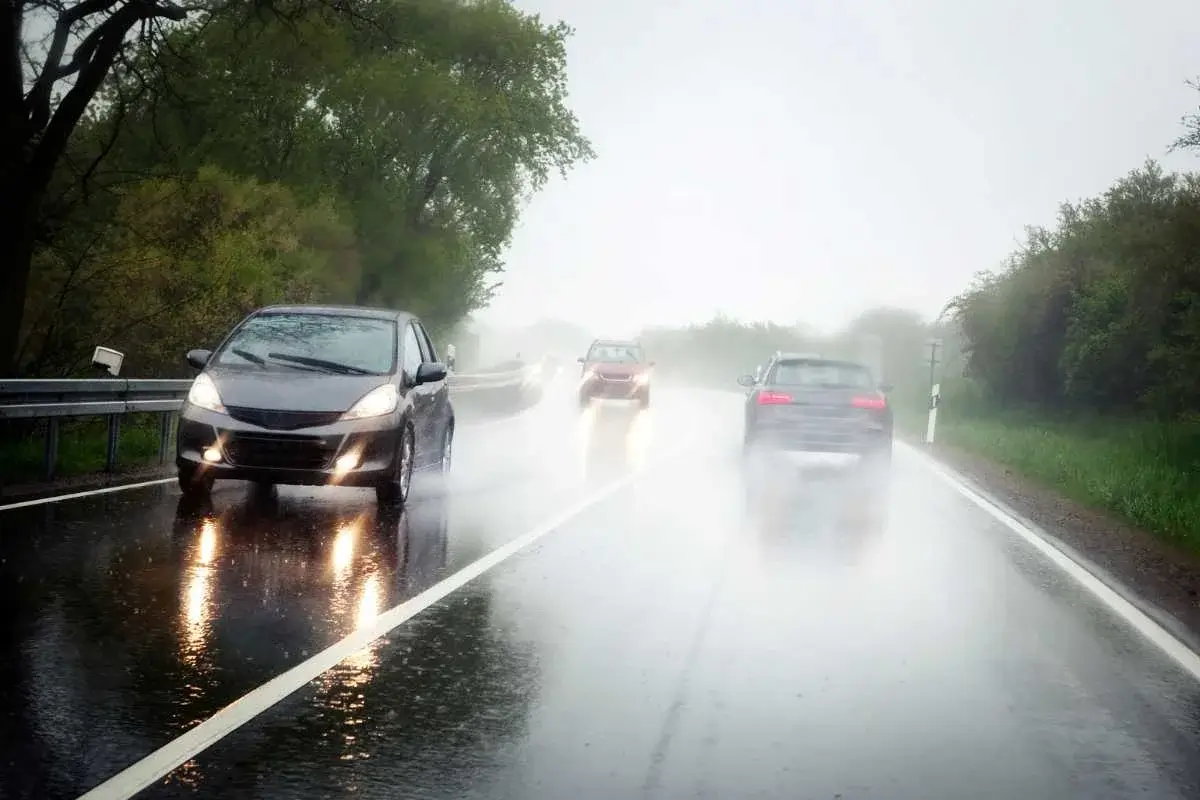
As extreme weather events grow more intense and frequent, cities around the world are rethinking how to protect people, infrastructure, and essential services. Smart cities, which use technology and data to improve efficiency and sustainability, are at the forefront of this transformation. By combining innovative design, climate-conscious policies, and advanced technologies, urban planners are working to build cities that can better withstand hurricanes, floods, heatwaves, and other climate-related challenges. These modern cities aim not only to survive extreme conditions but also to create healthier and more sustainable environments for all residents.
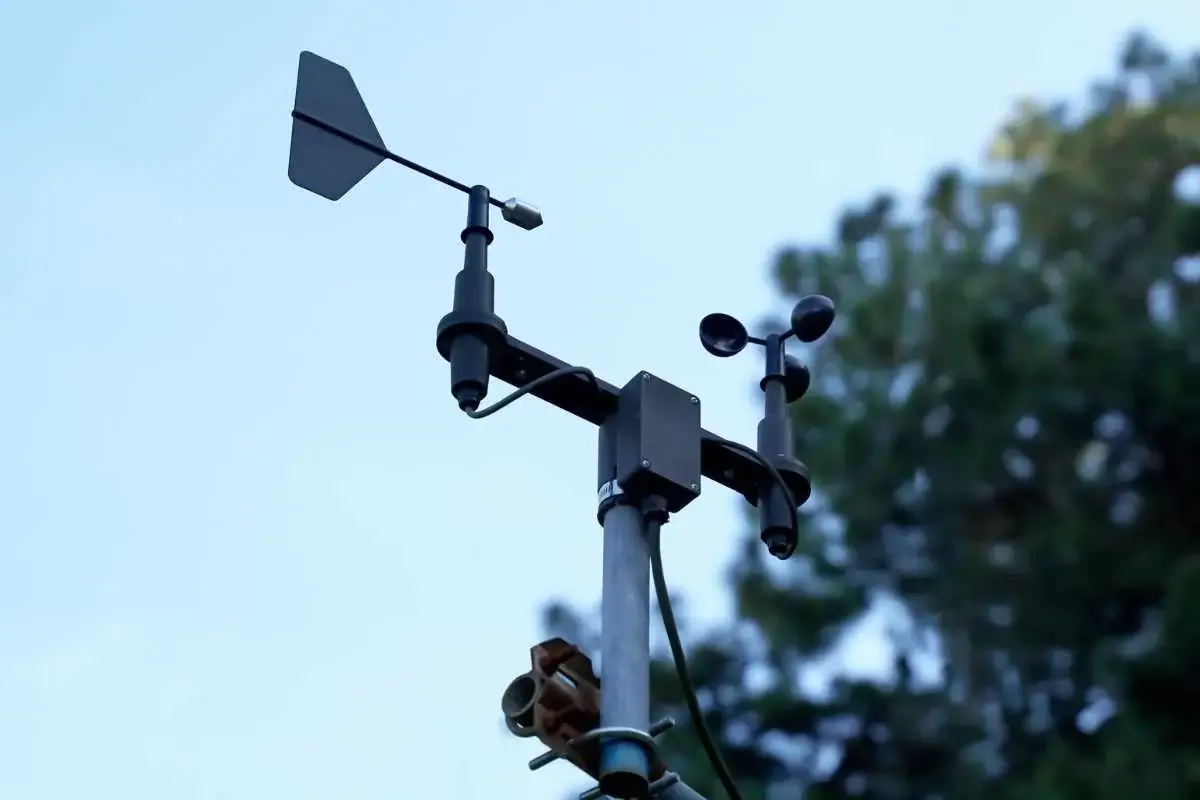
Technology plays a major role in this evolution. Smart sensors can detect changes in weather and infrastructure conditions in real time, while artificial intelligence can analyze data to predict and manage disasters before they occur. Green infrastructure, such as parks, rooftop gardens, and permeable pavements, helps absorb excess rainwater and reduce heat. Updated building codes and zoning laws ensure that homes and public spaces are built to endure harsher climates. Together, these strategies create cities that are safer, more efficient, and better prepared for the future.
However, the path toward climate-resilient cities comes with challenges. High costs, unequal access to technology, and limited resources in developing areas can make progress uneven. Ensuring that smart city innovations benefit everyone, especially underserved communities, requires collaboration among governments, private companies, and local organizations. When technology is combined with social equity and strong public engagement, it can lead to long-lasting solutions that protect both people and the planet.
What are the most effective ways cities can use technology and design to prepare for extreme weather? How can smart infrastructure, such as AI-powered systems and green designs, make cities more resilient? What barriers might prevent these solutions from being widely adopted, and how can they be overcome? How can governments, businesses, and communities work together to ensure that smart city innovations are accessible to everyone? What would a truly climate-resilient city of the future look like?
Use the online submission form when sending your articles to help us track all of your submissions. Please try to write about the above topic. Your response should be at least 1,000 words.
To receive credit, your effort is what matters. You should find ways to contribute thoughtful ideas that will help others. Feel free to use personal stories or other information that you want to share, but do not use real names or other identifying information. You may write your response in the space provided or upload your response. Once we review your response, you will receive credit.
Click the button below to submit your article and get your credit.


Membership Email:
Verification Status: