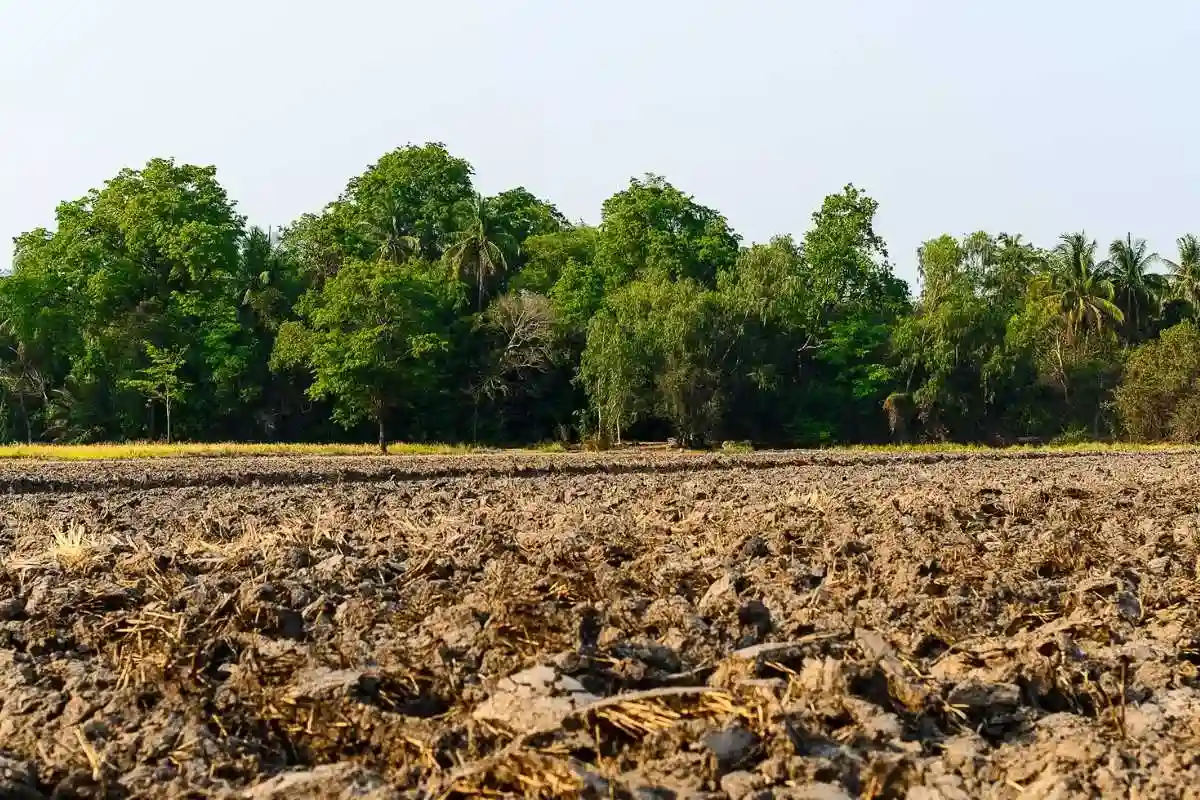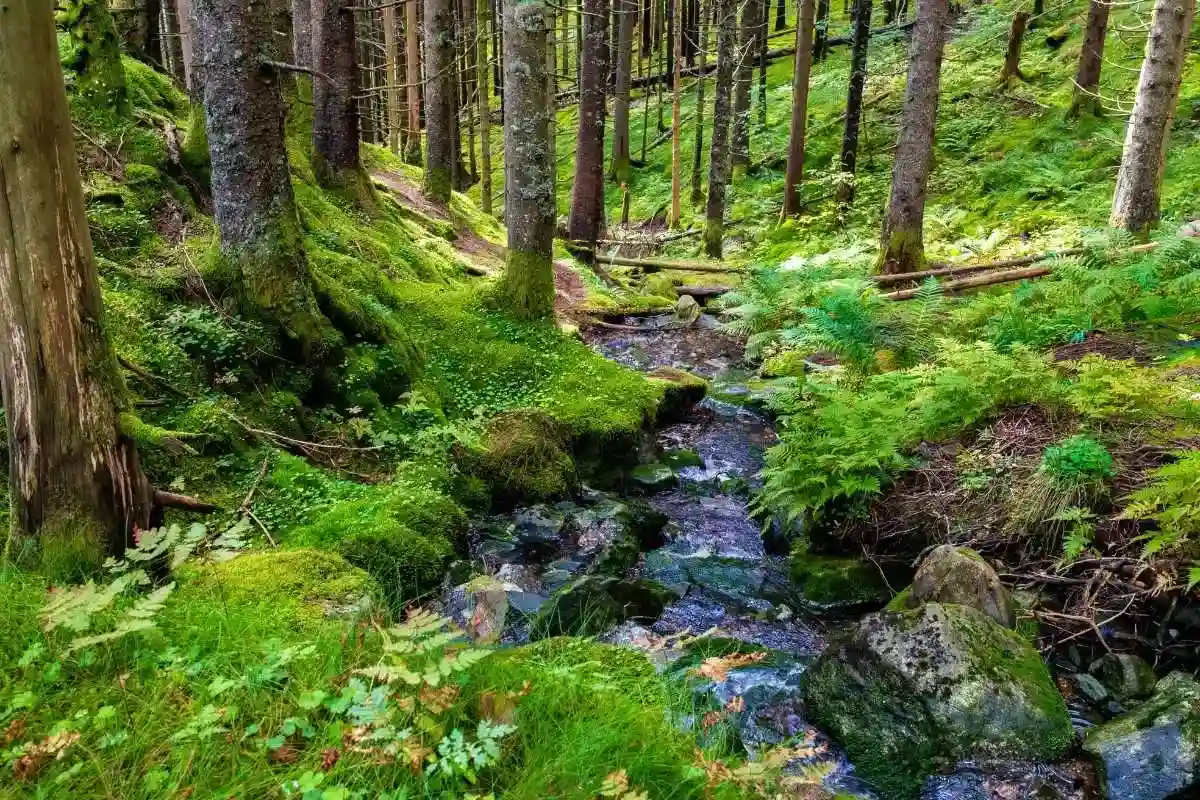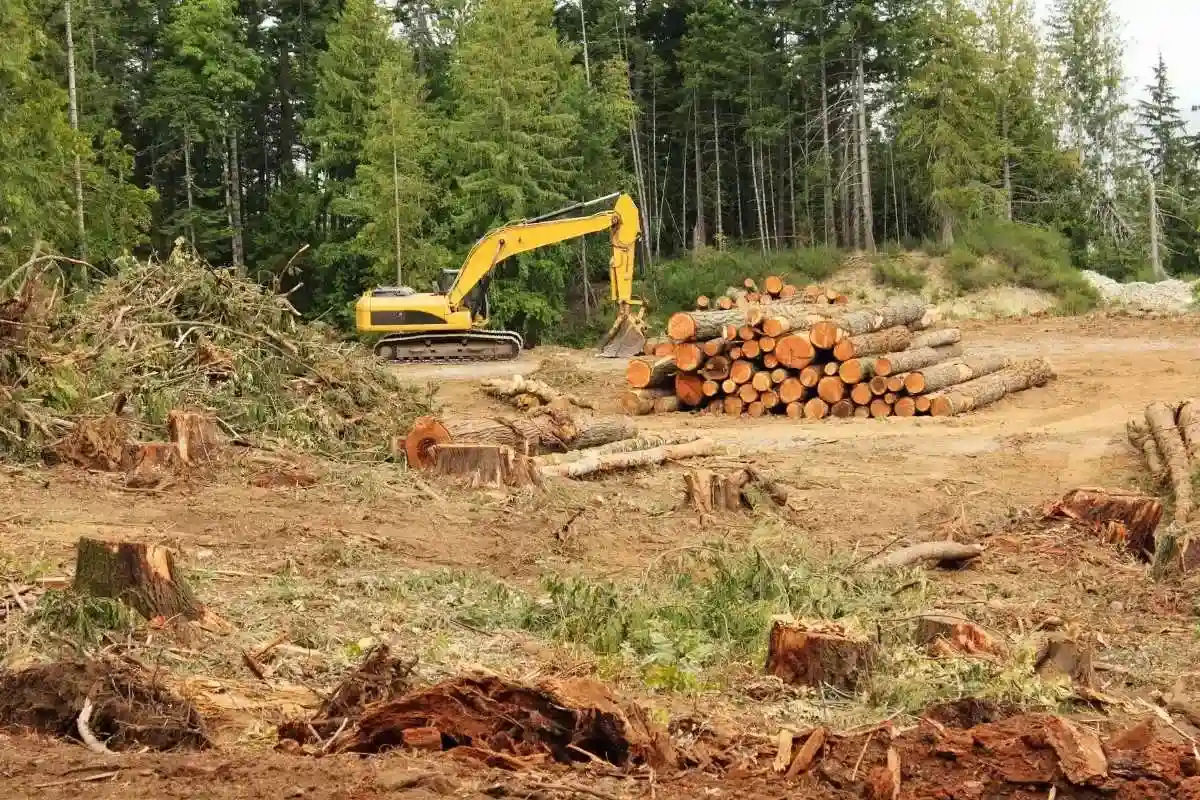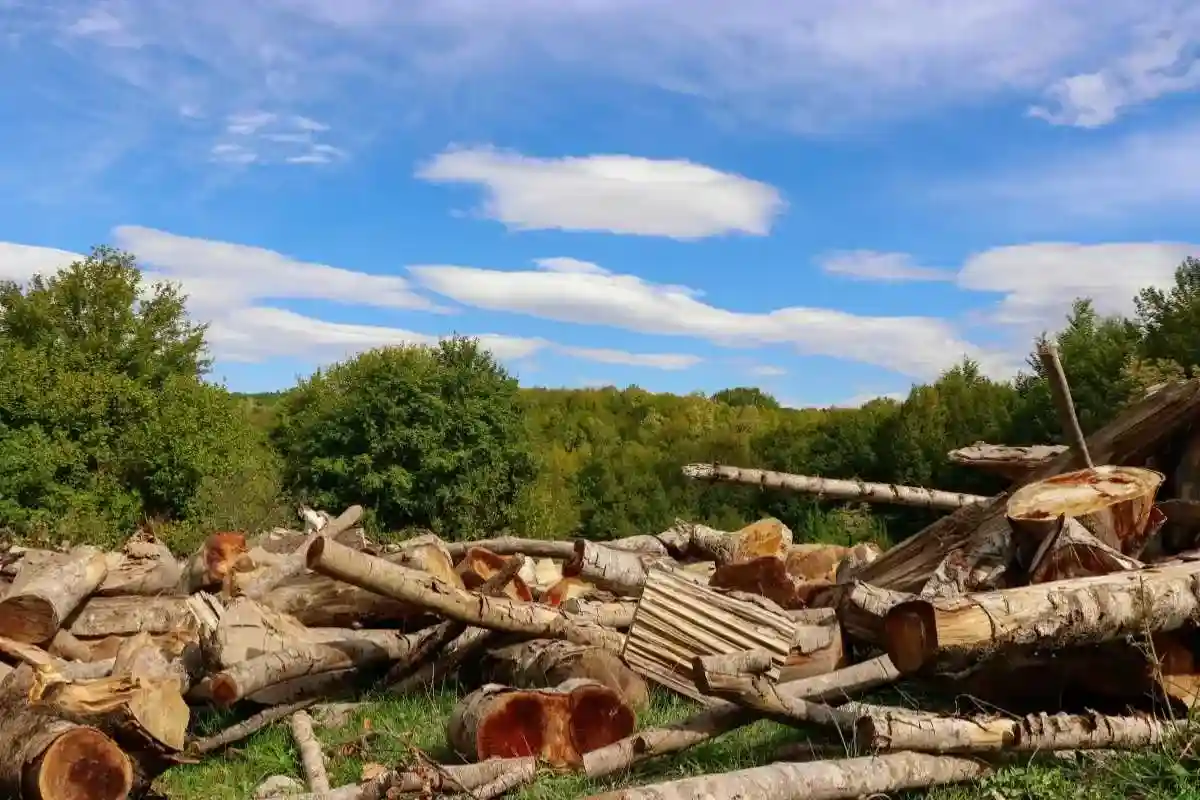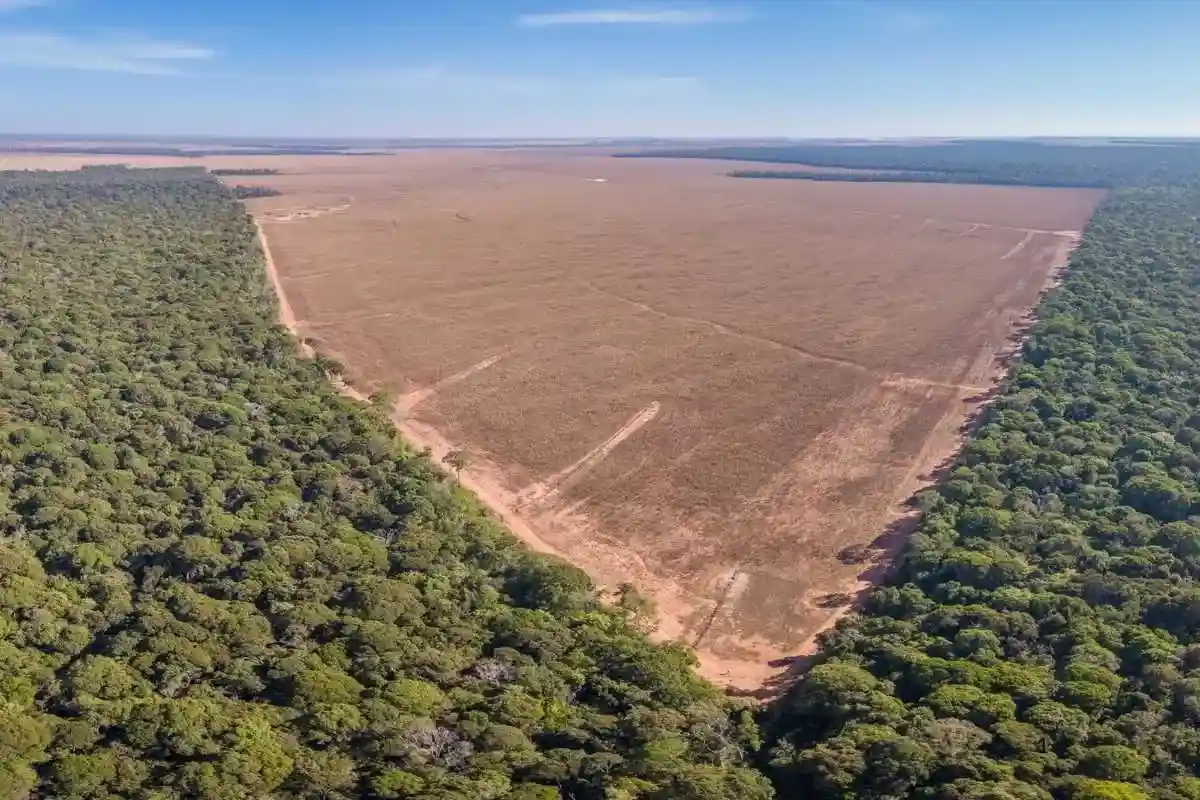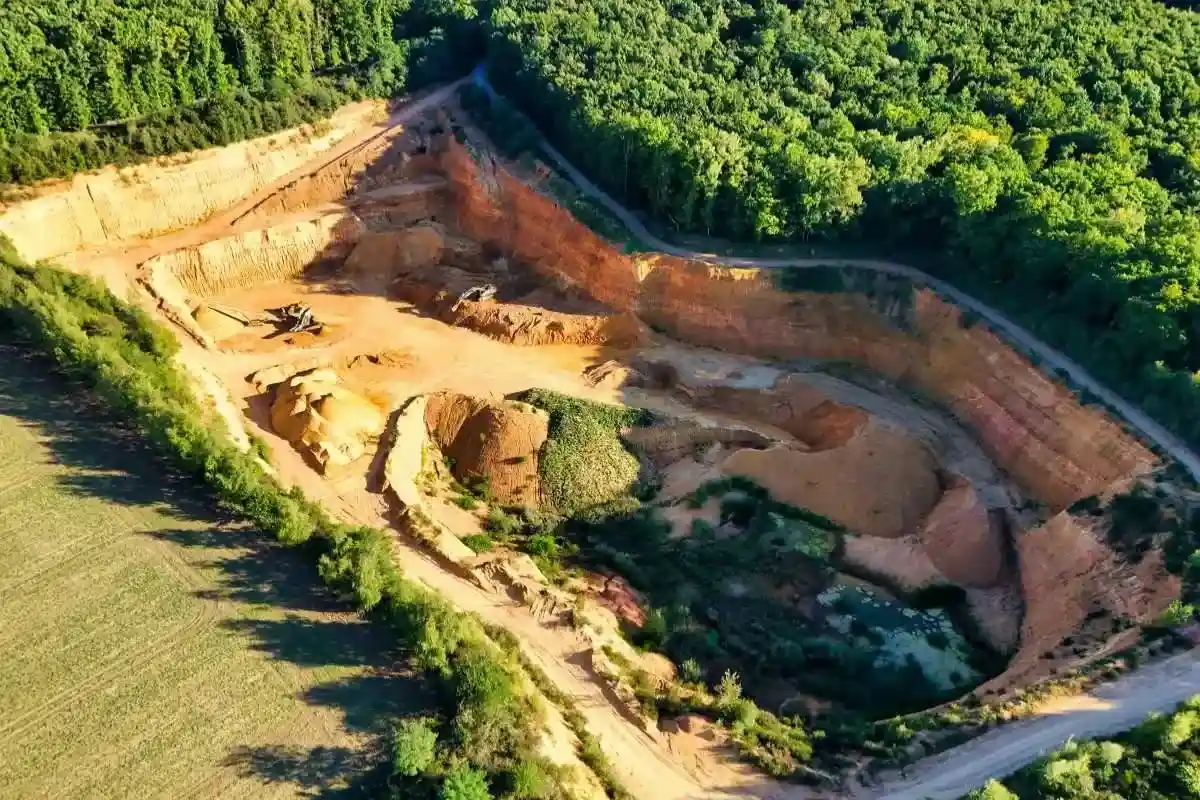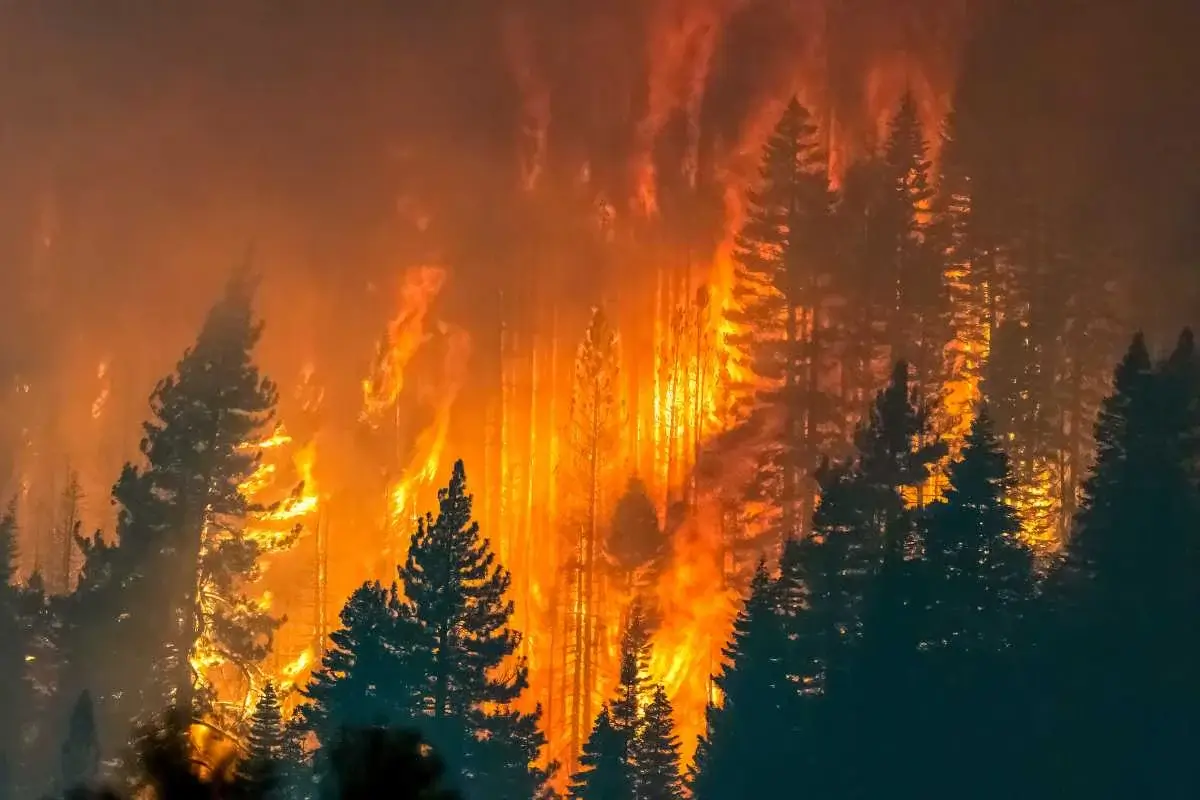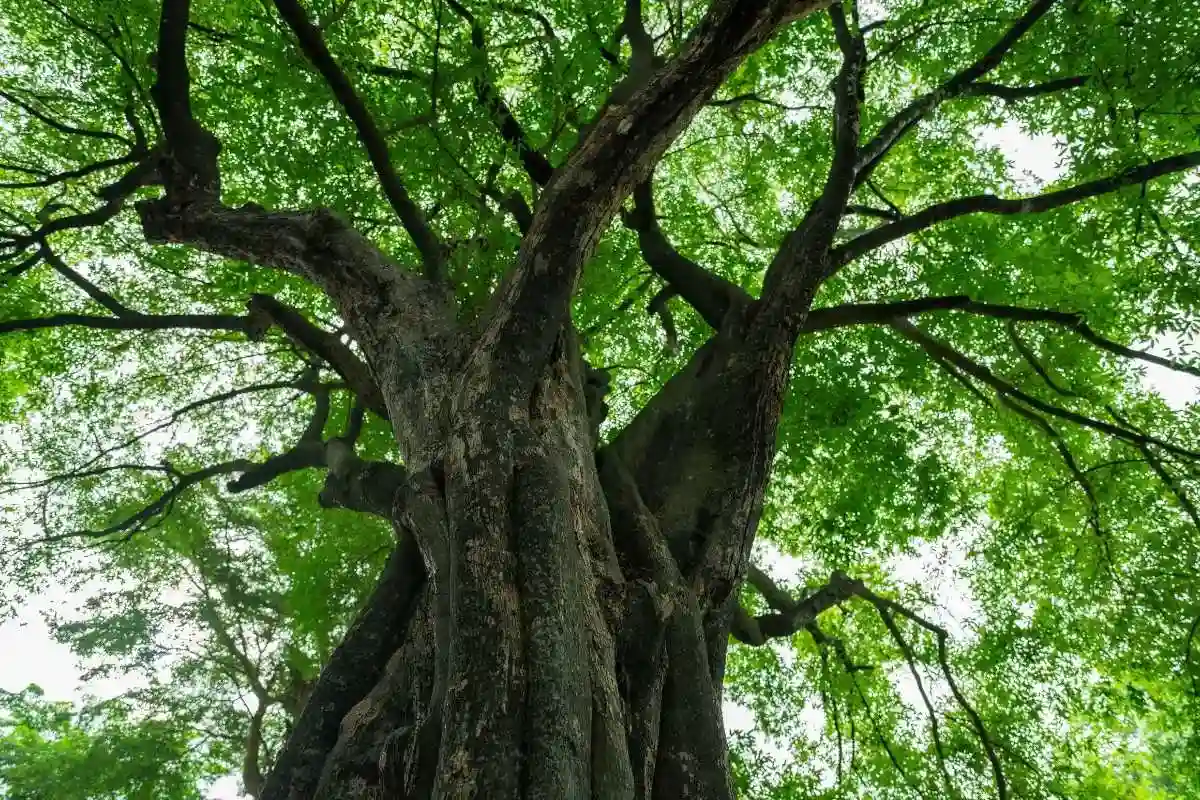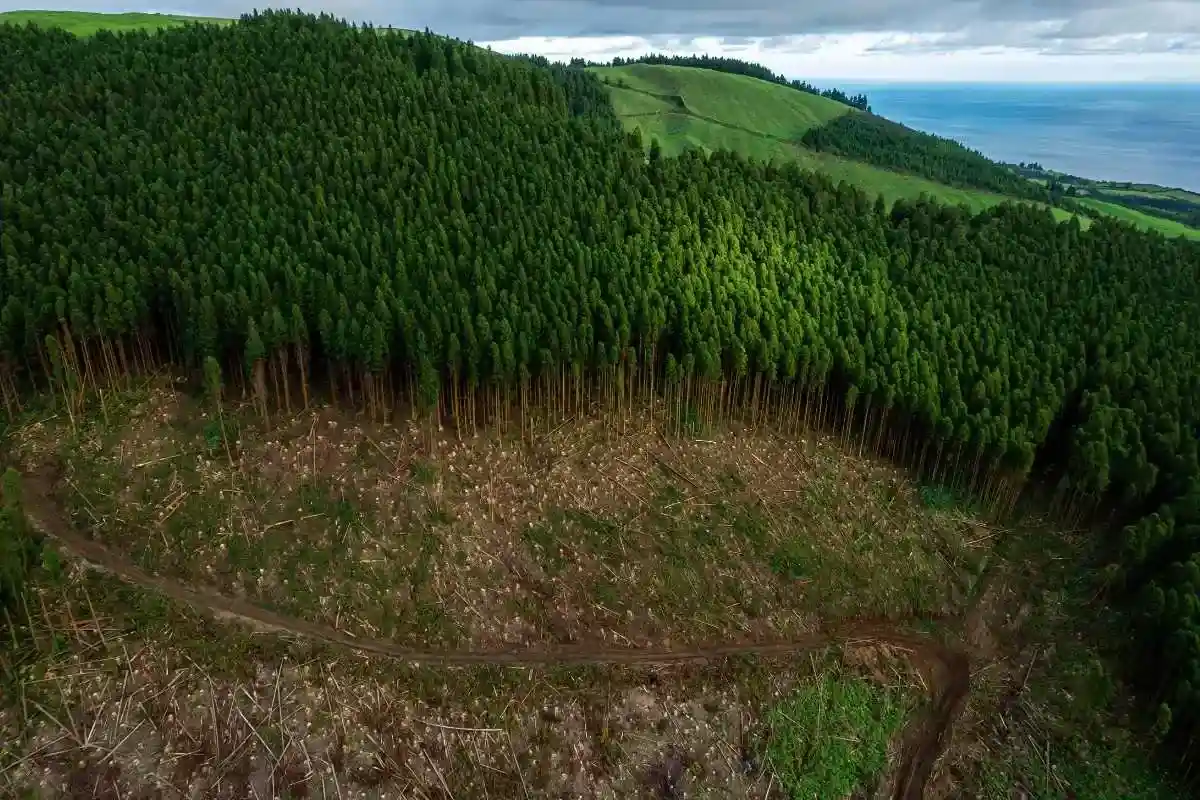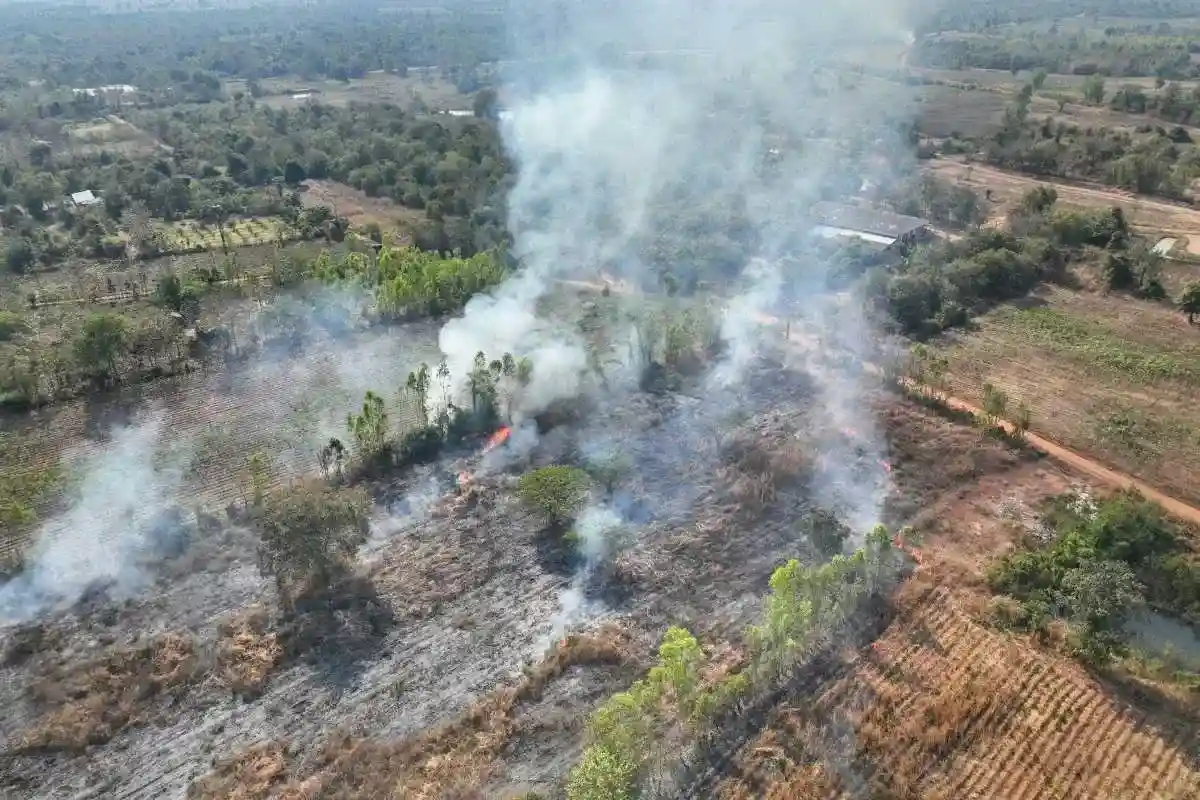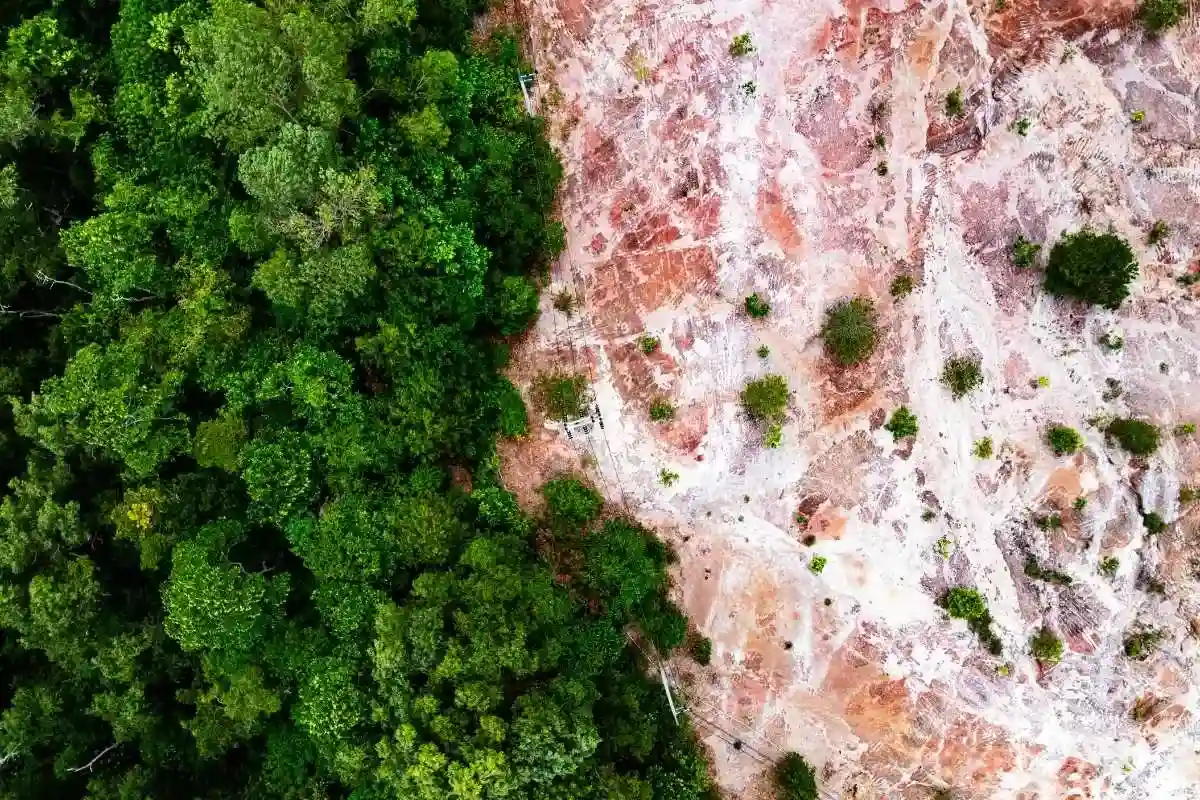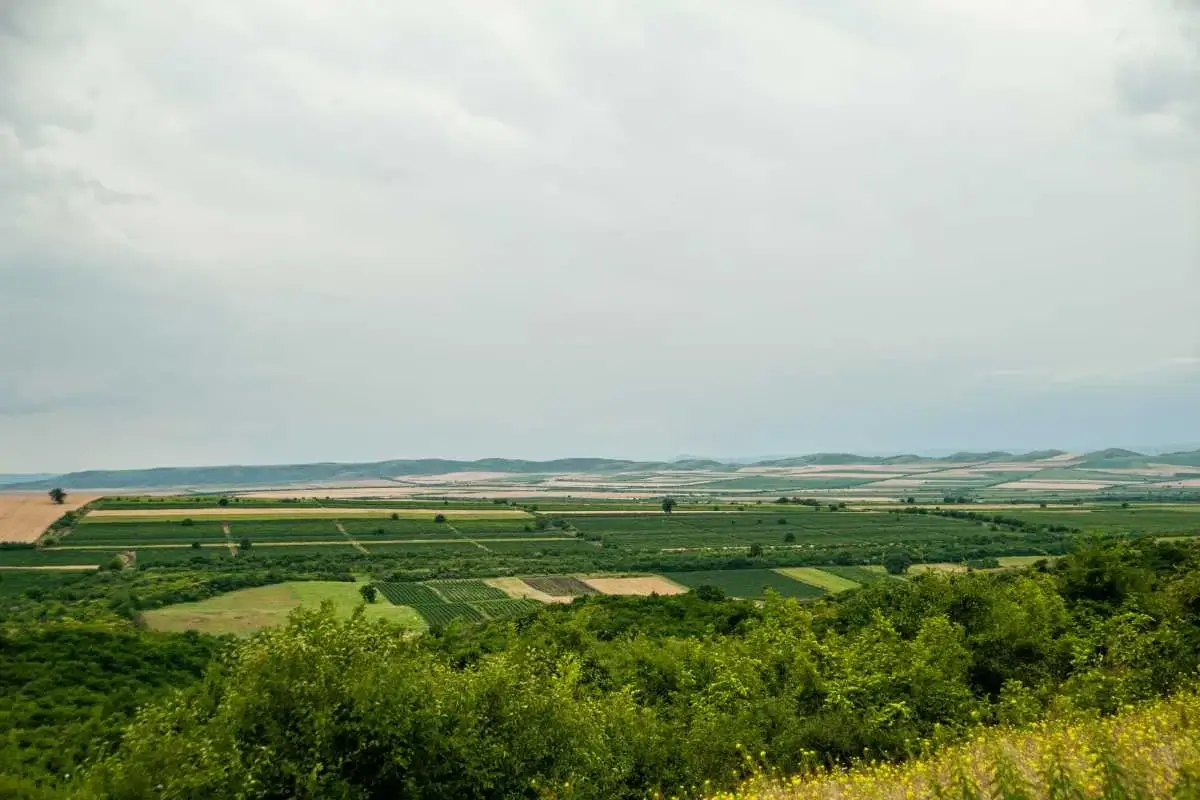
The expansion of agricultural land is one of the leading causes of deforestation across the globe. As the world’s population continues to grow, so does the demand for food, livestock, and agricultural products. To meet this demand, vast areas of forests are cleared each year to create space for farms, plantations, and pastures. While this expansion supports food production in the short term, it comes at a great environmental cost. Forest loss disrupts ecosystems, contributes to climate change, and undermines the very agricultural systems it is meant to support.
Deforestation caused by agriculture has wide-reaching effects. When forests are cleared, carbon stored in trees is released into the atmosphere, adding to greenhouse gas emissions and accelerating global warming. The removal of forest cover also alters local climates, reducing rainfall and increasing temperatures, which can cause droughts and soil degradation. In addition, the destruction of habitats leads to a decline in biodiversity, threatening countless species of plants and animals. These changes not only harm wildlife but also weaken the ecosystems that support agriculture, reducing soil fertility and water availability over time.
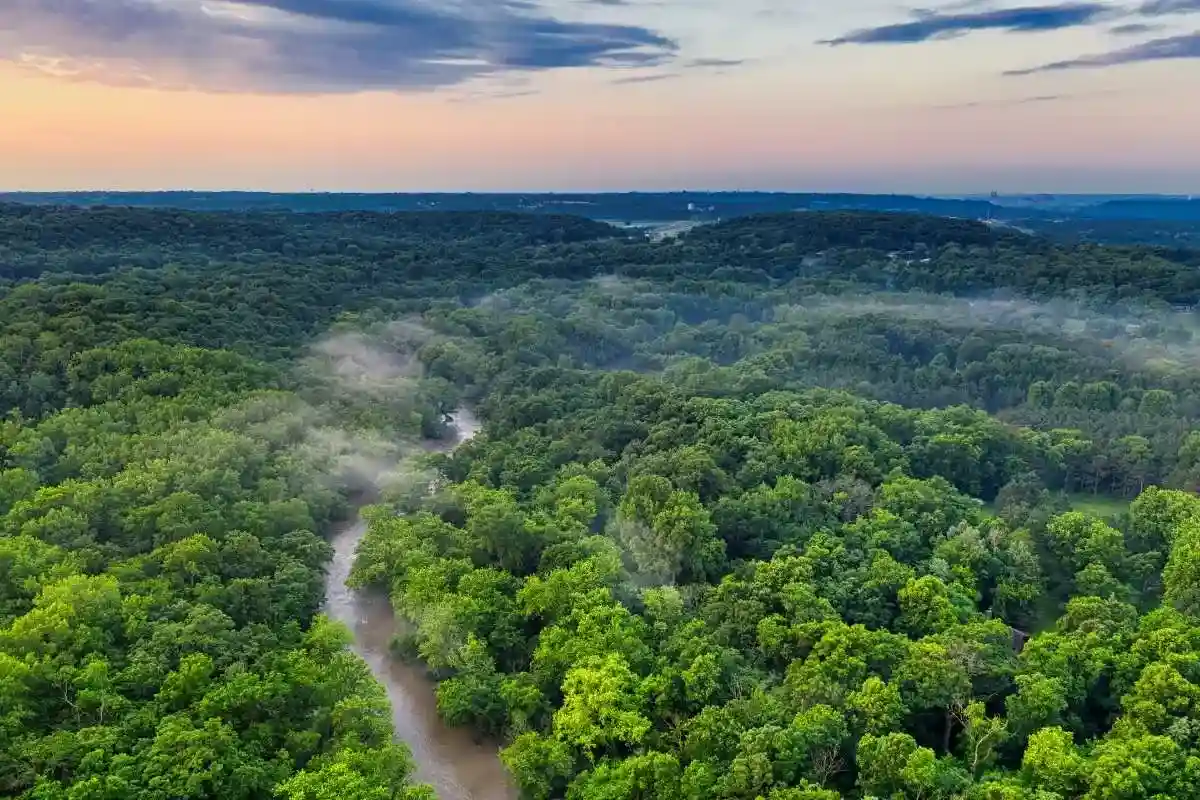
Protecting forests while feeding a growing population is one of the most important challenges of our time. Sustainable farming methods can help balance these needs. Practices such as agroforestry, where trees and crops grow together, crop rotation, and soil conservation techniques improve soil health and reduce the need for chemical fertilizers. These approaches allow farmers to produce more food without expanding into forested areas. Education, innovation, and community engagement are key to promoting these methods and ensuring that both people and nature can thrive together.
To reduce the impact of agriculture on forests, it is essential to adopt sustainable practices that protect ecosystems while maintaining productivity. What strategies can farmers use to lessen deforestation and improve soil and water management? How can consumers make choices that support sustainable farming and discourage destructive practices? Consider the economic and environmental benefits of protecting forests, as well as the risks of continuing to clear land for agriculture. What role can technology, government policies, and international cooperation play in promoting sustainable agriculture and preserving forests for future generations?
Use the online submission form when sending your articles to help us track all of your submissions. Please try to write about the above topic. Your response should be at least 1,000 words.
To receive credit, your effort is what matters. You should find ways to contribute thoughtful ideas that will help others. Feel free to use personal stories or other information that you want to share, but do not use real names or other identifying information. You may write your response in the space provided or upload your response. Once we review your response, you will receive credit.
Click the button below to submit your article and get your credit.


Membership Email:
Verification Status: