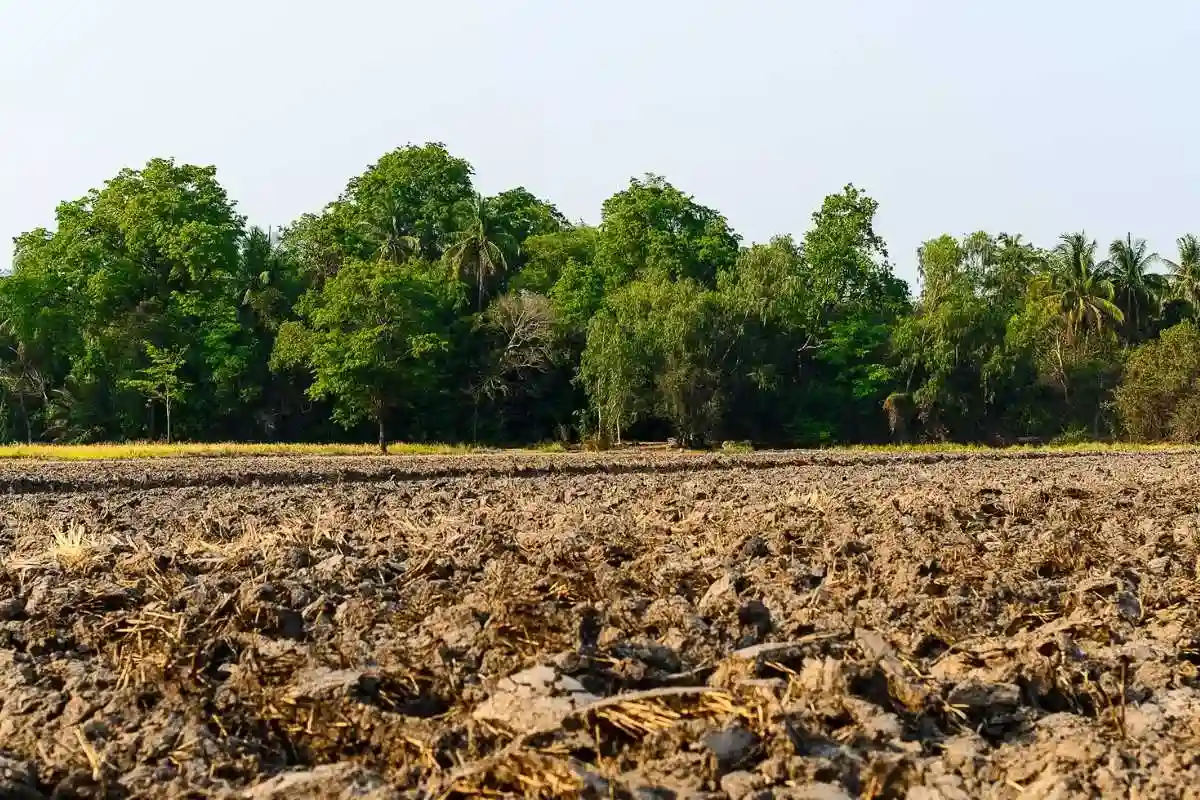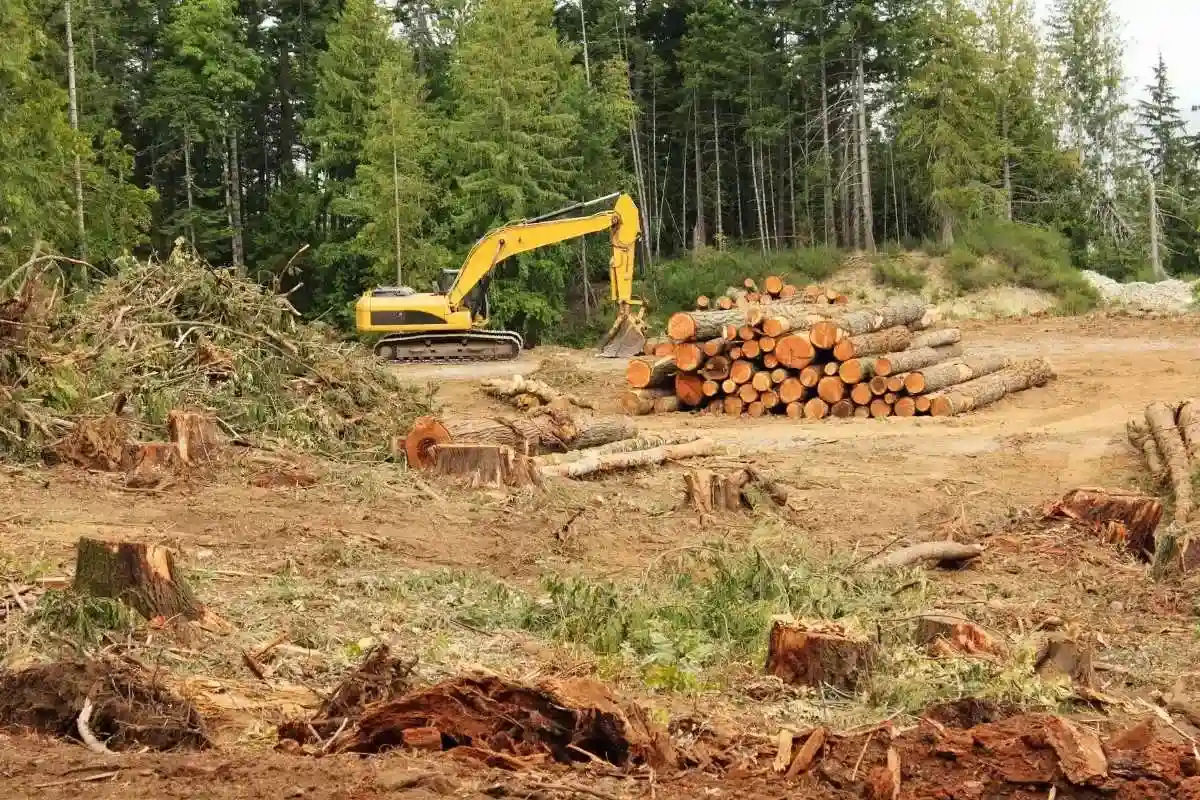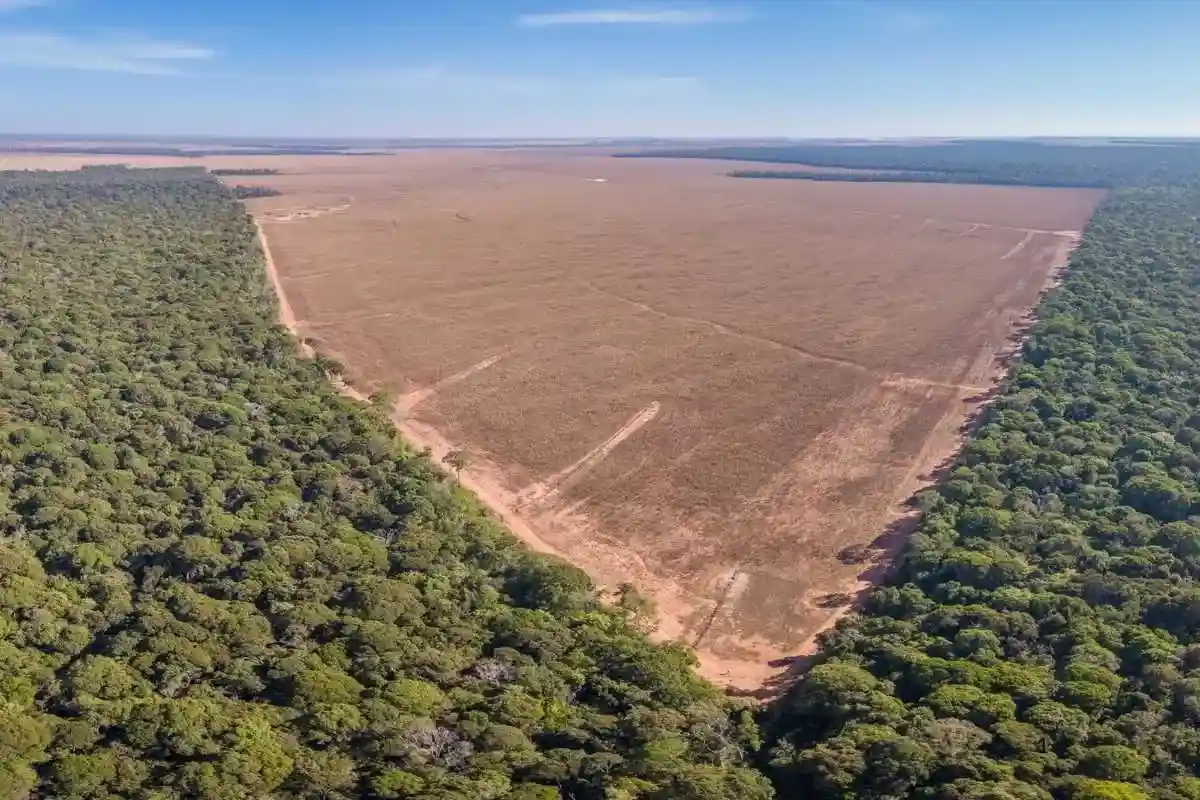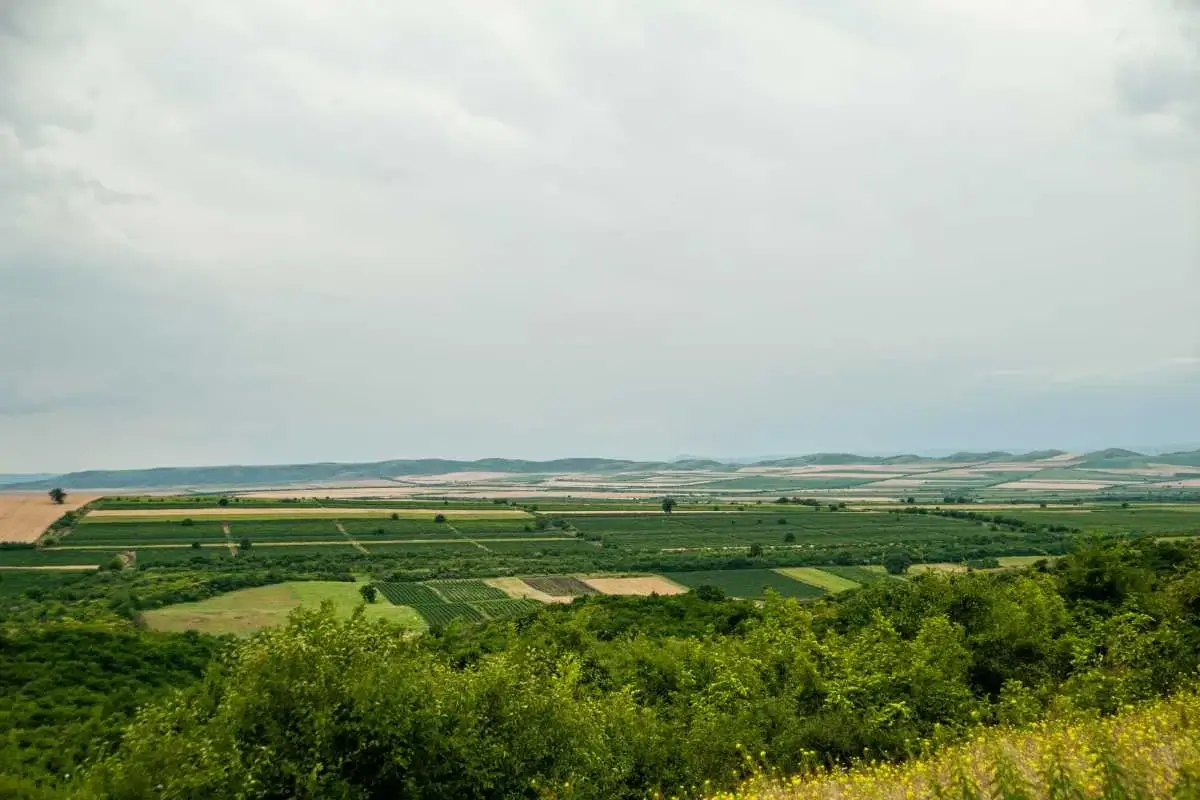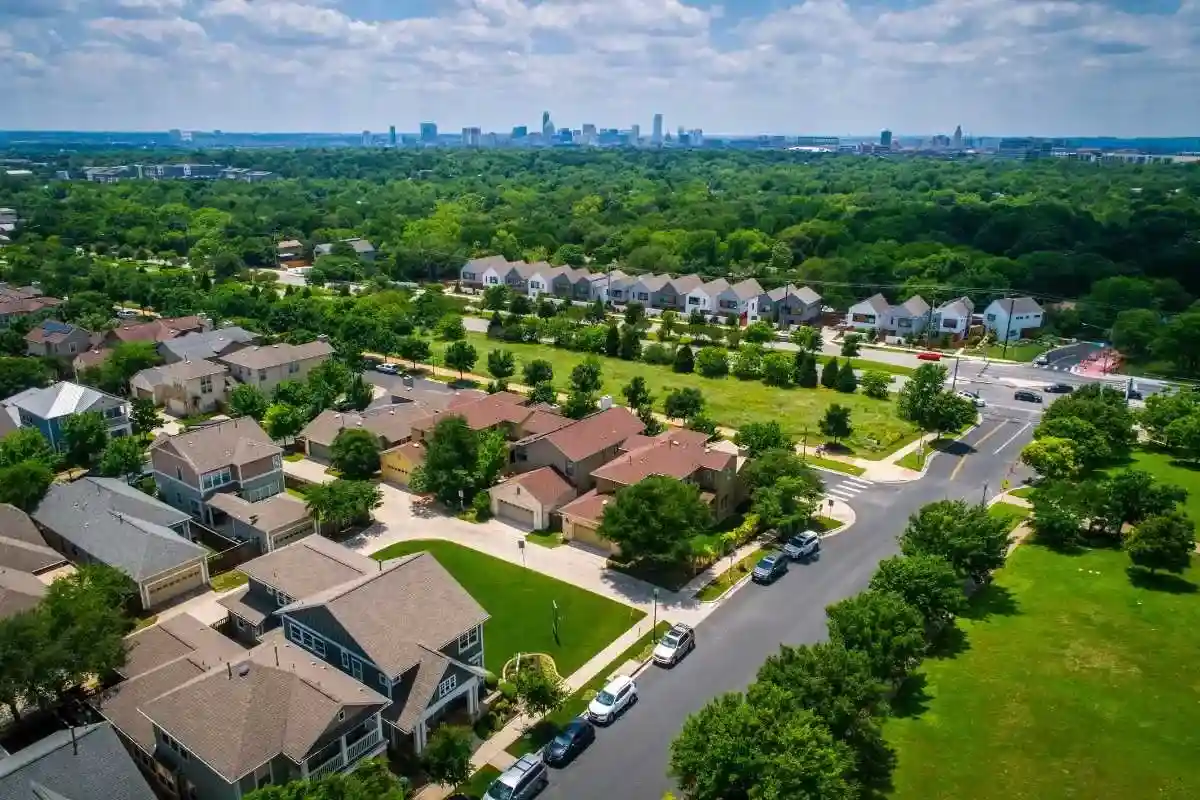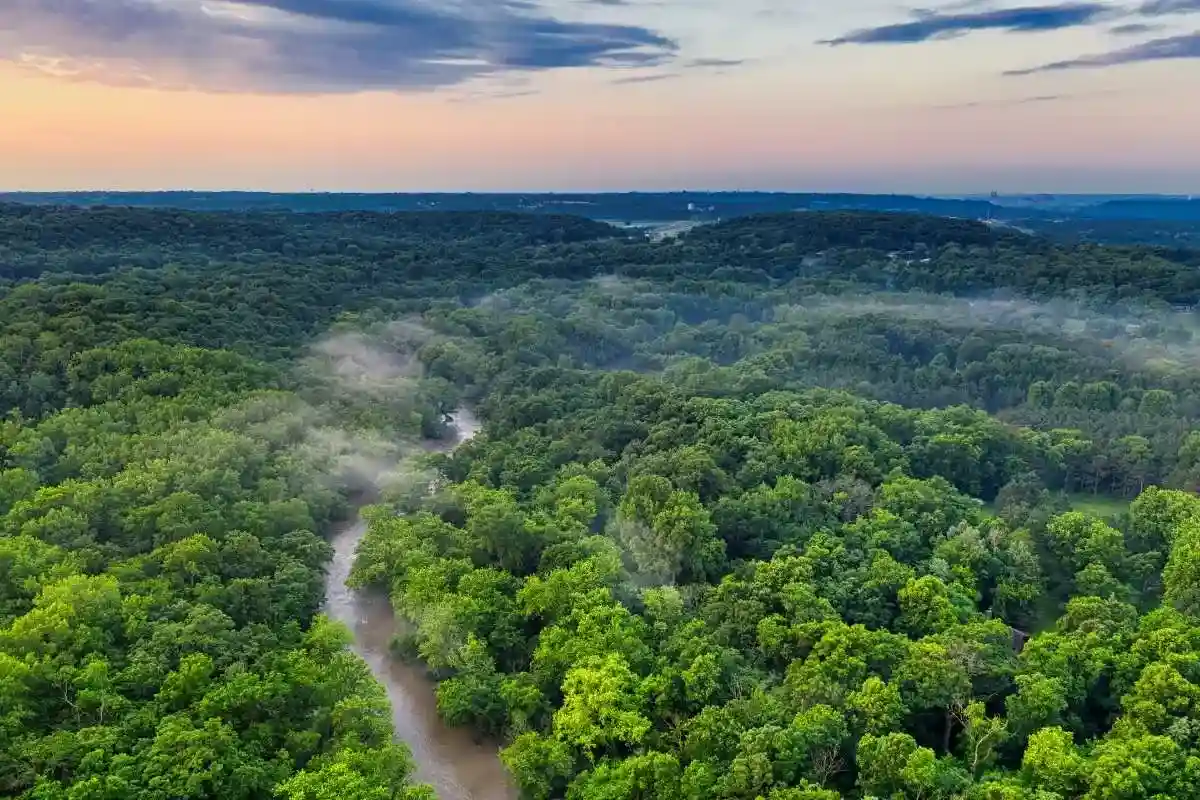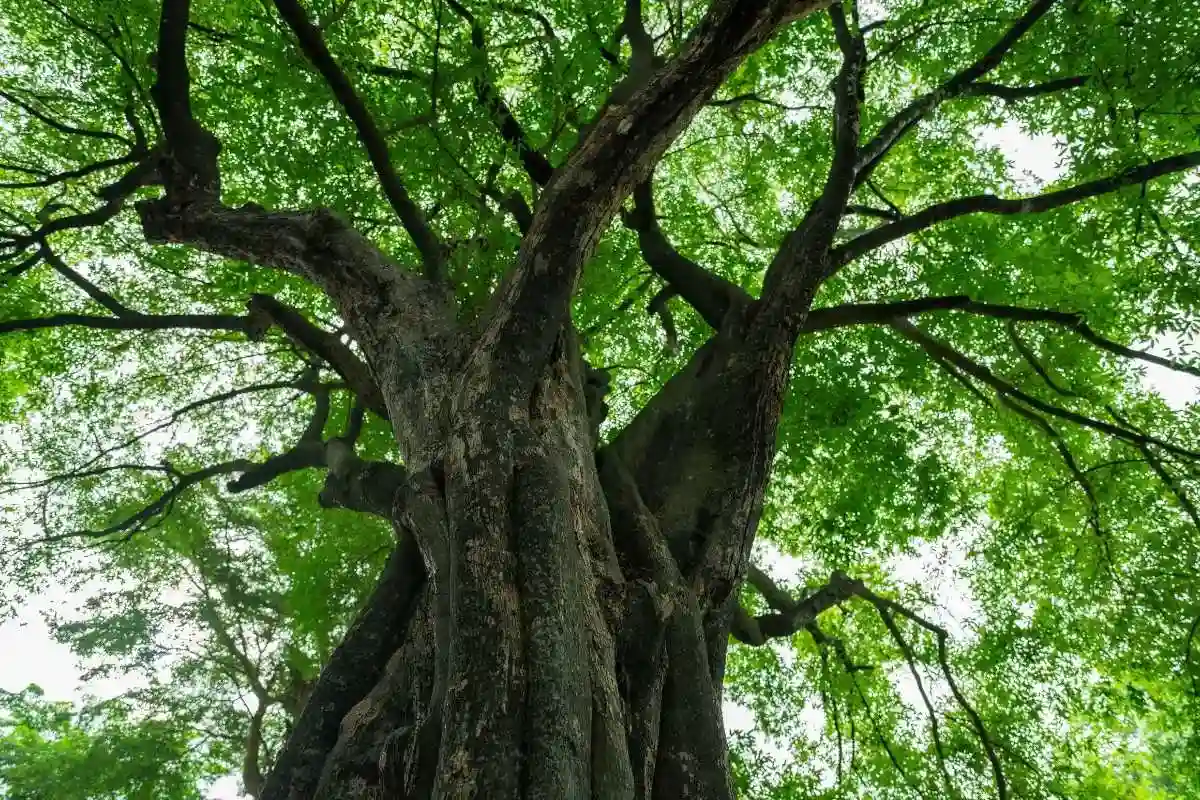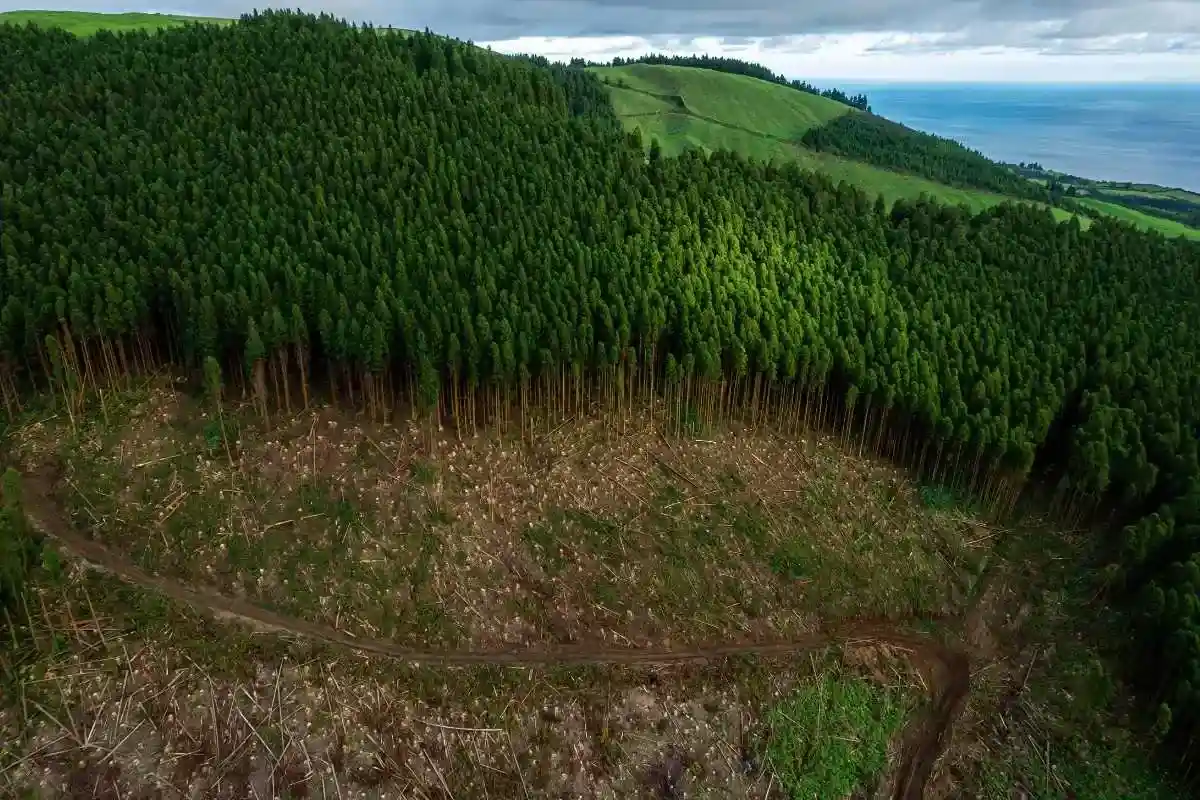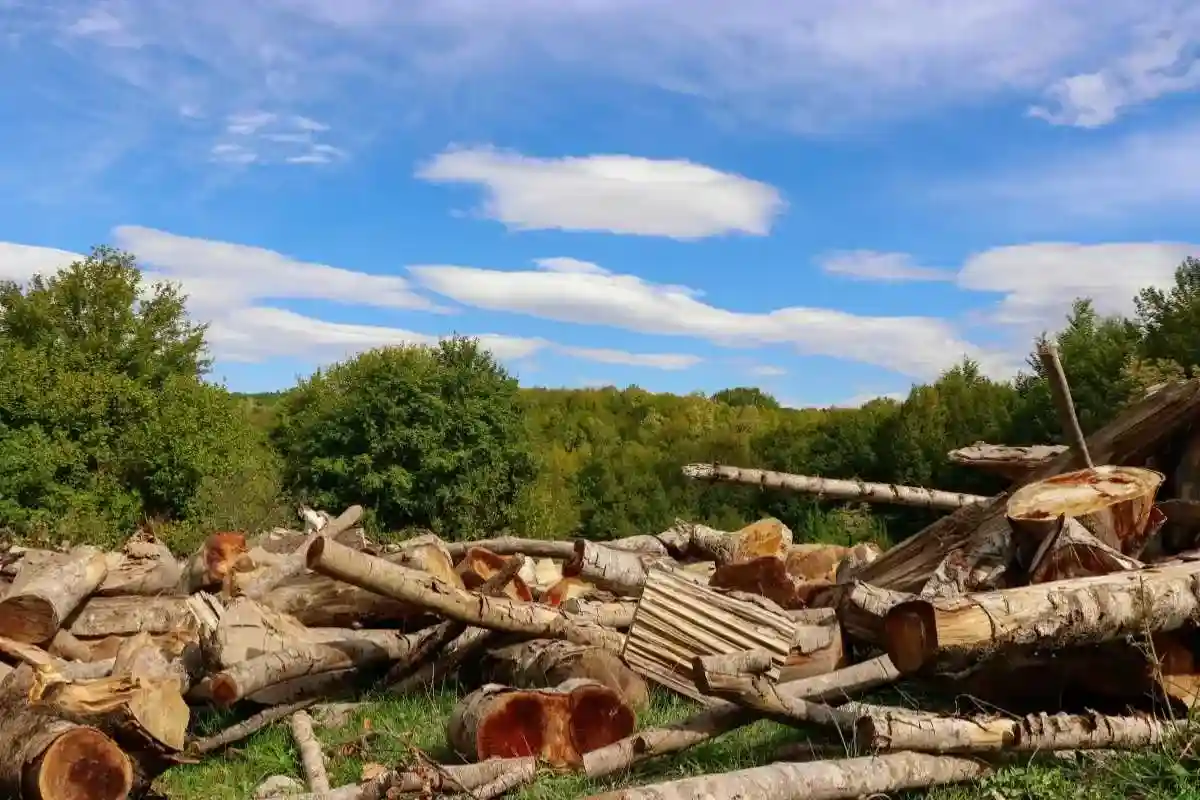
Minimal logging is an approach to forest management that seeks to balance the need for timber and resources with the importance of conserving forests. Instead of large-scale clear-cutting, it focuses on carefully selecting and removing only a small number of trees while leaving the majority of the forest intact. Supporters of minimal logging believe this method provides a sustainable way to harvest resources while protecting ecosystems and maintaining the forest’s natural resilience.
This practice helps reduce soil erosion, preserves wildlife habitats, and maintains the forest’s ability to store carbon, which helps slow climate change. It also helps protect the beauty and ecological value of forests, allowing them to continue providing recreation and tourism opportunities. However, minimal logging also faces challenges. One major concern is whether it can meet economic demands for timber. Lower yields may make the approach less profitable for landowners or industries. Determining how much logging is sustainable without harming the forest can also be complex and depends on local conditions.
To make minimal logging a realistic and effective strategy, it must be supported by sound science, community involvement, and government regulation. Combining this method with reforestation, habitat protection, and long-term land management plans can help ensure forests remain healthy while still providing necessary resources.
How effective is minimal logging in protecting forests over time? What challenges or limitations does this approach face in practice? What are the economic trade-offs between resource use and conservation? How can minimal logging be implemented in ways that benefit both people and the environment? What policies or innovations could make this approach more sustainable and widely adopted?
Use the online submission form when sending your articles to help us track all of your submissions. Please try to write about the above topic. Your response should be at least 1,000 words.
To receive credit, your effort is what matters. You should find ways to contribute thoughtful ideas that will help others. Feel free to use personal stories or other information that you want to share, but do not use real names or other identifying information. You may write your response in the space provided or upload your response. Once we review your response, you will receive credit.
Click the button below to submit your article and get your credit.


Membership Email:
Verification Status: