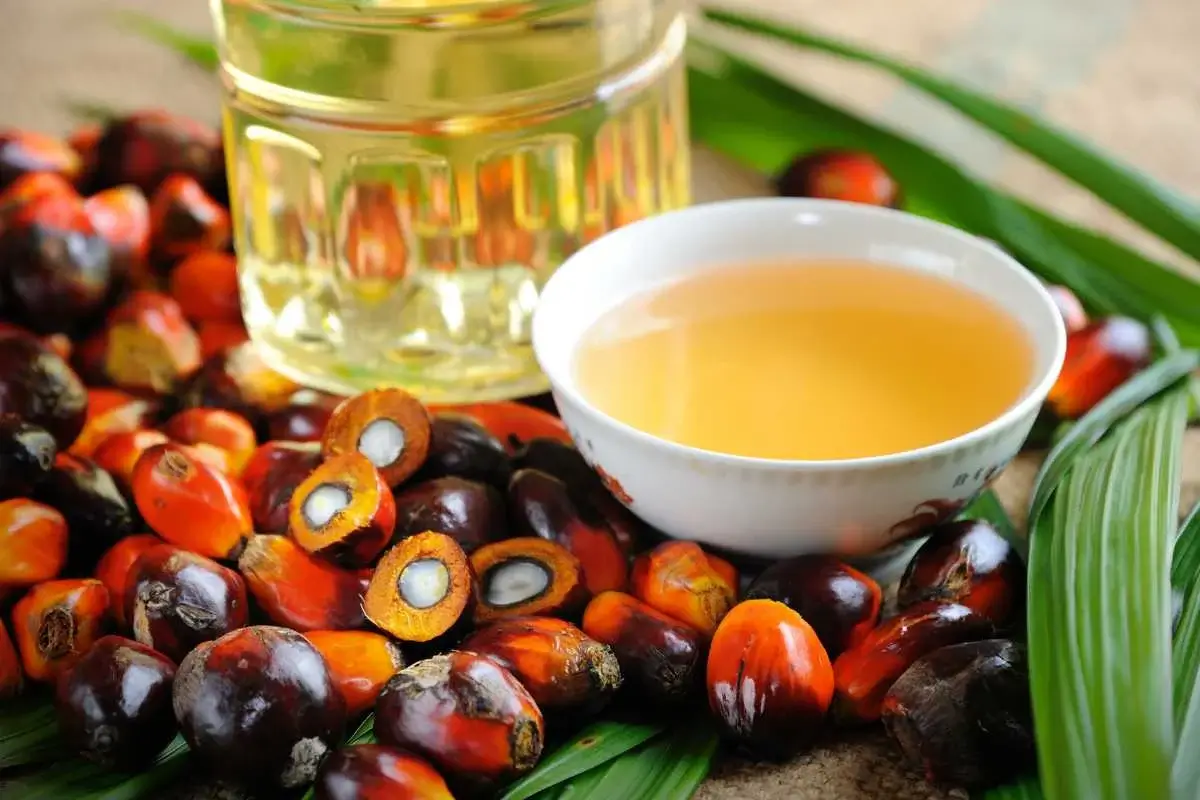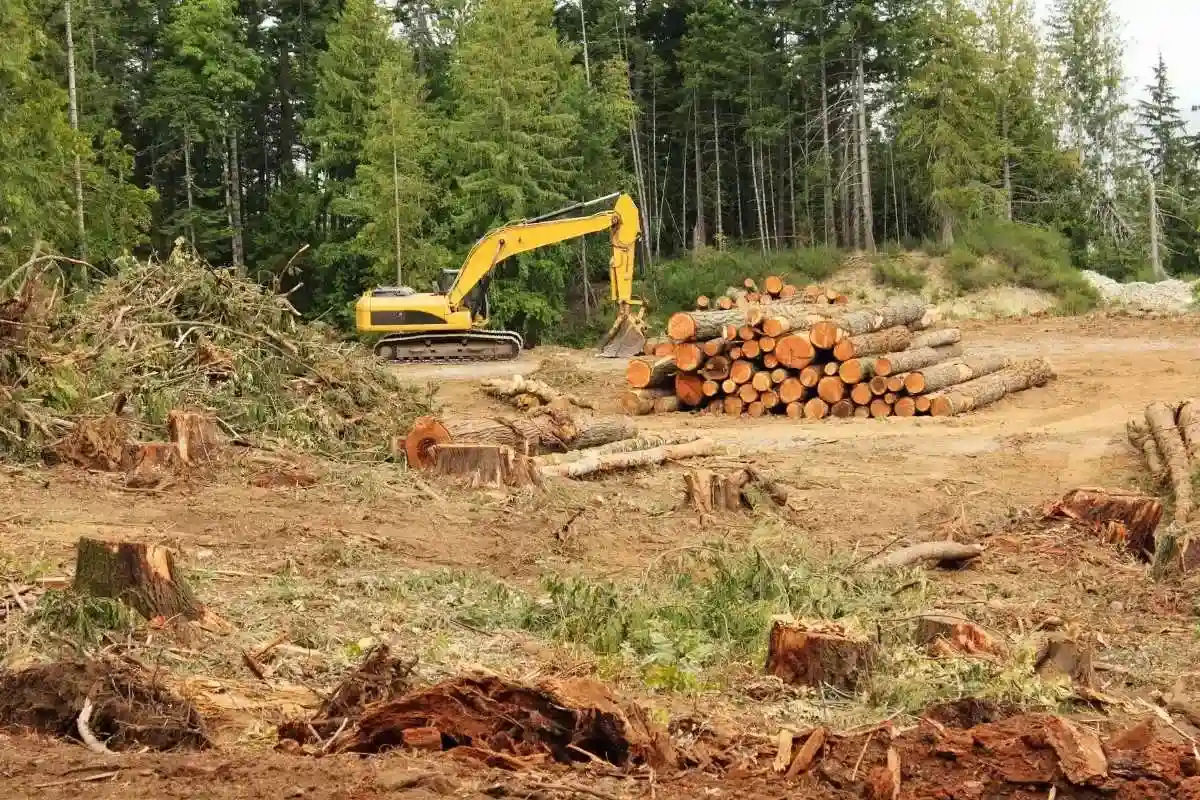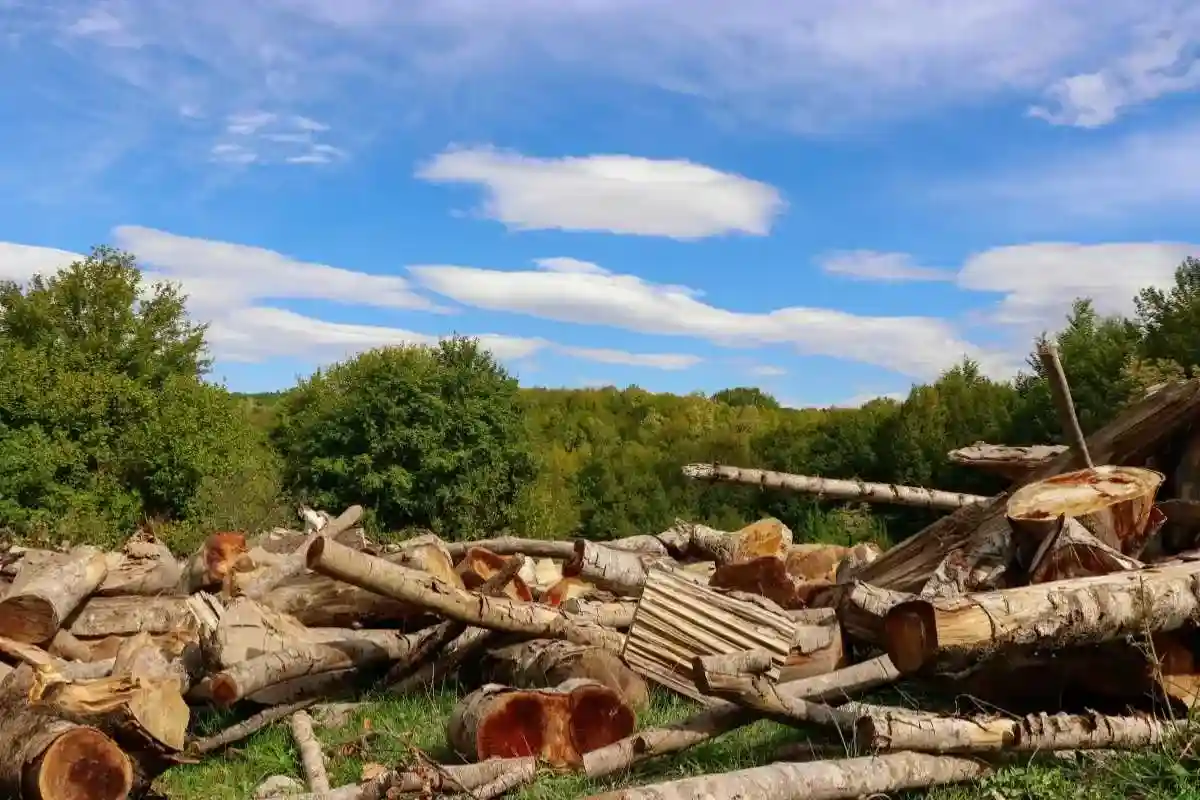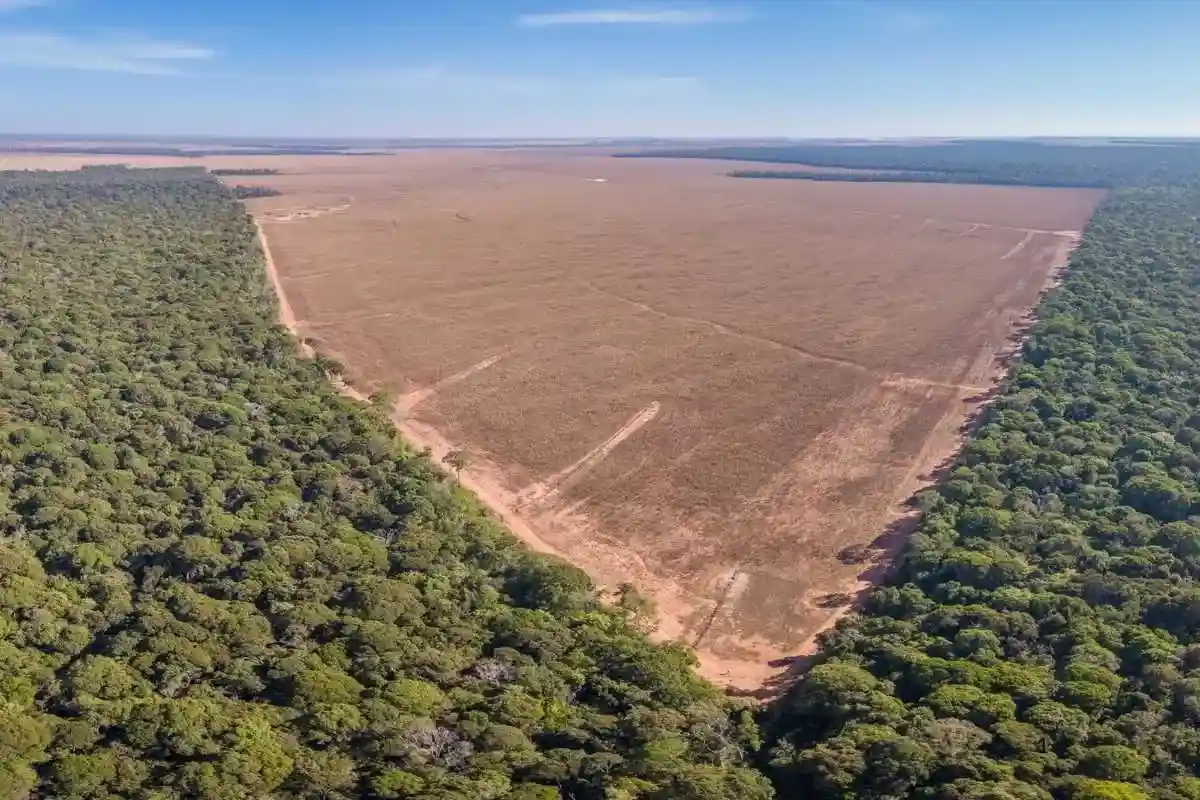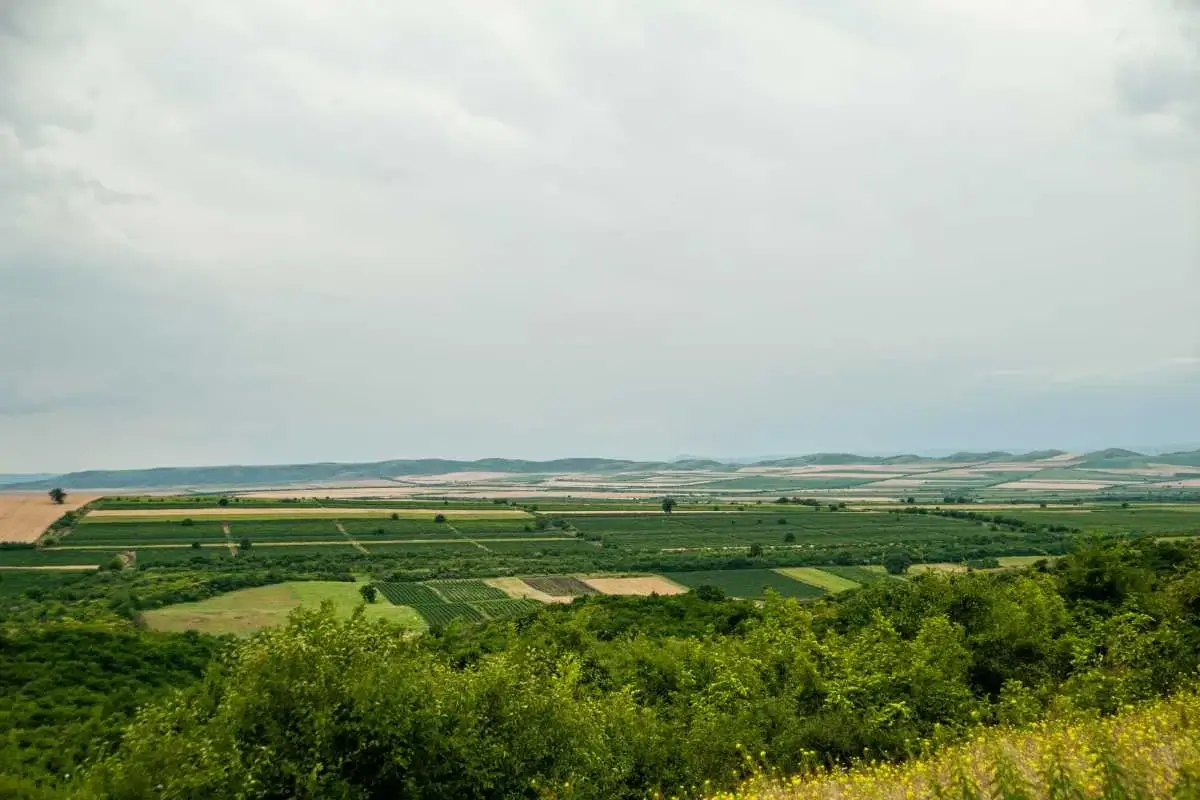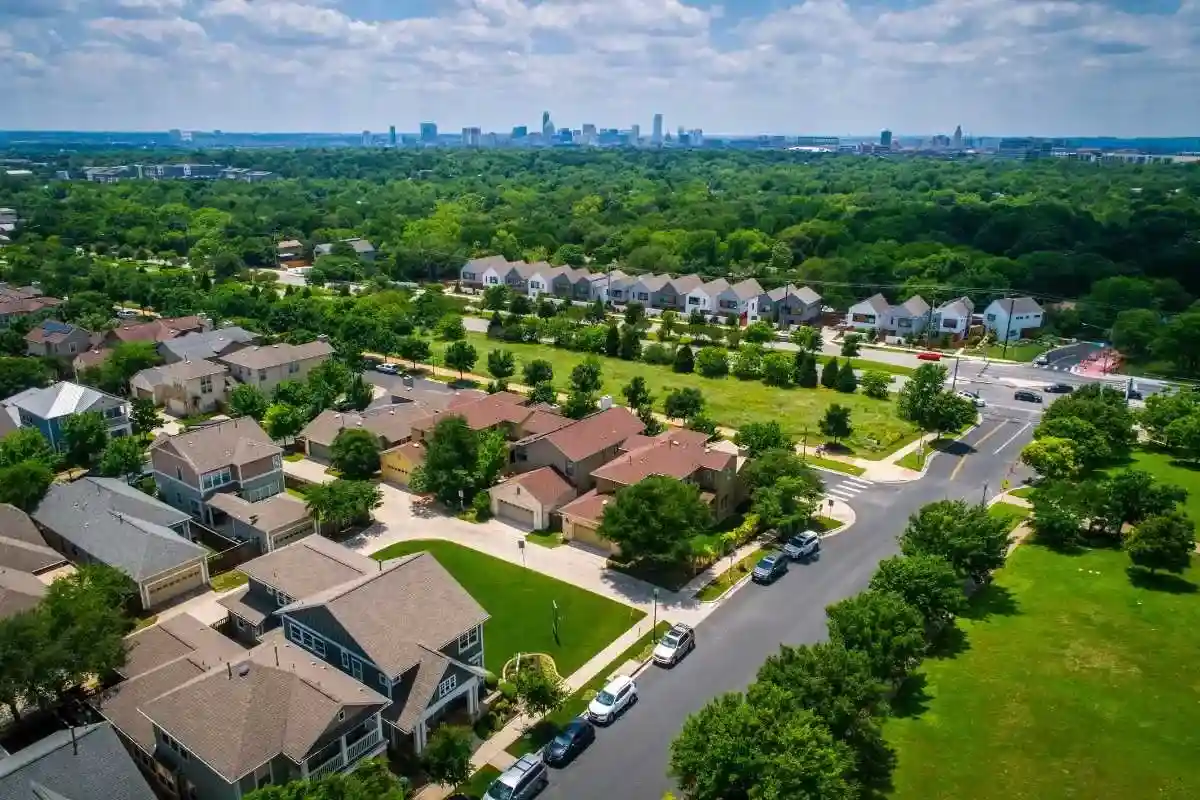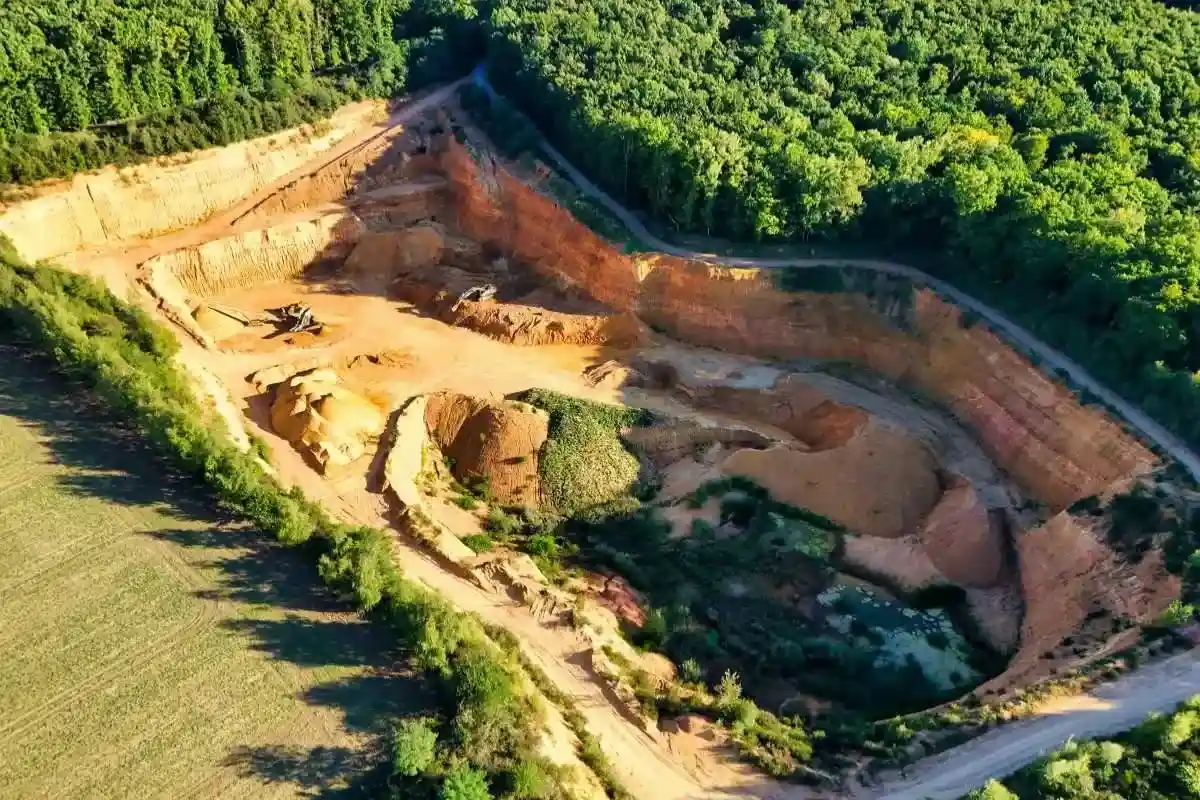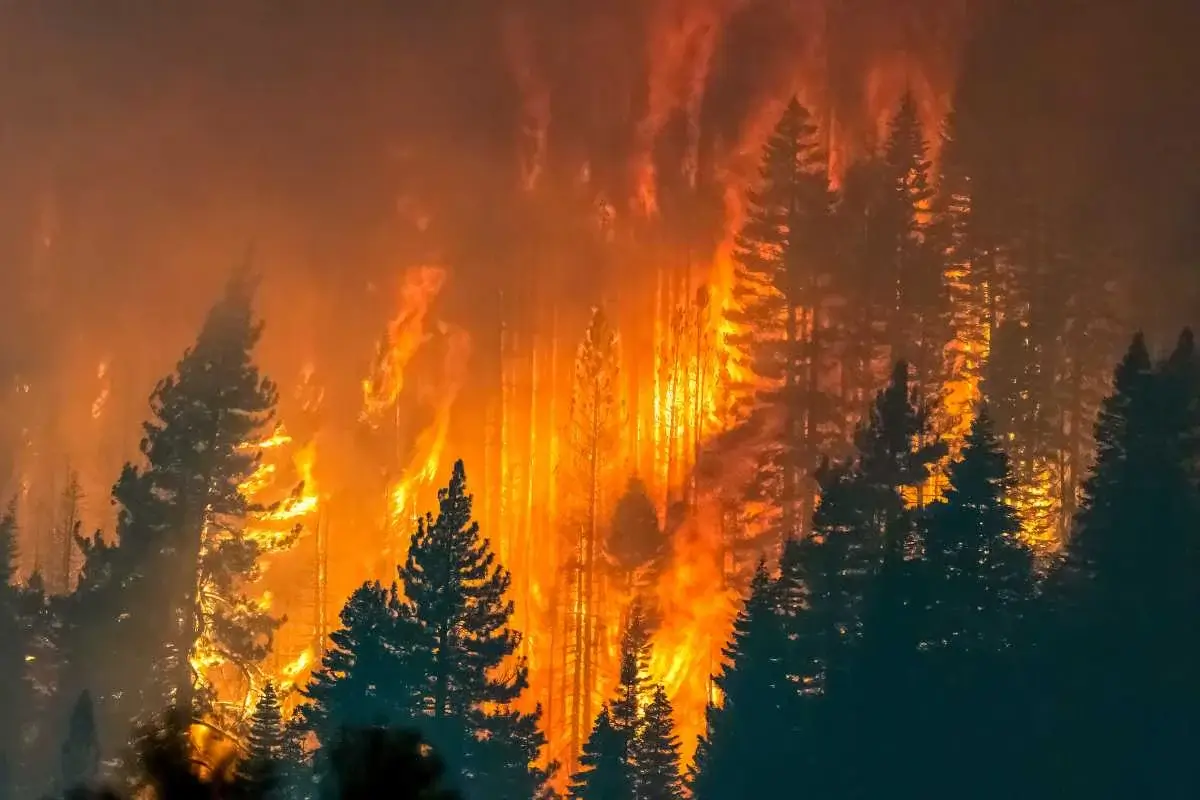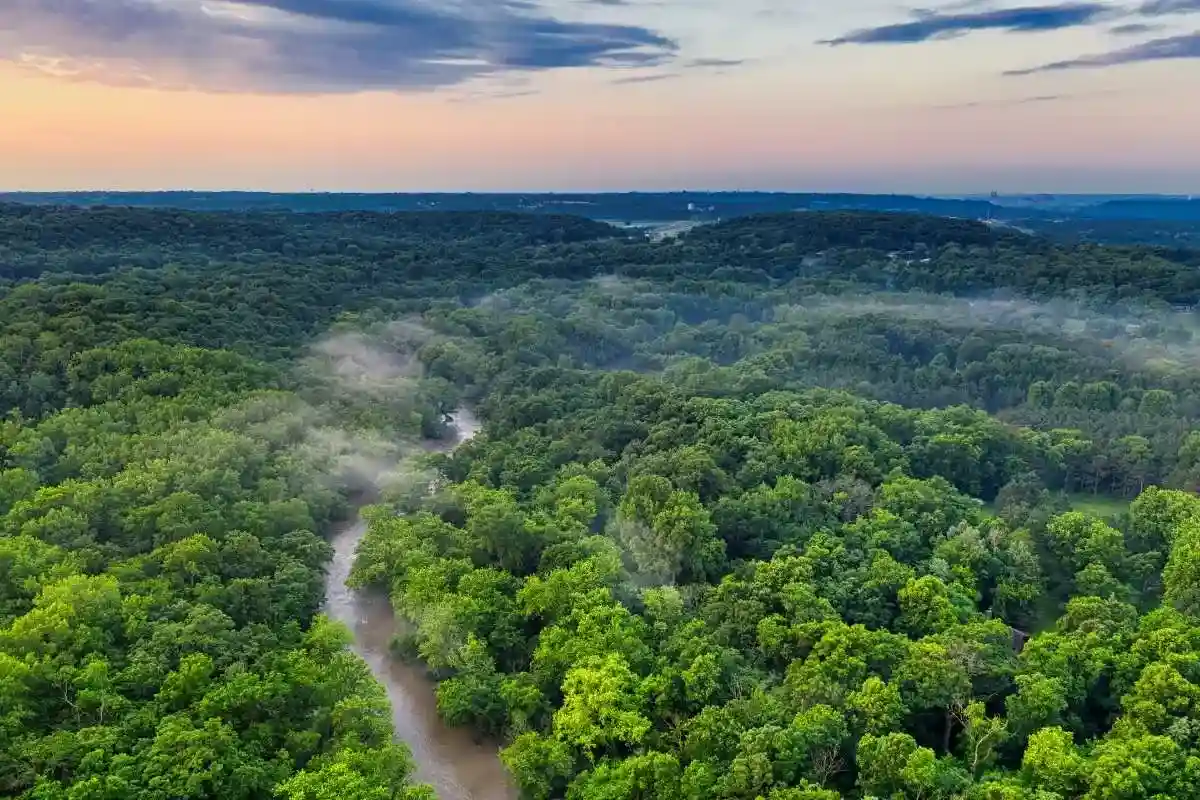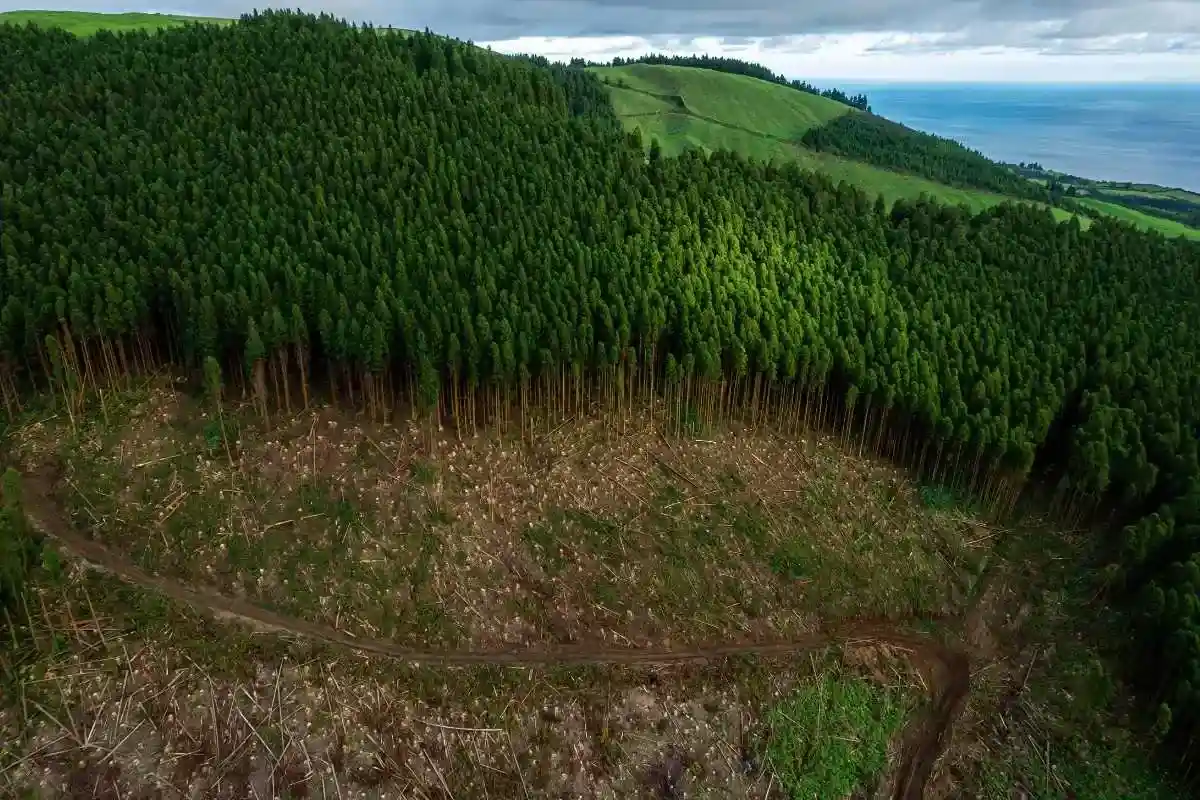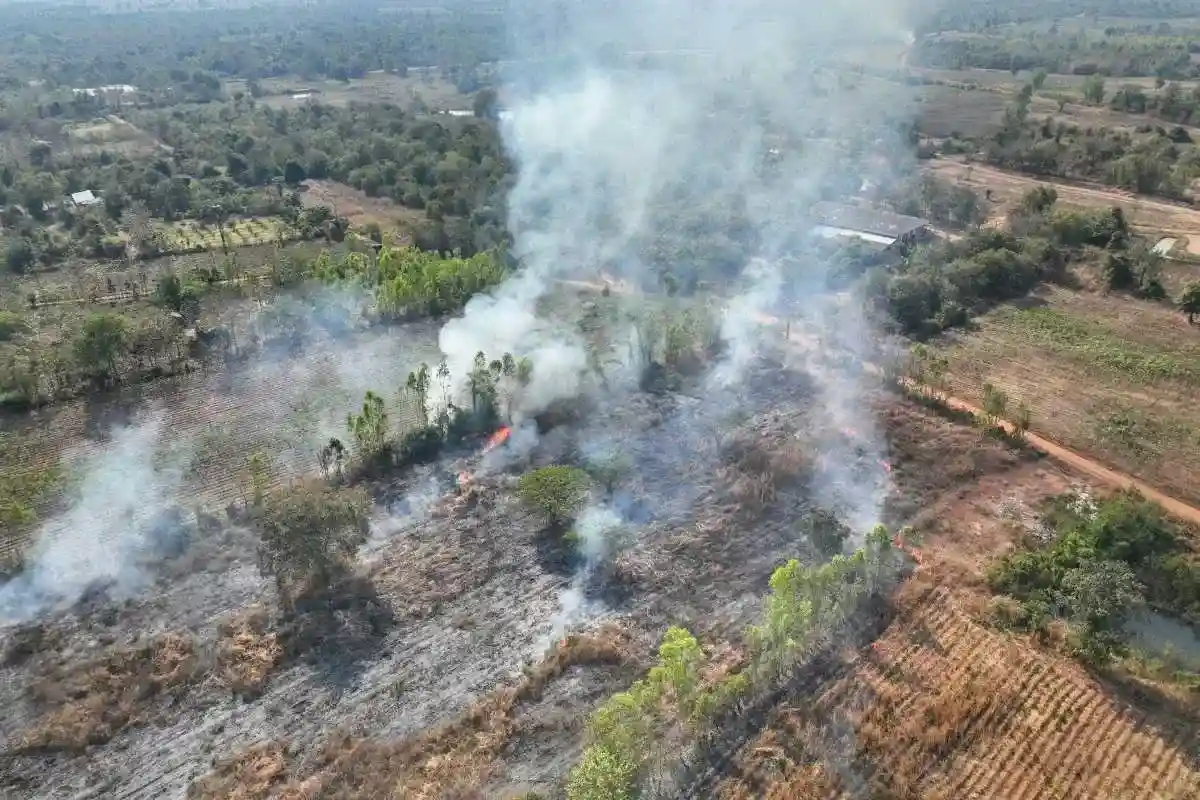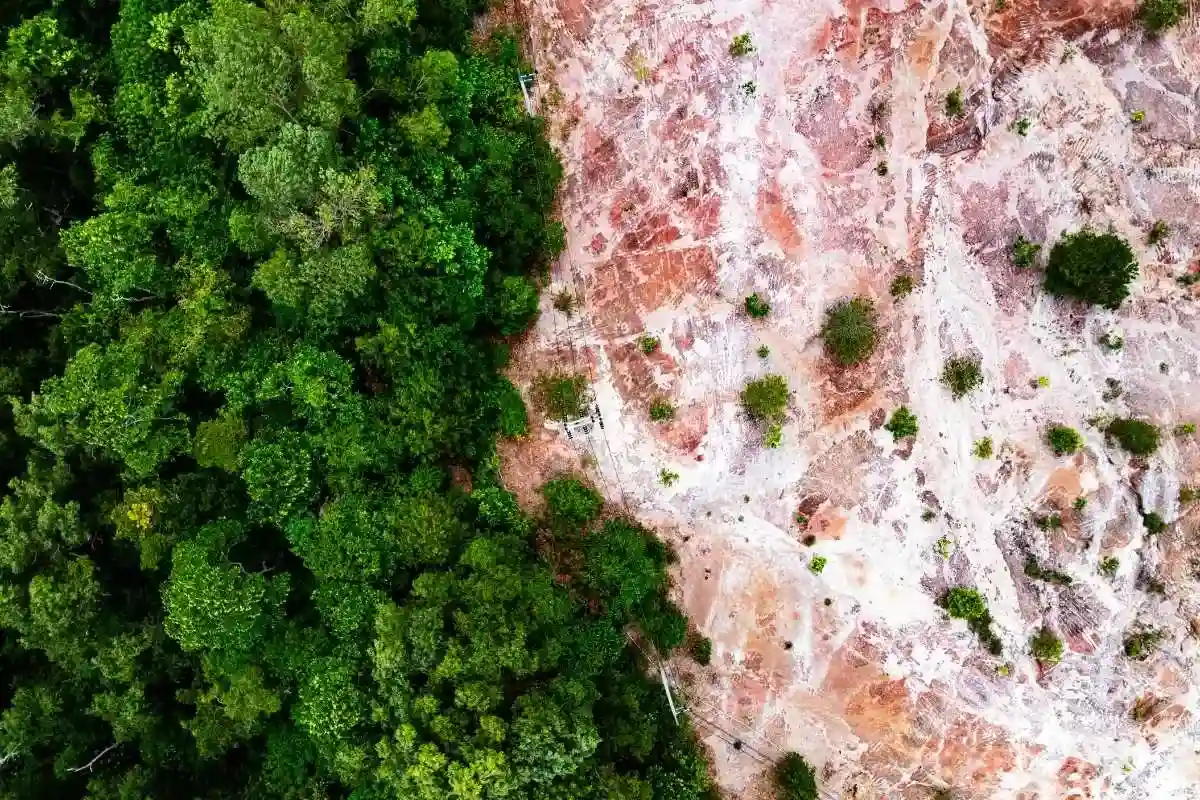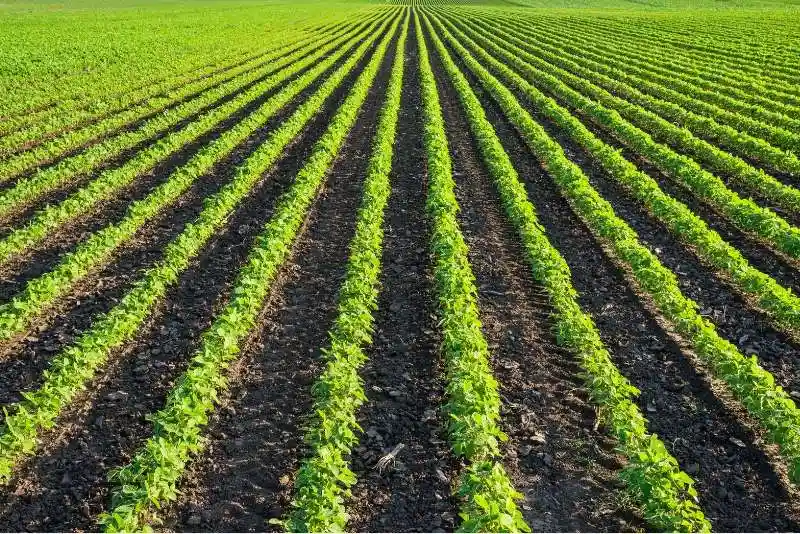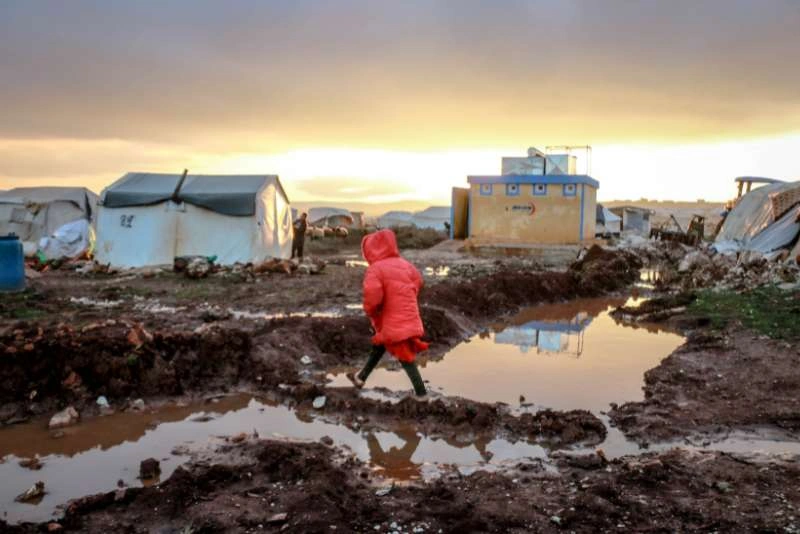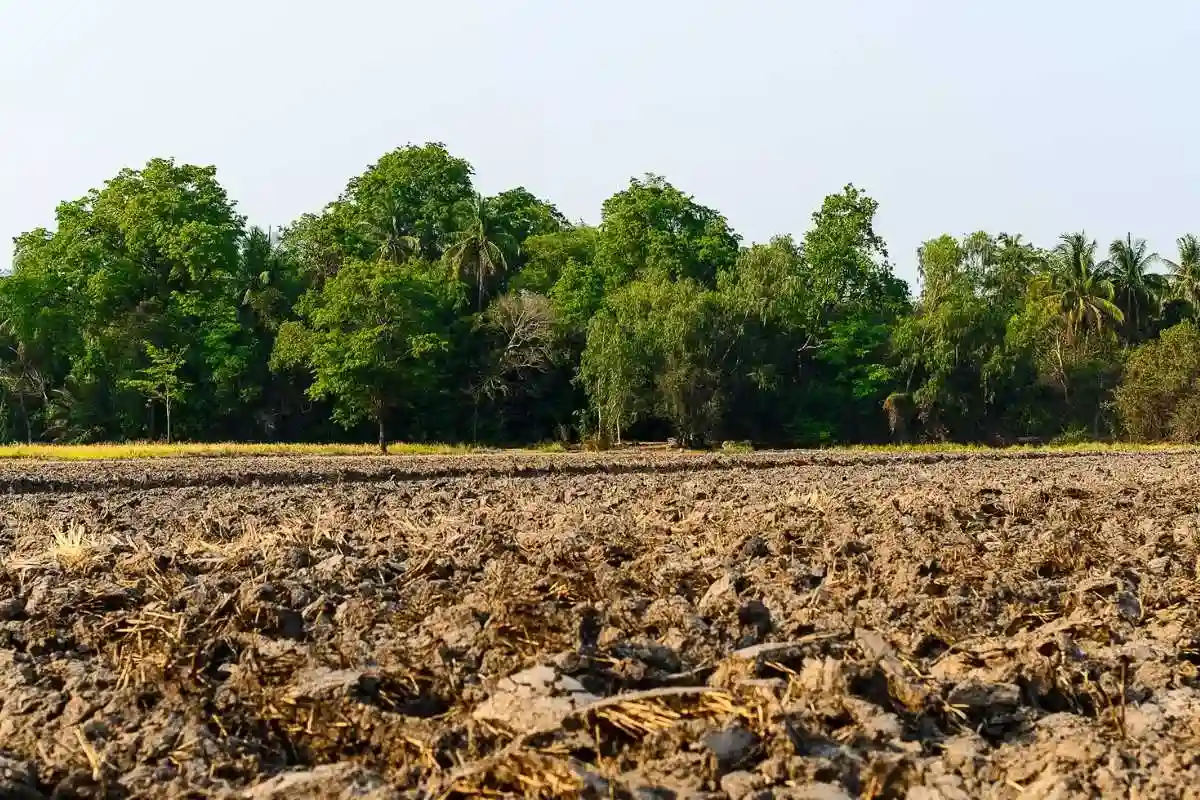
Agriculture and urbanization are two of the most significant drivers of global deforestation. As the human population continues to expand, so does the need for food production, housing, and infrastructure. This growing demand often results in clearing vast areas of forests to make way for farmland and urban development. The loss of these forests has far-reaching consequences, including biodiversity decline, soil degradation, disrupted water cycles, and increased greenhouse gas emissions. Recognizing the link between agricultural expansion, urban growth, and forest loss is essential for developing balanced strategies that support both human progress and environmental preservation.
The relationship between these forces is deeply interconnected. Agriculture is vital for sustaining communities, yet unsustainable farming practices can destroy the ecosystems that make long-term food production possible. Similarly, rapid urbanization without proper planning can lead to habitat destruction and the fragmentation of critical forest areas. The challenge lies in meeting human needs while maintaining the natural systems that sustain life. Sustainable land management, smart urban design, and reforestation efforts can help bridge this divide and protect forest ecosystems from irreversible damage.
Policies and innovations also play a crucial role in shaping sustainable land use. Governments and organizations can promote practices such as agroforestry, precision agriculture, and urban green spaces that reduce pressure on forests. Public awareness campaigns can encourage more responsible consumption patterns and highlight the importance of protecting forests for future generations.
What are the key drivers connecting agriculture, urbanization, and deforestation? How can better land-use planning and sustainable development practices reduce forest loss? What role can technology, policy, and education play in promoting responsible growth that protects the environment? Consider how balancing human needs with ecological preservation can lead to healthier, more sustainable communities.
Use the online submission form when sending your articles to help us track all of your submissions. Please try to write about the above topic. Your response should be at least 1,000 words.
To receive credit, your effort is what matters. You should find ways to contribute thoughtful ideas that will help others. Feel free to use personal stories or other information that you want to share, but do not use real names or other identifying information. You may write your response in the space provided or upload your response. Once we review your response, you will receive credit.
Click the button below to submit your article and get your credit.


Membership Email:
Verification Status: